预约演示
更新于:2026-07-27

Shandong University
更新于:2026-07-27
概览
标签
肿瘤
感染
免疫系统疾病
小分子化药
化学药
合成多肽
疾病领域得分
一眼洞穿机构专注的疾病领域

技术平台
公司药物应用最多的技术
靶点
公司最常开发的靶点
关联
靶点 |
作用机制 |
在研机构 |
原研机构 |
在研适应症 |
非在研适应症 |
最高研发阶段 |
首次获批国家/地区 |
首次获批日期 |

靶点 |
作用机制 |
在研机构 |
原研机构 |
在研适应症 |
非在研适应症 |
最高研发阶段 |
首次获批国家/地区 |
首次获批日期 |


靶点 |
作用机制 |
在研机构 |
原研机构 |
在研适应症 |
非在研适应症 |
最高研发阶段 |
首次获批国家/地区 |
首次获批日期 |
NCT07720037
Comparison of Eradication Efficacy Between 10-Day High-Dose Vonoprazan and 14-Day Standard-Dose Vonoprazan Combined With Amoxicillin for Helicobacter Pylori: A Multicenter, Non-Inferiority Randomized Controlled Trial
NCT07647653
A Multicenter, Randomized, Open-Label Exploratory Study of Fluzoparib Plus Bevacizumab Versus Olaparib Plus Bevacizumab for Maintenance Therapy After First-Line Platinum-Based Chemotherapy in Patients With HRD-Positive Advanced Ovarian Cancer
NCT07664813
A Comparative Study of One-Click Autofocus Versus Segmented Focus Techniques Under Magnifying Endoscopy for Gastric Diseases: A Tandem Randomized Controlled Trial
100 项与 山东大学 相关的临床结果
登录后查看更多信息
登录后查看更多信息
2026-12-31NUMERICAL HEAT TRANSFER PART A-APPLICATIONS
Darcy-Forchheimer aspect on unsteady bioconvection flow of Reiner-Philippoff nanofluid along a wedge with swimming microorganisms and Arrhenius activation energy
作者: Qi, Haitao ; Hussien, Mohamed ; Hamid, Aamir ; Duraihem, Faisal Z. ; Ur Rehman, M. Israr ; Chen, Haibo
The main goal of the present investigation is to evaluate the radiative heat aspect on bio-convective flowing of magnetized Reiner-Philippoff nanoparticle toward a wedge with Darcy-Forchheimer and swimming microorganisms impacts.Heat and mass transport assessment is described in the occurrence of heat source/sink, Arrhenius activation energy, and nonlinear thermal radiation.The purpose of the current studies is to build a framework for nanomaterials that incorporates thermophoretic and Brownian motion phenomena.A suitable transformation is employed to convert partial differential equations into ordinary ones then computationally invoked by shooting technique.The variation of various embedded variables on thermal, velocity, microorganisms, solutal, friction factor coefficient, heat transport, and motile d. number is highlighted through graphically.It is noticeable that the qual. behavior of thermal and solutal are similar for unsteadiness parameter.The heat transport rate acts as an escalating function of heat source/sink parameter and diminishing function of Brownian motion.Reverse pattern of the microorganism′s profile is observed in the frame of bioconvection Lewies number and Peclet number
2026-12-31ANNALS OF MEDICINE
Nomogram for predicting inadequate treatment response in vertebral osteomyelitis
Article
作者: Ruan, Wenkai ; Xu, Liang ; Li, Jianlong ; Tan, Hongdong ; Dang, Rongpan ; Zhao, Yingxin ; An, Huigang ; Zhao, Wentao ; Yang, Yongrui
BACKGROUND:
Vertebral osteomyelitis (VO) is frequently complicated by inadequate treatment response (ITR), resulting in prolonged hospitalisation and recurrence. No validated tool currently exists for early ITR risk prediction.
PURPOSE:
To develop and internally validate a nomogram for predicting ITR probability in patients with VO.
MATERIALS AND METHODS:
This retrospective study consecutively enrolled 219 patients with vertebral osteomyelitis who were admitted to the Department of Orthopaedics at Shandong Public Health Clinical Centre between January 1, 2021, and December 31, 2024; all data were extracted and analysed in October 2025.ITR was defined as clinical, microbiological, or radiological progression despite ≥4 weeks of appropriate antimicrobial therapy. Predictors were selected using LASSO regression and multivariate logistic regression. Nomogram performance was assessed by AUC, calibration curve, Hosmer-Lemeshow test, decision curve analysis (DCA), and 1000 bootstrap resamples for internal validation.
RESULTS:
Fifty-one patients (23.3%) developed ITR within 6 months. Six independent predictors were identified: intraspinal abscess, paraspinal abscess, spinal implant, concomitant pneumonia, low prealbumin, and multiple-site infections. The nomogram yielded excellent discrimination (AUC 0.909, 95% CI 0.862-0.956), confirmed by bootstrap validation (AUC 0.91, 95% CI 0.85-0.95). At the optimal cutoff of 0.308, sensitivity was 76.5%, specificity 91%, Positive Predictive Value (PPV) 70%, and Negative Predictive Value (NPV) 93.2%. Calibration was satisfactory (Hosmer-Lemeshow p = 0.750), and DCA demonstrated clear clinical net benefit.
CONCLUSION:
We developed the first validated nomogram for individualised ITR risk prediction in VO, enabling early therapeutic intensification and potentially improving clinical outcomes.
2026-12-31AUTOIMMUNITY
CA72-4 derived from synovial cells inhibits monosodium urate-induced macrophage M1 polarization by activating the TIGIT/SHP-1 axis through binding to Siglec-15
Article
作者: Hu, Honglei ; Zhang, Hongmei ; Bai, Xuefeng ; Zhang, Lingyue ; Bai, Xueshan ; Wang, Shujuan ; You, Qiang
Excessive M1 polarization of macrophages is a key driver of inflammatory processes in gout, while the regulatory mechanisms involved remain unclear. Herein, the role of carbohydrate antigen 72-4 (CA72-4), derived from human synovial cells (HFLS), in regulating macrophage M1 polarization during gout progression was investigated. PMA was used to induce differentiation of THP-1 cells into macrophages, and the macrophages were then treated with a conventional medium (CM), the CM was from Non-treated HFLS (NCM), or the CM from MSU-treated HFLS (MCM), and then incubated with MSU treatment for 24 h. Cell viability was assessed by CCK-8 assay. IL-1β, TGF-β1, and CA72-4 levels in the supernatant of macrophages were detected by ELISA. The interaction between CA72-4 and sialic acid-binding immunoglobulin-like lectin-15 (Siglec-15) was analyzed by Co-IP assay. MSU-induced HFLS to secrete CA72-4, and CA72-4 derived from HFLS inhibited MSU-induced macrophage M1 polarization. Mechanistically, CA72-4 activated the TIGIT/SHP-1 signaling in macrophages by binding to Siglec-15 on macrophages. As expected, Siglec-15 knockdown weakened the activation effect of MCM on TIGIT/SHP-1 signaling and the inhibitory effect on macrophage M1 polarization. MSU stimulated HFLS to secrete CA72-4, and CA72-4 derived from HFLS suppressed MSU-induced macrophage M1 polarization by activating TIGIT/SHP-1 signaling through targeting Siglec-15.
100 项与 山东大学 相关的药物交易
登录后查看更多信息
100 项与 山东大学 相关的转化医学
登录后查看更多信息
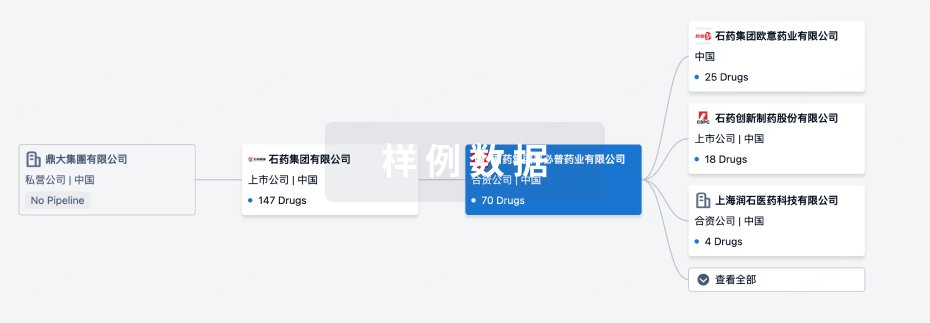
组织架构
使用我们的机构树数据加速您的研究。
登录
或
管线布局
2026年08月01日管线快照
管线布局中药物为当前组织机构及其子机构作为药物机构进行统计,早期临床1期并入临床1期,临床1/2期并入临床2期,临床2/3期并入临床3期
药物发现
57
139
临床前
临床申请批准
3
1
临床1期
临床2期
1
13
其他
登录后查看更多信息
当前项目
登录后查看更多信息
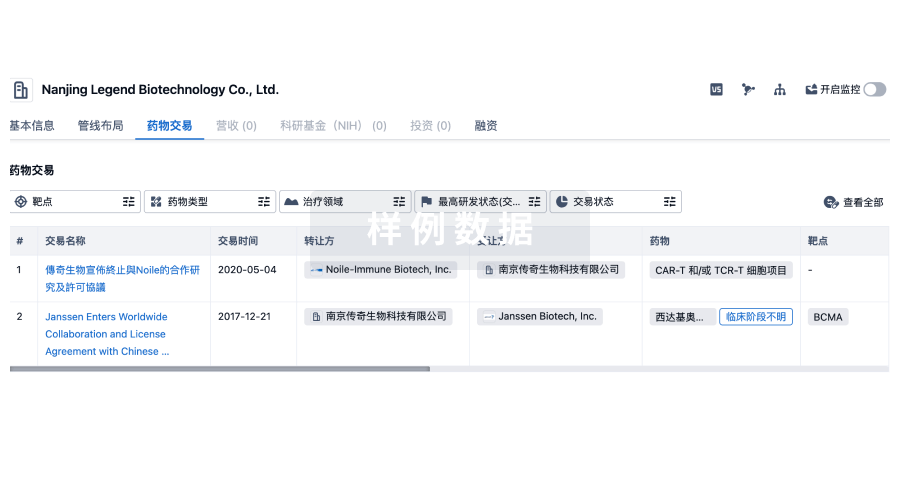
药物交易
使用我们的药物交易数据加速您的研究。
登录
或
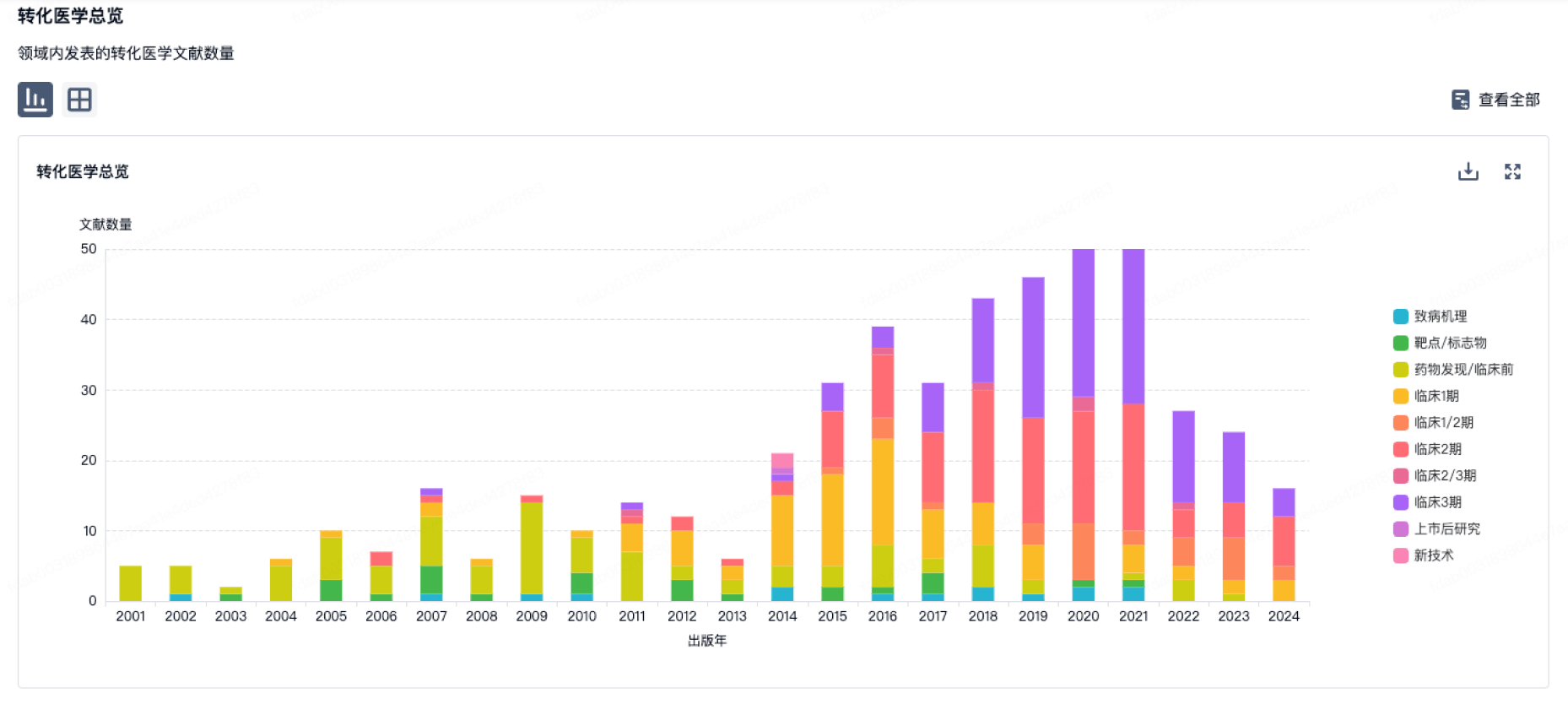
转化医学
使用我们的转化医学数据加速您的研究。
登录
或
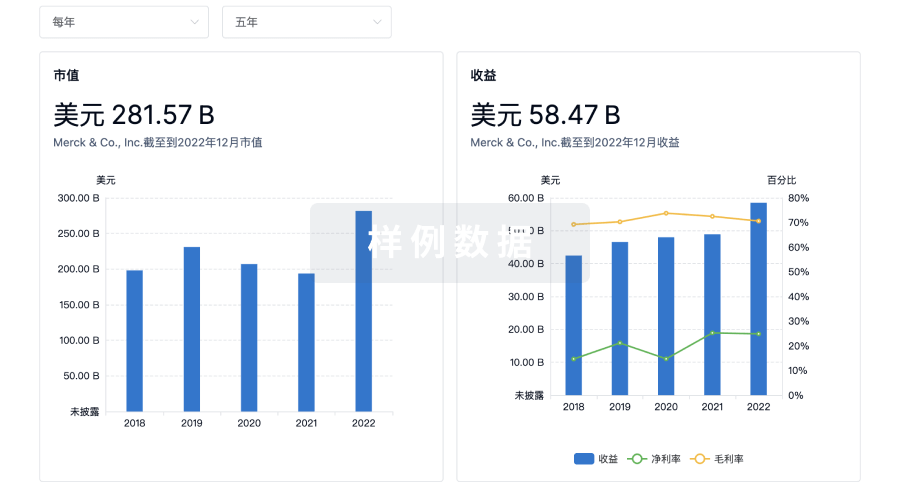
营收
使用 Synapse 探索超过 36 万个组织的财务状况。
登录
或
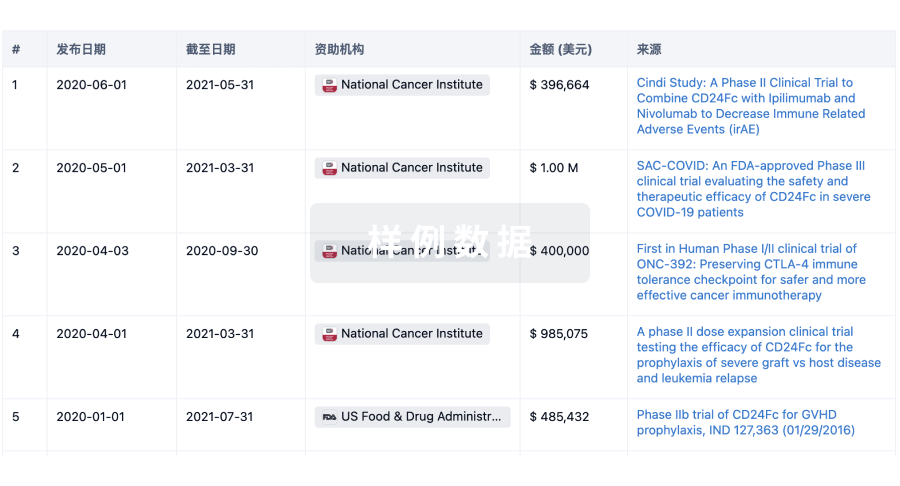
科研基金(NIH)
访问超过 200 万项资助和基金信息,以提升您的研究之旅。
登录
或
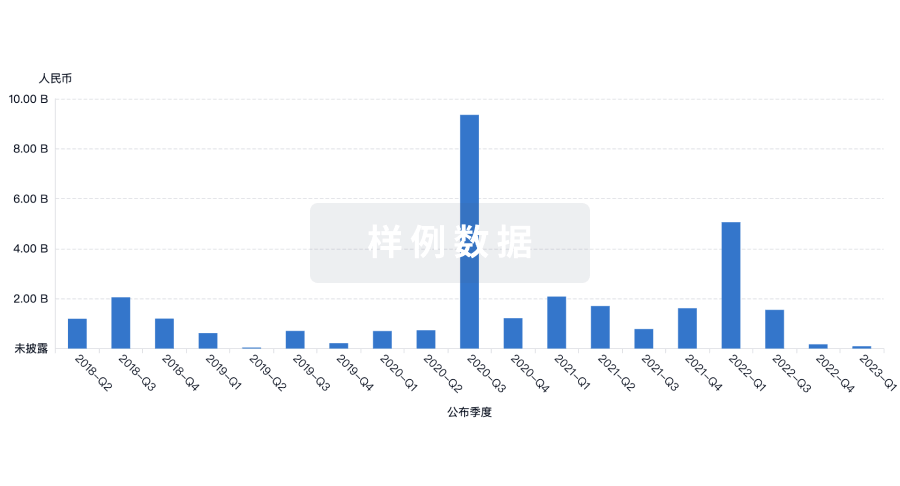
投资
深入了解从初创企业到成熟企业的最新公司投资动态。
登录
或
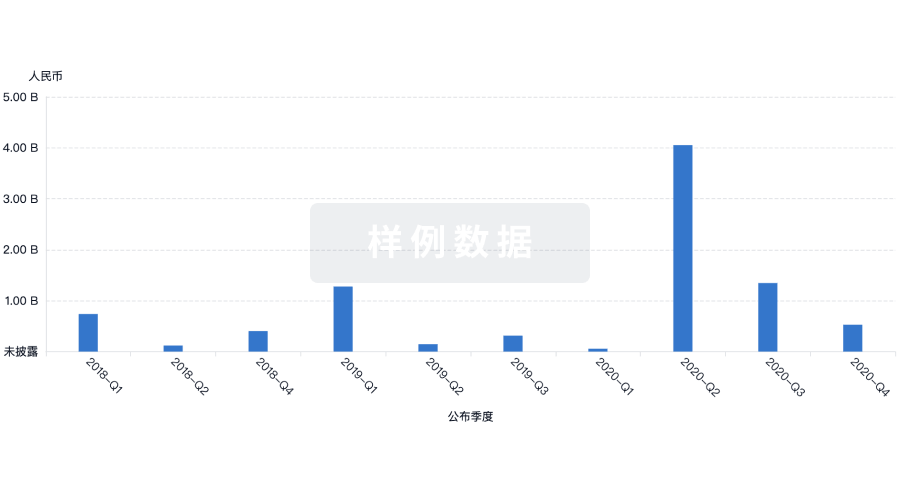
融资
发掘融资趋势以验证和推进您的投资机会。
登录
或
芽仔
全新生物医药AI Agent 覆盖科研全链路,让突破性发现快人一步
立即开始免费试用!
智慧芽新药情报库是智慧芽专为生命科学人士构建的基于AI的创新药情报平台,助您全方位提升您的研发与决策效率。
立即开始数据试用!
智慧芽新药库数据也通过智慧芽数据服务平台,以API或者数据包形式对外开放,助您更加充分利用智慧芽新药情报信息。
生物序列数据库
生物药研发创新
免费使用
化学结构数据库
小分子化药研发创新
免费使用