预约演示
更新于:2026-08-01

Beijing Normal University
更新于:2026-08-01
概览
标签
肿瘤
神经系统疾病
泌尿生殖系统疾病
诊断用放射药物
小分子化药
放射与诊断药物
疾病领域得分
一眼洞穿机构专注的疾病领域

技术平台
公司药物应用最多的技术
靶点
公司最常开发的靶点
关联
靶点 |
作用机制 |
在研机构 |
原研机构 |
在研适应症 |
非在研适应症 |
最高研发阶段 |
首次获批国家/地区 |
首次获批日期 |
靶点 |
作用机制 |
在研机构 |
原研机构 |
在研适应症 |
非在研适应症 |
最高研发阶段 |
首次获批国家/地区 |
首次获批日期 |

靶点 |
作用机制 |
在研机构 |
原研机构 |
在研适应症 |
非在研适应症 |
最高研发阶段 |
首次获批国家/地区 |
首次获批日期 |
NCT07722455
Hand in Hand, We Rise (Xie Shou Gong Jin)

ChiCTR2600126780
Effects of transcranial photobiomodulation on working memory in children with ADHD
ChiCTR2600120486
Effectiveness and feasibility of digital cognitive behavioral therapy-based intervention for children and adolescents at risk of depression: A multicenter, open-label, randomized controlled clinical trial

100 项与 北京师范大学 相关的临床结果
登录后查看更多信息
登录后查看更多信息
2026-11-01JOURNAL OF AFFECTIVE DISORDERS
Predicting sub-clinical risk of complex PTSD in adolescents using multi-informant ecological data: A machine learning approach
Article
作者: Kong, Haonan ; Huang, Sui ; Ren, Yizhen ; Cui, ZheShi ; Xia, Yanrong ; Xiao, Wenhan
BACKGROUND:
Complex Post-Traumatic Stress Disorder (CPTSD) is a significant mental health concern in adolescents, however traditional diagnostic tools often fail to capture early risk patterns. Adolescence is a unique developmental window marked by neurobiological remodeling and heightened interpersonal sensitivity. This study aims to move beyond binary clinical diagnosis toward a subclinical prevention framework by predicting continuous CPTSD symptom severity using multidimensional ecological data.
METHODS:
The data were collected from a triad of 4177 Chinese adolescents and their parents. A two-layer stacking ensemble machine learning model was employed to integrate 118 variables across individual, family, and school domains. SHapley Additive exPlanations (SHAP) analysis was utilized to provide interpretability and identify the predictive contribution of key ecological factors.
RESULTS:
The stacking ensemble model demonstrated higher predictive accuracy in identifying complex ecological risk patterns compared to standalone base learners. School climate functioned as an asymmetrical indicator where deterioration significantly predicted symptom elevation while a positive climate offered a limited protective association. Peer victimisation behaviors, maternal anxiety, and paternal coparenting conflict were identified as core components of the risk patterns.
CONCLUSION:
An interpretable stacking ensemble model is developed to estimate concurrent CPTSD symptom severity in adolescents using multiple informant ecological data. Peer victimisation behaviors, maternal anxiety, and school climate are identified as the most informative indicators. A temporal inference is precluded by the cross sectional design. Therefore, this framework is viewed as an exploratory approach to recognizing adolescents with an elevated concurrent symptom burden.
2026-10-01PSYCHIATRY RESEARCH
Physical exercise interventions for health outcomes in children and adolescents with attention deficit hyperactivity disorder: An umbrella review with meta-analysis
Review
作者: Li, Yingying ; Wu, Yu ; Ren, Yuanchun ; Zhang, Xi ; Zhang, Ming ; Zhu, Feilong
BACKGROUND:
Physical exercise is a promising adjunctive intervention for attention deficit hyperactivity disorder (ADHD), but conclusions from previous meta-analyses remain inconsistent.
OBJECTIVES:
This umbrella review synthesized meta-analytic evidence on the effects of physical exercise interventions on ADHD-related and broader functional outcomes in children and adolescents with ADHD.
METHODS:
Six databases were searched from inception to March 5, 2026. Eligible meta-analyses evaluating structured physical exercise interventions in children and adolescents with ADHD were included. Random-effects models were used to calculate standardized mean differences (SMDs) with 95% confidence intervals (CIs). Methodological quality and certainty of evidence were assessed using AMSTAR-2 and GRADE, respectively.
RESULTS:
Forty-five meta-analyses were included. Physical exercise showed significant beneficial effects on ADHD core symptoms (SMD = 0.50, 95% CI: 0.39 to 0.61) and executive functions (SMD = 0.77, 95% CI: 0.62 to 0.93). Benefits were also observed for mental health, motor skills, and social problems, whereas no significant effects were found for sleep quality, body mass index, or academic achievement. Cognitively engaging exercise and interventions delivered at least three times per week showed significantly larger effects in executive functions. Certainty of evidence was low for ADHD core symptoms, executive functions, mental health, motor skills, and social problems, and very low for other outcomes.
CONCLUSIONS:
Structured physical exercise may be a useful adjunctive component of multimodal ADHD management, but should not replace established treatments. Given the low to very low certainty of evidence across outcomes, these findings should be interpreted cautiously and require confirmation in further high-quality studies.
2026-10-01BIORESOURCE TECHNOLOGY
Industrial red mud establishes redox-active interfaces to steer metabolic pathways toward chain elongation in sludge anaerobic fermentation
Article
作者: Zhong, Yijie ; Zou, Xiang ; Pan, Xinlei ; He, Junguo ; Qiu, Wei ; Cai, Qiupeng ; Aili, Aierpanjiang ; Fang, Kang ; Wang, Yongyang
Medium-chain fatty acids (MCFAs) production from waste activated sludge (WAS) provides a promising route for sludge valorization, but is often limited by inefficient hydrolysis and restricted interspecies electron transfer. This study evaluated industrial red mud (RM) as a conductive and alkaline regulator to enhance anaerobic chain elongation (CE). With 5 g/L RM addition, MCFAs yield reached 12.6 g COD/L, representing a 164% increase over the control. Spectroscopic analysis showed that the strong alkalinity of RM altered protein secondary structures, facilitating substrate hydrolysis while maintaining stable pH favorable for CE. Increased release of humic-like substances was observed, and electrochemical evidence suggested that the adsorption of these redox mediators onto the RM surface potentially facilitated the formation of redox-active interfaces, which contributed to the enhanced electron transfer capacity. Microbial network analysis demonstrated that RM acted as a topological hub, restructuring the community into a synchronized syntrophic consortium (hydrolysis-acidogenesis-CE) and highly enriching key CE bacteria. Metagenomic analysis revealed an increase in the abundance of genes encoding conductive membrane proteins (cytochromes and Mtr-associated), suggesting a potential enhancement in direct interspecies electron transfer. Meanwhile, RM increased the gene abundance of the CE key pathway (reverse β-oxidation pathway), thereby favoring the genetic potential for MCFAs accumulation. These findings establish a sustainable 'waste-treating-waste' framework, utilizing RM-driven electron reservoirs to facilitate the high-value conversion of WAS in anaerobic systems.
2026-07-29
100 项与 北京师范大学 相关的药物交易
登录后查看更多信息
100 项与 北京师范大学 相关的转化医学
登录后查看更多信息
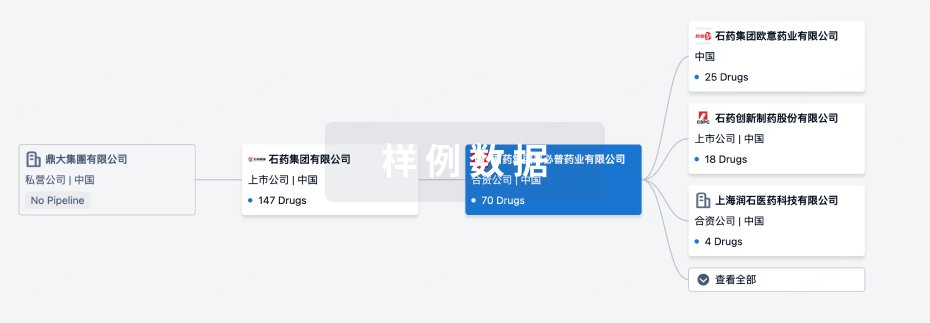
组织架构
使用我们的机构树数据加速您的研究。
登录
或
管线布局
2026年08月02日管线快照
管线布局中药物为当前组织机构及其子机构作为药物机构进行统计,早期临床1期并入临床1期,临床1/2期并入临床2期,临床2/3期并入临床3期
药物发现
19
53
临床前
临床1期
2
1
临床2期
申请上市
1
11
其他
登录后查看更多信息
当前项目
登录后查看更多信息
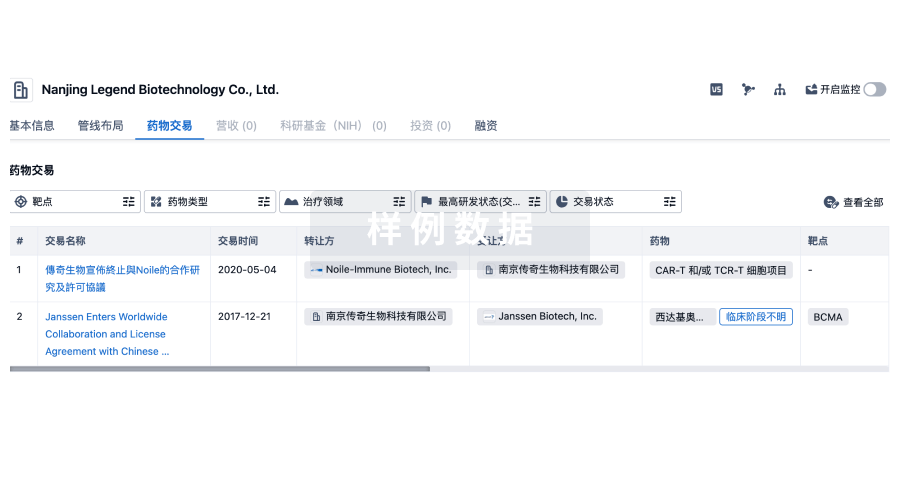
药物交易
使用我们的药物交易数据加速您的研究。
登录
或
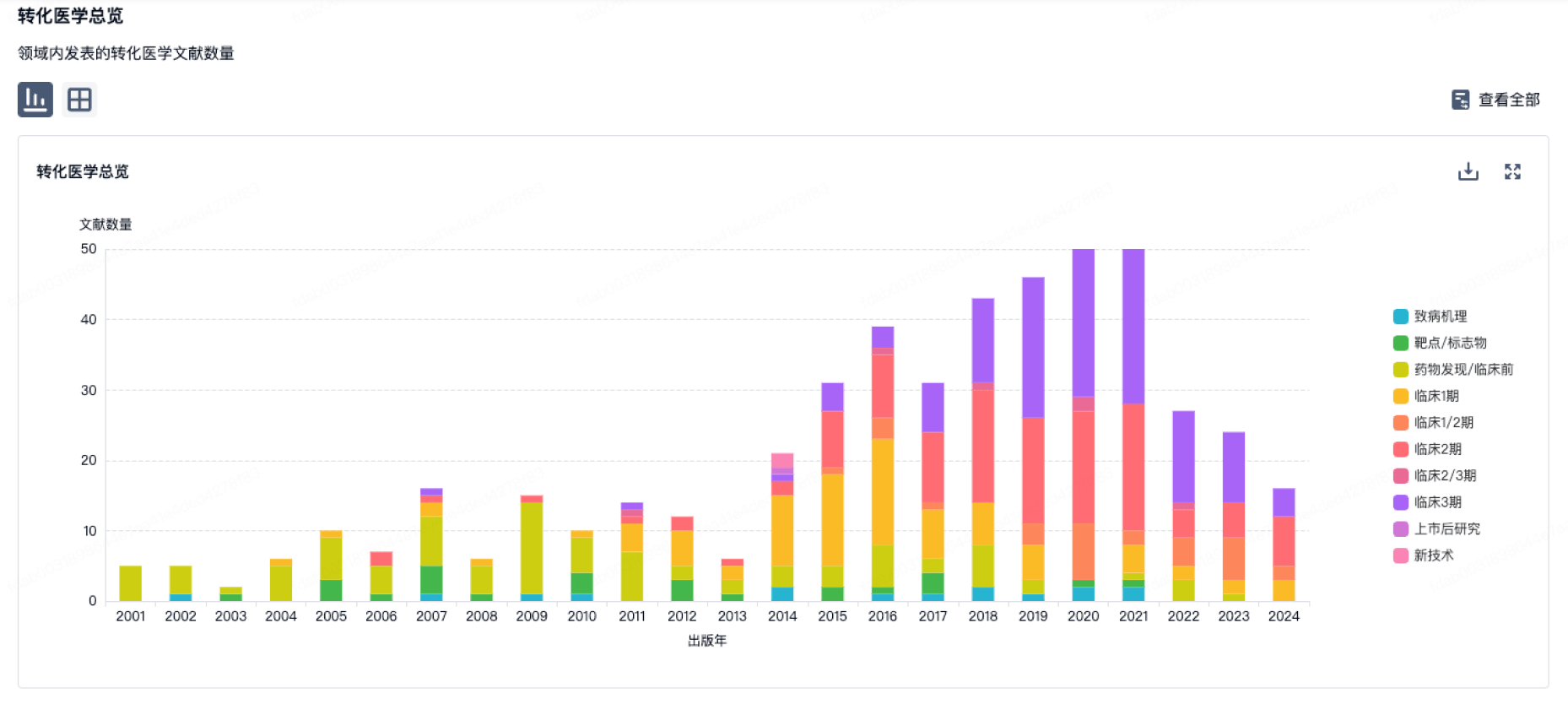
转化医学
使用我们的转化医学数据加速您的研究。
登录
或
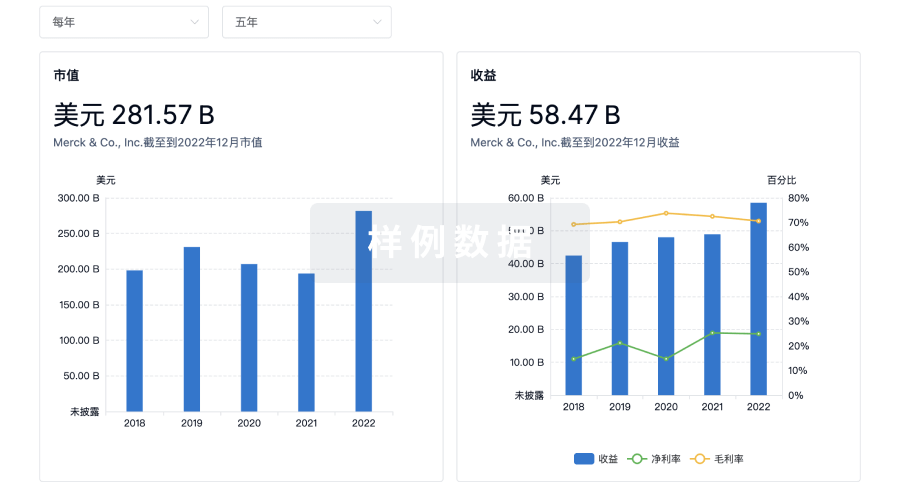
营收
使用 Synapse 探索超过 36 万个组织的财务状况。
登录
或
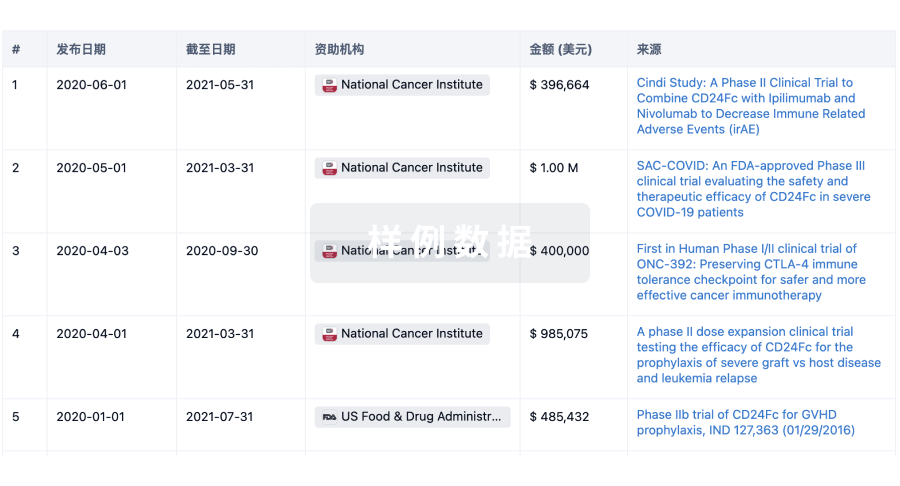
科研基金(NIH)
访问超过 200 万项资助和基金信息,以提升您的研究之旅。
登录
或
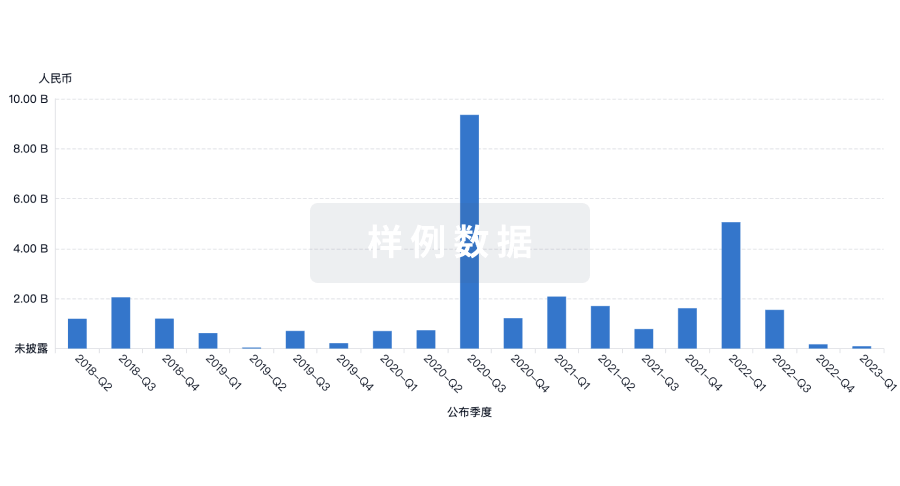
投资
深入了解从初创企业到成熟企业的最新公司投资动态。
登录
或
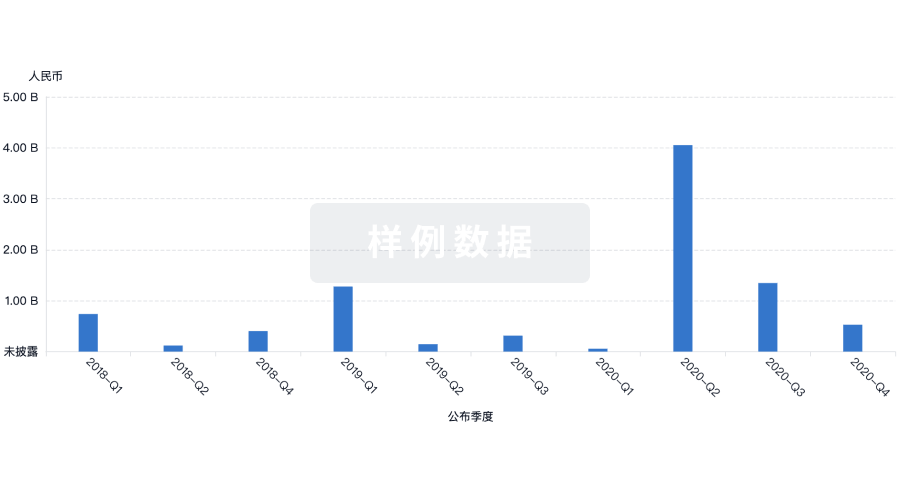
融资
发掘融资趋势以验证和推进您的投资机会。
登录
或
芽仔
全新生物医药AI Agent 覆盖科研全链路,让突破性发现快人一步
立即开始免费试用!
智慧芽新药情报库是智慧芽专为生命科学人士构建的基于AI的创新药情报平台,助您全方位提升您的研发与决策效率。
立即开始数据试用!
智慧芽新药库数据也通过智慧芽数据服务平台,以API或者数据包形式对外开放,助您更加充分利用智慧芽新药情报信息。
生物序列数据库
生物药研发创新
免费使用
化学结构数据库
小分子化药研发创新
免费使用