预约演示
更新于:2026-07-31

Southwest Jiaotong University
更新于:2026-07-31
概览
标签
肿瘤
皮肤和肌肉骨骼疾病
神经系统疾病
小分子化药
蛋白水解靶向嵌合体(PROTAC)
合成多肽
疾病领域得分
一眼洞穿机构专注的疾病领域

技术平台
公司药物应用最多的技术
靶点
公司最常开发的靶点
关联
靶点 |
作用机制 |
在研机构 |
原研机构 |
在研适应症 |
非在研适应症 |
最高研发阶段 |
首次获批国家/地区 |
首次获批日期 |
靶点 |
作用机制 |
在研机构 |
原研机构 |
在研适应症 |
非在研适应症 |
最高研发阶段 |
首次获批国家/地区 |
首次获批日期 |
靶点 |
作用机制 |
在研机构 |
原研机构 |
在研适应症 |
非在研适应症 |
最高研发阶段 |
首次获批国家/地区 |
首次获批日期 |

ChiCTR-ROC-15007259
Working ability tests of tunnel construction workers at high-altitude conditions
100 项与 西南交通大学 相关的临床结果
登录后查看更多信息
登录后查看更多信息
2026-10-01COMPUTATIONAL BIOLOGY AND CHEMISTRY
The inflammatory-antigen presenting macrophage polarization defect contributes to sepsis-induced cardiomyopathy by downregulating the TGF-β pathway
Article
作者: Tian, Feifei ; Du, Qingmei ; Wu, Hao ; Liu, Jianglin ; Zhang, Ying ; Zeng, Wenli ; Chi, Qingjia
As one of the severe sepsis complications that can usually cause mortality, sepsis-induced cardiomyopathy (SIC) is typically characterized by reversible myocardial dysfunction, yet its pathogenesis is insufficiently understood. Here, by collecting a mouse scRNA-seq dataset (GSE190856) along with three integrated bulk RNA-seq datasets, including GSE267388, GSE171546, and GSE229925, a distinct M1-type Skil+Mac2 macrophage subpopulation was identified through multiple bioinformatic techniques. It was indicated that the Skil+Mac2 subpopulation was strongly proinflammatory by activating key pathways, such as TNFα-NFκB signaling, TGF-β signaling, IL6-JAK-STAT3 signaling, and other inflammatory responses. By pseudotemporal trajectories, the Skil+Mac2 was indicated to reside in the early stage of differentiation, possessing strong phenotypic plasticity. Antigen-presenting genes of Skil+Mac2 were significantly downregulated during SIC, which was consistent with BulkRNA-seq differential analysis. By Cell communication analysis, it was revealed that the TGF-β pathway of the Skil+Mac2 subpopulation was greatly downregulated in SIC. During the acute phase of SIC, as demonstrated by CLP3d, the Skil+Mac2 subpopulation showed significantly lower M2 polarization scores, indicating impaired M2 polarization ability. Conclusively, a key proinflammatory Skil+Mac2 macrophage subset was identified in SIC, characterized by impaired polarization abilities by downregulating the TGF-β signaling pathway, thereby causing persistent inflammation and myocardial tissue damage. Through this study, a new insight into understanding the SIC pathogenesis was uncovered, providing a potential approach by targeting the polarization of Skil+Mac2 subpopulation for SIC treatment.
2026-09-01JOURNAL OF ETHNOPHARMACOLOGY
Traditional Herbal Medicine Euphorbia milii Des Moul: Research progress in chemical constituents and pharmacological activities
Review
作者: Deng, Meng-Yi ; Chen, Lin ; Su, Hong-Yi ; Huang, Shuai ; Chen, Hong-Ying ; Zhou, Xian-Li ; Cai, Ting-Ting
ETHNOPHARMACOLOGICAL RELEVANCE:
Euphorbia milii Des Moul is a plant with a long history of use in traditional medicinal and is widely distributed across tropical and subtropical regions. Traditionally, its sap has been used in folk medicine to treat various conditions such as skin inflammations, pain, and boils. To date, it remains a commonly used herbal medicine in clinical practice.
AIMS OF THE STUDY:
This paper systematically reviews the phytochemistry, pharmacology and toxicology of E. milii to assess its therapeutic potential and guide future studies.
MATERIALS AND METHODS:
A comprehensive literature search was performed based on multiple s databases, including Web of Science, ScienceDirect, PubMed, Elsevier, CNKI, VIP, and Wanfang. Additionally, taxonomic databases such as Flora of China and Plants of the World Online (POWO) were consulted to verify the plant's nomenclature and distribution.
RESULTS:
To date, 85 compounds have been identified from E. milii, comprising 74 diterpenoids, 6 triterpenoids, 2 steroids, 2 flavonoids, and 1 macrocyclic lactone. These phytochemicals exhibit a broad spectrum of pharmacological activities, including analgesic, anti-inflammatory, antioxidant, antimicrobial, anticancer, anti-gout, molluscicide, and anti-parasitic effects.
CONCLUSION:
Given its long history of traditional use, rich phytochemical composition, and diverse pharmacological activities, E. milii can be considered an important botanical resource for applications not only in traditional medicine but also in modern ecological and potential pharmacological contexts. However, in vivo and clinical studies remain limited. Future research should emphasize pharmacokinetic profiling to strengthen the basis for clinical applications and new drug development.
2026-09-01WATER RESEARCH
Unraveling the dynamics of organic phosphorus and its role in internal phosphorus feedback during algal blooms senescence
Article
作者: Ni, Zhaokui ; Guo, Ying ; Liu, Xiaofei ; Zhang, Han ; Pu, Jia ; Wang, Shengrui ; Wu, Yue
Algal blooms (ABs) intensify the internal transformation of phosphorus, yet limited understanding of sedimentary organic phosphorus (SPo) and algal Po (APo) has constrained insight into phosphorus feedback in eutrophication. In this study, we comprehensively characterized SPo and APo compositions during an incubation experiment using solution 31P nuclear magnetic resonance (31P-NMR), Fourier-transform ion cyclotron resonance mass spectrometry (FT-ICR-MS) and complementary techniques. A marked decrease in bioavailable orthophosphate monoester and diester in APo (1223.7 mg/kg, 25.3%), contrasted with minimal variation in SPo (22.7 mg/kg, 1%), highlighted the high biodegradability of algal-derived compounds. Moreover, FT-ICR-MS results showed that NaHCO3-extracted one-phosphorus atom (NaHCO3-1P) exhibited a higher degradation rate than NaOH-extracted 1P (NaOH-1P) with both fractions being dominated by aromatic compounds (condensed aromatic and tannin-like). In contrast, aliphatic compounds (lipid-like and protein-like) were primarily generated both in NaHCO3- two-phosphorus atoms (NaHCO₃-2P) and NaOH-2P compounds. The net loss of 100 molecular labile boundary (MLB) units in NaHCO3-1P, coupled with a net gain of 54 MLB units in NaHCO3-2P points to the synthesis of 2P-bearing compounds via phosphorylation or pyrophosphorylation reactions. These changes were accompanied by decrease in the weighted-average modified aromaticity index (AI mod, wa), double bond equivalence (DBEwa) and nominal oxidation state of carbon (NOSCwa). The transformation dynamics of APo and SPo by microbial activities (enzymatic hydrolysis and community succession) increased dissolved Po (DPo) levels and enhanced the fluorescence and autochthonous character of dissolved organic matter in the overlying water. Overall, ABs enhanced internal organic phosphorus transformation, with 17.8% of APo partitioning into 13.3% DPo and 4.5% SPo, indicating a positive internal phosphorus feedback mechanism in lakes. This study elucidates the internal phosphorus cycling driven by frequent ABs and provides a basis for targeted eutrophication mitigation.
100 项与 西南交通大学 相关的药物交易
登录后查看更多信息
100 项与 西南交通大学 相关的转化医学
登录后查看更多信息
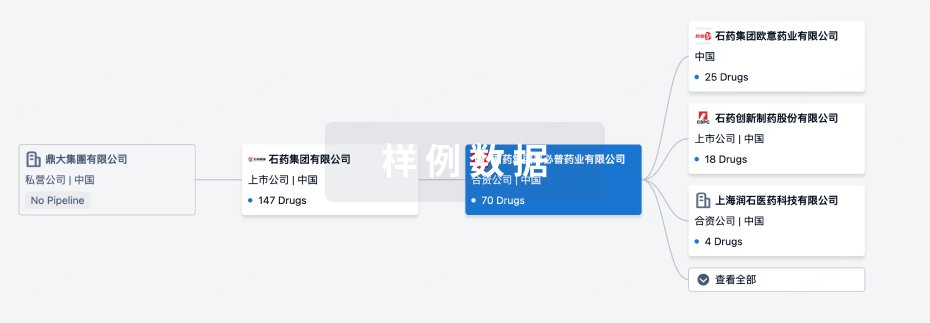
组织架构
使用我们的机构树数据加速您的研究。
登录
或
管线布局
2026年08月01日管线快照
管线布局中药物为当前组织机构及其子机构作为药物机构进行统计,早期临床1期并入临床1期,临床1/2期并入临床2期,临床2/3期并入临床3期
药物发现
8
22
临床前
其他
2
登录后查看更多信息
当前项目
登录后查看更多信息
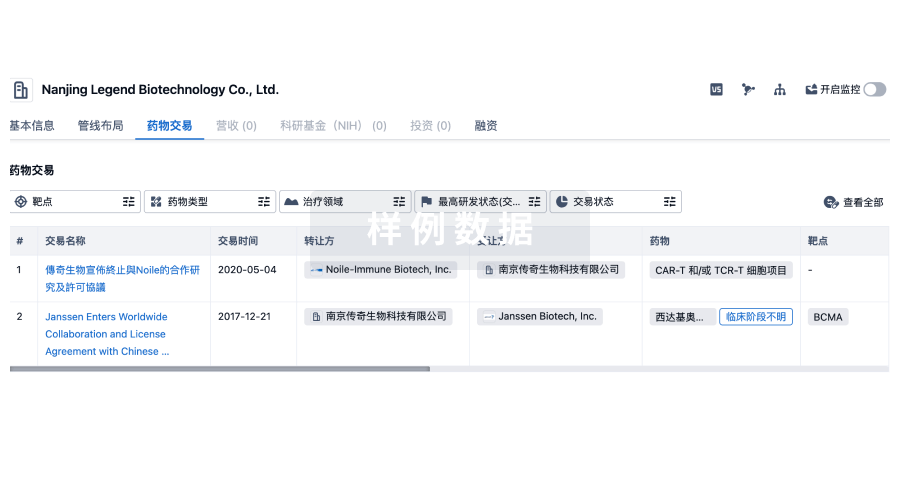
药物交易
使用我们的药物交易数据加速您的研究。
登录
或
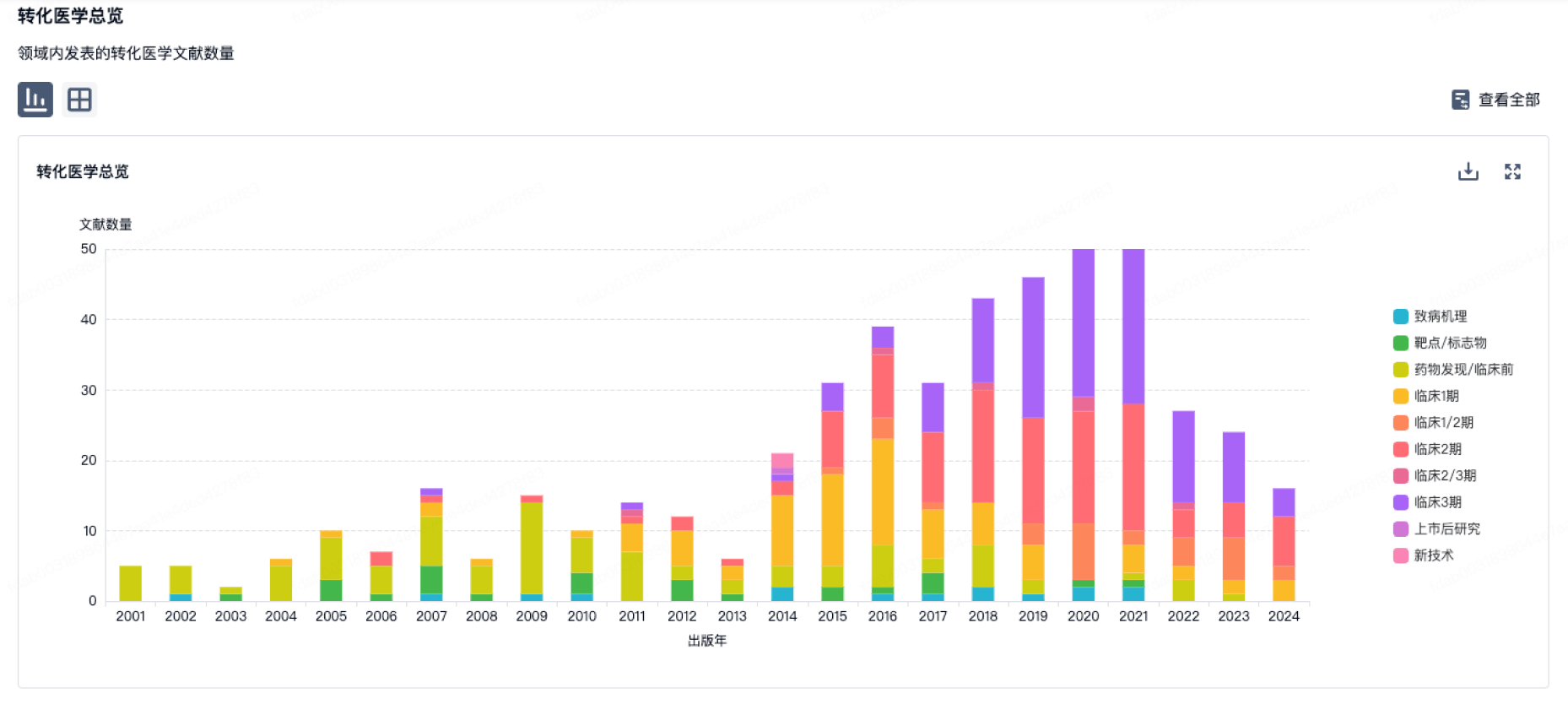
转化医学
使用我们的转化医学数据加速您的研究。
登录
或
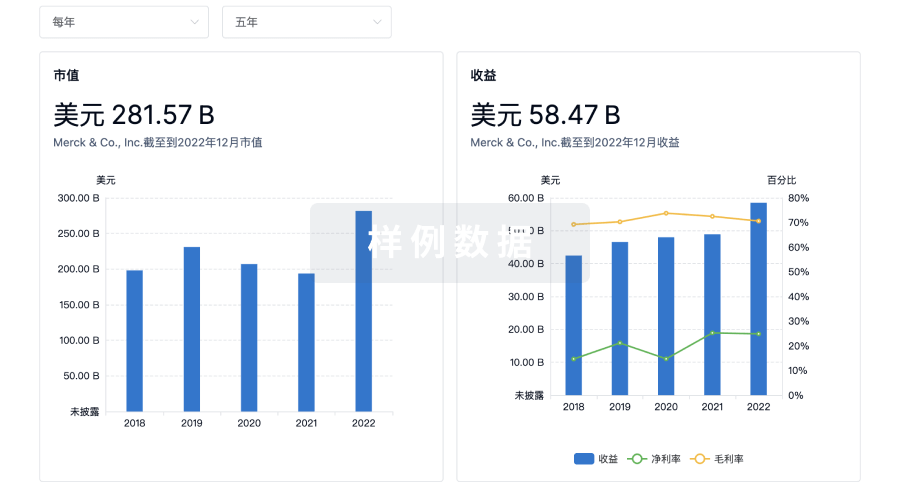
营收
使用 Synapse 探索超过 36 万个组织的财务状况。
登录
或
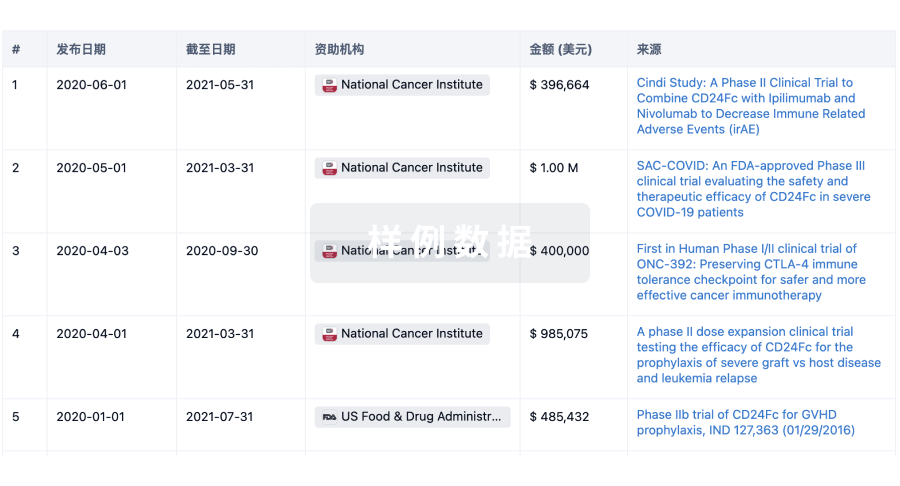
科研基金(NIH)
访问超过 200 万项资助和基金信息,以提升您的研究之旅。
登录
或
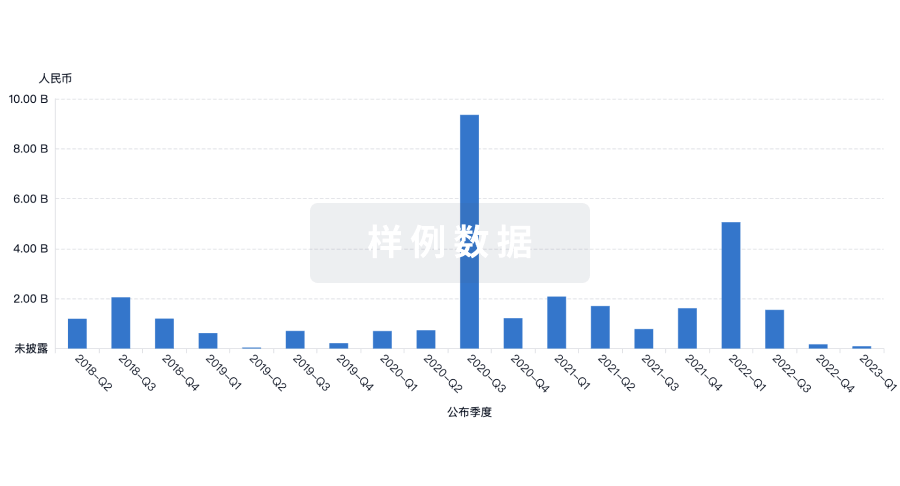
投资
深入了解从初创企业到成熟企业的最新公司投资动态。
登录
或
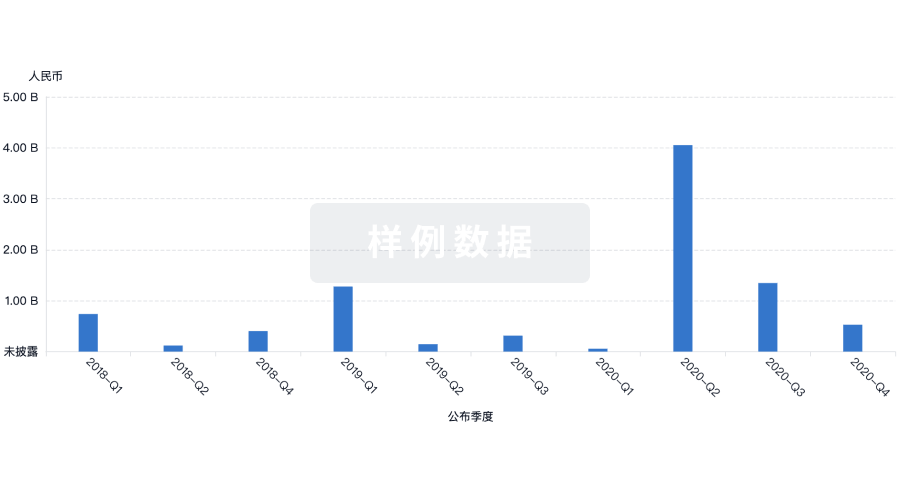
融资
发掘融资趋势以验证和推进您的投资机会。
登录
或
芽仔
全新生物医药AI Agent 覆盖科研全链路,让突破性发现快人一步
立即开始免费试用!
智慧芽新药情报库是智慧芽专为生命科学人士构建的基于AI的创新药情报平台,助您全方位提升您的研发与决策效率。
立即开始数据试用!
智慧芽新药库数据也通过智慧芽数据服务平台,以API或者数据包形式对外开放,助您更加充分利用智慧芽新药情报信息。
生物序列数据库
生物药研发创新
免费使用
化学结构数据库
小分子化药研发创新
免费使用