预约演示
更新于:2026-08-01
PBFT-02
更新于:2026-08-01
概要
基本信息
非在研机构- |
权益机构- |
最高研发阶段临床1/2期 |
首次获批日期- |
最高研发阶段(中国)- |
特殊审评- |

登录后查看时间轴
关联
1
项与 PBFT-02 相关的临床试验NCT04747431
A Phase 1b Open-Label, Multicenter, Dose-Escalation Study to Assess the Safety, Tolerability, and Pharmacodynamic Effects of a Single Dose of PBFT02 Delivered Into the ICM of Adults With FTD and Mutations in the GRN or C9ORF72 Genes
PBFT02 is a gene therapy for frontotemporal dementia intended to deliver a functional copy of the GRN gene to the brain. This study will assess the safety, tolerability and efficacy of this treatment in patients with frontotemporal dementia and mutations in the granulin precursor (GRN) or chromosome 9 open reading frame 72 (C9ORF72) genes
开始日期2021-09-14 |
申办/合作机构 |
100 项与 PBFT-02 相关的临床结果
登录后查看更多信息
100 项与 PBFT-02 相关的转化医学
登录后查看更多信息
100 项与 PBFT-02 相关的专利(医药)
登录后查看更多信息
1
项与 PBFT-02 相关的文献(医药)2025-12-01·Alzheimers & Dementia
Interim Safety and Biomarker Data From upliFT‐D Trial of PBFT02 in FTD with GRN Mutations
Article
作者: Ni, Yan G ; Santana, Isabel ; Takada, Leonel Tadao ; Irwin, David J. ; Chou, William ; Browne, Sue ; Triglia, Paulette ; Voss, Tiffini ; Ducharme, Simon ; Tartaglia, Carmela ; de Souza, Leonardo Cruz ; Schulz, Paul E
Abstract:
Background:
Approximately 25‐30% of frontotemporal dementia (FTD) is caused by autosomal dominant mutations, usually in one of three genes,
C9orf72
, GRN, or MAPT. There are currently no disease‐modifying treatments approved for FTD, including FTD‐GRN. PBFT02 is being developed as a disease‐modifying therapy for patients with FTD‐GRN and FTD‐
C9orf72
.
Methods:
PBFT02 is an AAV1 vector that delivers a copy of the human GRN gene directly to the CSF via a single intra‐cisterna magna (ICM) administration. PBFT02 is being studied in a first‐in‐human clinical trial, upliFT‐D (NCT04747431 [ClinicalTrials.gov]), which will sequentially enroll three FTD‐GRN cohorts and two FTD‐
C9orf72
cohorts. The primary objective is safety and tolerability; secondary objectives include biomarkers of target engagement (e.g., progranulin; PGRN), biological activity, and disease progression. The 2‐year trial will be followed by a 3‐year extension for safety and durability of effect.
Results:
As of December 2024, 7 participants received PBFT02 Dose 1 (3.3 E+10 genome copies/g brain weight, or 4.50 E+13 total genome copies), with an immunosuppressive regimen of oral prednisone 60mg for 30 days (N=1) or 1g IV methylprednisolone on study days 1‐3, followed by 60mg oral prednisone on days 4‐60 (N=6). PBFT02 increased CSF PGRN in all participants, from below 3 ng/mL at baseline to 13 – 27 ng/mL at six months (n=4) and 22 – 34 ng/mL at 12 months (n=2). Responses were stable and durable at 12 (N=2) and 18 months (N=1). In contrast, plasma PGRN remained below the mean healthy reference values in all participants to date. Plasma NfL levels were stable at 12 months (N=2) and demonstrated a reduced rate of change when compared to published natural history data. Two of 7 participants experienced a total of 3 SAEs, with 1 episode of hepatotoxicity and 2 episodes of asymptomatic venous sinus thrombosis. All remaining patients in cohort 2 will be treated with Dose 2, a 50% lower dose than Dose 1.Updated data will be included at the time of the presentation.
Conclusions:
Interim safety and biomarker data from the upliFT‐D trial provides early evidence that PBFT02 has potential as a one‐time therapy for FTD‐GRN, thus supporting further clinical development.
61
项与 PBFT-02 相关的新闻(医药)2026-07-31
·游褒禅山
2026年6月,海外创新药领域共发生79起投资事件,其中种子轮5起,A轮15起,B轮11起,C/D/E轮4起,IPO 3起,战略投资12起;并购事件19起;二级增发事件10起。
(不做海外新闻稿翻译工,观察融资事件中值得长期关注的公司,在此进行整理与研究。本期值得关注的有17家公司,分别是:
① TRIMTECH:开发只降解蛋白聚集体的新型E3泛素连接酶TRIM21,仍处于临床前早期验证阶段
② Nura bio:开发小分子 SARM1 抑制剂,治疗ALS,该靶点处于2期验证阶段
③ Ethyreal Bio:TSHR抗体治疗格雷夫斯病 (GD) 和甲状腺眼病 (TED),该靶点处于2期验证阶段
④ SonoThera:超声介导基因药物递送技术平台,预计27Q1开始DMD临床
⑤ City Therapeutics:前Alnylam CEO创业的小核酸公司
⑥ HMNC Brain Health:治疗难治性抑郁症的V1b受体拮抗剂,完成2期临床阶段
⑦ Triveni Bio:治疗AD的新靶点KLK5/7,预计26Q4迎来关键的2期数据读出
⑧ Lycia Therapeutics:溶酶体靶向嵌合体LYTAC胞外蛋白降解平台,目前处于临床前阶段
⑨ Kardigan:心血管明星创业团队再次创业,三大临床项目均针对目前尚无获批疗法的适应症
⑩ Parabilis Medicines:FIC的α-螺旋肽技术平台,实现多肽透膜以及抑制不可成药PPI
⑪ Emmecell:利用磁性细胞递送纳米颗粒平开发眼科细胞治疗技术
⑫ Remix Therapeutics:基于RNA剪接开发靶向MYB靶点的pre-mRNA的小分子
⑬ Apogee Therapeutics:做成熟靶点IL-13、IL-4Rα、OX40L和TSLP的长效化抗体+靶点组合
⑭ 4E Therapeutics:开发MNK抑制剂治疗慢性疼痛,该创新靶点处于临床1期
⑮ Firefly Bio:被强生10亿美金收购的DAC平台,靶向KRAS
⑯ Avenzo Therapeutics:开发CDK2、CDK4小分子抑制剂
⑰ Definium Therapeutics:迷幻药治疗焦虑、抑郁等,3期顶线数据已读出,结果优异
17家公司详细介绍如下:
1. TRIMTECH Therapeutics
【公司及融资情况】种子轮,4700万美元
TRIMTECH Therapeutics 是一家位于英国剑桥的生物技术初创公司,由剑桥大学 MRC 分子生物学实验室(LMB)和英国痴呆症研究所孵化。该公司的核心团队包括学术联合创始人、在 TRIM21 生物学领域拥有近二十年先驱性研究经验的 Leo James 博士与 William McEwan 博士。公司致力于通过选择性降解导致神经退行性疾病的异常蛋白质聚集体,开发CNS高渗透性的新型小分子疗法。
2025 年 3 月:完成 3100 万美元(2500 万英镑)的种子轮融资。由 Cambridge Innovation Capital (CIC) 和 SV Health Investors 旗下的痴呆症发现基金 (DDF) 领投,M Ventures、Pfizer Ventures、Cambridge Enterprise Ventures 等机构参投。
2026 年 6 月:宣布获得 1400 万美元的额外种子资金(获多家 MNC 追加投资),使该轮融资总额达到 4700 万美元。新注入的资金将主要用于推进其专有平台和差异化产品组合的开发。
【核心技术】新型E3连接酶蛋白质TRIM21
目前广泛用于第一代 PROTAC 的传统 E3 泛素连接酶(如 CRBN 或 VHL)在细胞内通常处于持续的活跃状态,能够以 1:1 的单体形式降解目标蛋白。
与它们截然不同,TRIM21 的 E3 连接酶活性在游离状态下是被自我抑制的。TRIM21 的激活高度依赖于 RING 结构域的空间交联与聚集。这意味着,只有当多个 TRIM21 分子同时结合在一个大型、多价的底物(如布满抗体的病毒表面,或大型蛋白质聚合物)上,导致彼此空间距离急剧拉近时,才会触发其泛素化活性。如果结合的是正常单体蛋白,则不会触发降解。这完美解决了传统 PROTAC 容易误伤健康蛋白的毒性问题。
专有降解剂:公司开发了高特异性的小分子双功能降解剂产品组合,命名为 TRIMTACs™ 和 TRIMGLUEs™。
公司的管线主要针对阿尔茨海默病、帕金森病、亨廷顿病和其他神经退行性疾病和炎症性疾病。
【笔记】
TRIM21是一种分布在细胞质中的高亲和力 Fc 受体,同时也是一种E3 泛素连接酶。在自然生理状态下,它是人体细胞内天然免疫系统的重要防线。
TRIM21 的蛋白质结构高度保守,主要由四个结构域组成:赋予其 E3 连接酶催化活性的 RING 结构域、参与自身调控的 B-box 结构域、负责二聚化的卷曲螺旋(Coiled-coil)结构域,以及能够特异性结合抗体 Fc 段的 PRY/SPRY 结构域。
当病毒或细菌等病原体被体液免疫产生的抗体包裹并侵入细胞内部时,TRIM21 的 PRY/SPRY 结构域会迅速识别并结合这些抗体。随后,TRIM21 会启动泛素化级联反应,为整个“病原体-抗体”复合物打上泛素标签,并将其送往蛋白酶体或通过自噬途径进行彻底降解,这一免疫过程被称为抗体依赖的细胞内中和作用。
2. Nura Bio
【公司及融资情况】B轮,7380万美元
Nura Bio 成立于2018年,总部位于加州南旧金山,由 The Column Group 联合科学创始人 Marc Freeman 博士与 Steve McKnight 博士共同孵化。公司的核心技术聚焦于轴突保护与神经免疫调节,旨在从根本上阻断导致轴突退化的途径,从而开发治疗中枢、外周和眼科神经系统疾病的改善性疗法。
2026年6月,B轮系列募集 7380 万美元。本轮由 The Column Group 领投,Euclidean Capital、Samsara BioCapital 以及 Sanofi Ventures 参投。资金主要用于推进 ALS 的 Phase 1b/2a 试验进程,并进一步验证其更广泛 SARM1 抑制剂管线的生物学机制。
【核心管线】新型口服小分子 SARM1 抑制剂
SARM1(Sterile alpha and TIR motif containing 1)作为神经退行性疾病领域最具潜力的靶点之一,近年来已经从学术界的生物学探索阶段,正式迈入了极具竞争的临床开发阶段。
SARM1 是驱动神经轴突瓦勒氏退变(Wallerian degeneration)的核心代谢传感器和执行者。它本质上是一种 NAD+ 水解酶,抑制 SARM1 可以从根本上阻断神经损伤后的“自毁程序”。
① NB-4746(核心管线):一款可逆的正构 SARM1 抑制剂。
研发进度:2023年8月在健康志愿者中启动 Phase 1 试验,结果显示了良好的安全性和靶点暴露量。2026年6月,针对肌萎缩侧索硬化症(ALS)的 Phase 1b/2a 期临床试验已完成首例患者给药。
临床设计:目前在加拿大和澳大利亚招募约80名 ALS 患者。第一阶段评估低/高剂量与安慰剂的对比,第二阶段评估所选剂量,并提供长达一年的开放标签扩展(OLE)治疗观察。
② NB-9402(下一代管线):一款首创(First-in-class)的口服、不可逆共价别构 SARM1 抑制剂,相比 NB-4746 具备明显的机制差异化。
研发进度:2026年近期已启动首次人体 Phase 1a 期临床给药,预计于2026年内完成健康志愿者阶段试验。
【笔记】
SARM1靶点的发现和开发历史:
Sironax (维泰瑞隆): SARM1小分子别构抑制剂。2026年 5 月,基于其在 Phase 1 健康志愿者中展现的良好安全性和血脑屏障穿透能力,该药物针对化疗引起的周围神经病变 (CIPN) 获得了 FDA 的 Fast Track 认定。目前正在澳大利亚等地推进 Phase 1b/2a 期临床。CIPN 被业界视为最清晰的临床概念验证(PoC)路径。因为神经损伤的触发因素是明确的(即化疗给药),用药时机可以与化疗暴露完美匹配,且目前没有获批的预防性疗法。Sironax 选择此路径能够快速验证机制。
礼来 (Eli Lilly): 作为大药企的代表,礼来在 2020 年以 1.35 亿美元首付款(外加最高 12.25 亿美元里程碑)收购了 SARM1 领域的先驱企业 Disarm Therapeutics
Tenvie Therapeutics: 2026 年 4 月刚刚宣布其别构 SARM1 抑制剂 TNV108 完成了 Phase 1 临床的首例健康受试者给药。
3. Ethyreal Bio
【公司及融资情况】A 轮,1亿美元
公司总部位于马萨诸塞州剑桥市,此前一直处于隐匿研发状态。2026 年 6 月,Ethyreal Bio 宣布完成 1.01 亿美元的 A 轮融资。本轮资金将主要用于推动先导项目 ETHY-001 向临床阶段的转化。
【核心管线】TSHR抗体
格雷夫斯病 (GD) 和甲状腺眼病 (TED) 具有相同的致病因素——针对甲状腺刺激激素受体 (TSHR) 的甲状腺刺激自身抗体 (TSAbs)。
核心项目 (ETHY-001):公司的先导单抗药物,适应症为 GD 和 TED,当前全球最高研发状态为临床前阶段。2026 年 6 月,公司在内分泌学会 2026 年年会(ENDO 2026)上公布了首个临床前数据,证明其能跨越所有测试的患者血清样本,实现一致且完全的 TSHR 信号阻断。预计将于 2026 年下半年推进 ETHY-001 进入首次人体(First-in-human)临床试验。
【笔记】
靶点机制与生物学原理
促甲状腺激素受体(TSHR)是一种 G 蛋白偶联受体(GPCR),主要表达于甲状腺滤泡细胞,但也异常表达于眼眶成纤维细胞(Orbital fibroblasts, OFs)及脂肪细胞中。
在格雷夫斯病(Graves' disease, GD)及其眼部并发症甲状腺眼病(Thyroid Eye Disease, TED)中,患者体内会产生致病性的促甲状腺激素受体刺激性抗体(TSAbs)。TSAbs 异常激活 TSHR 会导致双重后果:在甲状腺引起激素过度分泌(甲亢);在眼眶内刺激成纤维细胞增殖、分化为脂肪细胞,并大量分泌透明质酸(HA)和促炎细胞因子(如 IL-6),进而导致眼球突出、复视和组织水肿。
受体串扰(Crosstalk)机制:现代结构生物学与细胞研究揭示,眼眶成纤维细胞上的 TSHR 会与胰岛素样生长因子-1受体(IGF-1R)在细胞膜表面形成物理与功能复合体。致病抗体对 TSHR 的激活,不仅触发 TSHR 自身的信号通路,还会协同放大 IGF-1R 下游的炎症与组织重塑信号。
靶点开发历史演变
早期阶段(对症与免疫抑制):在过去数十年中,TED 的临床治疗手段极其有限,主要依赖大剂量糖皮质激素控制炎症,晚期不可逆阶段则需要进行高风险的眼眶减压手术,长期缺乏针对底层致病机制的药物。
第一代靶向时代(下游 IGF-1R 阻断):基于 TSHR/IGF-1R 串扰机制,研发资金率先涌入了开发壁垒相对较低的 IGF-1R 靶点。2020 年,靶向 IGF-1R 的单抗 Teprotumumab(Tepezza)获美国 FDA 批准,首次证明了干预该通路可以实现疾病修饰,彻底改变了 TED 的治疗格局。随后,口服 IGF-1R 小分子抑制剂(如 Linsitinib,近期公布 Phase 2b/3 积极数据)也迅速推进。
新一代前沿方向(上游 TSHR 直接拮抗):尽管 IGF-1R 抑制剂取得了巨大的商业成功,但其作为“下游”靶点,存在听力损伤风险,且无法治疗 GD 的全身性甲状腺功能异常。研发重心目前正向更源头的 TSHR 靶点转移。直接拮抗 TSHR 具有“一石二鸟”的潜力:既能阻断 IGF-1R 依赖与非依赖的两条致病通路治疗 TED,又能直接解决 GD 的系统性甲亢问题。
竞争格局与代表管线
Teprotumumab (anti-IGF-1R)上市第3年,年销售额便接近20亿美元,证明格雷夫斯病市场大有可为。从病理机制来看,TSHR比IGF-1R更关键,毕竟TSHR激动性自身抗体是病因,而IGF-1R只能算cross-talk。Anti-IGF-1R单抗解决了TED的问题,靶向TSHR的药物则有可能解决TED和甲状腺功能亢进两方面的问题。从ETHY-001的体外实验数据来看,anti-TSHR能够同时抑制透明质酸和IL-6的分泌,而anti-IGF-1R只能抑制透明质酸的分泌。市场空间大,靶点确定性高,资本疯狂涌入。格雷夫斯病市场非常依赖美国,Tepezza的定价高达$14,900/瓶(500 mg),患者第1次注射剂量为10 mg/kg,往后7次注射剂量为20 mg/kg。信达的替妥尤单抗N01纳入医保前约1.5万元/瓶,被医保砍至5966元/瓶,价格只有美国的6%。
4. SonoThera
【公司及融资情况】B轮,1.25亿美元
SonoThera 总部位于加州南旧金山,由前强生 (J&J) 细胞与基因治疗外部创新负责人 Kenneth Greenberg 博士等人于2021年联合创立,是一家专注于下一代非病毒基因药物的生物技术公司
2026年6月10日宣布完成 1.25 亿美元的超额认购 B 轮融资。该轮融资由 Vida Ventures 领投,UCB、Bayer、Otsuka 和强生 (J&J) 的风险投资部门跟投,资金将主要用于推进 DMD 和 ADPKD 核心管线迈入临床阶段。
【核心技术】超声介导基因药物递送
SonoThera 旨在解决当前基因治疗中载体容量受限和重复给药引起的免疫毒性问题,其技术底座主要由两大平台构成:
SonoThera 技术的底层物理机制依赖于超声波与微泡(Microbubbles)的相互作用:
联合注射:将基因载荷(如纯化的 DNA/RNA 质粒)与临床批准的造影微泡混合后,通过静脉进行全身给药。
靶向声学激活:使用专用的超声探头对准目标器官或组织(如骨骼肌、肾脏或心脏)。
瞬时空化与穿透:在特定频率的超声场作用下,微泡在目标组织的微血管内发生膨胀和剧烈震荡(即空化效应,Cavitation)。这会在血管内皮细胞及周围靶细胞的细胞膜上产生瞬时、可逆的微孔。
有效载荷进入:血液循环中的基因药物顺浓度梯度通过这些微孔进入靶细胞的细胞质或细胞核,随后细胞膜在几秒至几分钟内自然修复,完成药物递送。
【核心管线】
杜氏肌营养不良症 (DMD) 及肢带型肌营养不良症 (LGMD): 核心管线。在小鼠和非人灵长类 (NHP) 模型中,成功实现了全长抗肌萎缩蛋白 (full-length dystrophin) 向骨骼肌、心肌和膈肌的靶向递送。预计将于 2027 年初启动首次人体一期临床试验。
肾脏系统疾病:针对 X连锁奥尔波特综合征 (XLAS) 与常染色体显性多囊肾病 (ADPKD),验证了非病毒载体表达 COL4a5 的疗效。
血友病 A (Hemophilia A): 临床前数据证实,其平台可无创递送超大尺寸的游离因子 VIII,且支持可滴定与可重复给药。
5. City Therapeutics
【公司及融资情况】B轮,1.25亿美元
2024年初在马萨诸塞州剑桥市正式成立。由主导了全球前五款 RNAi 药物上市的前 Alnylam(全球 RNAi 疗法领军企业)创始 CEO John Maraganore 博士、ARCH Venture Partners 的 Robert Nelsen 以及 Sebastian Trousil 等人联合创立
2024年10月,完成 1.35 亿美元的 A 轮融资。该轮由 ARCH Venture Partners 领投,Fidelity、Regeneron Ventures、Invus 和 Rock Springs Capital 等明星机构跟投。在 A 轮后不到两年,公司再次完成近 1 亿美元的 B 轮融资,新引入了 Viking Global Investors、Sofinnova Investments、Casdin Capital 和 NYBC Ventures 等资方。在管线进展上,其针对血栓栓塞性疾病的靶向凝血因子 XI (Factor XI) 候选药物 (CITY-FXI) 正式进入一期临床,同时针对斯塔加特病 (Stargardt disease) 的眼科管线也已接近 IND 申报阶段。
【核心管线】
1)核心首发管线:CITY-FXI (靶向 Factor XI)
在血栓防治领域,现有的抗凝血药物(如 DOACs)在有效降低血栓风险的同时,往往伴随着较高的出血风险,导致大量患者依从性差或被迫停药。
机制与差异化 (MoA): Factor XI 是一种在病理性血栓形成中起关键作用,但对正常生理性止血作用较小的凝血因子。通过 RNAi 沉默肝脏中的 FXI 表达,CITY-FXI 旨在实现“抗凝而不增加出血风险”的理想临床收益。
给药优势:基于临床前数据展示出的超长药效持续时间,该药物有望实现每年仅需两次的皮下注射,这在商业化层面将极大颠覆需要每日口服的传统抗凝药市场。
竞争格局: 目前 FXI 是下一代抗凝药的“兵家必争之地”,竞争性技术路线包括ASO、单抗和小分子抑制剂。CITY-FXI 需要在临床一期中证明其在安全性与给药频次上优于同靶点的其他模态药物。
2) 眼科管线:CITY-RBP4 (靶向 RBP-4)
机制与差异化 (MoA): 斯塔加特病 (Stargardt disease) 是一种无药可医的遗传性青少年黄斑变性;而地图状萎缩 (GA) 则是严重影响老年人的视力杀手。这两者的病理过程中,RBP4 蛋白都扮演了关键角色——它负责将维生素 A 运输到眼部,进而导致视网膜中积累有毒的类视黄醇。CITY-RBP4 巧妙地通过抑制肝脏中 RBP4 的表达,从源头切断向眼部的维生素 A 输送,从而延缓视网膜病变。
临床预期: 该管线计划于 2026 年内进入首次人体临床试验。在商业层面,公司同样预期该疗法能达到每年两次皮下注射的给药频率,这对眼科疾病患者具有极高的依从性吸引力。
【笔记】出生即顶着明星光环的一家公司,没看出来技术平台有什么创新啊...
6. HMNC Brain Health
【公司及融资情况】B轮,5000万美元
HMNC Brain Health 成立于 2010 年,由著名企业家 Carsten Maschmeyer 和精神病学界的泰斗级人物 Florian Holsboer 教授共同创立。Florian Holsboer 教授曾担任德国马普精神病学研究所所长长达 25 年,是全球抑郁症研究领域被引用次数最多的科学家之一。
【核心管线】
1)血管加压素 V1B 受体拮抗剂
Nelivabon管线 (针对 HPA 轴失调):2023 年 6 月,公司宣布在欧洲启动了一项名为“Olive”的 Phase 2 期临床试验,入组了 300 多名重度抑郁症 (MDD) 患者。该管线的核心药物 BH-200 是一款血管加压素 V1b 受体拮抗剂。该试验最重大的创新在于,它同步测试了 V1b 多基因评分系统,旨在筛选出约占 30% 人口比例、具有特定基因图谱的患者,使他们能从该疗法中获得最大临床获益。
试验概况: 这是迄今为止全球规模最大的评估V1b 受体拮抗剂治疗抑郁症的精准精神病学试验(涉及 338 名 MDD 门诊患者)。
疗效突破: 试验成功达到了预期终点。在由基因定义的患者亚组(占患者总数的 27%)中,BH-200 展现了比安慰剂更强、更早的临床响应:HAM-D17(汉密尔顿抑郁量表)得分较安慰剂显著下降 4.47 分(p = 0.005),MADRS 得分下降 5.95 分(p = 0.002)。
安全性: BH-200 总体安全且耐受性良好,治疗组未报告严重的药物不良事件 [cite: 1.1.8]。该试验不仅验证了药物本身的疗效,更从概念上成功跑通了“生物标志物引导的精准抑郁症治疗”这一闭环。
2)Ketabon管线 (口服缓释氯胺酮)
其针对难治性抑郁症 (TRD) 的核心资产 KET01 (一种创新的口服缓释氯胺酮) 也在该阶段成功完成了 Phase 2 试验。该配方设计成功规避了传统静脉注射氯胺酮所带来的解离性副作用(如致幻、血压升高等),显著提高了患者的耐受性和用药便利性。
7. Triveni Bio
【公司及融资情况】C轮,6500万美元
Triveni Bio 是一家处于临床阶段的生物技术公司,总部位于美国马萨诸塞州。该公司致力于通过“基于基因的精准医疗(Genetics-informed precision medicine)”方法,开发针对免疫和炎症疾病(I&I)的功能性抗体药物。
【核心管线】
1)TRIV-509(KLK5/7 单抗)
TRIV-509 是一款半衰期延长的首创单抗,通过特异性抑制激肽释放酶 5 和 7(KLK5/7),同时解决特应性皮炎(AD)的皮肤屏障功能障碍、炎症和瘙痒三大核心病理。 临床前阶段:在多项特应性皮炎临床前模型中,TRIV-509 展现出了优于标准疗法IL-4R 抑制剂(如度普利尤单抗)的疗效。 2025年5月:正式进入临床阶段,完成了针对健康志愿者的Phase 1 期临床首例受试者给药。 2025年9月:启动针对中重度特应性皮炎的全球 Phase 2 期概念验证临床试验,并完成首例患者给药。在 2025 年 EADV(欧洲皮肤病学与性病学会)年会上,Triveni 公布了基于 AD 患者皮肤外植体的转化医学数据:TRIV-509 在 72 小时内能快速恢复屏障完整性,减少 80% 的基底角质形成细胞过度增殖,并下调多条促炎细胞因子通路。其临床前模型显示出优于 IL-4R 抑制剂的疗效。目前正在进行的 Phase 2 概念验证试验是该靶点在人类患者中的首次大规模疗效检验:2026年进展:该Phase 2 期临床试验已顺利完成入组,预计将在 2026 年第四季度迎来关键的数据读出,这也是该靶向机制在人类患者中的首次疗效验证
2)TRIV-573(下一代双抗:KLK5/7 + IL-13)
TRIV-573 是在TRIV-509 基础上开发的第二代、半衰期延长的双特异性抗体。它将新颖的 KLK5/7 抑制机制与已经被临床广泛验证的抗 IL-13 机制结合,旨在进一步打破现有生物制剂的疗效天花板。
【笔记】
传统的 AD 治疗(如度普利尤单抗)主要通过阻断 IL-4/IL-13 抑制下游炎症,但无法直接修复已经受损的皮肤屏障,这被认为是多达三分之二的患者对现有疗法响应不佳或遭遇疗效天花板的原因。
靶向 KLK5/7 的核心逻辑在于:它能同时解决 AD 病理的三大支柱——屏障功能障碍、炎症和瘙痒,实现真正的“源头阻断”与屏障修复。KLK5/7 是一个“机制极其性感,但仍处于临床验证前夜”的赛道。整个赛道的风向标,将高度依赖 Triveni Bio 的 TRIV-509 在 2026 年底的二期概念验证数据。
除了 Triveni 猛攻受众广泛的特应性皮炎(AD)外,其他也有一些公司倾向于从一种由基因突变直接导致 KLK 失控的罕见病——内瑟顿综合征(Netherton Syndrome, NS) 作为切入点,以求获得更高的概念验证(PoC)确定性。不同于 AD 这种发病机制极其复杂的疾病,内瑟顿综合征(NS)的发病机制非常明确:患者因为SPINK5基因突变,导致体内缺乏一种名为 LEKTI 的天然蛋白酶抑制剂。LEKTI 的缺失会导致 KLK5 和 KLK7 活性完全失控,进而引发严重的皮肤脱屑、炎症和过敏。
8. Lycia Therapeutics
【公司及融资情况】D轮,7500万美元
2019年,由 2022 年诺贝尔化学奖得主、斯坦福大学教授 Carolyn Bertozzi 联合创立,其底层技术直接源自 Bertozzi 实验室在 LYTAC 领域的突破性发现,并由顶级医疗风投 Versant Ventures 在内部孵化
2020年6月,公司正式走出隐匿期,宣布完成 5000 万美元的 A 轮融资,由创始投资方 Versant Ventures 独家投资,资金用于建立和验证 LYTAC 平台。
2021年8月,Lycia 与礼来达成一项总额超 16 亿美元的重磅研发与商业化授权协议。礼来支付 3500 万美元首付款,利用 Lycia 的 LYTAC 平台针对免疫和疼痛领域的最多 5 个靶点开发新型降解剂。
2021年9月,在与礼来达成合作的数周后,完成超额认购的 1.05 亿美元 B 轮融资。由 RTW Investments、Redmile Group 等领投,礼来和 Versant 跟投,资金用于扩展技术平台并推进管线向临床前阶段发展。
2024年4月,完成 1.066 亿美元 C 轮融资,由 Venrock Healthcare Capital Partners 领投。此轮融资的核心目标是将 Lycia 的首批针对自身免疫和炎症疾病的管线资产正式推向首次人体(FIH)临床试验。
2026年6月,宣布完成超额认购的 7500 万美元 D 轮融资,用于进一步加速临床试验推进。同时任命具有丰富资本市场经验的 Amy Bachrodt 为新任 CFO,标志着公司进入临床开发和潜在资本化的新阶段。
【核心技术】溶酶体靶向嵌合体LYTAC
与依赖泛素-蛋白酶体系统(UPS)去降解细胞内蛋白的传统 PROTAC 技术不同,Lycia 针对的是占据人类蛋白质组近 40% 的细胞外和膜结合靶点。
LYTAC(溶酶体靶向嵌合体):这是一种双功能分子,一端结合致病的细胞外或膜蛋白,另一端结合细胞表面的内化受体。它利用细胞天然的内体-溶酶体途径,将靶蛋白拖入细胞内的溶酶体进行降解。LYTAC降解剂的靶标结合剂可以是小分子、肽、蛋白质或抗体,具体取决于哪种分子最能与靶标结合并减少脱靶相互作用
CataLYTAC™ 技术: 这是 Lycia 针对高浓度或高重组率靶点开发的迭代技术。该分子在将靶蛋白送入溶酶体后,自身可以返回细胞表面进行催化式循环,单个分子可连续降解多个致病蛋白拷贝。CataLYTAC降解酶对浓度高或合成速率快的靶蛋白尤其有效。
【核心管线】
LCA-0061
LCA-0061是一种CataLYTAC ™降解剂,其设计目的是结合并清除高浓度的 IgE,从而预防严重的过敏反应,希望将其作为治疗 IgE 介导的食物过敏以及其他过敏性和免疫介导性疾病(例如过敏性哮喘和慢性自发性荨麻疹)的潜在疗法。在非人灵长类动物中进行的临床前数据显示,单次注射LCA-0061可快速、持久且几乎完全地清除总IgE和游离IgE。这一结果与IgE阻断疗法(例如奥马珠单抗(Xolair®))形成鲜明对比,后者可能仅能稳定而非降低总IgE水平,并且对游离IgE的影响也只是短暂的。目前,Xolair®仅适用于部分IgE水平较高的患者。
LCA-0321
LCA-0321旨在特异性结合并快速清除致病性促甲状腺激素受体(TSHR)自身抗体,这些抗体攻击甲状腺并阻止甲状腺激素过度生成,且不会引起全身免疫抑制,以期将其作为治疗格雷夫斯病及其甲状腺外表现(包括甲状腺眼病)的潜在疗法。
【笔记】除了LYTAC,还有各种五花八门的胞外蛋白降解方式,感兴趣的可以读下2026年4月发表于《Nature Reviews Drug Discovery》的综述,聚焦基于抗体的胞外靶向蛋白降解剂(extracellular targeted protein degraders)的临床进展。
9. Kardigan
【公司及融资情况】IPO,4亿美元
Kardigan由打造出 131 亿美元 "心血管神药" 的 MyoKardia 核心团队创立,自诞生起就备受资本追捧。Kardigan 的核心竞争力,首先来自其 "全明星" 创始团队。公司由 Tassos Gianakakos 担任 CEO,他曾执掌 MyoKardia 七年,带领公司开发出全球首个心肌肌球蛋白抑制剂 mavacamten(商品名 Camzyos)。2020 年,百时美施贵宝(BMS)以131 亿美元全现金收购 MyoKardia,创下当时心血管领域最大并购纪录。Camzyos 于 2022 年获批上市,用于治疗梗阻性肥厚型心肌病(oHCM),2025 年销售额突破10.68 亿美元,正式迈入 "重磅炸弹" 行列,同比增长 77%。这一成功验证了团队在心肌肌球蛋白调控领域的深厚积累。除 Gianakakos 外,MyoKardia 的另外两位核心成员 —— 首席医学官 Jay Edelberg 博士和首席科学官 Bob McDowell 博士也共同创立了 Kardigan。三人组的再度联手,让资本市场对这家新公司寄予厚望。
【核心管线】
1) Tonlamarsen :血管紧张素原靶向疗法
机制: 一种高选择性疗法,旨在从源头阻断血管紧张素系统过度激活引发的恶性循环。
目标适应症:急性重度高血压 (ASH),即血压突然极度升高,伴随潜在或进行性的靶器官损伤(如中风、心衰或肾衰)。
进展: 在 2026 年 3 月的 ACC 年会上发布了积极的 Phase 2 数据。目前正在推进相关的后续临床开发。
临床价值: 旨在快速、安全地控制极端血压,降低严重并发症风险。2)Danicamtiv (心脏肌球蛋白激活剂)
机制: 一种口服的心脏肌球蛋白(心肌收缩的核心蛋白)激活剂。它能延长心脏收缩期,增加每搏输出量,而不显著增加心肌耗氧量或心率。
目标适应症:遗传性扩张型心肌病 (DCM)。这是一种由于基因突变导致心肌变薄变弱,心脏无法有效泵血的严重疾病。
进展: 处于临床2期阶段。
临床价值: 从源头改善心脏的收缩功能,旨在恢复心脏的整体泵血能力,改善患者的预后。3)Ataciguat (可溶性鸟苷酸环化酶激活剂)
机制: 每日一次口服的小分子药物,能够激活一氧化氮受体 sGC,从而促进血管舒张,并在病理状态下发挥抗炎和抗纤维化作用。
目标适应症:钙化性主动脉瓣狭窄 (CAVS)。目前 CAVS 只能通过“观察等待”,直到病情恶化至需要进行主动脉瓣置换手术。
进展: 处于临床2期阶段。
临床价值: Kardigan 希望 Ataciguat 能成为首个获批用于延缓或阻止 CAVS 疾病进展的药物,从而推迟或避免患者进行换瓣手术。
10. Parabilis Medicines
【公司及融资情况】IPO,6.7 亿美元(规模最大的biotech IPO)
Parabilis Medicines(前身为 Fog Pharmaceuticals)成立于 2015 年,哈佛大学化学与化学生物学系教授 Gregory Verdine 创立了 FogPharma。Verdine 教授团队在 2000 年代初便在《JACS》上发表了关于全碳氢交联系统(all-hydrocarbon stapling system)的突破性研究。公司于 2016 年正式投入运营,早期以极度精益的模式跑通了核心的螺旋稳定化学与高通量文库筛选技术。
公司现任董事长兼CEO Mathai Mammen博士曾担任强生全球研发总负责人及执行委员会成员。在强生期间,他领导着全球最庞大的医药研发组织之一,主导了多达9款重磅药物的全球获批上市。
2026 年 1 月,宣布完成 3.05 亿美元的 Series F 轮融资,由 RA Capital、Fidelity 和 Janus Henderson 领投,估值较前一轮显著提升。同时期,公司与再生元(Regeneron)达成了总额潜在高达 23 亿美元的战略研究合作,共同开发新型“抗体-Helicon 偶联物”(AHCs)。
【核心技术】
公司独创的 Helicon™ 多肽平台基于“订书肽”(Stapled Peptides)底层机制,将短肽稳定在 α-螺旋构象中。这一新分子实体兼具了抗体级别的宽广靶点接触面积与小分子的细胞膜穿透性,从而突破了传统成药边界。
自然界中,蛋白质之间相互识别和结合最常见的结构基序是 α-螺旋。α-螺旋天然同时具备两种重要生物学能力:自然界广泛利用 α-螺旋作为跨膜结构;自然界广泛利用 α-螺旋作为蛋白识别结构。
因此,Helicon 兼具:膜穿透潜力,大面积蛋白结合能力,其关键机制在于 α-螺旋内部氢键能够天然“隐藏(cloak)”主链酰胺极性,从而降低整体暴露极性,使分子即使带有大量酰胺键和电荷,依然能够进入脂质膜。相比传统 CPP(cell penetrating peptides),Helicon:不依赖阳离子穿膜,不需要脂肪链修饰,不明显破坏细胞膜,安全性和类药性更好。
Parabilis 使用以下化学工程手段:
非天然氨基酸引入:在设计肽链时,精准地在特定位置替换入带有烯烃(olefin)侧链的非天然氨基酸。
全碳氢交联反应(All-Hydrocarbon Stapling):利用钌催化的闭环复分解反应(Ring-Closing Metathesis, RCM),将这两个非天然氨基酸的侧链共价连接起来,形成一个坚固的全碳氢“桥梁”(即所谓的“订书钉”)。
强制构象锁定:这枚“订书钉”如同钢筋一般,强行将肽链锁定在完美的 α-螺旋三维构象中。
这种结构的重塑带来了显著的理化特性飞跃:
极高的靶点亲和力与特异性:完美匹配靶标蛋白的结合面。
卓越的细胞穿透性:α-螺旋构象将肽链骨架上极性的酰胺键“隐藏”在螺旋内部,而疏水性的碳氢交联桥则暴露在外。这种整体疏水性的增加,使其能够像小分子一样高效穿透细胞膜。
极强的体内稳定性:刚性的交联结构使得体内的蛋白酶无法识别和切割肽链,半衰期大幅延长。
【核心管线】抑制β-catenin:TCF的PPI
临床核心资产 FOG-001 (zolucatetide):这是全球首个且唯一一个直接抑制 β-catenin 与 TCF 家族转录因子相互作用的临床阶段药物。Wnt/β-catenin 通路在超过 20% 的所有癌症中异常激活,长期难以成药。目前,该管线正从一/二期概念验证向针对硬纤维瘤(desmoid tumors)等罕见靶点及更广泛实体瘤(如结直肠癌)的关键性三期临床迈进。
早期发现与降解剂管线 (Degraders):Parabilis 正将 Helicon 平台横向拓展至靶向蛋白降解领域。其临床前管线包括 β-catenin 降解剂、针对前列腺癌的 ERG 降解剂,以及结合非配体常规突变位点的雄激素受体(AR)降解剂。
【笔记】非常值得关注的一家公司,真正的FIC技术平台,既能实现大分子透膜,又能突破不可成药PPI,成为了美股biptech 最大的IPO融资记录。
11. Emmecell
【公司及融资情况】战略投资
Emmecell是一家位于美国加州门洛帕克的临床阶段生物技术公司,其核心竞争力在于通过专有的递送技术解决传统细胞疗法中细胞定植率低、易流失的核心痛点。
【核心技术】Magnetic Cell Delivery (MCD)
再生医学在眼科领域的一个主要技术瓶颈是:如何将供体细胞精准、高浓度地递送并保留在靶组织上,从而实现与宿主组织的有效整合。Emmecell 的专有平台Magnetic Cell Delivery (MCD) 采用纳米颗粒技术来解决这一问题。该技术将磁性纳米颗粒与治疗性细胞结合,在注射入眼后,利用外部磁场将细胞有效、精准地引导并“锚定”在靶组织(如后部角膜)上。这种机制不仅提高了细胞的局部滞留率和整合度,还规避了复杂外科手术带来的组织损伤风险。
【核心管线】
其首发管线 EO2002 是一种针对角膜水肿(Corneal Edema)的非手术细胞注射疗法。目前晚期角膜水肿的唯一有效治疗手段是角膜移植手术(如内皮角膜移植术),这类手术技术门槛高、供体受限且伴随长期排异和并发症风险。EO2002 旨在通过 MCD 平台直接移植专有的角膜内皮细胞,替代传统手术。
Emmecell 于2024年11月公布了 EO2002 的 Phase 1 扩展临床试验的顶线数据(Top-line results),结果显示出显著的临床获益。
12. Remix Therapeutics
【公司及融资情况】SPAC上市反向收购上市与 1 亿美元 PIPE
2018年,由多位资深新药研发领军人物(包括 Peter Smith, Ph.D. 及 Kevin Bitterman, Ph.D.)共同创立,并获得了 Atlas Venture、The Column Group 等机构的 1600 万美元种子轮融资。
2026年6月,与基因疗法上市公司 Passage Bio (Nasdaq: PASG) 达成全股票合并协议,进行反向收购上市。交易完成后的主体改名为 Remix Therapeutics 并将以代码 RMTX 在纳斯达克交易;同期由德诚资本(Decheng Capital)领投完成了一笔超额认购的 1 亿美元 PIPE 融资,资金储备可支持公司推进注册性临床直至 2028 年。
【核心管线】靶向MYB
REM-422是一种强效的、选择性的口服小分子mRNA降解剂,将“毒外显子”(包含提前终止密码子)纳入 MYB 前pre-mRNA 转录物中,激活无义介导的衰减途径并促进 MYB mRNA 的降解,从而在MYB依赖性人类肿瘤模型中发挥抗肿瘤活性,机制如下图。
MYB是一种不可成药的转录因子,是多种实体瘤和血液系统恶性肿瘤(如腺样囊性癌(ACC)和急性髓系白血病(AML))的致癌驱动因子。ACC具有极高的 MYB-NFIB 融合或突变比例,临床上一直缺乏标准有效的靶向治疗或响应率超过 15% 的疗法。根据 ASCO 公布的 Phase 1/2(ARIA-1 研究) 临床数据,REM-422 展现了突破性的积极结果,在推荐 II 期剂量(RP2D)、生物标志物阳性患者队列中,经 RECIST 标准评估的 ORR 达到 43%(3/7),相比以往传统 TKI 药物在 ACC 中低于 10% 的ORR,43% 的缓解率是该病种领域的显著突破。且耐受性良好,无 DLT。
目前,2期临床研究正在进行中,已经入组约60%,预计在26年H2全部纳入。公司会寻求监管机构基于Ph2单臂研究批准复发性、转移性或不可切除ACC。
【笔记】REM-422 的积极数据不仅是 Remix 自身的成功,更是转录后 RNA 小分子剪接降解赛道在肿瘤领域的首次关键性成药验证。
12. Apogee Therapeutics
【公司及融资情况】并购,109亿美元
Apogee是 2022 年底从抗体发现与技术平台 Paragon Therapeutics 孵化分拆而来。Paragon 为知名自免基金 Fairmount 支持的研发“加速器”平台。Paragon 负责在早期利用成熟技术进行抗体分子发现和工程改造,完成初步验证后,将其通过 license/spinout 赋予特定独立管理的资产公司——Apogee 正是依托 Paragon 的抗体工程技术孵化出的首批明星企业之一。
公司注册成立仅数月,便在 2022 年 12 月完成了高达 1.49 亿美元的 Series B 轮融资(RTW Investments 领投)。成立不到 1 年,Apogee 于 2023 年 7 月在纳斯达克成功通过 IPO 募资超过 3 亿美元。依靠极强的数据支撑,公司在 2024 年初快速完成逾 4.2 亿美元的增发股票融资(Deep Track Capital, RTW 等认购)。
2026年6月20日,艾伯维宣布以每股135.11美元现金收购Apogee,总股权价值高达约109亿美元,以补充其免疫学组合。
【核心管线】
核心竞争策略:Validated Biology + 长半衰期 / 组合策略。
做成熟度极高的 IL-13、IL-4Rα、OX40L、TSLP。通过其母体 Paragon 平台赋予的工程改造能力,将其改造成为“一年可能只需扎针 2~4 次”(目前标准治疗一般在一年 26 次)的长半衰期生物制剂。
核心管线APG777:通过 Fc 工程延长半衰期,在人体内的临床半衰期达约 77 天。在 2026 年报出的 APEX Phase 2 Part A(特应性皮炎,AD)长线数据中,已经充分证明了其支持 每 3 个月(Q3M)或每 6 个月(Q6M) 维持给药方案的可行性和优异疗效;既减少了患者每两周必须扎针的注射负担,也因稳定的全期高浓度表现带来了更高的 EASI-75/90 深度维持响应率。
【笔记】
Paragon Labs成立于 2021 年,是由Fairmount Funds Management 领衔联合创建并深度注资的独立抗体发现平台。Paragon 不去基础生物学界盲盒踩雷,而是死死瞄准像 IL-13、IL-4Rα、TL1A、OX40L、IL-23 这些已经被成熟药企百亿美金大单品验明正身的顶级靶点。
迄今为止,Paragon的技术和资产已经成为8家传统合作伙伴公司的基础(下图是其中的6家)。它们的差异化武器依然高度统一:采用 Paragon 的 YTE / Fc 优化与长效皮下给药工程,极大延伸给药间隔,并在单靶点跑通的基础上主推不同通路的联用组合。
14. 4E Therapeutics
【公司及融资情况】礼来并购,金额未披露
公司主要科学创始人 Theodore (Ted) Price 博士(德克萨斯大学达拉斯分校 UT Dallas 讲席教授兼高级疼痛研究中心主任)长期致力于痛觉外周感觉神经元(Nociceptors)敏感化的分子机理。其实验室团队发现 MNK-eIF4E 磷酸化信号通路是神经元局部蛋白质合成和致痛神经可塑性的核心中枢节点。这一基础科研成果最终成为创立 4E Therapeutics 研发平台的底层逻辑。
6月16日,4E Therapeutics宣布已被礼来收购,交易条款尚未披露,这是礼来今年公开的第十一笔并购交易。
【核心管线】小分子 MNK 激酶抑制剂
4E Therapeutics正在开发一系列口服MNK抑制剂,通过靶向外周感觉神经元中的MNK-eIF4E信号通路治疗慢性疼痛。该机制旨在提供镇痛效果的同时,避免阿片类药物常见的成瘾性和认知损伤等中枢神经系统副作用。目前已进入人体临床试验,在一项1期研究中证明了良好的安全性。
神经元可塑性是导致慢性疼痛所必需的,而基因表达的变化正是这一过程的关键。免疫细胞通过释放细胞因子、趋化因子和生长因子来应对损伤,这些物质进而诱导病理性神经可塑性,影响痛觉受体的兴奋性。痛觉受体是遍布全身的主要疼痛感受神经元。MNK(MAPK相互作用激酶)介导的eIF4E磷酸化导致基因表达增加,在外周感觉神经元中参与疼痛信号的放大与慢性化。4E Therapeutics的MNK抑制剂可阻断外周疼痛信号的产生,从而切断通往大脑的疼痛感知通路。通过新型抑制剂靶向MNK,以缓解最难治疗的慢性疼痛疾病,例如神经病理性疼痛。
15. Firefly Bio
【公司及融资情况】强生10亿美元现金收购
在Versant Ventures的孵化下,Firefly于2024年凭借9400万美元的A轮融资强正式亮相,该轮融资由顶级风投 Versant Ventures 与 MPM BioImpact(及 MPM Capital)领投,礼来、Decheng Capital(德诚资本)、Samsara BioCapital 以及 Amplitude Venture Capital 跟投。
Firefly 由经验丰富的管理团队领导,他们在生物技术创新、抗体药物偶联物 (ADC) 开发和降解剂化学领域拥有深厚的历史和专业知识。团队由首席执行官 Scott Hirsch 领导,他曾任Allakos首席运营官,负责多个早期和后期 ADC 项目,并直接管理商业、产品组合和运营团队。联合创始人兼首席科学官 John Flygare 博士曾领导Genentech和 Merck的ADC 团队,并成功将 ADC 和降解剂推进至临床阶段。联合创始人兼首席技术官Bernhard Geierstanger博士是生物治疗领域的专家,曾领导Novartis和 Merck的ADC 团队,并构建了蛋白质修饰和偶联平台。联合创始人 Carolyn Bertozzi 博士因其在生物正交化学领域的工作而荣获 2022 年诺贝尔化学奖,并且是抗体药物偶联物 (ADC)领域的全球专家。
【核心技术】DAC平台
Firelink™ 专属连接体平台:开发了具备独特化学断裂和空间分布特性的 Linker,不仅有效降低了血液循环中游离荷载的释放率,还改善了复合物的体内药代动力学(PK)及物理稳定性。
低剂量高效释放:在早期动物模型和临床前研究中,即便采用极低的用量,其 DAC 分子也表现出催化降解关键肿瘤细胞内蛋白的能力,初步证明能大幅拉大“有效剂量”与“毒性剂量”之间的差距。
【笔记】DAC领域,MNC从2023年就开始出手合作:
默克斥资 1000万美元与C4 Therapeutics公司达成合作,获得了针对一个靶点的DAC的独家开发权以及另外三个靶点的选择权。默克于去年11月终止了这项合作,但罗氏公司两个月前与这家生物技术公司达成了DAC合作协议。
BMS于2023年向Orum Therapeutics支付了 1亿美元的预付款,用于购买ORM-6151,利用抗CD33抗体递送GSPT1降解剂。该候选药物现已更名为BMS-986497,目前 正在进行针对血液癌症(包括急性髓系白血病和骨髓增生异常综合征)的I期临床试验。
Seagen于2023年向Nurix Therapeutics支付了 6000万美元,以合作开发DAC。辉瑞收购Seagen后仍保留了与Nurix的合作关系,Nurix的研发管线中 将该合作项目列为 探索阶段项目。虽然大多数DAC靶向治疗癌症,但Nurix的内部研发团队正在探索该疗法在炎症和自身免疫性疾病中的应用。
16. Avenzo Therapeutics
【公司及融资情况】反向收购Rallybio上市,2.15 亿美元融资
Avenzo Therapeutics 于 2022年 在美国加州圣地亚哥成立。在创立之初,其管理团队就成为全球医疗产业界高度瞩目的焦点。创始人、总裁兼 CEOAthena Countouriotis 博士曾担任明星上市制药企业 Turning Point Therapeutics 的首席执行官。在她主导下,Turning Point 于 2022年8月被BMS以高达 41 亿美元全现金形式成功收购。
纳斯达克生物公司 Rallybio (Nasdaq: RLYB) 官方宣布同 Avenzo Therapeutics 签署最终合并协议。实质上这构成了一次标准的 以 Avenzo 主导的反向收购动作——在交易换股和资产结构调整后,原 Avenzo 股东将占有未来主体绝大多数股权(约为 97.2%,包含同行新一轮新投资方)。为支撑该次主板重组升级,Avenzo 在宣布合并交易的同时还完成了规模高达 2.15 亿美元的超额认购同时私募股权融资。其中获得了包括黑石资本、T. Rowe Price、Vivo Capital 等国际顶级医疗基金的一手增资支撑。
【核心管线】细胞周期蛋白依赖性激酶抑制剂
与长周期从底物筛选的早期大厂不同,Avenzo 构建了典型的高精准化产品线逻辑——围绕具有“潜在最佳(Best-in-Class)”特征的肿瘤靶点,配合高效率的外部重磅授权:从 Allorion Therapeutics (中国安锐生物)获得全球高选择性 CDK2 抑制剂 AVZO-021 的独家权益(针对存在耐药突变的乳腺癌等实体瘤),并迅速推进其在多地区的Ⅰ/Ⅱ期试验。针对抗体偶联药物(ADC)及双特异性 ADC 的爆发浪潮,分别与创新平台型生物药企例如 VelaVigo、DualityBio(映恩生物 - 合作项目代号如 AVZO-1418) 等签署了重磅合作及独家授权体系,布局以覆盖细胞周期及耐药性实体瘤等多样化产品线。
AVZO-021 是一种具有潜在差异化、高效选择性的 CDK2 抑制剂,适用于 HR+ 乳腺癌以及其他细胞周期蛋白 E 表达升高的肿瘤,如卵巢癌。
AVZO-023 是一种具有潜在差异化、高效选择性的 CDK4 抑制剂,可用于治疗 HR+ 乳腺癌和其他肿瘤。
FDA批准的CDK4/6抑制剂靶向细胞周期蛋白D1-CDK4/6-pRb轴,该轴在HR+乳腺癌中失调。此外,乳腺癌细胞对CDK4的依赖性高于CDK6。尽管已获批准的CDK4/6抑制剂对HR+乳腺癌有效,但由于CDK6在造血过程中发挥关键作用,患者会出现血液毒性;此外,许多患者由于CDK2过度激活导致细胞周期进程加快而出现耐药性,最终导致治疗进展。因此,选择性CDK4抑制剂与选择性CDK2抑制剂联合使用可能为患者带来更好的疗效。
17. Definium Therapeutics
【公司及融资情况】市值$56亿,增发8.05亿美金
2019年MindMed成立,2021年4月在纳斯达克上市。上市同年,公司引进了行业经验丰富的关键管理层:Robert Barrow 出任首席执行官(CEO),Daniel R. Karlin (MD, MA) 担任首席医学官(CMO),逐步收紧并明确了“科学合规与高标准循证监管”为核心的临床路线。2026年,为彻底摆脱市场上早期非临床迷幻药概念企业的固化印象,突出“精准化学、循证精神病学与晚期开发”形象,公司正式将品牌从 MindMed 更名为 Definium Therapeutics。
【核心管线】焦虑症、抑郁症和PTSD
DT120是一种麦角碱衍生物,属于经典的5-羟色胺致幻剂,主要通过5-羟色胺2A受体(5-HT2A)的部分激动发挥作用。Definium将其开发用于治疗广泛性焦虑症(GAD)、重度抑郁症(MDD)、创伤后应激障碍(PTSD)等精神类疾病。DT120已获得FDA授予治疗GAD的突破性疗法认定。
Emerge是该公司所公布的首个DT120Ⅲ期临床数据,按照多中心、随机、双盲、安慰剂对照设计,共计纳入了149名MDD患者,其按1:1被随机分配接受单剂DT120(100µg)或安慰剂的治疗,试验主要终点为第6周Montgomery-Åsberg抑郁评定量表(MADRS)评分较基线的变化。结果显示该药物在缓解重度抑郁症症状方面疗效显著优于安慰剂:经安慰剂调整后,DT120第6周的MADRS评分降低了8.1分。在第1周,经安慰剂调整后MADRS的评分降低了14.2分,到第12周时降低了7.3分。安全性方面,DT120的总体耐受性良好,99%的治疗相关不良事件为轻至中度且短暂,主要发生在给药当天。未报告严重不良事件或自杀意念/行为增加,停药率较低。
目前,DT120还在MDD中进行另一项III期试验Ascend,纳入了低剂量(50µg),顶线数据预计在2027年公布。还有两项针对广泛性焦虑症的III期临床试验—Voyage和Panorama正在开展,其顶线数据预计将分别在2026年第三季度初和第三季度末公布。
【笔记】
针对本次突破性数据,分析师大幅上调产品商业预期,将该LSD制剂的峰值销售额预估提升至15亿至20亿美元区间,并直言本次临床成功是Definium Therapeutics的里程碑式突破。同期,Compass Pathways、AtaiBeckley、GH Research等多家同行企业股价保持平稳,Helus Pharma更是逆势上涨近4%,充分印证迷幻药赛道“一荣俱荣”的独特市场逻辑。
这种独特的共生格局,核心源于迷幻药治疗赛道仍处于早期验证阶段,行业整体亟需权威临床数据破除长期以来的社会污名、科学争议与法律壁垒。每一项阳性临床结果,都是对整个赛道治疗价值的权威背书,能够共同推动领域从边缘研究加速走向主流医疗体系。
强生旗下2019年获批的突破性抑郁药物Spravato(氯胺酮鼻喷雾剂),是目前迷幻药领域商业化最成熟的产品,2025年销售额已达17亿美元,实现指数级增长。但其发展历程充分印证赛道落地难度:前强生高管、现任阿卡迪亚制药首席执行官凯瑟琳·欧文·亚当斯坦言,Spravato并非天然畅销品种,产品疗效虽优,但上市初期行业相关诊疗基础设施、配套服务体系极度不完善,企业投入了大量时间与资源搭建标准化诊疗体系、医生培训系统与患者筛选机制,才逐步推动产品规模化落地。
附录:本期完整事件如下
【一级融资事件】1. Kopra Bio (美国)
核心技术:专注于基因疗法与病毒免疫治疗。利用基因改造病毒感染并劫持癌细胞,使其在体内转化为释放免疫信号的“生物工厂”,从而引导 T 细胞精准杀伤肿瘤。
管线与进展:首发管线主要针对极其难治的脑胶质母细胞瘤(GBM),其先导项目采用的是 IL-15 超级激动剂。在小鼠临床前模型中表现优异,公司目前正准备将该实验性疗法推进至人体临床试验阶段。
融资动向:于 2026 年 6 月 16 日完成 910 万美元的早期种子轮融资,投资机构暂未披露。2. Human Continuum (美国)
核心技术:专注于外泌体(Exosome)技术与再生医学平台。其技术不依赖活体细胞,而是利用源自血小板提取的外泌体信号分子,来促进受损组织的再生与修复、减轻炎症反应并抗衰老。
管线与进展:采用“治疗+诊断”双管齐下的集成化路线。核心管线涵盖用于肌肉骨骼再生(如骨关节炎)的注射型水凝胶-外泌体疗法、用于快速检测关节感染的床旁诊断(POC)工具、用于皮肤修复的外用配方(CONTINUUM™),以及用于疾病监测的外泌体生物标志物面板。
融资动向:于 2026 年 6 月 11 日完成 513 万美元的种子轮融资,旨在进一步推进其长寿与再生医学平台的发展。3. Goldenrod Therapeutics (美国)
核心技术:开发具有高血脑屏障渗透性的新一代中枢神经系统(CNS)小分子药物。其主要机制是高选择性地抑制磷酸二酯酶 4(PDE4 / PDE4B),精准调节神经炎症路径,同时克服了早期同类药物容易引发恶心等副作用的局限性。
管线与进展:先导小分子药物代号为“11h”。目前正在进行制造优化与支持 IND(新药临床试验申请)的研究。其首个目标适应症为弗里德赖希共济失调(一种进行性神经退行性疾病),并正准备步入 I 期临床阶段。
融资动向:于 2026 年 6 月 4 日完成 650 万美元的种子轮融资,本轮由 Ataxia Ventures 和 Fannin Partners 附属机构领投。4. RenaissThera (印度)
核心技术:致力于结合人工智能(AI)前沿技术与小分子药物发现,旨在通过算法加速寻找新型化学疗法和辅助诊断应用。
管线与进展:目前处于早期 AI 药物发现与靶点筛选阶段。
融资动向:于 2026 年 6 月 23 日完成种子轮融资,具体融资金额未公开披露,投资方为 Arali Ventures。5. TRIMTECH Therapeutics (英国)
核心技术:作为剑桥大学的衍生生物技术企业,专注靶向蛋白降解(TPD)领域以攻克此前被认为“无成药性”的靶点。平台技术依托天然存在的 E3 泛素连接酶 TRIM21,开发了能高度选择性破坏毒性致病蛋白聚集体、而保留健康正常单体蛋白的小分子降解剂(TRIMTAC® 和 TRIMGLUE®)。
管线与进展:核心候选项目正处于临床前开发中,目标是最终为阿尔茨海默症等影响广泛的神经系统和炎症性疾病提供小分子治疗方案。
融资动向:于 2026 年 6 月 23 日宣布获得 1400 万美元(约 1200 万欧元)的种子轮扩展融资,由强生创新(JJDC)和 BGF 领投。若计入其先前的初始资金,该公司的种子轮总募资额已高达 4700 万美元。6. Bionyra
核心技术:专注大分子、单克隆抗体及双特异性抗体领域,其技术平台结合了多靶点生物学与优化的药代动力学,并拥有半衰期延长技术。
管线与进展:主要针对免疫介导的炎症性疾病(如炎症性肠病和特应性皮炎)。其两款核心抗体药物——抗TL1A单抗BYN-002和抗TL1A/IL-23p19双特异性抗体BYN-003,目前均已进入针对炎症性肠病(IBD)的1期临床试验阶段。该公司从TrueLab Biopharmaceutical(帆礼生物)获得BYN-002和BYN-003的许可,从NovaRock Biotherapeutics(新石生物)获得BYN-001的许可,并在大中华区以外拥有全球独家权利。此外,Bionyra正在开发更多的创新临床前资产,包括帆礼生物的一些资产。
融资动向:于2026年6月22日宣布完成1.65亿美元(约1.43亿欧元)的超额认购A轮融资。该轮融资由Jeito Capital和Sofinnova Partners领投,Arkin Bio、Sanofi Ventures、Sixty Degree Capital、VIVES Partners和Apollo Health Ventures等机构参投。7. Anodyne Nanotech
核心技术:专注于透皮给药技术,其核心平台“HeroPatch”利用固态微针技术,能够通过皮肤递送多毫克剂量的大分子(如多肽、单抗和核酸疗法),且无需注射或冷链储存。
管线与进展:核心管线ANN-101是一款用于治疗肥胖症的每周一次GLP-1微针贴片,资金将用于推动其进入1期临床试验。第二款管线ANN-102为APJ受体激动剂,用于治疗肌肉减少症。公司还在开发一种Apelin/GLP-1组合贴片,以应对GLP-1驱动减肥时伴随的瘦体重流失问题。
融资动向:完成1260万美元的A轮融资。本轮由Velocity Partners VC领投,Evercurious VC共同领投,Relativity Healthcare Partners参与投资。8. Rapalogix Health
核心技术:以小分子为基础,重点靶向驱动皮肤衰老的生物学机制(特别是mTOR通路生物学),致力于长寿科学的商业化转化。
管线与进展:核心聚焦于长寿相关的皮肤健康,资金将用于加速其专业护肤产品线“Re-Q”的商业化。Rapalogix 直接靶向驱动皮肤衰老的底层生物学机制,其技术平台聚焦于 mTOR 通路(特别是 TORC1 复合物),这是细胞代谢、修复和长寿的核心调节器。
融资动向:于2026年6月23日宣布完成2000万美元的A轮融资,由Woodline Partners和GordonMD Global Investments共同领投。在两轮融资中,该公司累计已筹集2910万美元。9. NorthLinks Bio
核心技术:拥有专有的靶向聚糖(glycan-targeted)平台,旨在开发具有广谱保护作用的呼吸道病毒预防药物。该技术采用“不限毒株(strain-agnostic)”策略,即便病毒发生变异也能保持抗病毒活性。
管线与进展:核心管线为HEX17,其核心候选药物(最初名为 Neumifil,现更名为 HEX17)是一款可自我给药的鼻腔喷雾剂,其机制是利用多价碳水化合物结合模块(mCBM)掩盖宿主细胞表面的唾液酸受体,从而在感染初期阻断多种种病原体的病毒入侵。资金将推动HEX17向2b期临床试验准备阶段迈进。
融资动向:于2026年6月23日宣布正式成立,并完成由RA Capital Management投资的3400万美元A轮融资。10. Serapha Bio
核心技术:专注于体内(In vivo)碱基编辑技术及基因疗法。
管线与进展:其核心在研产品SERP-01是一种针对α-1抗胰蛋白酶缺乏症(AATD)的体内碱基编辑疗法,最初由中国的YolTech Therapeutics开发并授权给Serapha。资金将支持其运营至2029年下半年,并用于完成2期试验并启动3期开发。
融资动向:于2026年6月23日宣布通过与Boundless Bio的逆向收购合并上市,并获得总计2.3亿美元的融资承诺。其中包括约1.38亿美元的A轮融资及9200万美元的合并交割时额外PIPE融资。融资由RA Capital Management和RTW Investments领投,Decheng Capital、Casdin Capital等机构参投。11. Syntax Bio
核心技术:结合合成生物学与CRISPR技术,其专有的Cellgorithm™平台通过CRISPR系统对干细胞分化进行编程和加速,以替代传统耗时的细胞分化流程。
管线与进展:聚焦于下一代细胞疗法及再生医学,目前正在开展针对1型糖尿病的胰岛β细胞疗法的临床前概念验证研发。
融资动向:于2026年6月21日宣布将A轮融资扩大至1440万美元,使其总融资额超过2500万美元。该轮融资参与者包括Astellas Venture Management、Illumina Ventures、DCVC Bio以及新加入的Draper Associates等机构。12. Memento Medicines
核心技术:聚焦大分子及双特异性抗体疗法。其核心机制通过同时阻断VEGF通路并激活Tie2受体来治疗眼部疾病。(Tie2 是一种主要表达于血管内皮细胞表面的受体酪氨酸激酶,它与血管生成素(主要是 Ang-1 和 Ang-2)家族共同作用。由于 Tie2 信号通路在病理状态下的失衡,目前的药物研发策略包括抑制 Ang-2和直接激动 Tie2,罗氏的Vabysmo 双抗于2022 年获批(同时靶向 Ang-2 和 VEGF-A);默沙东的MK-8748 直接激动Tie2 通路的同时抑制 VEGF,近期已启动了针对 nAMD 的关键性 Phase 2b/3 期临床试验。
管线与进展:核心管线MMT-205是一款针对视网膜疾病(如 nAMD 和DME)的双特异性抗体,该管线是从MabTics和Curacle独家授权引进的。资金将用于支持支持IND赋能研究,预计将于明年启动。
融资动向:于2026年6月18日完成9300万美元的A轮融资。由Forbion、RA Capital Management和Avego BioScience Capital共同领投,Sanofi Ventures和Samsara BioCapital等参投。13. Vedana Therapeutics
核心技术:专注偏头痛预防的下一代疗法,基于垂体腺苷酸环化酶激活多肽(PACAP)生物学机制,开发可通过皮下注射的长效抗体及双特异性抗体。
管线与进展:首发管线是一款靶向PACAP的新一代单抗。第二款管线是同时靶向PACAP和CGRP的双特异性抗体,旨在为单药治疗无效的患者提供额外疗效。预计这两款核心管线将于明年(2027年)进入人体临床试验。
融资动向:2026年6月完成4600万美元的A轮融资。本轮由Westlake BioPartners和Canaan Partners领投,Dawn Biopharma和Alexandria Venture Investments等参投。14. MultiValent
核心技术:专注开发针对癌症的靶向药物偶联物,其核心技术平台围绕双价类肽药物偶联展开。
管线与进展:核心管线MVB-101从Coherent Biopharma独家引进,能够同时靶向在前列腺癌细胞表面高表达的前列腺特异性膜抗原(PSMA)和叶酸受体α(FRα),并携带具有细胞杀伤力的MMAE毒素载荷。该管线预计将于2026年第三季度在美国启动针对特定前列腺癌患者群体的1b/2a期临床试验。MVB-101 是基于同宜医药专有的 Bi-XDC(双特异性、双配体药物偶联物)平台开发的。这是一种双价类肽药物偶联物,其分子量仅为传统抗体药物偶联物(ADC)的约五十分之一。同宜医药获得了 2000 万美元的首付款,并获得了 MultiValent 公司 20% 的股权。
融资动向:2026年6月16日宣布完成2742.5万美元的A轮优先股首次交割。15. Neion Bio
核心技术:聚焦底层生物制造技术的颠覆性创新,其Raptor™平台结合前沿基因编辑与干细胞生物学,将禽类胚胎(鸡蛋)改造为“活体生物反应器”。该技术旨在摆脱传统大型不锈钢罐的限制,以极低的成本和极高的可扩展性生产大分子生物药(如抗体、重组酶等)。
管线与进展:公司于2026年3月走出隐匿模式,管线布局涵盖生物类似药、创新药、关键试剂和动物保健产品。目前已与一家大型跨国药企签署了首个针对多款生物类似药的联合开发与供应商业协议。
融资动向:2026年6月11日宣布完成2300万美元的超额认购A轮融资。早期跟投方包括Haystack、Basis Set Ventures和Caffeinated Capital等。16. Tavo Biotherapeutics
核心技术:开发针对青光眼和视网膜疾病的创新靶向疗法,重点在于保护视力并改善患者的长期预后。
管线与进展:核心管线TAV-001是一款针对青光眼的局部疾病修饰疗法—— NMDA 受体(N-甲基-D-天冬氨酸受体)拮抗剂,通过靶向自主神经系统(驱动青光眼炎症和退化的机制)发挥双重作用,预计于2026年下半年进入2期临床试验。另一款产品TAV-002是同时靶向VEGF和上游信号蛋白的双特异性抗体,主要针对包括新生血管性年龄相关性黄斑变性(nAMD)和糖尿病视网膜病变在内的严重视网膜疾病。
融资动向:2026年6月2日宣布完成1700万美元A轮融资。由Pureos Bioventures领投,Polaris Partners及现有投资方Tau Capital参投。17. Waypoint Bio
核心技术:结合AI与空间生物学(Spatial Biology),其AI原生生物技术平台整合了生成式机器学习、计算机视觉和空间池化筛选技术。主要用于对复杂的实体瘤微环境进行建模,设计靶向实体瘤的下一代体内(in vivo)CAR-T疗法及专有慢病毒载体。
管线与进展:首发体内CAR-T管线WAY-103靶向胃癌和胰腺癌,在动物模型中的效力较临床基准提升了15倍以上,并显著降低了靶向毒性。第二款管线WAY-200正在向结直肠癌的临床阶段推进。WAY-103预计于2026年晚些时候在中国启动由研究者发起的临床试验。
融资动向:2026年6月2日完成2000万美元A轮融资。由Amplify Partners领投,General Catalyst、Time BioVentures、Mitsui Global Investments、Lux Capital和Hummingbird Ventures等机构参投。18. Oak Hill Bio
核心技术:专注于罕见病的寡核苷酸(ASO)疗法,公司技术平台最初由武田制药剥离成立。
管线与进展:核心管线Rugonersen(最初由罗氏开发)是一款旨在治疗天使综合征(Angelman syndrome)的ASO疗法。该药物通过靶向UBE3A-反义转录本,在神经元中恢复UBE3A蛋白的表达。本轮资金将支持Rugonersen在2026年中期进入关键的3期临床研究。
融资动向:2026年6月1日宣布完成3250万美元的A轮融资。由Balyasny Asset Management、venBio和Janus Henderson Investors共同领投,KCap Biotechnology Fund参投。19. RQ Bio
核心技术:针对高危及免疫功能低下人群,开发能提供长达单季保护效力的长效单克隆抗体(LAAbs),用于预防严重的呼吸道病毒感染。
管线与进展:核心管线RQB01主要针对流感病毒。其技术机制专注于靶向能够抵抗季节性变异的保守表位,旨在通过单次给药提供广谱保护,目前正计划于明年推进至临床试验阶段。
融资动向:2026年6月24日宣布完成超额认购的1.15亿美元(约8550万英镑)A轮融资,创下今年英国衍生公司A轮融资规模之最。由Frazier Life Sciences领投,EQT Life Sciences、Forbion、Wellington Management以及LifeArc Ventures和牛津大学等机构参投。20. IMU Biosciences
核心技术:专注于“高清免疫学(HD Immunology)”与免疫系统多组学解析。其平台结合了高保真多组学分析与专有机器学习算法,仅需2ml血液样本即可测量超1亿个免疫数据点,实时对2500种免疫细胞亚群进行分类鉴定。
管线与进展:目前已建立了全球最大规模的临床级免疫数据集,并将在2026年扩展至超2.5万人的样本库。业务重点聚焦于造血干细胞移植(开发移植物疗效的预测筛查工具)、实体器官移植以及肿瘤免疫。公司目前正参与英国的MANIFEST研究联盟,致力于寻找能预测癌症免疫检查点抑制剂疗效的生物标志物。
融资动向:2026年6月2日宣布完成A轮超额认购的扩展融资,本轮融资额超过5300万美元(4000万英镑),使得公司累计融资金额达到6000万美元。由IQ Capital和Molten Ventures共同领投,British Business Bank和Meltwind等参投。21. Oblenio Bio (美国)
核心技术:该公司是由中国创新药企维立志博 (Leads Biolabs) 与美国生物技术风险投资公司 Aditum Bio 达成战略合作后共同孕育成立的。该公司是由中国创新药企维立志博 (Leads Biolabs) 与美国生物技术风险投资公司 Aditum Bio 达成战略合作后共同孕育成立的。专注开发三特异性 T 细胞衔接器。其技术能够同时结合 BCMA、CD19 和 CD3 靶点,旨在通过安全、彻底地清除 B 细胞和浆细胞来重置患者的免疫系统,从而治疗难治性自身免疫性疾病。
管线与进展:核心管线为 LBL-051。该药物在 2026 年欧洲抗风湿病联盟 (EULAR) 大会上公布了积极的临床前数据,未观察到细胞因子释放综合征的风险。公司计划在今年(2026年)启动首次人体临床概念验证研究。
融资动向:于 2026 年 6 月 25 日宣布完成 6200 万美元的超额认购 B 轮融资。本轮由辉瑞风险投资 (Pfizer Ventures) 领投,Deep Track Capital、谷歌风投 (GV) 以及 A 轮投资者 Aditum Bio 参投。22. Ollin Biosciences / 橙帆医药 (美国)
核心技术:专注于眼科疾病的大分子双特异性抗体开发,致力于通过其研发引擎改进现有的生物学机制,提供疾病控制更佳的治疗方案。
管线与进展:核心管线 OLN324 是一款 VEGF/Ang2 双抗,在此前的临床试验中展现了优于现有疗法 (Vabysmo) 的疗效。目前已完成与 FDA 的 Phase II 结束会议,计划于 2026 年下半年正式启动针对DME和新生血管性年龄相关性黄斑变性wAMD 的全球 Phase III 临床试验。
融资动向:2025 年 4 月,橙帆医药与 Ollin Biosciences 达成了一项具有行业标志性的全球独家授权协议。橙帆医药将其开发的用于眼科适应症的 IGF-1R/TSHR 双特异性抗体 VBS-102(Ollin 管线代号为 OLN102)在大中华区以外的全球开发、生产和商业化权利授权给 Ollin。除了来自橙帆医药的 OLN102,Ollin Biosciences 还在早期获得了另一款针对wAMD和DME的核心管线 OLN324 (VEGF/Ang2 双抗)。于 2026 年 6 月 24 日宣布完成 3.3 亿美元 B 轮融资。由 TCGX 和 ARCH Venture Partners 领投。23. Osanni Bio (美国)
核心技术:打造了一种基于“中心辐射” (Hub-and-spoke) 模式的研发平台,利用源自斯坦福大学的“生物设计”方法论,针对寡核苷酸、RNA 干扰等模式快速进行原型药物设计。
管线与进展:管线包含眼科、心脏病学等 7 个项目。其针对干性年龄相关性黄斑变性 (AMD) 的核心资产已在美国境外完成 Phase Ib 试验,并将作为首个剥离项目成立独立公司进行深入开发。截至目前,Osanni Bio 尚未对外公开其针对干性年龄相关性黄斑变性 (dry AMD) 的主打候选药物的具体靶点。
融资动向:于 2026 年 6 月 23 日宣布完成 1.9 亿美元 B 轮融资。由 Patient Square Capital 领投,Invus Opportunities 等现有投资者参投。24. Nura Bio (美国)
核心技术:聚焦神经免疫及中枢神经系统的神经保护小分子药物开发,其核心技术围绕 SARM1 抑制剂,旨在阻止神经轴突变性。
管线与进展:口服小分子药物 NB-4746 目前正在针对肌萎缩侧索硬化症 (ALS) 患者进行 Phase 1b/2a 试验。另一款 SARM1 抑制剂 NB-9402 也已在健康志愿者中启动首次人体临床试验。
融资动向:于 2026 年 6 月 22 日完成 7380 万美元 B 轮融资。由 The Column Group 领投,赛诺菲风投等机构参投。25. COUR Pharmaceuticals (美国)
核心技术:成立于 2013 年,构建了纳米颗粒药物递送平台,主要致力于脱敏免疫疗法的研发与临床转化。COUR 纳米颗粒 (CNP) 平台旨在建立“抗原特异性免疫耐受”,从根源上阻断自身免疫性疾病,同时避免传统疗法带来的广泛免疫抑制风险。CNP 是一种由聚乳酸-羟基乙酸共聚物 (PLGA) 制成的生物可降解纳米颗粒,颗粒内部包裹着特定的疾病驱动抗原。当静脉注射后,这些直径约 500 纳米且带负电荷的颗粒会模拟细胞凋亡过程,从而被肝脏和脾脏的抗原呈递细胞 (APCs) 吞噬。这一过程会向免疫系统发送“耐受信号”,促使致病性 T 细胞被清除或进入无能状态,并激活调节性 T 细胞 (Tregs),最终恢复免疫系统的稳态。
管线与进展:①原发性胆汁性胆管炎 (PBC):其主打候选药物 CNP-104 在 2026 年 3 月公布了 Phase IIa 期的积极一年期随访数据。结果显示,该疗法在改善胆汁淤积和纤维化相关终点方面优于安慰剂,并且已获得美国 FDA 授予的孤儿药资格和快速通道资格。②乳糜泻 (Celiac disease):其针对乳糜泻的候选药物 CNP-101 已成功与全球制药巨头武田制药 (Takeda) 达成了重要的授权合作协议。③其他布局与合作:COUR 目前还在开展针对 1 型糖尿病 (T1D) 的 Phase Ib/IIa 期临床试验,并正积极布局重症肌无力 (MG) 领域。此外,公司还与基因泰克 (Genentech) 建立了一项未披露具体细节的合作关系。
融资动向:于 2026 年 6 月 18 日完成 5000 万美元 B 轮融资,主要投资方包括 Lumira Ventures 和 Alpha Wave Ventures 等。26. Ethyreal Bio (美国)
核心技术:专注甲状腺相关免疫疾病的大分子单克隆抗体研发,采用了可延长药物半衰期的皮下注射配方设计,以减少给药频率。
管线与进展:核心资产 ETHY-001 是一款潜在的 best-in-class 抗 TSHR 抗体,用于治疗甲状腺眼病 (TED) 和格雷夫斯病 (GD)。预计于 2026 年下半年启动首次人体临床试验。
融资动向:于 2026 年 6 月 10 日正式宣布成立并筹集了 1.01 亿美元的资金。B 轮融资由 Avoro Capital 领投,Atlas Venture 和 Medicxi Ventures 等机构跟投。这笔过亿美元的资金注入,不仅将直接驱动核心管线 ETHY-001 在 2026 年下半年顺利启动首次人体临床试验,也为后续更复杂的双特异性抗体管线研发提供了充足的现金流。27. SonoThera (美国)
核心技术:开发了一种超声波介导的非病毒基因递送技术平台。该平台利用微气泡替代传统的病毒载体,实现了大规模 DNA 或 RNA 载荷的安全靶向递送,并规避了免疫脱靶效应。
管线与进展:主要推进针对杜氏肌营养不良症 (DMD) 和常染色体显性多囊肾病 (ADPKD) 的基因疗法。目前已取得积极的临床前成果,正利用新资金步入临床阶段。
融资动向:于 2026 年 6 月 10 日宣布完成 1.25 亿美元超额认购的 B 轮融资。由 Vida Ventures 领投,强生创新 (Johnson & Johnson Innovation)、RA Capital Management 等知名机构参投。28. City Therapeutics (美国)
核心技术:打造新一代 RNA 干扰 (RNAi) 工程平台。该技术通过触发分子与精准配体的结合,突破了传统 RNAi 药物只能靶向肝脏的限制,可实现多组织类型的药物递送。
管线与进展:用于预防血栓栓塞性疾病的核心管线 CITY-FXI 正在进行 Phase I 临床试验。针对 Stargardt 病的 CITY-RBP4 项目近期公布了积极的临床前数据,公司预计 2026 年底前还将有两款新药进入临床。
融资动向:于 2026 年 6 月 8 日宣布完成 9950 万美元 B 轮融资。由 Viking Global Investors 和 Sofinnova Investments 加入,富达国际、Casdin Capital 等共同参投。29. Ona Therapeutics (西班牙)
核心技术:以患者和疾病生物学为驱动,专注于发现肿瘤特异性抗原,并设计能够高效内化的大分子抗体偶联药物 (ADC),精准杀伤难治性癌细胞。
管线与进展:针对乳腺癌的首创 (First-in-class) ADC 药物 ONA-255 正快速推进至临床概念验证阶段。此外,针对结直肠癌的 ONA-389 也在准备首次人体临床试验。
融资动向:于 2026 年 6 月 4 日宣布完成 8660 万美元超额认购的 B 轮融资。由 Columbus Venture Partners 和 Mérieux Equity Partners 领投。30. Contraline (美国)
核心技术:专注于生殖健康及药物递送,主要开发新型非激素和激素类男性避孕技术平台(包括水凝胶等)。
管线与进展:其主打产品 NES/T(每日用激素类避孕凝胶)刚完成了一项覆盖全球 462 对夫妇的 Phase 2b 试验,有效性与可逆性数据积极,预计将于 2027 年推进至 Phase 3 阶段。
融资动向:于 2026 年 6 月 2 日宣布完成 9250 万美元 B 轮融资。由 BVF Partners 和 RA Capital Management 领投,谷歌风投 (GV) 参投。31. HMNC Brain Health (德国)
核心技术:聚焦精准医疗与精神病学,开发伴随诊断平台(基于专利基因选择方法)并结合新型中枢神经小分子靶向药物。
管线与进展:口服缓释氯胺酮 Ketabon (KET01) 在 Phase 2 试验中表现良好,去除了传统疗法的解离副作用,目前正在筹备 Phase 3 试验以治疗难治性抑郁症。针对重度抑郁症的 Nelivabon 管线也获得了 Phase 2 积极数据。该管线的核心药物 BH-200 是一款血管加压素 V1b 受体拮抗剂。该试验最重大的创新在于,它同步测试了 V1b 多基因评分系统,旨在筛选出约占 30% 人口比例、具有特定基因图谱的患者,使他们能从该疗法中获得最大临床获益。
融资动向:于 2026 年 6 月 15 日宣布完成 5000 万美元 B 轮(首期)融资。由德国药企 MEDICE 领投,并借此与 MEDICE 达成了深度战略合作与授权授权许可协议。这笔新资金将直接用于支持其口服缓释氯胺酮 Ketabon (KET01) 正式启动 Phase 3 期关键性临床试验。32. Triveni Bio
核心技术:采用遗传学驱动的精准医疗方法,专注于开发治疗免疫和炎症(I&I)疾病的新型抗体药物(如双特异性抗体)。
管线与进展: 核心管线是 TRIV-573,这是一种针对特应性皮炎(atopic dermatitis)的First-in-Class双特异性抗体,能够双重靶向 IL-13 和 KLK5/7。目前已启动首次人体临床研究,并计划在今年晚些时候开展一项更大规模的针对特应性皮炎的 2 期临床概念验证试验。公司最初公布的核心管线为 TRIV-509,这是一款靶向激肽释放酶 5 和 7 (KLK5/7) 的抗体药物。在针对特应性皮炎 (AD) 模型和患者外植体的临床前研究中,该管线展现出了优于 IL-4R 抑制剂的潜力。
融资动向: 公司于 2026 年 6 月 17 日宣布完成 6500 万美元的 C 轮融资,由 Ascenta Capital 和 Janus Henderson Investors 领投。33. NewLimit
核心技术: 结合AI和基因组学技术,主攻表观遗传重编程(以逆转衰老和恢复细胞活力。NewLimit 的核心机制是通过寻找新型转录因子组合,在保留细胞原有功能(如让肝细胞依然是肝细胞)的同时,逆转其年龄状态。
管线与进展: 早期管线主要聚焦三种细胞:肝细胞(Hepatocytes)、T细胞(免疫系统)和内皮细胞(血管系统),其目标是先攻克酒精性肝病、自身免疫疾病和慢性肾病等具体适应症,再逐步扩展至广谱的抗衰老应用。研发团队在实验室中成功观察到了人类肝脏细胞的衰老逆转,这使得原定十几年的临床时间表大幅提前。公司计划在明年(2027年)将这一候选药物推向针对脂肪肝疾病的 1 期临床试验。
融资动向: 于 2026 年 6 月初完成了 4.35 亿美元的 C 轮融资,由 Founders Fund 领投,Eli Lilly Ventures、Kleiner Perkins 等参投。其投后估值飙升至 31 亿美元。34. Lycia Therapeutics
核心技术: 拥有专有的 LYTAC(溶酶体靶向嵌合体)大分子技术平台,专注于通过其“cataLYTAC”降解剂来靶向降解致病的细胞外蛋白。
管线与进展: 重点布局自身免疫、炎症和过敏性疾病领域。两款核心候选药物分别是:旨在清除 IgE 以治疗食物过敏等过敏性疾病的 LCA-0061,以及旨在选择性清除促甲状腺激素受体自身抗体以治疗格雷夫斯病(Graves' disease)的 LCA-0321。当前目标是将这些管线推进至早期的 1 期临床概念验证阶段。
融资动向: 在 2026 年 6 月 25 日宣布完成超额认购的 7500 万美元 D 轮融资,由 Janus Henderson Investors 和 Balyasny Asset Management 领投。35. GT Medical Technologies
核心技术: 致力于重新定义可手术脑肿瘤的治疗方式,核心产品为 GammaTile®,这是一种获得 FDA 批准的创新型、可通过手术整合的植入式放射治疗(近距离放射治疗)技术。
管线与进展: 针对可手术脑肿瘤患者,公司近期发布了 ROADS 随机对照试验(RCT)的最终数据。同时,正在扩大针对新诊断胶质母细胞瘤(GBMs)患者的 BRIDGES 临床试验。
融资动向: 2026 年 6 月 9 日完成了 1 亿美元的 E 轮股权融资,由新投资者 Viking Global Investors 领投。
去年写过一次这个公司
游褒禅山,公众号:游褒禅山Weekly Events | 25年7.12-7.18 海外创新药值得关注的事件
36. Veraxa (VERAXA Biotech)
核心技术: 拥有新型 BiTAC 平台,用于开发新一代癌症疗法,主要包括新型双特异性 T 细胞接合器(BiTAC-TCEs)和抗体药物偶联物(BiTAC-ADCs)。
管线与进展: 资金将用于将其 BiTAC-TCE 和 BiTAC-ADC 项目管线推进至临床开发阶段,并度过初步的价值拐点。
融资动向: 2026 年 5 月底获得了 2750 万美元的高级担保票据融资,并签署了 5000 万美元的股票购买协议。公司计划通过与 SPAC(Voyager Acquisition Corp.)合并的方式在纳斯达克上市(IPO)。37. Kardigan
核心技术与管线进展: 是一家处于临床阶段的生物制药公司,核心专注于心血管疾病治疗。其 IPO 募资将主要用于推进其内部授权的中后期心脏健康疗法的临床进程。管线中包含包括 danicamtiv,以及处于治疗中度钙化性主动脉瓣狭窄中期临床试验阶段的 ataciguat,和 tonlamarsen 在内的候选药物。
融资动向: 2026 年 6 月 17 日,Kardigan 宣布扩大规模的 IPO 定价,筹集了 4 亿美元的总收益,股票将在纳斯达克进行交易(代码为“KARD”)。38. Parabilis Medicines (前身为 FogPharma)
核心技术: 拥有 Helicon 发现平台,主要技术是设计具有极高稳定性的螺旋多肽(Helicon 肽)平台,旨在对历史上认为“不可成药”的细胞内致病靶点进行成药突破。
管线与进展: 初期将该技术重点应用于癌症治疗领域。核心候选药物 zolucatetide 针对硬纤维瘤(desmoid tumors),已在 2025 年 11 月获得 FDA 快速通道资格,并正向关键性的 3 期临床试验迈进。
融资动向: 于 2026 年 6 月 9 日完成规模空前的 IPO,筹集了 6.7 亿美元;同时与 Regeneron Pharmaceuticals 达成了 7500 万美元的定向增发(私人配售),合计融资总额高达 7.45 亿美元,股票代码为“PBLS”。39. Lys Therapeutics(法国)
核心技术:开发针对神经退行性和神经血管疾病的首创单克隆抗体。其技术核心在于特异性阻断组织型纤溶酶原激活剂(tPA)与 NMDA 受体(NMDAr)之间的病理相互作用,从而修复血脑屏障并减轻神经炎症。
管线与进展:核心管线为全人源化单克隆抗体 LYS241。公司采取“一药多线”(pipeline-in-a-product)策略,将缺血性脑卒中等作为首发适应症,目前正加速向临床试验阶段推进。
融资动向:2026年6月22日完成约2065万欧元战略投资。近期官方宣布其累计融资金额已突破2500万欧元。40. Aplagon(芬兰)
核心技术:研发名为 APAC 的双重抗血小板和抗凝血肝素蛋白聚糖模拟物。该分子能够特异性靶向血管损伤部位,在局部提供抗血栓和抗炎作用,同时保持极低的全身系统性暴露风险。
管线与进展:主攻血栓炎症疾病,核心适应症包括血液透析患者的动静脉瘘(AVF)成熟失败,以及外周动脉阻塞性疾病(PAOD)和严重慢性肢体缺血(CLI)。目前正准备扩大其 Phase 2 临床试验规模。
融资动向:2026年6月16日获得战略投资。41. Leyden Labs(荷兰)
核心技术:基于黏膜保护平台(Mucosal Protection Platform),旨在通过鼻喷雾剂将广泛中和抗体直接递送至呼吸道黏膜,在病毒入侵的第一关口提供即时且不受患者免疫状态影响的保护。
管线与进展:主导管线 PanFlu 使用了从强生(Janssen)授权的广谱抗流感抗体 CR9114,针对甲型和乙型流感。目前已在包含143名健康志愿者的 Phase 1 临床试验中证实了鼻腔给药的安全性和耐受性。
融资动向:2026年6月25日完成4000万欧元战略私募融资。42. Optimeos Life Sciences(美国)
核心技术:由普林斯顿大学孵化的非病毒纳米颗粒递送平台,其专利技术名为“涂层反相纳米载体”(CINCs)。该平台突破了传统脂质纳米颗粒的局限,能够实现 RNA、DNA、蛋白质和多肽等复杂大分子的定制化包载与靶向递送。
管线与进展:领头管线是针对罕见代谢疾病 CTLN1 的基因替代疗法。其更广泛的临床前管线还覆盖了 T 细胞体内工程化和肺部靶向递送应用。
融资动向:2026年6月25日获得 Hatch BioFund 等机构的战略投资,具体金额未披露。43. ARMR Sciences(美国)
核心技术:构建预防性生物制剂平台,旨在利用人体自身的免疫系统防御机制,在合成毒品(如芬太尼)进入大脑中枢神经系统之前,在血液中对其进行拦截。
管线与进展:正在开发首创的实验性抗芬太尼疫苗。该疫苗近期开启了临床试验,并达成重大里程碑,在人体内首次成功诱导了针对芬太尼的免疫反应。
融资动向:2026年6月23日完成战略投资,具体金额未披露。44. Spot Biosystems(美国)
核心技术:开发非病毒类别的工程化细胞外囊泡(EV)递送平台。与传统病毒载体相比,该技术能够装载更大的基因片段,支持多次重复给药,并规避了病毒载体带来的免疫原性和毒性问题。
管线与进展:主攻杜氏肌营养不良症(DMD)。公司在《自然·生物医学工程》发表的最新数据显示,其平台在动物模型中成功实现了全长抗肌萎缩蛋白的首次非病毒递送,目前正在上海儿童医学中心开展研究者发起的临床试验(IIT)。
融资动向:2026年6月17日宣布脱离隐身模式,并完成4000万美元风险融资。45. Emmecell(美国)
核心技术:专注于眼科领域的细胞疗法创新技术。由斯坦福大学眼科教授兼主任 Jeffrey L. Goldberg 博士与视网膜专家 Roger A. Goldberg 博士联合创立。Emmecell 的核心护城河是其专有的磁性细胞递送平台(Magnetic Cell Delivery®, MCD),该平台通过结合生物相容性磁性纳米颗粒,精确引导和定植治疗性细胞到眼部病灶,从而解决了传统细胞疗法在递送、滞留和植入方面流失率高的行业痛点。
管线与进展:致力于推进针对眼部相关疾病的早期至临床阶段治疗研究。
融资动向:2026年6月16日获得战略投资,具体金额未披露。46. Beren Therapeutics(美国)
核心技术:基于衍生环糊精(cyclodextrin)的小分子治疗平台。该技术利用环糊精独特的结构特性,作为“穿梭机”靶向清运细胞内积聚的毒性胆固醇,以恢复细胞内的胆固醇代谢稳态。
管线与进展:主导候选药物为 adrabetadex,主要用于治疗 C 型尼曼-匹克病(NPC)等神经退行性疾病。目前该药物已处于 Phase 3 临床阶段,并已提交新药上市申请(NDA)进行优先审查。
融资动向:2026年6月10日完成1.35亿美元战略投资(累计融资规模达1.39亿美元)。47. Rejuvenate Bio(美国)
核心技术:其核心技术源自 George Church 在哈佛医学院的实验室。基于 Noah Davidsohn 对衰老遗传学的博士后研究,公司确立了利用三种长寿基因(FGF21、sTGFβR2、αKlotho)组合对抗衰老的研发路线。2019年,Noah Davidsohn 和 George Church 在《美国国家科学院院刊》(PNAS)上发表了一项里程碑式的研究。他们意识到,单一基因治疗衰老存在局限性(例如,单纯过表达 FGF21 可能导致骨质流失)。他们利用 AAV 病毒载体,在患有肥胖、2型糖尿病、心衰和肾衰竭的衰老小鼠模型上,系统性测试了这三个基因的单用和联合使用效果。研究发现,FGF21 与 sTGFβR2 的组合(即现在的 RJB-01 核心管线)展现出了最佳的协同作用:FGF21 解决了系统性代谢失调,sTGFβR2 逆转了器官物理结构的纤维化退化,且两者相互抵消了潜在的副作用,最终显著改善了多项年龄相关的退行性疾病指标。
管线与进展:针对伴侣动物(如犬类)和人类开发基因疗法管线。近期与默沙东动物保健(Merck Animal Health)达成战略研发合作,共同推进一项针对动物健康的新型靶向基因疗法项目。2019,启动了核心候选管线 RJB-01 的试点试验,用于治疗患有二尖瓣疾病(MVD)的骑士查理王猎犬,标志着其动物健康管线迈出实质性的临床步伐。
融资动向:2026年6月8日,完成了由默克动物保健(Merck Animal Health)及其他顶级风险投资机构参与的 600 万美元融资。同时,公司通过动物健康领域的多项合作协议,累计锁定了超过 1.3 亿美元的研发和商业化里程碑付款,并正积极筹备其首个针对人类临床试验的 IND 申报。48. POP BIO(美国)
核心技术:名为 SNAP(自发纳米脂质体抗原颗粒化)的专利大分子疫苗技术平台。该技术通过简单的孵育过程,使带有组氨酸标签(His-tag)的抗原无缝稳定地插入脂质体双分子层,在无需化学偶联的情况下大幅增强疫苗免疫反应。
管线与进展:临床进展顺利,与 EuBiologics 合作的 SARS-CoV-2 疫苗(EuCorVac-19)已完成 Phase 3 临床试验。后续管线正在向呼吸道合胞病毒(RSV)、带状疱疹和流感疫苗领域扩展。
融资动向:2026年6月3日完成970万美元战略投资。49. Gero(新加坡)
核心技术:采用物理学驱动的 AI 药物发现平台。该平台结合了 AI、物理衰老模型以及包含超千万条纵向人类医疗记录的大型数据集,用于识别治疗靶点并直接生成靶向小分子。
管线与进展:并行推进两大方向:一是针对年龄相关慢性疾病的修饰疗法;二是旨在减缓衰老过程本身的创新干预措施。目前除了推进内部临床前管线外,还与罗氏集团旗下的中外制药(Chugai)达成了高达2.5亿美元的合作。
融资动向:2026年6月17日完成1700万美元的战略投资,近期累计股权融资总额达到3400万美元。
50. Biond Biologics(以色列)
核心技术:专注肿瘤免疫调节,核心靶向 HLA-G/ILT2/ILT4 抑制性通路,旨在解除肿瘤细胞的免疫逃逸机制并全面激活先天性与适应性免疫系统。
管线与进展:核心临床资产 BND-22 (SAR444881) 是一款靶向 ILT2 受体的首创多细胞检查点抑制剂单抗。目前正在开展 Phase 2 临床试验,评估其作为单药或与帕博利珠单抗(pembrolizumab)、西妥昔单抗(cetuximab)联用,在晚期结直肠癌、胆管癌及非小细胞肺癌等实体瘤中的疗效。
融资动向:2026年6月1日完成800万美元战略投资。
【并购事件】1. Pantherna Therapeutics(德国 | 大分子与核酸药物研发)
核心技术:专注大分子与核酸药物研发,拥有基于脂质纳米颗粒(LNP)的递送系统,其核心平台为PTXmRNA®和PTXΔLNP®递送技术。
管线与进展:通过将平台技术与非病毒CAR-T技术结合,致力于将体内(in vivo)CAR-T资产推向临床试验阶段。此技术可用于血液恶性肿瘤(如AML、CLL)及实体瘤的治疗。
并购动向:2026年6月1日被德国生物技术公司T-CURX收购(金额未披露),成为其全资子公司。此举使T-CURX能够将非病毒转座子CAR-T技术与LNP递送技术结合,加速临床转化进程。2. AprilBio(韩国 | 大分子与抗体发现平台)
核心技术:主攻大分子与抗体发现,核心技术为SAFA(延长治疗性蛋白质半衰期的平台技术)。其最核心的底层技术是 SAFA(抗血清白蛋白 Fab 相关)平台。该平台技术能够与血清白蛋白结合,从而显著延长治疗性蛋白质在体内的半衰期,并降低免疫原性和副作用。
管线与进展:主要致力于推进其平台技术,并扩大自身免疫疾病等领域的适应症。首个重大跨国授权 (2021年):AprilBio 将其基于 SAFA 平台开发的自身免疫性疾病候选药物 APB-A1独家授权给丹麦中枢神经巨头 Lundbeck。该笔交易总价值高达 4.48 亿美元,包含 1600 万美元的预付款,极大提升了 SAFA 平台在业内的知名度。第二次重大授权 (2024年):公司将其另一项核心管线——靶向 IL-18 的单克隆抗体候选药物 APB-R3(现研发代号为 EVO301),成功授权给美国生物技术公司 Evommune,2026年2月 Evommune 宣布,APB-R3 在针对特应性皮炎的 Phase 2a 临床试验中取得成功,这进一步验证了 AprilBio 平台技术的临床可行性。
并购动向:2026年6月26日,韩国化学制造商TKG Huchems通过约3470亿韩元(约2.25亿美元)的资本筹集获得了AprilBio的管理控制权,以帮助TKG集团扩展其生物医药业务。3. FORUS Therapeutics(加拿大 | 人工智能)
核心技术:主要涉及人工智能与医药分销网络商业化运营。
管线与进展:FORUS是加拿大当地的授权经销商,目前与药华医药(PharmaEssentia)密切合作,负责在加拿大进行罕见血癌药物Ropeg的药证申请与商业化销售。
并购动向:基于此前在 BESREMi® 商业化准备过程中建立的成功伙伴关系,2026年6月11日,FORUS Therapeutics 正式宣布被药华医药收购(对应图表中的3650万美元交易),成为药华医药的全资子公司。此次收购使药华医药能够直接整合 FORUS 在加拿大当地的专业网络,扩大其全球业务版图。4. Bio-Techne(美国 | 大分子与抗体等生命科学工具)
核心技术:生命科学工具、蛋白质分析和细胞培养技术,广泛覆盖大分子、抗体药物及双特异性抗体等前沿领域。
管线与进展:作为上游供应商,主要为生物技术和制药行业的实验室客户和制造商提供产品和解决方案,支持行业价值链。
并购动向:2026年6月25日,德国默克(Merck KGaA)宣布以每股73美元的现金收购Bio-Techne,交易总价值约113亿美元。这一收购旨在加强默克旗下生命科学部门(MilliporeSigma)在蛋白质分析和细胞培养基领域的绝对实力。5. Sanmirna Therapeutics(美国 | microRNA肿瘤疗法)
核心技术:专注于肿瘤学和microRNA领域的研发。
管线与进展:核心管线为处于临床阶段的候选药物miRisten,有望为治疗急性髓系白血病(AML)提供新的治疗手段。目前其Phase 1临床试验正在进行中,预计在2027年上半年获得顶线数据。Sanmirna 的科学逻辑在于,急性髓系白血病(AML)等疾病的治疗失败,往往是因为白血病干细胞(LSC)维持休眠状态从而躲避了化疗的杀伤,其核心药物 miRisten 旨在选择性抑制 miR-126。通过这种抑制作用,药物能够迫使处于休眠状态的白血病干细胞重新进入细胞增殖周期,从而消除干细胞的耐药性,使其对常规化疗及现有靶向疗法(如 Venetoclax)变得敏感。
并购动向:2026年6月24日,英国AIM上市生物技术公司Thalia Therapeutics宣布收购该公司。并购金额计为1667.5万英镑(包含近400万英镑的初始对价以及高达1300万英镑的里程碑付款)。6. Passage Bio(美国 | AAV病毒载体与基因疗法)(SPAC)
核心技术:深耕AAV、病毒载体、罕见病及基因疗法技术平台。
管线与进展:2026年早些时候,Passage Bio 遭遇了重大挫折。FDA表示不支持 PBFT02 针对 FTD 采用单臂临床试验设计,转而要求公司必须进行耗时且成本更高的随机对照试验。这一反馈打乱了公司的研发节奏,导致资金压力骤增。其并购方Remix Therapeutics的管线主要专注于通过调节RNA加工来治疗疾病的小分子疗法。Remix的核心管线REM-422在腺样囊性癌(ACC)的Phase 1数据表现出色。
并购动向:2026年6月24日,Passage Bio与Remix Therapeutics宣布达成全股票合并协议,合并后的公司将以Remix Therapeutics的名义运营。原 Passage Bio 的股东将仅持有合并后新公司约 7% 的股份(同时获得与某些儿科基因治疗资产挂钩的或有价值权),而 Remix 的股东则占据约 93% 的绝对主导地位。此次合并还伴随了一笔由 Decheng Capital 领投的约 1 亿美元的超额认购并发私募融资,为新公司提供了能够维持到 2028 年的现金流。7. Boundless Bio(美国 | ecDNA与小分子精准医疗)(SPAC)
核心技术:Boundless Bio的成立于2018年,曾凭借ecDNA(染色体外DNA)生物学的前沿概念,累计融资超过2.5亿美元。公司两款核心资产先后折戟:RNR抑制剂BBI-825因未观察到剂量比例暴露特征而于2024年12月被放弃;CHK1抑制剂BBI-355则因血液学毒性导致治疗窗过窄,单药开发于2025年5月终止,公司为此裁员三分之一。
管线与进展:通过反向合并,合并后的新公司将全力推进Serapha Bio的核心管线——针对α-1抗胰蛋白酶缺乏症(AATD)的研究性体内(in vivo)碱基编辑疗法。Serapha Bio 专注于精准医疗,核心是开发治疗 α-1 抗胰蛋白酶缺乏症(AATD)的研究性体内碱基编辑疗法,其主打资产 SERP-01 是从中国公司 尧唐生物引进的。
并购动向:2026年6月23日,Boundless Bio宣布与Serapha Bio达成全股票合并协议,合并后的公司将更名为Serapha Bio。此次合并同时获得了约2.3亿美元的大额并发私募融资支持。8. Apogee Therapeutics(美国 | 长效单抗与双抗药物)
核心技术:专注于半衰期延长的单克隆抗体及双特异性抗体药物的工程化设计平台。
管线与进展:核心资产zumilokibart(APG777)是一款处于Phase 3开发阶段的靶向IL-13单克隆抗体,用于治疗特应性皮炎等。另一关键管线APG273则是靶向IL-13和TSLP的长效组合抗体。
并购动向:2026年6月20日,艾伯维(AbbVie)宣布以每股135.11美元现金收购Apogee Therapeutics,总股权价值高达约109亿美元,以补充其免疫学组合。9. RayThera(美国 | 免疫学小分子药物发现)
核心技术:聚焦于免疫学领域的小分子疗法发现。2025年完成1.1亿美元的A轮融资,投资人是Foresite Capital、OrbiMed Advisors、TTM Capital。
管线与进展:RayThera的Pipeline中有三个抗炎小分子,均未公开靶点。RayThera的专利涉及TNF-α抑制剂、CCR4抑制剂、JAK2 V617F抑制剂、STAT6调节剂。Sanofi曾在2023年的R&D Day上抛出三个50亿欧元超级爆款计划,其中之一便是小分子TNF-α抑制剂balinatunfib,RayThera的TNF-α抑制剂借鉴的正是这个分子。Sanofi专利WO2018197503A1权利要求中严格限制了母环结构,被RayThera轻松绕过。
并购动向:2026年6月17日,百健(Biogen)宣布签署最终协议收购RayThera,交易总价值最高可达10亿美元(包含预付款及未来里程碑付款)。
补充:RayThera是董庆博士与老搭档洪真博士2023年创立的新公司,这已经是他们第三次创业、第三次被收购了。董庆博士曾经是恒瑞医药的CSO,2015年离开恒瑞后,在美国创立FronThera (海思科控股),成功研发出TYK2抑制剂envudeucitinib,经Foresite Capital运作,2021年以6000万美元首付转让给Alumis。Alumis凭借这个分子在NASDAQ IPO,目前市值30亿美元。2021年,董庆博士、洪真博士、Stephen Kaldor博士一起创立了XinThera,B轮融资5000万美元,投资人也是Orbimed Advisors、Foresite Capital、TTM Capital。XinThera主要开发小分子PARP1抑制剂、MAPKAPK2抑制剂,其中XIN5104是最核心的资产,于2023年年底进入1期临床。2023年05月09日,Gilead Sciences宣布收购XinThera。10. 4E Therapeutics(美国 | 中枢神经系统小分子)
核心技术:主攻中枢神经系统(CNS),专注于开发靶向周围感觉神经元中MNK-eIF4E信号通路的口服MNK抑制剂。
管线与进展:核心管线4ET1103是业内首个进入人体临床试验的用于治疗疼痛的MNK抑制剂,旨在提供镇痛效果的同时避免阿片类药物的成瘾副作用。2026 年上半年,该管线完成了一项针对健康志愿者的单剂量递增(SAD)Phase 1 临床试验(NCT07586514),并展现出良好的安全性特征。
并购动向:2026年6月16日,礼来宣布完成对4E Therapeutics的收购(金额未披露),从而获得了4E管线的全球权利,强化了其在非阿片类慢性疼痛治疗领域的布局。11. Simulations Plus(美国 | 小分子建模与AI模拟软件)
核心技术:提供AI驱动的模型辅助药物开发软件与服务,涵盖制药和化学领域的分子设计。
管线与进展:作为上游技术服务提供商,主要通过其先进的生物模拟平台支持客户整个研发周期中的药物发现与开发工作。
并购动向:2026年6月16日,Altaris Capital Partners宣布以约3.75亿美元的全现金交易收购该公司。交易完成后,Simulations Plus预计将与Altaris旗下的Chemical Computing Group (CCG)合并,从而打造一个更为全面的生物研发模拟平台。12. Azora Therapeutics(美国 | 自身免疫小分子药物)(SPAC)
核心技术:作为源自斯坦福大学的初创公司,专注于开发用于炎症性疾病的口服小分子疗法。
管线与进展:核心资产为AT177,这是一种专有的结肠靶向芳香烃受体(AhR)激动剂,旨在实现局部激活并限制药物在全身循环系统中的暴露,目前主要针对溃疡性结肠炎(UC)进行开发。AT177 目前正处于 IND(新药临床研究申请)的最后冲刺阶段,预计将在 2027 年中期正式启动 Phase 1(一期)人体临床试验。
并购动向:2026年6月11日,纳斯达克上市生物技术公司 Adial(仅有600万美金市值) 宣布以全股票交易的资产收购方式,将 Azora Therapeutics 收入囊中 ≥。÷13. Nuvalent(美国 | 精准医疗与小分子靶向疗法)
核心技术:专注于为基因定义癌症开发精确的小分子疗法,核心优势在于其高选择性激酶抑制剂技术。
管线与进展:致力于解决由激酶突变引发的严重肿瘤耐药性问题,并在非小细胞肺癌等领域推动下一代靶向药物的临床开发。Nuvalent 的研发重点首先聚焦于非小细胞肺癌(NSCLC)领域,两大核心管线分别为 zidesamtinib (NVL-520)(靶向 ROS1 突变)和 neladalkib (NVL-655)(靶向 ALK 突变)。这两款药的 PDUFA date分别定于 2026 年 9 月 18 日和 11 月 27 日。
并购动向:2026 年 6 月 9 日,跨国制药巨头葛兰素史克(GSK)宣布达成最终协议,以每股 124 美元的现金收购 Nuvalent。该交易总价值高达 106 亿美元,是 GSK 十多年来规模最大的一笔收购案。14. Vega Therapeutics(美国 | 血液学疾病单抗药物)
核心技术:作为Star Therapeutics的全资子公司,专注于血液及出血性疾病领域的大分子及单克隆抗体研发。
管线与进展:核心资产VGA039治疗血管性血友病(VWD)。VWD 传统疗法多依赖于频繁的静脉输注替代因子,而 VGA039 采通过特异性靶向并调节蛋白 S(Protein S),来增强和恢复凝血过程中的凝血酶生成,从而促进血小板附着并增强纤维蛋白沉积,有效恢复止血功能。VGA039 被设计为每月一次的皮下注射预防性疗法,这有望极大地改善患者的用药依从性和生活质量。目前,VGA039 已正式进入关键的 Phase 3 临床开发阶段。
并购动向:2026年6月8日,Incyte宣布以12.5亿美元的预付款收购Vega,包含未来销售里程碑在内的最高总交易额可达20亿美元。此举极大扩充了Incyte在血液学领域的治疗资产储备。15. Standard BioTools(美国 | 小分子药物研发与生命科学工具)(SPAC)
核心技术:原本作为生命科学工具提供商,通过与Treeline Biosciences的合并,深度整合了针对小分子抑制剂、蛋白质降解剂等靶向疗法的开发能力。
管线与进展:合并后的新公司全面接管Treeline旗下的资产,目前推进了三个处于Phase 1阶段的临床项目,其中包括有望治疗多种癌症的口服KRAS抑制剂TLN-372。
并购动向:2026年6月8日,Standard BioTools与Treeline Biosciences达成了一项价值约4.6亿美元的全股票反向合并协议。合并后的新实体将以Treeline Biosciences的名义运营并拥有超9亿美元的备考现金流。16. Firefly Bio(美国 | 降解剂-抗体偶联药物 DAC)
核心技术:开创了Firelink™ 降解剂-抗体偶联物(DAC)平台,创新性地将抗体药物偶联物(ADC)技术与靶向蛋白质降解器(TPD)相结合。
管线与进展:重点攻克历史上极难治疗的KRAS驱动的实体瘤,通过特异性递送蛋白质降解剂靶向肿瘤细胞,同时尽可能避开健康细胞。
并购动向:2026年6月8日,强生(Johnson & Johnson)宣布以10亿美元的纯现金方式收购Firefly Bio,此举反映了大型药企对下一代蛋白质降解及偶联技术前沿赛道的战略押注。17. Rallybio(美国 | 罕见病与下一代肿瘤疗法)(SPAC)
核心技术:原本专注于罕见病的大分子及抗体药物开发,现通过资本运作转向肿瘤学领域。
管线与进展:并购方Avenzo Therapeutics是一家临床阶段的肿瘤学公司,其管线包括选择性CDK抑制剂和双特异性抗体药物偶联物等早期项目。
并购动向:2026年6月1日,Rallybio与Avenzo Therapeutics宣布达成反向合并协议。合并后的公司将更名为Avenzo Therapeutics,标志着原Rallybio战略重心的转移,该交易还获得了2.15亿美元的超额认购并发私募融资。原 Rallybio 的股东在合并后仅保留新公司约 2.8% 的微小股份(并附带部分遗留资产的或有价值权),而 Avenzo 的股东及新投资者将占据约 97.2% 的绝对主导地位。18. AYUMI Pharmaceutical(日本 | 风湿骨科大分子与抗体药物)
核心技术:深耕日本本土市场,技术与业务涵盖大分子、单克隆抗体及各类抗体药物。
管线与进展:主要侧重于开发和商业化针对免疫、风湿及骨科相关适应症的生物制剂及抗体疗法。
并购动向:2026年6月7日,根据交易信息,AYUMI被GNI Group等以约448亿日元(约合2.77至2.8亿美元)的价格收购,这一合并旨在进一步巩固收购方在日本骨科与风湿免疫疾病高端医药市场的领先占有率。19. RG Discovery(瑞典 | 早期小分子药物发现)
核心技术:专注于提供早期的精准小分子药物发现技术。
管线与进展:主要依托其平台技术协助开展药物靶点验证,以及小分子先导化合物的高效筛选与优化工作。
并购动向:2026年6月15日,该公司被同位于瑞典生命科学圈的Pelago Bioscience收购(具体金额未披露)。买方 Pelago Bioscience 是全球知名的靶点结合评估专家,其最核心的技术是荣获专利的细胞热转移分析技术(CETSA®),能够在生理条件下精准测量候选药物与靶向蛋白质的结合情况。此次收购协同互补,直接增强了Pelago在靶点结合评估和药物发现服务外包方面的技术壁垒与服务广度。
【二级增发事件】
1. Alvotech(冰岛 | 市值:约 12.5 亿美元)
核心技术:专注于生物类似药的研发与商业化。
管线与进展:核心管线包括已在多国获批的修美乐(Humira)类似药 AVT02,以及处于后期临床或上市申报阶段的喜达诺(Stelara)类似药 AVT04 等。
融资动向:2026年6月18日完成 9,800 万美元增发。
2. OliX Pharmaceuticals(韩国 | 市值:约 1.6 亿美元 / 2.74 万亿韩元)
核心技术:独家不对称小干扰 RNA(asiRNA)技术平台,专注于通过 RNA 干扰(RNAi)机制抑制致病基因表达。
管线与进展:核心管线包括针对肥厚性瘢痕的 OLX101A(靶点CTGF,处于 2 期临床)及针对脱发(靶点AR,1b/2a期临床试验正在进行中(澳大利亚))、黄斑变性(美国1期完成)和非酒精性脂肪性肝炎(澳大利亚1期进行中)的核酸药物。
融资动向:2026年6月2日完成 1,100 亿韩元增发(约合人民币4.85亿元)。其中,欧莱雅集团旗下风险投资基金BOLD将投资约105亿韩元(约合人民币4630万元)。
3. uniQure(荷兰 | 市值:约 29.0 亿美元)
核心技术:基于昆虫细胞(Sf9)/ 腺伴随病毒(AAV)的基因治疗技术平台,擅长罕见病和中枢神经系统核酸药物研发。
管线与进展:2022年11月,获批全球首款 B 型血友病基因疗法 Hemgenix。近期,FDA同意其亨廷顿基因疗法管线AMT-130近期递交上市申请,当天股价大涨78%,市值达到30亿美元。
融资动向:2026年6月25日完成约 2.59 亿美元增发。
4. BriaCell Therapeutics(加拿大 | 市值:约 2,523 万美元)
核心技术:全细胞特异性癌症疫苗(大分子/细胞疗法)研发平台。
管线与进展:核心候选物 Bria-IMT 针对晚期转移性乳腺癌,正处于 3 期关键临床试验中,旨在激活患者自身的免疫系统精准攻击肿瘤。
融资动向:2026年6月2日完成约 470 万美元增发。
5. Definium Therapeutics(美国 | 市值:约 56 亿美元)
核心技术:致幻剂及致幻转化物理(Psychoplastogens)精神小分子药物开发平台(公司于2026年1月由 MindMed 更名而来)。
管线与进展:核心资产 DT120(LSD 衍生疗法)针对广泛性焦虑症(GAD)已获得 FDA 突破性药物认证,目前正处于 3 期临床;DT402 正处于治疗自闭症谱系障碍的 2a 期临床。
融资动向:2026年6月25日完成 8.05 亿美元增发。
6. CervoMed(美国 | 市值:约 3,000 万美元)
核心技术:专注于中枢神经系统退行性疾病的小分子药物开发。
管线与进展:核心管线 Neflamapimod 是一种口服 p308 MAPK 抑制剂,正处于治疗路易体痴呆(DLB)的 2b 期关键临床(Rewind-LB 研究)。
融资动向:2026年6月22日完成 1,000 万美元增发。
7. Enliven Therapeutics(美国 | 市值:约 35 亿美元)
核心技术:精准靶向肿瘤小分子激酶抑制剂开发平台。
管线与进展:两大核心 1 期临床资产前景瞩目:ELVN-001(针对慢性髓系白血病 CML 的新一代 BCR-ABL 抑制剂)和 ELVN-002(针对 HER2 突变实体瘤及脑转移的抑制剂),临床早期反馈疗效优异。
融资动向:2026年6月15日完成约 4.6 亿美元增发。
8. IDEAYA Biosciences(美国 | 市值:约 30.7 亿美元)
核心技术:全球领先的“合成致死(Synthetic Lethality)”精准医学与 DNA 损伤修复(DDR)靶向疗法开发平台。
管线与进展:管线梯队极强,核心资产 Darovasertib(PKC 抑制剂)联合疗法治疗转移性葡萄膜黑色素瘤(UM)处于 2/3 期潜在注册临床;MAT2A 抑制剂 IDE397 治疗 MTAP 缺失实体瘤正处于 2 期临床,并与多家大药企联合开发。
融资动向:2026年6月10日完成约 3.45 亿美元大额增发。
9. Jade Biosciences(美国 | 市值:约 13.4 亿美元)
核心技术:由知名抗体发现引擎 Paragon 孵化,专注开发针对自身免疫性疾病的“Best-in-class”大分子单克隆抗体疗法。
管线与进展:核心管线 JADE101 靶向 APRIL 细胞因子,目前处于 1 期临床阶段,用于治疗 IgA 肾病2026年披露的临床一期中期数据显示其具备BIC潜力,并支持每12周一次(Q12W)的给药频率;另有去岩藻糖基化抗 BAFF-R 抗体 JADE201 处于临床前向临床过渡阶段。
融资动向:2026年6月5日完成 1.725 亿美元巨额融资(通过与 Aerovate 反向并购上市及 PIPE 增发)。Jade 的发展路径是近年来美国生物科技领域典型的“平台孵化 + 资本速推”模式,通过 Paragon 锁定经过验证的靶点(如 APRIL 等已被证明在 IgA 肾病中有效的靶点),设计出具备差异化优势(如更长半衰期、更优安全性)的“Me-Better”分子,随后借助反向收购快速登陆公开市场融资。
Paragon Therapeutics 成立于 2021 年,由知名医疗健康风险投资机构 Fairmount Funds 创立。Paragon 极少去验证全新的生物学机制。他们专门针对在临床或商业上已被充分验证的重磅靶点(如 IL-13, IL-23, TL1A, PD-1/VEGF 等)。专注于工程化微创新。一旦候选抗体在临床前得到验证,Paragon 就会为其在特定的疾病领域设立一家独立的新公司(NewCo)。
10. NRx Pharmaceuticals(美国 | 市值:约 1.28 亿美元)
核心技术:中枢神经系统靶向小分子、抗感染疗法及创新神经导航递送平台。
管线与进展:核心资产 NRX-101(基于 D-环丝氨酸)用于治疗伴有自杀倾向的难治性双相情感障碍和重度抑郁症(MDD),刚获 FDA 批准扩大临床准入(Expanded Access Protocol)。核心资产NRX-100:无防腐剂静脉注射氯胺酮 (Ketamine),氯胺酮本身确实是 FDA 早就获批的药物,但它获批的适应症仅仅是作为“麻醉剂”,目前治疗抑郁症属于Off-label use。最大的致命伤是缺乏医保覆盖,一旦 NRX-100 获批,将立刻打通医保报销目录;此外主打“无防腐剂”配方,专门针对精神科长期给药的安全性进行了优化。
融资动向:2026年6月4日完成约 2,230 万美元增发。
·END·
临床2期信使RNA并购临床1期IPO
2026-07-31
·游褒禅山
2026年6月,海外创新药领域共发生79起投资事件,其中种子轮5起,A轮15起,B轮11起,C/D/E轮4起,IPO 3起,战略投资12起;并购事件19起;二级增发事件10起。
(不做海外新闻稿翻译工,观察融资事件中值得长期关注的公司,在此进行整理与研究。本期值得关注的有17家公司,分别是:
① TRIMTECH:开发只降解蛋白聚集体的新型E3泛素连接酶TRIM21,仍处于临床前早期验证阶段
② Nura bio:开发小分子 SARM1 抑制剂,治疗ALS,该靶点处于2期验证阶段
③ Ethyreal Bio:TSHR抗体治疗格雷夫斯病 (GD) 和甲状腺眼病 (TED),该靶点处于2期验证阶段
④ SonoThera:超声介导基因药物递送技术平台,预计27Q1开始DMD临床
⑤ City Therapeutics:前Alnylam CEO创业的小核酸公司
⑥ HMNC Brain Health:治疗难治性抑郁症的V1b受体拮抗剂,完成2期临床阶段
⑦ Triveni Bio:治疗AD的新靶点KLK5/7,预计26Q4迎来关键的2期数据读出
⑧ Lycia Therapeutics:溶酶体靶向嵌合体LYTAC胞外蛋白降解平台,目前处于临床前阶段
⑨ Kardigan:心血管明星创业团队再次创业,三大临床项目均针对目前尚无获批疗法的适应症
⑩ Parabilis Medicines:FIC的α-螺旋肽技术平台,实现多肽透膜以及抑制不可成药PPI
⑪ Emmecell:利用磁性细胞递送纳米颗粒平开发眼科细胞治疗技术
⑫ Remix Therapeutics:基于RNA剪接开发靶向MYB靶点的pre-mRNA的小分子
⑬ Apogee Therapeutics:做成熟靶点IL-13、IL-4Rα、OX40L和TSLP的长效化抗体+靶点组合
⑭ 4E Therapeutics:开发MNK抑制剂治疗慢性疼痛,该创新靶点处于临床1期
⑮ Firefly Bio:被强生10亿美金收购的DAC平台,靶向KRAS
⑯ Avenzo Therapeutics:开发CDK2、CDK4小分子抑制剂
⑰ Definium Therapeutics:迷幻药治疗焦虑、抑郁等,3期顶线数据已读出,结果优异
17家公司详细介绍如下:
1. TRIMTECH Therapeutics
【公司及融资情况】种子轮,4700万美元
TRIMTECH Therapeutics 是一家位于英国剑桥的生物技术初创公司,由剑桥大学 MRC 分子生物学实验室(LMB)和英国痴呆症研究所孵化。该公司的核心团队包括学术联合创始人、在 TRIM21 生物学领域拥有近二十年先驱性研究经验的 Leo James 博士与 William McEwan 博士。公司致力于通过选择性降解导致神经退行性疾病的异常蛋白质聚集体,开发CNS高渗透性的新型小分子疗法。
2025 年 3 月:完成 3100 万美元(2500 万英镑)的种子轮融资。由 Cambridge Innovation Capital (CIC) 和 SV Health Investors 旗下的痴呆症发现基金 (DDF) 领投,M Ventures、Pfizer Ventures、Cambridge Enterprise Ventures 等机构参投。
2026 年 6 月:宣布获得 1400 万美元的额外种子资金(获多家 MNC 追加投资),使该轮融资总额达到 4700 万美元。新注入的资金将主要用于推进其专有平台和差异化产品组合的开发。
【核心技术】新型E3连接酶蛋白质TRIM21
目前广泛用于第一代 PROTAC 的传统 E3 泛素连接酶(如 CRBN 或 VHL)在细胞内通常处于持续的活跃状态,能够以 1:1 的单体形式降解目标蛋白。
与它们截然不同,TRIM21 的 E3 连接酶活性在游离状态下是被自我抑制的。TRIM21 的激活高度依赖于 RING 结构域的空间交联与聚集。这意味着,只有当多个 TRIM21 分子同时结合在一个大型、多价的底物(如布满抗体的病毒表面,或大型蛋白质聚合物)上,导致彼此空间距离急剧拉近时,才会触发其泛素化活性。如果结合的是正常单体蛋白,则不会触发降解。这完美解决了传统 PROTAC 容易误伤健康蛋白的毒性问题。
专有降解剂:公司开发了高特异性的小分子双功能降解剂产品组合,命名为 TRIMTACs™ 和 TRIMGLUEs™。
公司的管线主要针对阿尔茨海默病、帕金森病、亨廷顿病和其他神经退行性疾病和炎症性疾病。
【笔记】
TRIM21是一种分布在细胞质中的高亲和力 Fc 受体,同时也是一种E3 泛素连接酶。在自然生理状态下,它是人体细胞内天然免疫系统的重要防线。
TRIM21 的蛋白质结构高度保守,主要由四个结构域组成:赋予其 E3 连接酶催化活性的 RING 结构域、参与自身调控的 B-box 结构域、负责二聚化的卷曲螺旋(Coiled-coil)结构域,以及能够特异性结合抗体 Fc 段的 PRY/SPRY 结构域。
当病毒或细菌等病原体被体液免疫产生的抗体包裹并侵入细胞内部时,TRIM21 的 PRY/SPRY 结构域会迅速识别并结合这些抗体。随后,TRIM21 会启动泛素化级联反应,为整个“病原体-抗体”复合物打上泛素标签,并将其送往蛋白酶体或通过自噬途径进行彻底降解,这一免疫过程被称为抗体依赖的细胞内中和作用。
2. Nura Bio
【公司及融资情况】B轮,7380万美元
Nura Bio 成立于2018年,总部位于加州南旧金山,由 The Column Group 联合科学创始人 Marc Freeman 博士与 Steve McKnight 博士共同孵化。公司的核心技术聚焦于轴突保护与神经免疫调节,旨在从根本上阻断导致轴突退化的途径,从而开发治疗中枢、外周和眼科神经系统疾病的改善性疗法。
2026年6月,B轮系列募集 7380 万美元。本轮由 The Column Group 领投,Euclidean Capital、Samsara BioCapital 以及 Sanofi Ventures 参投。资金主要用于推进 ALS 的 Phase 1b/2a 试验进程,并进一步验证其更广泛 SARM1 抑制剂管线的生物学机制。
【核心管线】新型口服小分子 SARM1 抑制剂
SARM1(Sterile alpha and TIR motif containing 1)作为神经退行性疾病领域最具潜力的靶点之一,近年来已经从学术界的生物学探索阶段,正式迈入了极具竞争的临床开发阶段。
SARM1 是驱动神经轴突瓦勒氏退变(Wallerian degeneration)的核心代谢传感器和执行者。它本质上是一种 NAD+ 水解酶,抑制 SARM1 可以从根本上阻断神经损伤后的“自毁程序”。
① NB-4746(核心管线):一款可逆的正构 SARM1 抑制剂。
研发进度:2023年8月在健康志愿者中启动 Phase 1 试验,结果显示了良好的安全性和靶点暴露量。2026年6月,针对肌萎缩侧索硬化症(ALS)的 Phase 1b/2a 期临床试验已完成首例患者给药。
临床设计:目前在加拿大和澳大利亚招募约80名 ALS 患者。第一阶段评估低/高剂量与安慰剂的对比,第二阶段评估所选剂量,并提供长达一年的开放标签扩展(OLE)治疗观察。
② NB-9402(下一代管线):一款首创(First-in-class)的口服、不可逆共价别构 SARM1 抑制剂,相比 NB-4746 具备明显的机制差异化。
研发进度:2026年近期已启动首次人体 Phase 1a 期临床给药,预计于2026年内完成健康志愿者阶段试验。
【笔记】
SARM1靶点的发现和开发历史:
Sironax (维泰瑞隆): SARM1小分子别构抑制剂。2026年 5 月,基于其在 Phase 1 健康志愿者中展现的良好安全性和血脑屏障穿透能力,该药物针对化疗引起的周围神经病变 (CIPN) 获得了 FDA 的 Fast Track 认定。目前正在澳大利亚等地推进 Phase 1b/2a 期临床。CIPN 被业界视为最清晰的临床概念验证(PoC)路径。因为神经损伤的触发因素是明确的(即化疗给药),用药时机可以与化疗暴露完美匹配,且目前没有获批的预防性疗法。Sironax 选择此路径能够快速验证机制。
礼来 (Eli Lilly): 作为大药企的代表,礼来在 2020 年以 1.35 亿美元首付款(外加最高 12.25 亿美元里程碑)收购了 SARM1 领域的先驱企业 Disarm Therapeutics
Tenvie Therapeutics: 2026 年 4 月刚刚宣布其别构 SARM1 抑制剂 TNV108 完成了 Phase 1 临床的首例健康受试者给药。
3. Ethyreal Bio
【公司及融资情况】A 轮,1亿美元
公司总部位于马萨诸塞州剑桥市,此前一直处于隐匿研发状态。2026 年 6 月,Ethyreal Bio 宣布完成 1.01 亿美元的 A 轮融资。本轮资金将主要用于推动先导项目 ETHY-001 向临床阶段的转化。
【核心管线】TSHR抗体
格雷夫斯病 (GD) 和甲状腺眼病 (TED) 具有相同的致病因素——针对甲状腺刺激激素受体 (TSHR) 的甲状腺刺激自身抗体 (TSAbs)。
核心项目 (ETHY-001):公司的先导单抗药物,适应症为 GD 和 TED,当前全球最高研发状态为临床前阶段。2026 年 6 月,公司在内分泌学会 2026 年年会(ENDO 2026)上公布了首个临床前数据,证明其能跨越所有测试的患者血清样本,实现一致且完全的 TSHR 信号阻断。预计将于 2026 年下半年推进 ETHY-001 进入首次人体(First-in-human)临床试验。
【笔记】
靶点机制与生物学原理
促甲状腺激素受体(TSHR)是一种 G 蛋白偶联受体(GPCR),主要表达于甲状腺滤泡细胞,但也异常表达于眼眶成纤维细胞(Orbital fibroblasts, OFs)及脂肪细胞中。
在格雷夫斯病(Graves' disease, GD)及其眼部并发症甲状腺眼病(Thyroid Eye Disease, TED)中,患者体内会产生致病性的促甲状腺激素受体刺激性抗体(TSAbs)。TSAbs 异常激活 TSHR 会导致双重后果:在甲状腺引起激素过度分泌(甲亢);在眼眶内刺激成纤维细胞增殖、分化为脂肪细胞,并大量分泌透明质酸(HA)和促炎细胞因子(如 IL-6),进而导致眼球突出、复视和组织水肿。
受体串扰(Crosstalk)机制:现代结构生物学与细胞研究揭示,眼眶成纤维细胞上的 TSHR 会与胰岛素样生长因子-1受体(IGF-1R)在细胞膜表面形成物理与功能复合体。致病抗体对 TSHR 的激活,不仅触发 TSHR 自身的信号通路,还会协同放大 IGF-1R 下游的炎症与组织重塑信号。
靶点开发历史演变
早期阶段(对症与免疫抑制):在过去数十年中,TED 的临床治疗手段极其有限,主要依赖大剂量糖皮质激素控制炎症,晚期不可逆阶段则需要进行高风险的眼眶减压手术,长期缺乏针对底层致病机制的药物。
第一代靶向时代(下游 IGF-1R 阻断):基于 TSHR/IGF-1R 串扰机制,研发资金率先涌入了开发壁垒相对较低的 IGF-1R 靶点。2020 年,靶向 IGF-1R 的单抗 Teprotumumab(Tepezza)获美国 FDA 批准,首次证明了干预该通路可以实现疾病修饰,彻底改变了 TED 的治疗格局。随后,口服 IGF-1R 小分子抑制剂(如 Linsitinib,近期公布 Phase 2b/3 积极数据)也迅速推进。
新一代前沿方向(上游 TSHR 直接拮抗):尽管 IGF-1R 抑制剂取得了巨大的商业成功,但其作为“下游”靶点,存在听力损伤风险,且无法治疗 GD 的全身性甲状腺功能异常。研发重心目前正向更源头的 TSHR 靶点转移。直接拮抗 TSHR 具有“一石二鸟”的潜力:既能阻断 IGF-1R 依赖与非依赖的两条致病通路治疗 TED,又能直接解决 GD 的系统性甲亢问题。
竞争格局与代表管线
Teprotumumab (anti-IGF-1R)上市第3年,年销售额便接近20亿美元,证明格雷夫斯病市场大有可为。从病理机制来看,TSHR比IGF-1R更关键,毕竟TSHR激动性自身抗体是病因,而IGF-1R只能算cross-talk。Anti-IGF-1R单抗解决了TED的问题,靶向TSHR的药物则有可能解决TED和甲状腺功能亢进两方面的问题。从ETHY-001的体外实验数据来看,anti-TSHR能够同时抑制透明质酸和IL-6的分泌,而anti-IGF-1R只能抑制透明质酸的分泌。市场空间大,靶点确定性高,资本疯狂涌入。格雷夫斯病市场非常依赖美国,Tepezza的定价高达$14,900/瓶(500 mg),患者第1次注射剂量为10 mg/kg,往后7次注射剂量为20 mg/kg。信达的替妥尤单抗N01纳入医保前约1.5万元/瓶,被医保砍至5966元/瓶,价格只有美国的6%。
4. SonoThera
【公司及融资情况】B轮,1.25亿美元
SonoThera 总部位于加州南旧金山,由前强生 (J&J) 细胞与基因治疗外部创新负责人 Kenneth Greenberg 博士等人于2021年联合创立,是一家专注于下一代非病毒基因药物的生物技术公司
2026年6月10日宣布完成 1.25 亿美元的超额认购 B 轮融资。该轮融资由 Vida Ventures 领投,UCB、Bayer、Otsuka 和强生 (J&J) 的风险投资部门跟投,资金将主要用于推进 DMD 和 ADPKD 核心管线迈入临床阶段。
【核心技术】超声介导基因药物递送
SonoThera 旨在解决当前基因治疗中载体容量受限和重复给药引起的免疫毒性问题,其技术底座主要由两大平台构成:
SonoThera 技术的底层物理机制依赖于超声波与微泡(Microbubbles)的相互作用:
联合注射:将基因载荷(如纯化的 DNA/RNA 质粒)与临床批准的造影微泡混合后,通过静脉进行全身给药。
靶向声学激活:使用专用的超声探头对准目标器官或组织(如骨骼肌、肾脏或心脏)。
瞬时空化与穿透:在特定频率的超声场作用下,微泡在目标组织的微血管内发生膨胀和剧烈震荡(即空化效应,Cavitation)。这会在血管内皮细胞及周围靶细胞的细胞膜上产生瞬时、可逆的微孔。
有效载荷进入:血液循环中的基因药物顺浓度梯度通过这些微孔进入靶细胞的细胞质或细胞核,随后细胞膜在几秒至几分钟内自然修复,完成药物递送。
【核心管线】
杜氏肌营养不良症 (DMD) 及肢带型肌营养不良症 (LGMD): 核心管线。在小鼠和非人灵长类 (NHP) 模型中,成功实现了全长抗肌萎缩蛋白 (full-length dystrophin) 向骨骼肌、心肌和膈肌的靶向递送。预计将于 2027 年初启动首次人体一期临床试验。
肾脏系统疾病:针对 X连锁奥尔波特综合征 (XLAS) 与常染色体显性多囊肾病 (ADPKD),验证了非病毒载体表达 COL4a5 的疗效。
血友病 A (Hemophilia A): 临床前数据证实,其平台可无创递送超大尺寸的游离因子 VIII,且支持可滴定与可重复给药。
5. City Therapeutics
【公司及融资情况】B轮,1.25亿美元
2024年初在马萨诸塞州剑桥市正式成立。由主导了全球前五款 RNAi 药物上市的前 Alnylam(全球 RNAi 疗法领军企业)创始 CEO John Maraganore 博士、ARCH Venture Partners 的 Robert Nelsen 以及 Sebastian Trousil 等人联合创立
2024年10月,完成 1.35 亿美元的 A 轮融资。该轮由 ARCH Venture Partners 领投,Fidelity、Regeneron Ventures、Invus 和 Rock Springs Capital 等明星机构跟投。在 A 轮后不到两年,公司再次完成近 1 亿美元的 B 轮融资,新引入了 Viking Global Investors、Sofinnova Investments、Casdin Capital 和 NYBC Ventures 等资方。在管线进展上,其针对血栓栓塞性疾病的靶向凝血因子 XI (Factor XI) 候选药物 (CITY-FXI) 正式进入一期临床,同时针对斯塔加特病 (Stargardt disease) 的眼科管线也已接近 IND 申报阶段。
【核心管线】
1)核心首发管线:CITY-FXI (靶向 Factor XI)
在血栓防治领域,现有的抗凝血药物(如 DOACs)在有效降低血栓风险的同时,往往伴随着较高的出血风险,导致大量患者依从性差或被迫停药。
机制与差异化 (MoA): Factor XI 是一种在病理性血栓形成中起关键作用,但对正常生理性止血作用较小的凝血因子。通过 RNAi 沉默肝脏中的 FXI 表达,CITY-FXI 旨在实现“抗凝而不增加出血风险”的理想临床收益。
给药优势:基于临床前数据展示出的超长药效持续时间,该药物有望实现每年仅需两次的皮下注射,这在商业化层面将极大颠覆需要每日口服的传统抗凝药市场。
竞争格局: 目前 FXI 是下一代抗凝药的“兵家必争之地”,竞争性技术路线包括ASO、单抗和小分子抑制剂。CITY-FXI 需要在临床一期中证明其在安全性与给药频次上优于同靶点的其他模态药物。
2) 眼科管线:CITY-RBP4 (靶向 RBP-4)
机制与差异化 (MoA): 斯塔加特病 (Stargardt disease) 是一种无药可医的遗传性青少年黄斑变性;而地图状萎缩 (GA) 则是严重影响老年人的视力杀手。这两者的病理过程中,RBP4 蛋白都扮演了关键角色——它负责将维生素 A 运输到眼部,进而导致视网膜中积累有毒的类视黄醇。CITY-RBP4 巧妙地通过抑制肝脏中 RBP4 的表达,从源头切断向眼部的维生素 A 输送,从而延缓视网膜病变。
临床预期: 该管线计划于 2026 年内进入首次人体临床试验。在商业层面,公司同样预期该疗法能达到每年两次皮下注射的给药频率,这对眼科疾病患者具有极高的依从性吸引力。
【笔记】出生即顶着明星光环的一家公司,没看出来技术平台有什么创新啊...
6. HMNC Brain Health
【公司及融资情况】B轮,5000万美元
HMNC Brain Health 成立于 2010 年,由著名企业家 Carsten Maschmeyer 和精神病学界的泰斗级人物 Florian Holsboer 教授共同创立。Florian Holsboer 教授曾担任德国马普精神病学研究所所长长达 25 年,是全球抑郁症研究领域被引用次数最多的科学家之一。
【核心管线】
1)血管加压素 V1B 受体拮抗剂
Nelivabon管线 (针对 HPA 轴失调):2023 年 6 月,公司宣布在欧洲启动了一项名为“Olive”的 Phase 2 期临床试验,入组了 300 多名重度抑郁症 (MDD) 患者。该管线的核心药物 BH-200 是一款血管加压素 V1b 受体拮抗剂。该试验最重大的创新在于,它同步测试了 V1b 多基因评分系统,旨在筛选出约占 30% 人口比例、具有特定基因图谱的患者,使他们能从该疗法中获得最大临床获益。
试验概况: 这是迄今为止全球规模最大的评估V1b 受体拮抗剂治疗抑郁症的精准精神病学试验(涉及 338 名 MDD 门诊患者)。
疗效突破: 试验成功达到了预期终点。在由基因定义的患者亚组(占患者总数的 27%)中,BH-200 展现了比安慰剂更强、更早的临床响应:HAM-D17(汉密尔顿抑郁量表)得分较安慰剂显著下降 4.47 分(p = 0.005),MADRS 得分下降 5.95 分(p = 0.002)。
安全性: BH-200 总体安全且耐受性良好,治疗组未报告严重的药物不良事件 [cite: 1.1.8]。该试验不仅验证了药物本身的疗效,更从概念上成功跑通了“生物标志物引导的精准抑郁症治疗”这一闭环。
2)Ketabon管线 (口服缓释氯胺酮)
其针对难治性抑郁症 (TRD) 的核心资产 KET01 (一种创新的口服缓释氯胺酮) 也在该阶段成功完成了 Phase 2 试验。该配方设计成功规避了传统静脉注射氯胺酮所带来的解离性副作用(如致幻、血压升高等),显著提高了患者的耐受性和用药便利性。
7. Triveni Bio
【公司及融资情况】C轮,6500万美元
Triveni Bio 是一家处于临床阶段的生物技术公司,总部位于美国马萨诸塞州。该公司致力于通过“基于基因的精准医疗(Genetics-informed precision medicine)”方法,开发针对免疫和炎症疾病(I&I)的功能性抗体药物。
【核心管线】
1)TRIV-509(KLK5/7 单抗)
TRIV-509 是一款半衰期延长的首创单抗,通过特异性抑制激肽释放酶 5 和 7(KLK5/7),同时解决特应性皮炎(AD)的皮肤屏障功能障碍、炎症和瘙痒三大核心病理。 临床前阶段:在多项特应性皮炎临床前模型中,TRIV-509 展现出了优于标准疗法IL-4R 抑制剂(如度普利尤单抗)的疗效。 2025年5月:正式进入临床阶段,完成了针对健康志愿者的Phase 1 期临床首例受试者给药。 2025年9月:启动针对中重度特应性皮炎的全球 Phase 2 期概念验证临床试验,并完成首例患者给药。在 2025 年 EADV(欧洲皮肤病学与性病学会)年会上,Triveni 公布了基于 AD 患者皮肤外植体的转化医学数据:TRIV-509 在 72 小时内能快速恢复屏障完整性,减少 80% 的基底角质形成细胞过度增殖,并下调多条促炎细胞因子通路。其临床前模型显示出优于 IL-4R 抑制剂的疗效。目前正在进行的 Phase 2 概念验证试验是该靶点在人类患者中的首次大规模疗效检验:2026年进展:该Phase 2 期临床试验已顺利完成入组,预计将在 2026 年第四季度迎来关键的数据读出,这也是该靶向机制在人类患者中的首次疗效验证
2)TRIV-573(下一代双抗:KLK5/7 + IL-13)
TRIV-573 是在TRIV-509 基础上开发的第二代、半衰期延长的双特异性抗体。它将新颖的 KLK5/7 抑制机制与已经被临床广泛验证的抗 IL-13 机制结合,旨在进一步打破现有生物制剂的疗效天花板。
【笔记】
传统的 AD 治疗(如度普利尤单抗)主要通过阻断 IL-4/IL-13 抑制下游炎症,但无法直接修复已经受损的皮肤屏障,这被认为是多达三分之二的患者对现有疗法响应不佳或遭遇疗效天花板的原因。
靶向 KLK5/7 的核心逻辑在于:它能同时解决 AD 病理的三大支柱——屏障功能障碍、炎症和瘙痒,实现真正的“源头阻断”与屏障修复。KLK5/7 是一个“机制极其性感,但仍处于临床验证前夜”的赛道。整个赛道的风向标,将高度依赖 Triveni Bio 的 TRIV-509 在 2026 年底的二期概念验证数据。
除了 Triveni 猛攻受众广泛的特应性皮炎(AD)外,其他也有一些公司倾向于从一种由基因突变直接导致 KLK 失控的罕见病——内瑟顿综合征(Netherton Syndrome, NS) 作为切入点,以求获得更高的概念验证(PoC)确定性。不同于 AD 这种发病机制极其复杂的疾病,内瑟顿综合征(NS)的发病机制非常明确:患者因为SPINK5基因突变,导致体内缺乏一种名为 LEKTI 的天然蛋白酶抑制剂。LEKTI 的缺失会导致 KLK5 和 KLK7 活性完全失控,进而引发严重的皮肤脱屑、炎症和过敏。
8. Lycia Therapeutics
【公司及融资情况】D轮,7500万美元
2019年,由 2022 年诺贝尔化学奖得主、斯坦福大学教授 Carolyn Bertozzi 联合创立,其底层技术直接源自 Bertozzi 实验室在 LYTAC 领域的突破性发现,并由顶级医疗风投 Versant Ventures 在内部孵化
2020年6月,公司正式走出隐匿期,宣布完成 5000 万美元的 A 轮融资,由创始投资方 Versant Ventures 独家投资,资金用于建立和验证 LYTAC 平台。
2021年8月,Lycia 与礼来达成一项总额超 16 亿美元的重磅研发与商业化授权协议。礼来支付 3500 万美元首付款,利用 Lycia 的 LYTAC 平台针对免疫和疼痛领域的最多 5 个靶点开发新型降解剂。
2021年9月,在与礼来达成合作的数周后,完成超额认购的 1.05 亿美元 B 轮融资。由 RTW Investments、Redmile Group 等领投,礼来和 Versant 跟投,资金用于扩展技术平台并推进管线向临床前阶段发展。
2024年4月,完成 1.066 亿美元 C 轮融资,由 Venrock Healthcare Capital Partners 领投。此轮融资的核心目标是将 Lycia 的首批针对自身免疫和炎症疾病的管线资产正式推向首次人体(FIH)临床试验。
2026年6月,宣布完成超额认购的 7500 万美元 D 轮融资,用于进一步加速临床试验推进。同时任命具有丰富资本市场经验的 Amy Bachrodt 为新任 CFO,标志着公司进入临床开发和潜在资本化的新阶段。
【核心技术】溶酶体靶向嵌合体LYTAC
与依赖泛素-蛋白酶体系统(UPS)去降解细胞内蛋白的传统 PROTAC 技术不同,Lycia 针对的是占据人类蛋白质组近 40% 的细胞外和膜结合靶点。
LYTAC(溶酶体靶向嵌合体):这是一种双功能分子,一端结合致病的细胞外或膜蛋白,另一端结合细胞表面的内化受体。它利用细胞天然的内体-溶酶体途径,将靶蛋白拖入细胞内的溶酶体进行降解。LYTAC降解剂的靶标结合剂可以是小分子、肽、蛋白质或抗体,具体取决于哪种分子最能与靶标结合并减少脱靶相互作用
CataLYTAC™ 技术: 这是 Lycia 针对高浓度或高重组率靶点开发的迭代技术。该分子在将靶蛋白送入溶酶体后,自身可以返回细胞表面进行催化式循环,单个分子可连续降解多个致病蛋白拷贝。CataLYTAC降解酶对浓度高或合成速率快的靶蛋白尤其有效。
【核心管线】
LCA-0061
LCA-0061是一种CataLYTAC ™降解剂,其设计目的是结合并清除高浓度的 IgE,从而预防严重的过敏反应,希望将其作为治疗 IgE 介导的食物过敏以及其他过敏性和免疫介导性疾病(例如过敏性哮喘和慢性自发性荨麻疹)的潜在疗法。在非人灵长类动物中进行的临床前数据显示,单次注射LCA-0061可快速、持久且几乎完全地清除总IgE和游离IgE。这一结果与IgE阻断疗法(例如奥马珠单抗(Xolair®))形成鲜明对比,后者可能仅能稳定而非降低总IgE水平,并且对游离IgE的影响也只是短暂的。目前,Xolair®仅适用于部分IgE水平较高的患者。
LCA-0321
LCA-0321旨在特异性结合并快速清除致病性促甲状腺激素受体(TSHR)自身抗体,这些抗体攻击甲状腺并阻止甲状腺激素过度生成,且不会引起全身免疫抑制,以期将其作为治疗格雷夫斯病及其甲状腺外表现(包括甲状腺眼病)的潜在疗法。
【笔记】除了LYTAC,还有各种五花八门的胞外蛋白降解方式,感兴趣的可以读下2026年4月发表于《Nature Reviews Drug Discovery》的综述,聚焦基于抗体的胞外靶向蛋白降解剂(extracellular targeted protein degraders)的临床进展。
9. Kardigan
【公司及融资情况】IPO,4亿美元
Kardigan由打造出 131 亿美元 "心血管神药" 的 MyoKardia 核心团队创立,自诞生起就备受资本追捧。Kardigan 的核心竞争力,首先来自其 "全明星" 创始团队。公司由 Tassos Gianakakos 担任 CEO,他曾执掌 MyoKardia 七年,带领公司开发出全球首个心肌肌球蛋白抑制剂 mavacamten(商品名 Camzyos)。2020 年,百时美施贵宝(BMS)以131 亿美元全现金收购 MyoKardia,创下当时心血管领域最大并购纪录。Camzyos 于 2022 年获批上市,用于治疗梗阻性肥厚型心肌病(oHCM),2025 年销售额突破10.68 亿美元,正式迈入 "重磅炸弹" 行列,同比增长 77%。这一成功验证了团队在心肌肌球蛋白调控领域的深厚积累。除 Gianakakos 外,MyoKardia 的另外两位核心成员 —— 首席医学官 Jay Edelberg 博士和首席科学官 Bob McDowell 博士也共同创立了 Kardigan。三人组的再度联手,让资本市场对这家新公司寄予厚望。
【核心管线】
1) Tonlamarsen :血管紧张素原靶向疗法
机制: 一种高选择性疗法,旨在从源头阻断血管紧张素系统过度激活引发的恶性循环。
目标适应症:急性重度高血压 (ASH),即血压突然极度升高,伴随潜在或进行性的靶器官损伤(如中风、心衰或肾衰)。
进展: 在 2026 年 3 月的 ACC 年会上发布了积极的 Phase 2 数据。目前正在推进相关的后续临床开发。
临床价值: 旨在快速、安全地控制极端血压,降低严重并发症风险。2)Danicamtiv (心脏肌球蛋白激活剂)
机制: 一种口服的心脏肌球蛋白(心肌收缩的核心蛋白)激活剂。它能延长心脏收缩期,增加每搏输出量,而不显著增加心肌耗氧量或心率。
目标适应症:遗传性扩张型心肌病 (DCM)。这是一种由于基因突变导致心肌变薄变弱,心脏无法有效泵血的严重疾病。
进展: 处于临床2期阶段。
临床价值: 从源头改善心脏的收缩功能,旨在恢复心脏的整体泵血能力,改善患者的预后。3)Ataciguat (可溶性鸟苷酸环化酶激活剂)
机制: 每日一次口服的小分子药物,能够激活一氧化氮受体 sGC,从而促进血管舒张,并在病理状态下发挥抗炎和抗纤维化作用。
目标适应症:钙化性主动脉瓣狭窄 (CAVS)。目前 CAVS 只能通过“观察等待”,直到病情恶化至需要进行主动脉瓣置换手术。
进展: 处于临床2期阶段。
临床价值: Kardigan 希望 Ataciguat 能成为首个获批用于延缓或阻止 CAVS 疾病进展的药物,从而推迟或避免患者进行换瓣手术。
10. Parabilis Medicines
【公司及融资情况】IPO,6.7 亿美元(规模最大的biotech IPO)
Parabilis Medicines(前身为 Fog Pharmaceuticals)成立于 2015 年,哈佛大学化学与化学生物学系教授 Gregory Verdine 创立了 FogPharma。Verdine 教授团队在 2000 年代初便在《JACS》上发表了关于全碳氢交联系统(all-hydrocarbon stapling system)的突破性研究。公司于 2016 年正式投入运营,早期以极度精益的模式跑通了核心的螺旋稳定化学与高通量文库筛选技术。
公司现任董事长兼CEO Mathai Mammen博士曾担任强生全球研发总负责人及执行委员会成员。在强生期间,他领导着全球最庞大的医药研发组织之一,主导了多达9款重磅药物的全球获批上市。
2026 年 1 月,宣布完成 3.05 亿美元的 Series F 轮融资,由 RA Capital、Fidelity 和 Janus Henderson 领投,估值较前一轮显著提升。同时期,公司与再生元(Regeneron)达成了总额潜在高达 23 亿美元的战略研究合作,共同开发新型“抗体-Helicon 偶联物”(AHCs)。
【核心技术】
公司独创的 Helicon™ 多肽平台基于“订书肽”(Stapled Peptides)底层机制,将短肽稳定在 α-螺旋构象中。这一新分子实体兼具了抗体级别的宽广靶点接触面积与小分子的细胞膜穿透性,从而突破了传统成药边界。
自然界中,蛋白质之间相互识别和结合最常见的结构基序是 α-螺旋。α-螺旋天然同时具备两种重要生物学能力:自然界广泛利用 α-螺旋作为跨膜结构;自然界广泛利用 α-螺旋作为蛋白识别结构。
因此,Helicon 兼具:膜穿透潜力,大面积蛋白结合能力,其关键机制在于 α-螺旋内部氢键能够天然“隐藏(cloak)”主链酰胺极性,从而降低整体暴露极性,使分子即使带有大量酰胺键和电荷,依然能够进入脂质膜。相比传统 CPP(cell penetrating peptides),Helicon:不依赖阳离子穿膜,不需要脂肪链修饰,不明显破坏细胞膜,安全性和类药性更好。
Parabilis 使用以下化学工程手段:
非天然氨基酸引入:在设计肽链时,精准地在特定位置替换入带有烯烃(olefin)侧链的非天然氨基酸。
全碳氢交联反应(All-Hydrocarbon Stapling):利用钌催化的闭环复分解反应(Ring-Closing Metathesis, RCM),将这两个非天然氨基酸的侧链共价连接起来,形成一个坚固的全碳氢“桥梁”(即所谓的“订书钉”)。
强制构象锁定:这枚“订书钉”如同钢筋一般,强行将肽链锁定在完美的 α-螺旋三维构象中。
这种结构的重塑带来了显著的理化特性飞跃:
极高的靶点亲和力与特异性:完美匹配靶标蛋白的结合面。
卓越的细胞穿透性:α-螺旋构象将肽链骨架上极性的酰胺键“隐藏”在螺旋内部,而疏水性的碳氢交联桥则暴露在外。这种整体疏水性的增加,使其能够像小分子一样高效穿透细胞膜。
极强的体内稳定性:刚性的交联结构使得体内的蛋白酶无法识别和切割肽链,半衰期大幅延长。
【核心管线】抑制β-catenin:TCF的PPI
临床核心资产 FOG-001 (zolucatetide):这是全球首个且唯一一个直接抑制 β-catenin 与 TCF 家族转录因子相互作用的临床阶段药物。Wnt/β-catenin 通路在超过 20% 的所有癌症中异常激活,长期难以成药。目前,该管线正从一/二期概念验证向针对硬纤维瘤(desmoid tumors)等罕见靶点及更广泛实体瘤(如结直肠癌)的关键性三期临床迈进。
早期发现与降解剂管线 (Degraders):Parabilis 正将 Helicon 平台横向拓展至靶向蛋白降解领域。其临床前管线包括 β-catenin 降解剂、针对前列腺癌的 ERG 降解剂,以及结合非配体常规突变位点的雄激素受体(AR)降解剂。
【笔记】非常值得关注的一家公司,真正的FIC技术平台,既能实现大分子透膜,又能突破不可成药PPI,成为了美股biptech 最大的IPO融资记录。
11. Emmecell
【公司及融资情况】战略投资
Emmecell是一家位于美国加州门洛帕克的临床阶段生物技术公司,其核心竞争力在于通过专有的递送技术解决传统细胞疗法中细胞定植率低、易流失的核心痛点。
【核心技术】Magnetic Cell Delivery (MCD)
再生医学在眼科领域的一个主要技术瓶颈是:如何将供体细胞精准、高浓度地递送并保留在靶组织上,从而实现与宿主组织的有效整合。Emmecell 的专有平台Magnetic Cell Delivery (MCD) 采用纳米颗粒技术来解决这一问题。该技术将磁性纳米颗粒与治疗性细胞结合,在注射入眼后,利用外部磁场将细胞有效、精准地引导并“锚定”在靶组织(如后部角膜)上。这种机制不仅提高了细胞的局部滞留率和整合度,还规避了复杂外科手术带来的组织损伤风险。
【核心管线】
其首发管线 EO2002 是一种针对角膜水肿(Corneal Edema)的非手术细胞注射疗法。目前晚期角膜水肿的唯一有效治疗手段是角膜移植手术(如内皮角膜移植术),这类手术技术门槛高、供体受限且伴随长期排异和并发症风险。EO2002 旨在通过 MCD 平台直接移植专有的角膜内皮细胞,替代传统手术。
Emmecell 于2024年11月公布了 EO2002 的 Phase 1 扩展临床试验的顶线数据(Top-line results),结果显示出显著的临床获益。
12. Remix Therapeutics
【公司及融资情况】SPAC上市反向收购上市与 1 亿美元 PIPE
2018年,由多位资深新药研发领军人物(包括 Peter Smith, Ph.D. 及 Kevin Bitterman, Ph.D.)共同创立,并获得了 Atlas Venture、The Column Group 等机构的 1600 万美元种子轮融资。
2026年6月,与基因疗法上市公司 Passage Bio (Nasdaq: PASG) 达成全股票合并协议,进行反向收购上市。交易完成后的主体改名为 Remix Therapeutics 并将以代码 RMTX 在纳斯达克交易;同期由德诚资本(Decheng Capital)领投完成了一笔超额认购的 1 亿美元 PIPE 融资,资金储备可支持公司推进注册性临床直至 2028 年。
【核心管线】靶向MYB
REM-422是一种强效的、选择性的口服小分子mRNA降解剂,将“毒外显子”(包含提前终止密码子)纳入 MYB 前pre-mRNA 转录物中,激活无义介导的衰减途径并促进 MYB mRNA 的降解,从而在MYB依赖性人类肿瘤模型中发挥抗肿瘤活性,机制如下图。
MYB是一种不可成药的转录因子,是多种实体瘤和血液系统恶性肿瘤(如腺样囊性癌(ACC)和急性髓系白血病(AML))的致癌驱动因子。ACC具有极高的 MYB-NFIB 融合或突变比例,临床上一直缺乏标准有效的靶向治疗或响应率超过 15% 的疗法。根据 ASCO 公布的 Phase 1/2(ARIA-1 研究) 临床数据,REM-422 展现了突破性的积极结果,在推荐 II 期剂量(RP2D)、生物标志物阳性患者队列中,经 RECIST 标准评估的 ORR 达到 43%(3/7),相比以往传统 TKI 药物在 ACC 中低于 10% 的ORR,43% 的缓解率是该病种领域的显著突破。且耐受性良好,无 DLT。
目前,2期临床研究正在进行中,已经入组约60%,预计在26年H2全部纳入。公司会寻求监管机构基于Ph2单臂研究批准复发性、转移性或不可切除ACC。
【笔记】REM-422 的积极数据不仅是 Remix 自身的成功,更是转录后 RNA 小分子剪接降解赛道在肿瘤领域的首次关键性成药验证。
12. Apogee Therapeutics
【公司及融资情况】并购,109亿美元
Apogee是 2022 年底从抗体发现与技术平台 Paragon Therapeutics 孵化分拆而来。Paragon 为知名自免基金 Fairmount 支持的研发“加速器”平台。Paragon 负责在早期利用成熟技术进行抗体分子发现和工程改造,完成初步验证后,将其通过 license/spinout 赋予特定独立管理的资产公司——Apogee 正是依托 Paragon 的抗体工程技术孵化出的首批明星企业之一。
公司注册成立仅数月,便在 2022 年 12 月完成了高达 1.49 亿美元的 Series B 轮融资(RTW Investments 领投)。成立不到 1 年,Apogee 于 2023 年 7 月在纳斯达克成功通过 IPO 募资超过 3 亿美元。依靠极强的数据支撑,公司在 2024 年初快速完成逾 4.2 亿美元的增发股票融资(Deep Track Capital, RTW 等认购)。
2026年6月20日,艾伯维宣布以每股135.11美元现金收购Apogee,总股权价值高达约109亿美元,以补充其免疫学组合。
【核心管线】
核心竞争策略:Validated Biology + 长半衰期 / 组合策略。
做成熟度极高的 IL-13、IL-4Rα、OX40L、TSLP。通过其母体 Paragon 平台赋予的工程改造能力,将其改造成为“一年可能只需扎针 2~4 次”(目前标准治疗一般在一年 26 次)的长半衰期生物制剂。
核心管线APG777:通过 Fc 工程延长半衰期,在人体内的临床半衰期达约 77 天。在 2026 年报出的 APEX Phase 2 Part A(特应性皮炎,AD)长线数据中,已经充分证明了其支持 每 3 个月(Q3M)或每 6 个月(Q6M) 维持给药方案的可行性和优异疗效;既减少了患者每两周必须扎针的注射负担,也因稳定的全期高浓度表现带来了更高的 EASI-75/90 深度维持响应率。
【笔记】
Paragon Labs成立于 2021 年,是由Fairmount Funds Management 领衔联合创建并深度注资的独立抗体发现平台。Paragon 不去基础生物学界盲盒踩雷,而是死死瞄准像 IL-13、IL-4Rα、TL1A、OX40L、IL-23 这些已经被成熟药企百亿美金大单品验明正身的顶级靶点。
迄今为止,Paragon的技术和资产已经成为8家传统合作伙伴公司的基础(下图是其中的6家)。它们的差异化武器依然高度统一:采用 Paragon 的 YTE / Fc 优化与长效皮下给药工程,极大延伸给药间隔,并在单靶点跑通的基础上主推不同通路的联用组合。
14. 4E Therapeutics
【公司及融资情况】礼来并购,金额未披露
公司主要科学创始人 Theodore (Ted) Price 博士(德克萨斯大学达拉斯分校 UT Dallas 讲席教授兼高级疼痛研究中心主任)长期致力于痛觉外周感觉神经元(Nociceptors)敏感化的分子机理。其实验室团队发现 MNK-eIF4E 磷酸化信号通路是神经元局部蛋白质合成和致痛神经可塑性的核心中枢节点。这一基础科研成果最终成为创立 4E Therapeutics 研发平台的底层逻辑。
6月16日,4E Therapeutics宣布已被礼来收购,交易条款尚未披露,这是礼来今年公开的第十一笔并购交易。
【核心管线】小分子 MNK 激酶抑制剂
4E Therapeutics正在开发一系列口服MNK抑制剂,通过靶向外周感觉神经元中的MNK-eIF4E信号通路治疗慢性疼痛。该机制旨在提供镇痛效果的同时,避免阿片类药物常见的成瘾性和认知损伤等中枢神经系统副作用。目前已进入人体临床试验,在一项1期研究中证明了良好的安全性。
神经元可塑性是导致慢性疼痛所必需的,而基因表达的变化正是这一过程的关键。免疫细胞通过释放细胞因子、趋化因子和生长因子来应对损伤,这些物质进而诱导病理性神经可塑性,影响痛觉受体的兴奋性。痛觉受体是遍布全身的主要疼痛感受神经元。MNK(MAPK相互作用激酶)介导的eIF4E磷酸化导致基因表达增加,在外周感觉神经元中参与疼痛信号的放大与慢性化。4E Therapeutics的MNK抑制剂可阻断外周疼痛信号的产生,从而切断通往大脑的疼痛感知通路。通过新型抑制剂靶向MNK,以缓解最难治疗的慢性疼痛疾病,例如神经病理性疼痛。
15. Firefly Bio
【公司及融资情况】强生10亿美元现金收购
在Versant Ventures的孵化下,Firefly于2024年凭借9400万美元的A轮融资强正式亮相,该轮融资由顶级风投 Versant Ventures 与 MPM BioImpact(及 MPM Capital)领投,礼来、Decheng Capital(德诚资本)、Samsara BioCapital 以及 Amplitude Venture Capital 跟投。
Firefly 由经验丰富的管理团队领导,他们在生物技术创新、抗体药物偶联物 (ADC) 开发和降解剂化学领域拥有深厚的历史和专业知识。团队由首席执行官 Scott Hirsch 领导,他曾任Allakos首席运营官,负责多个早期和后期 ADC 项目,并直接管理商业、产品组合和运营团队。联合创始人兼首席科学官 John Flygare 博士曾领导Genentech和 Merck的ADC 团队,并成功将 ADC 和降解剂推进至临床阶段。联合创始人兼首席技术官Bernhard Geierstanger博士是生物治疗领域的专家,曾领导Novartis和 Merck的ADC 团队,并构建了蛋白质修饰和偶联平台。联合创始人 Carolyn Bertozzi 博士因其在生物正交化学领域的工作而荣获 2022 年诺贝尔化学奖,并且是抗体药物偶联物 (ADC)领域的全球专家。
【核心技术】DAC平台
Firelink™ 专属连接体平台:开发了具备独特化学断裂和空间分布特性的 Linker,不仅有效降低了血液循环中游离荷载的释放率,还改善了复合物的体内药代动力学(PK)及物理稳定性。
低剂量高效释放:在早期动物模型和临床前研究中,即便采用极低的用量,其 DAC 分子也表现出催化降解关键肿瘤细胞内蛋白的能力,初步证明能大幅拉大“有效剂量”与“毒性剂量”之间的差距。
【笔记】DAC领域,MNC从2023年就开始出手合作:
默克斥资 1000万美元与C4 Therapeutics公司达成合作,获得了针对一个靶点的DAC的独家开发权以及另外三个靶点的选择权。默克于去年11月终止了这项合作,但罗氏公司两个月前与这家生物技术公司达成了DAC合作协议。
BMS于2023年向Orum Therapeutics支付了 1亿美元的预付款,用于购买ORM-6151,利用抗CD33抗体递送GSPT1降解剂。该候选药物现已更名为BMS-986497,目前 正在进行针对血液癌症(包括急性髓系白血病和骨髓增生异常综合征)的I期临床试验。
Seagen于2023年向Nurix Therapeutics支付了 6000万美元,以合作开发DAC。辉瑞收购Seagen后仍保留了与Nurix的合作关系,Nurix的研发管线中 将该合作项目列为 探索阶段项目。虽然大多数DAC靶向治疗癌症,但Nurix的内部研发团队正在探索该疗法在炎症和自身免疫性疾病中的应用。
16. Avenzo Therapeutics
【公司及融资情况】反向收购Rallybio上市,2.15 亿美元融资
Avenzo Therapeutics 于 2022年 在美国加州圣地亚哥成立。在创立之初,其管理团队就成为全球医疗产业界高度瞩目的焦点。创始人、总裁兼 CEOAthena Countouriotis 博士曾担任明星上市制药企业 Turning Point Therapeutics 的首席执行官。在她主导下,Turning Point 于 2022年8月被BMS以高达 41 亿美元全现金形式成功收购。
纳斯达克生物公司 Rallybio (Nasdaq: RLYB) 官方宣布同 Avenzo Therapeutics 签署最终合并协议。实质上这构成了一次标准的 以 Avenzo 主导的反向收购动作——在交易换股和资产结构调整后,原 Avenzo 股东将占有未来主体绝大多数股权(约为 97.2%,包含同行新一轮新投资方)。为支撑该次主板重组升级,Avenzo 在宣布合并交易的同时还完成了规模高达 2.15 亿美元的超额认购同时私募股权融资。其中获得了包括黑石资本、T. Rowe Price、Vivo Capital 等国际顶级医疗基金的一手增资支撑。
【核心管线】细胞周期蛋白依赖性激酶抑制剂
与长周期从底物筛选的早期大厂不同,Avenzo 构建了典型的高精准化产品线逻辑——围绕具有“潜在最佳(Best-in-Class)”特征的肿瘤靶点,配合高效率的外部重磅授权:从 Allorion Therapeutics (中国安锐生物)获得全球高选择性 CDK2 抑制剂 AVZO-021 的独家权益(针对存在耐药突变的乳腺癌等实体瘤),并迅速推进其在多地区的Ⅰ/Ⅱ期试验。针对抗体偶联药物(ADC)及双特异性 ADC 的爆发浪潮,分别与创新平台型生物药企例如 VelaVigo、DualityBio(映恩生物 - 合作项目代号如 AVZO-1418) 等签署了重磅合作及独家授权体系,布局以覆盖细胞周期及耐药性实体瘤等多样化产品线。
AVZO-021 是一种具有潜在差异化、高效选择性的 CDK2 抑制剂,适用于 HR+ 乳腺癌以及其他细胞周期蛋白 E 表达升高的肿瘤,如卵巢癌。
AVZO-023 是一种具有潜在差异化、高效选择性的 CDK4 抑制剂,可用于治疗 HR+ 乳腺癌和其他肿瘤。
FDA批准的CDK4/6抑制剂靶向细胞周期蛋白D1-CDK4/6-pRb轴,该轴在HR+乳腺癌中失调。此外,乳腺癌细胞对CDK4的依赖性高于CDK6。尽管已获批准的CDK4/6抑制剂对HR+乳腺癌有效,但由于CDK6在造血过程中发挥关键作用,患者会出现血液毒性;此外,许多患者由于CDK2过度激活导致细胞周期进程加快而出现耐药性,最终导致治疗进展。因此,选择性CDK4抑制剂与选择性CDK2抑制剂联合使用可能为患者带来更好的疗效。
17. Definium Therapeutics
【公司及融资情况】市值$56亿,增发8.05亿美金
2019年MindMed成立,2021年4月在纳斯达克上市。上市同年,公司引进了行业经验丰富的关键管理层:Robert Barrow 出任首席执行官(CEO),Daniel R. Karlin (MD, MA) 担任首席医学官(CMO),逐步收紧并明确了“科学合规与高标准循证监管”为核心的临床路线。2026年,为彻底摆脱市场上早期非临床迷幻药概念企业的固化印象,突出“精准化学、循证精神病学与晚期开发”形象,公司正式将品牌从 MindMed 更名为 Definium Therapeutics。
【核心管线】焦虑症、抑郁症和PTSD
DT120是一种麦角碱衍生物,属于经典的5-羟色胺致幻剂,主要通过5-羟色胺2A受体(5-HT2A)的部分激动发挥作用。Definium将其开发用于治疗广泛性焦虑症(GAD)、重度抑郁症(MDD)、创伤后应激障碍(PTSD)等精神类疾病。DT120已获得FDA授予治疗GAD的突破性疗法认定。
Emerge是该公司所公布的首个DT120Ⅲ期临床数据,按照多中心、随机、双盲、安慰剂对照设计,共计纳入了149名MDD患者,其按1:1被随机分配接受单剂DT120(100µg)或安慰剂的治疗,试验主要终点为第6周Montgomery-Åsberg抑郁评定量表(MADRS)评分较基线的变化。结果显示该药物在缓解重度抑郁症症状方面疗效显著优于安慰剂:经安慰剂调整后,DT120第6周的MADRS评分降低了8.1分。在第1周,经安慰剂调整后MADRS的评分降低了14.2分,到第12周时降低了7.3分。安全性方面,DT120的总体耐受性良好,99%的治疗相关不良事件为轻至中度且短暂,主要发生在给药当天。未报告严重不良事件或自杀意念/行为增加,停药率较低。
目前,DT120还在MDD中进行另一项III期试验Ascend,纳入了低剂量(50µg),顶线数据预计在2027年公布。还有两项针对广泛性焦虑症的III期临床试验—Voyage和Panorama正在开展,其顶线数据预计将分别在2026年第三季度初和第三季度末公布。
【笔记】
针对本次突破性数据,分析师大幅上调产品商业预期,将该LSD制剂的峰值销售额预估提升至15亿至20亿美元区间,并直言本次临床成功是Definium Therapeutics的里程碑式突破。同期,Compass Pathways、AtaiBeckley、GH Research等多家同行企业股价保持平稳,Helus Pharma更是逆势上涨近4%,充分印证迷幻药赛道“一荣俱荣”的独特市场逻辑。
这种独特的共生格局,核心源于迷幻药治疗赛道仍处于早期验证阶段,行业整体亟需权威临床数据破除长期以来的社会污名、科学争议与法律壁垒。每一项阳性临床结果,都是对整个赛道治疗价值的权威背书,能够共同推动领域从边缘研究加速走向主流医疗体系。
强生旗下2019年获批的突破性抑郁药物Spravato(氯胺酮鼻喷雾剂),是目前迷幻药领域商业化最成熟的产品,2025年销售额已达17亿美元,实现指数级增长。但其发展历程充分印证赛道落地难度:前强生高管、现任阿卡迪亚制药首席执行官凯瑟琳·欧文·亚当斯坦言,Spravato并非天然畅销品种,产品疗效虽优,但上市初期行业相关诊疗基础设施、配套服务体系极度不完善,企业投入了大量时间与资源搭建标准化诊疗体系、医生培训系统与患者筛选机制,才逐步推动产品规模化落地。
附录:本期完整事件如下
【一级融资事件】1. Kopra Bio (美国)
核心技术:专注于基因疗法与病毒免疫治疗。利用基因改造病毒感染并劫持癌细胞,使其在体内转化为释放免疫信号的“生物工厂”,从而引导 T 细胞精准杀伤肿瘤。
管线与进展:首发管线主要针对极其难治的脑胶质母细胞瘤(GBM),其先导项目采用的是 IL-15 超级激动剂。在小鼠临床前模型中表现优异,公司目前正准备将该实验性疗法推进至人体临床试验阶段。
融资动向:于 2026 年 6 月 16 日完成 910 万美元的早期种子轮融资,投资机构暂未披露。2. Human Continuum (美国)
核心技术:专注于外泌体(Exosome)技术与再生医学平台。其技术不依赖活体细胞,而是利用源自血小板提取的外泌体信号分子,来促进受损组织的再生与修复、减轻炎症反应并抗衰老。
管线与进展:采用“治疗+诊断”双管齐下的集成化路线。核心管线涵盖用于肌肉骨骼再生(如骨关节炎)的注射型水凝胶-外泌体疗法、用于快速检测关节感染的床旁诊断(POC)工具、用于皮肤修复的外用配方(CONTINUUM™),以及用于疾病监测的外泌体生物标志物面板。
融资动向:于 2026 年 6 月 11 日完成 513 万美元的种子轮融资,旨在进一步推进其长寿与再生医学平台的发展。3. Goldenrod Therapeutics (美国)
核心技术:开发具有高血脑屏障渗透性的新一代中枢神经系统(CNS)小分子药物。其主要机制是高选择性地抑制磷酸二酯酶 4(PDE4 / PDE4B),精准调节神经炎症路径,同时克服了早期同类药物容易引发恶心等副作用的局限性。
管线与进展:先导小分子药物代号为“11h”。目前正在进行制造优化与支持 IND(新药临床试验申请)的研究。其首个目标适应症为弗里德赖希共济失调(一种进行性神经退行性疾病),并正准备步入 I 期临床阶段。
融资动向:于 2026 年 6 月 4 日完成 650 万美元的种子轮融资,本轮由 Ataxia Ventures 和 Fannin Partners 附属机构领投。4. RenaissThera (印度)
核心技术:致力于结合人工智能(AI)前沿技术与小分子药物发现,旨在通过算法加速寻找新型化学疗法和辅助诊断应用。
管线与进展:目前处于早期 AI 药物发现与靶点筛选阶段。
融资动向:于 2026 年 6 月 23 日完成种子轮融资,具体融资金额未公开披露,投资方为 Arali Ventures。5. TRIMTECH Therapeutics (英国)
核心技术:作为剑桥大学的衍生生物技术企业,专注靶向蛋白降解(TPD)领域以攻克此前被认为“无成药性”的靶点。平台技术依托天然存在的 E3 泛素连接酶 TRIM21,开发了能高度选择性破坏毒性致病蛋白聚集体、而保留健康正常单体蛋白的小分子降解剂(TRIMTAC® 和 TRIMGLUE®)。
管线与进展:核心候选项目正处于临床前开发中,目标是最终为阿尔茨海默症等影响广泛的神经系统和炎症性疾病提供小分子治疗方案。
融资动向:于 2026 年 6 月 23 日宣布获得 1400 万美元(约 1200 万欧元)的种子轮扩展融资,由强生创新(JJDC)和 BGF 领投。若计入其先前的初始资金,该公司的种子轮总募资额已高达 4700 万美元。6. Bionyra
核心技术:专注大分子、单克隆抗体及双特异性抗体领域,其技术平台结合了多靶点生物学与优化的药代动力学,并拥有半衰期延长技术。
管线与进展:主要针对免疫介导的炎症性疾病(如炎症性肠病和特应性皮炎)。其两款核心抗体药物——抗TL1A单抗BYN-002和抗TL1A/IL-23p19双特异性抗体BYN-003,目前均已进入针对炎症性肠病(IBD)的1期临床试验阶段。该公司从TrueLab Biopharmaceutical(帆礼生物)获得BYN-002和BYN-003的许可,从NovaRock Biotherapeutics(新石生物)获得BYN-001的许可,并在大中华区以外拥有全球独家权利。此外,Bionyra正在开发更多的创新临床前资产,包括帆礼生物的一些资产。
融资动向:于2026年6月22日宣布完成1.65亿美元(约1.43亿欧元)的超额认购A轮融资。该轮融资由Jeito Capital和Sofinnova Partners领投,Arkin Bio、Sanofi Ventures、Sixty Degree Capital、VIVES Partners和Apollo Health Ventures等机构参投。7. Anodyne Nanotech
核心技术:专注于透皮给药技术,其核心平台“HeroPatch”利用固态微针技术,能够通过皮肤递送多毫克剂量的大分子(如多肽、单抗和核酸疗法),且无需注射或冷链储存。
管线与进展:核心管线ANN-101是一款用于治疗肥胖症的每周一次GLP-1微针贴片,资金将用于推动其进入1期临床试验。第二款管线ANN-102为APJ受体激动剂,用于治疗肌肉减少症。公司还在开发一种Apelin/GLP-1组合贴片,以应对GLP-1驱动减肥时伴随的瘦体重流失问题。
融资动向:完成1260万美元的A轮融资。本轮由Velocity Partners VC领投,Evercurious VC共同领投,Relativity Healthcare Partners参与投资。8. Rapalogix Health
核心技术:以小分子为基础,重点靶向驱动皮肤衰老的生物学机制(特别是mTOR通路生物学),致力于长寿科学的商业化转化。
管线与进展:核心聚焦于长寿相关的皮肤健康,资金将用于加速其专业护肤产品线“Re-Q”的商业化。Rapalogix 直接靶向驱动皮肤衰老的底层生物学机制,其技术平台聚焦于 mTOR 通路(特别是 TORC1 复合物),这是细胞代谢、修复和长寿的核心调节器。
融资动向:于2026年6月23日宣布完成2000万美元的A轮融资,由Woodline Partners和GordonMD Global Investments共同领投。在两轮融资中,该公司累计已筹集2910万美元。9. NorthLinks Bio
核心技术:拥有专有的靶向聚糖(glycan-targeted)平台,旨在开发具有广谱保护作用的呼吸道病毒预防药物。该技术采用“不限毒株(strain-agnostic)”策略,即便病毒发生变异也能保持抗病毒活性。
管线与进展:核心管线为HEX17,其核心候选药物(最初名为 Neumifil,现更名为 HEX17)是一款可自我给药的鼻腔喷雾剂,其机制是利用多价碳水化合物结合模块(mCBM)掩盖宿主细胞表面的唾液酸受体,从而在感染初期阻断多种种病原体的病毒入侵。资金将推动HEX17向2b期临床试验准备阶段迈进。
融资动向:于2026年6月23日宣布正式成立,并完成由RA Capital Management投资的3400万美元A轮融资。10. Serapha Bio
核心技术:专注于体内(In vivo)碱基编辑技术及基因疗法。
管线与进展:其核心在研产品SERP-01是一种针对α-1抗胰蛋白酶缺乏症(AATD)的体内碱基编辑疗法,最初由中国的YolTech Therapeutics开发并授权给Serapha。资金将支持其运营至2029年下半年,并用于完成2期试验并启动3期开发。
融资动向:于2026年6月23日宣布通过与Boundless Bio的逆向收购合并上市,并获得总计2.3亿美元的融资承诺。其中包括约1.38亿美元的A轮融资及9200万美元的合并交割时额外PIPE融资。融资由RA Capital Management和RTW Investments领投,Decheng Capital、Casdin Capital等机构参投。11. Syntax Bio
核心技术:结合合成生物学与CRISPR技术,其专有的Cellgorithm™平台通过CRISPR系统对干细胞分化进行编程和加速,以替代传统耗时的细胞分化流程。
管线与进展:聚焦于下一代细胞疗法及再生医学,目前正在开展针对1型糖尿病的胰岛β细胞疗法的临床前概念验证研发。
融资动向:于2026年6月21日宣布将A轮融资扩大至1440万美元,使其总融资额超过2500万美元。该轮融资参与者包括Astellas Venture Management、Illumina Ventures、DCVC Bio以及新加入的Draper Associates等机构。12. Memento Medicines
核心技术:聚焦大分子及双特异性抗体疗法。其核心机制通过同时阻断VEGF通路并激活Tie2受体来治疗眼部疾病。(Tie2 是一种主要表达于血管内皮细胞表面的受体酪氨酸激酶,它与血管生成素(主要是 Ang-1 和 Ang-2)家族共同作用。由于 Tie2 信号通路在病理状态下的失衡,目前的药物研发策略包括抑制 Ang-2和直接激动 Tie2,罗氏的Vabysmo 双抗于2022 年获批(同时靶向 Ang-2 和 VEGF-A);默沙东的MK-8748 直接激动Tie2 通路的同时抑制 VEGF,近期已启动了针对 nAMD 的关键性 Phase 2b/3 期临床试验。
管线与进展:核心管线MMT-205是一款针对视网膜疾病(如 nAMD 和DME)的双特异性抗体,该管线是从MabTics和Curacle独家授权引进的。资金将用于支持支持IND赋能研究,预计将于明年启动。
融资动向:于2026年6月18日完成9300万美元的A轮融资。由Forbion、RA Capital Management和Avego BioScience Capital共同领投,Sanofi Ventures和Samsara BioCapital等参投。13. Vedana Therapeutics
核心技术:专注偏头痛预防的下一代疗法,基于垂体腺苷酸环化酶激活多肽(PACAP)生物学机制,开发可通过皮下注射的长效抗体及双特异性抗体。
管线与进展:首发管线是一款靶向PACAP的新一代单抗。第二款管线是同时靶向PACAP和CGRP的双特异性抗体,旨在为单药治疗无效的患者提供额外疗效。预计这两款核心管线将于明年(2027年)进入人体临床试验。
融资动向:2026年6月完成4600万美元的A轮融资。本轮由Westlake BioPartners和Canaan Partners领投,Dawn Biopharma和Alexandria Venture Investments等参投。14. MultiValent
核心技术:专注开发针对癌症的靶向药物偶联物,其核心技术平台围绕双价类肽药物偶联展开。
管线与进展:核心管线MVB-101从Coherent Biopharma独家引进,能够同时靶向在前列腺癌细胞表面高表达的前列腺特异性膜抗原(PSMA)和叶酸受体α(FRα),并携带具有细胞杀伤力的MMAE毒素载荷。该管线预计将于2026年第三季度在美国启动针对特定前列腺癌患者群体的1b/2a期临床试验。MVB-101 是基于同宜医药专有的 Bi-XDC(双特异性、双配体药物偶联物)平台开发的。这是一种双价类肽药物偶联物,其分子量仅为传统抗体药物偶联物(ADC)的约五十分之一。同宜医药获得了 2000 万美元的首付款,并获得了 MultiValent 公司 20% 的股权。
融资动向:2026年6月16日宣布完成2742.5万美元的A轮优先股首次交割。15. Neion Bio
核心技术:聚焦底层生物制造技术的颠覆性创新,其Raptor™平台结合前沿基因编辑与干细胞生物学,将禽类胚胎(鸡蛋)改造为“活体生物反应器”。该技术旨在摆脱传统大型不锈钢罐的限制,以极低的成本和极高的可扩展性生产大分子生物药(如抗体、重组酶等)。
管线与进展:公司于2026年3月走出隐匿模式,管线布局涵盖生物类似药、创新药、关键试剂和动物保健产品。目前已与一家大型跨国药企签署了首个针对多款生物类似药的联合开发与供应商业协议。
融资动向:2026年6月11日宣布完成2300万美元的超额认购A轮融资。早期跟投方包括Haystack、Basis Set Ventures和Caffeinated Capital等。16. Tavo Biotherapeutics
核心技术:开发针对青光眼和视网膜疾病的创新靶向疗法,重点在于保护视力并改善患者的长期预后。
管线与进展:核心管线TAV-001是一款针对青光眼的局部疾病修饰疗法—— NMDA 受体(N-甲基-D-天冬氨酸受体)拮抗剂,通过靶向自主神经系统(驱动青光眼炎症和退化的机制)发挥双重作用,预计于2026年下半年进入2期临床试验。另一款产品TAV-002是同时靶向VEGF和上游信号蛋白的双特异性抗体,主要针对包括新生血管性年龄相关性黄斑变性(nAMD)和糖尿病视网膜病变在内的严重视网膜疾病。
融资动向:2026年6月2日宣布完成1700万美元A轮融资。由Pureos Bioventures领投,Polaris Partners及现有投资方Tau Capital参投。17. Waypoint Bio
核心技术:结合AI与空间生物学(Spatial Biology),其AI原生生物技术平台整合了生成式机器学习、计算机视觉和空间池化筛选技术。主要用于对复杂的实体瘤微环境进行建模,设计靶向实体瘤的下一代体内(in vivo)CAR-T疗法及专有慢病毒载体。
管线与进展:首发体内CAR-T管线WAY-103靶向胃癌和胰腺癌,在动物模型中的效力较临床基准提升了15倍以上,并显著降低了靶向毒性。第二款管线WAY-200正在向结直肠癌的临床阶段推进。WAY-103预计于2026年晚些时候在中国启动由研究者发起的临床试验。
融资动向:2026年6月2日完成2000万美元A轮融资。由Amplify Partners领投,General Catalyst、Time BioVentures、Mitsui Global Investments、Lux Capital和Hummingbird Ventures等机构参投。18. Oak Hill Bio
核心技术:专注于罕见病的寡核苷酸(ASO)疗法,公司技术平台最初由武田制药剥离成立。
管线与进展:核心管线Rugonersen(最初由罗氏开发)是一款旨在治疗天使综合征(Angelman syndrome)的ASO疗法。该药物通过靶向UBE3A-反义转录本,在神经元中恢复UBE3A蛋白的表达。本轮资金将支持Rugonersen在2026年中期进入关键的3期临床研究。
融资动向:2026年6月1日宣布完成3250万美元的A轮融资。由Balyasny Asset Management、venBio和Janus Henderson Investors共同领投,KCap Biotechnology Fund参投。19. RQ Bio
核心技术:针对高危及免疫功能低下人群,开发能提供长达单季保护效力的长效单克隆抗体(LAAbs),用于预防严重的呼吸道病毒感染。
管线与进展:核心管线RQB01主要针对流感病毒。其技术机制专注于靶向能够抵抗季节性变异的保守表位,旨在通过单次给药提供广谱保护,目前正计划于明年推进至临床试验阶段。
融资动向:2026年6月24日宣布完成超额认购的1.15亿美元(约8550万英镑)A轮融资,创下今年英国衍生公司A轮融资规模之最。由Frazier Life Sciences领投,EQT Life Sciences、Forbion、Wellington Management以及LifeArc Ventures和牛津大学等机构参投。20. IMU Biosciences
核心技术:专注于“高清免疫学(HD Immunology)”与免疫系统多组学解析。其平台结合了高保真多组学分析与专有机器学习算法,仅需2ml血液样本即可测量超1亿个免疫数据点,实时对2500种免疫细胞亚群进行分类鉴定。
管线与进展:目前已建立了全球最大规模的临床级免疫数据集,并将在2026年扩展至超2.5万人的样本库。业务重点聚焦于造血干细胞移植(开发移植物疗效的预测筛查工具)、实体器官移植以及肿瘤免疫。公司目前正参与英国的MANIFEST研究联盟,致力于寻找能预测癌症免疫检查点抑制剂疗效的生物标志物。
融资动向:2026年6月2日宣布完成A轮超额认购的扩展融资,本轮融资额超过5300万美元(4000万英镑),使得公司累计融资金额达到6000万美元。由IQ Capital和Molten Ventures共同领投,British Business Bank和Meltwind等参投。21. Oblenio Bio (美国)
核心技术:该公司是由中国创新药企维立志博 (Leads Biolabs) 与美国生物技术风险投资公司 Aditum Bio 达成战略合作后共同孕育成立的。该公司是由中国创新药企维立志博 (Leads Biolabs) 与美国生物技术风险投资公司 Aditum Bio 达成战略合作后共同孕育成立的。专注开发三特异性 T 细胞衔接器。其技术能够同时结合 BCMA、CD19 和 CD3 靶点,旨在通过安全、彻底地清除 B 细胞和浆细胞来重置患者的免疫系统,从而治疗难治性自身免疫性疾病。
管线与进展:核心管线为 LBL-051。该药物在 2026 年欧洲抗风湿病联盟 (EULAR) 大会上公布了积极的临床前数据,未观察到细胞因子释放综合征的风险。公司计划在今年(2026年)启动首次人体临床概念验证研究。
融资动向:于 2026 年 6 月 25 日宣布完成 6200 万美元的超额认购 B 轮融资。本轮由辉瑞风险投资 (Pfizer Ventures) 领投,Deep Track Capital、谷歌风投 (GV) 以及 A 轮投资者 Aditum Bio 参投。22. Ollin Biosciences / 橙帆医药 (美国)
核心技术:专注于眼科疾病的大分子双特异性抗体开发,致力于通过其研发引擎改进现有的生物学机制,提供疾病控制更佳的治疗方案。
管线与进展:核心管线 OLN324 是一款 VEGF/Ang2 双抗,在此前的临床试验中展现了优于现有疗法 (Vabysmo) 的疗效。目前已完成与 FDA 的 Phase II 结束会议,计划于 2026 年下半年正式启动针对DME和新生血管性年龄相关性黄斑变性wAMD 的全球 Phase III 临床试验。
融资动向:2025 年 4 月,橙帆医药与 Ollin Biosciences 达成了一项具有行业标志性的全球独家授权协议。橙帆医药将其开发的用于眼科适应症的 IGF-1R/TSHR 双特异性抗体 VBS-102(Ollin 管线代号为 OLN102)在大中华区以外的全球开发、生产和商业化权利授权给 Ollin。除了来自橙帆医药的 OLN102,Ollin Biosciences 还在早期获得了另一款针对wAMD和DME的核心管线 OLN324 (VEGF/Ang2 双抗)。于 2026 年 6 月 24 日宣布完成 3.3 亿美元 B 轮融资。由 TCGX 和 ARCH Venture Partners 领投。23. Osanni Bio (美国)
核心技术:打造了一种基于“中心辐射” (Hub-and-spoke) 模式的研发平台,利用源自斯坦福大学的“生物设计”方法论,针对寡核苷酸、RNA 干扰等模式快速进行原型药物设计。
管线与进展:管线包含眼科、心脏病学等 7 个项目。其针对干性年龄相关性黄斑变性 (AMD) 的核心资产已在美国境外完成 Phase Ib 试验,并将作为首个剥离项目成立独立公司进行深入开发。截至目前,Osanni Bio 尚未对外公开其针对干性年龄相关性黄斑变性 (dry AMD) 的主打候选药物的具体靶点。
融资动向:于 2026 年 6 月 23 日宣布完成 1.9 亿美元 B 轮融资。由 Patient Square Capital 领投,Invus Opportunities 等现有投资者参投。24. Nura Bio (美国)
核心技术:聚焦神经免疫及中枢神经系统的神经保护小分子药物开发,其核心技术围绕 SARM1 抑制剂,旨在阻止神经轴突变性。
管线与进展:口服小分子药物 NB-4746 目前正在针对肌萎缩侧索硬化症 (ALS) 患者进行 Phase 1b/2a 试验。另一款 SARM1 抑制剂 NB-9402 也已在健康志愿者中启动首次人体临床试验。
融资动向:于 2026 年 6 月 22 日完成 7380 万美元 B 轮融资。由 The Column Group 领投,赛诺菲风投等机构参投。25. COUR Pharmaceuticals (美国)
核心技术:成立于 2013 年,构建了纳米颗粒药物递送平台,主要致力于脱敏免疫疗法的研发与临床转化。COUR 纳米颗粒 (CNP) 平台旨在建立“抗原特异性免疫耐受”,从根源上阻断自身免疫性疾病,同时避免传统疗法带来的广泛免疫抑制风险。CNP 是一种由聚乳酸-羟基乙酸共聚物 (PLGA) 制成的生物可降解纳米颗粒,颗粒内部包裹着特定的疾病驱动抗原。当静脉注射后,这些直径约 500 纳米且带负电荷的颗粒会模拟细胞凋亡过程,从而被肝脏和脾脏的抗原呈递细胞 (APCs) 吞噬。这一过程会向免疫系统发送“耐受信号”,促使致病性 T 细胞被清除或进入无能状态,并激活调节性 T 细胞 (Tregs),最终恢复免疫系统的稳态。
管线与进展:①原发性胆汁性胆管炎 (PBC):其主打候选药物 CNP-104 在 2026 年 3 月公布了 Phase IIa 期的积极一年期随访数据。结果显示,该疗法在改善胆汁淤积和纤维化相关终点方面优于安慰剂,并且已获得美国 FDA 授予的孤儿药资格和快速通道资格。②乳糜泻 (Celiac disease):其针对乳糜泻的候选药物 CNP-101 已成功与全球制药巨头武田制药 (Takeda) 达成了重要的授权合作协议。③其他布局与合作:COUR 目前还在开展针对 1 型糖尿病 (T1D) 的 Phase Ib/IIa 期临床试验,并正积极布局重症肌无力 (MG) 领域。此外,公司还与基因泰克 (Genentech) 建立了一项未披露具体细节的合作关系。
融资动向:于 2026 年 6 月 18 日完成 5000 万美元 B 轮融资,主要投资方包括 Lumira Ventures 和 Alpha Wave Ventures 等。26. Ethyreal Bio (美国)
核心技术:专注甲状腺相关免疫疾病的大分子单克隆抗体研发,采用了可延长药物半衰期的皮下注射配方设计,以减少给药频率。
管线与进展:核心资产 ETHY-001 是一款潜在的 best-in-class 抗 TSHR 抗体,用于治疗甲状腺眼病 (TED) 和格雷夫斯病 (GD)。预计于 2026 年下半年启动首次人体临床试验。
融资动向:于 2026 年 6 月 10 日正式宣布成立并筹集了 1.01 亿美元的资金。B 轮融资由 Avoro Capital 领投,Atlas Venture 和 Medicxi Ventures 等机构跟投。这笔过亿美元的资金注入,不仅将直接驱动核心管线 ETHY-001 在 2026 年下半年顺利启动首次人体临床试验,也为后续更复杂的双特异性抗体管线研发提供了充足的现金流。27. SonoThera (美国)
核心技术:开发了一种超声波介导的非病毒基因递送技术平台。该平台利用微气泡替代传统的病毒载体,实现了大规模 DNA 或 RNA 载荷的安全靶向递送,并规避了免疫脱靶效应。
管线与进展:主要推进针对杜氏肌营养不良症 (DMD) 和常染色体显性多囊肾病 (ADPKD) 的基因疗法。目前已取得积极的临床前成果,正利用新资金步入临床阶段。
融资动向:于 2026 年 6 月 10 日宣布完成 1.25 亿美元超额认购的 B 轮融资。由 Vida Ventures 领投,强生创新 (Johnson & Johnson Innovation)、RA Capital Management 等知名机构参投。28. City Therapeutics (美国)
核心技术:打造新一代 RNA 干扰 (RNAi) 工程平台。该技术通过触发分子与精准配体的结合,突破了传统 RNAi 药物只能靶向肝脏的限制,可实现多组织类型的药物递送。
管线与进展:用于预防血栓栓塞性疾病的核心管线 CITY-FXI 正在进行 Phase I 临床试验。针对 Stargardt 病的 CITY-RBP4 项目近期公布了积极的临床前数据,公司预计 2026 年底前还将有两款新药进入临床。
融资动向:于 2026 年 6 月 8 日宣布完成 9950 万美元 B 轮融资。由 Viking Global Investors 和 Sofinnova Investments 加入,富达国际、Casdin Capital 等共同参投。29. Ona Therapeutics (西班牙)
核心技术:以患者和疾病生物学为驱动,专注于发现肿瘤特异性抗原,并设计能够高效内化的大分子抗体偶联药物 (ADC),精准杀伤难治性癌细胞。
管线与进展:针对乳腺癌的首创 (First-in-class) ADC 药物 ONA-255 正快速推进至临床概念验证阶段。此外,针对结直肠癌的 ONA-389 也在准备首次人体临床试验。
融资动向:于 2026 年 6 月 4 日宣布完成 8660 万美元超额认购的 B 轮融资。由 Columbus Venture Partners 和 Mérieux Equity Partners 领投。30. Contraline (美国)
核心技术:专注于生殖健康及药物递送,主要开发新型非激素和激素类男性避孕技术平台(包括水凝胶等)。
管线与进展:其主打产品 NES/T(每日用激素类避孕凝胶)刚完成了一项覆盖全球 462 对夫妇的 Phase 2b 试验,有效性与可逆性数据积极,预计将于 2027 年推进至 Phase 3 阶段。
融资动向:于 2026 年 6 月 2 日宣布完成 9250 万美元 B 轮融资。由 BVF Partners 和 RA Capital Management 领投,谷歌风投 (GV) 参投。31. HMNC Brain Health (德国)
核心技术:聚焦精准医疗与精神病学,开发伴随诊断平台(基于专利基因选择方法)并结合新型中枢神经小分子靶向药物。
管线与进展:口服缓释氯胺酮 Ketabon (KET01) 在 Phase 2 试验中表现良好,去除了传统疗法的解离副作用,目前正在筹备 Phase 3 试验以治疗难治性抑郁症。针对重度抑郁症的 Nelivabon 管线也获得了 Phase 2 积极数据。该管线的核心药物 BH-200 是一款血管加压素 V1b 受体拮抗剂。该试验最重大的创新在于,它同步测试了 V1b 多基因评分系统,旨在筛选出约占 30% 人口比例、具有特定基因图谱的患者,使他们能从该疗法中获得最大临床获益。
融资动向:于 2026 年 6 月 15 日宣布完成 5000 万美元 B 轮(首期)融资。由德国药企 MEDICE 领投,并借此与 MEDICE 达成了深度战略合作与授权授权许可协议。这笔新资金将直接用于支持其口服缓释氯胺酮 Ketabon (KET01) 正式启动 Phase 3 期关键性临床试验。32. Triveni Bio
核心技术:采用遗传学驱动的精准医疗方法,专注于开发治疗免疫和炎症(I&I)疾病的新型抗体药物(如双特异性抗体)。
管线与进展: 核心管线是 TRIV-573,这是一种针对特应性皮炎(atopic dermatitis)的First-in-Class双特异性抗体,能够双重靶向 IL-13 和 KLK5/7。目前已启动首次人体临床研究,并计划在今年晚些时候开展一项更大规模的针对特应性皮炎的 2 期临床概念验证试验。公司最初公布的核心管线为 TRIV-509,这是一款靶向激肽释放酶 5 和 7 (KLK5/7) 的抗体药物。在针对特应性皮炎 (AD) 模型和患者外植体的临床前研究中,该管线展现出了优于 IL-4R 抑制剂的潜力。
融资动向: 公司于 2026 年 6 月 17 日宣布完成 6500 万美元的 C 轮融资,由 Ascenta Capital 和 Janus Henderson Investors 领投。33. NewLimit
核心技术: 结合AI和基因组学技术,主攻表观遗传重编程(以逆转衰老和恢复细胞活力。NewLimit 的核心机制是通过寻找新型转录因子组合,在保留细胞原有功能(如让肝细胞依然是肝细胞)的同时,逆转其年龄状态。
管线与进展: 早期管线主要聚焦三种细胞:肝细胞(Hepatocytes)、T细胞(免疫系统)和内皮细胞(血管系统),其目标是先攻克酒精性肝病、自身免疫疾病和慢性肾病等具体适应症,再逐步扩展至广谱的抗衰老应用。研发团队在实验室中成功观察到了人类肝脏细胞的衰老逆转,这使得原定十几年的临床时间表大幅提前。公司计划在明年(2027年)将这一候选药物推向针对脂肪肝疾病的 1 期临床试验。
融资动向: 于 2026 年 6 月初完成了 4.35 亿美元的 C 轮融资,由 Founders Fund 领投,Eli Lilly Ventures、Kleiner Perkins 等参投。其投后估值飙升至 31 亿美元。34. Lycia Therapeutics
核心技术: 拥有专有的 LYTAC(溶酶体靶向嵌合体)大分子技术平台,专注于通过其“cataLYTAC”降解剂来靶向降解致病的细胞外蛋白。
管线与进展: 重点布局自身免疫、炎症和过敏性疾病领域。两款核心候选药物分别是:旨在清除 IgE 以治疗食物过敏等过敏性疾病的 LCA-0061,以及旨在选择性清除促甲状腺激素受体自身抗体以治疗格雷夫斯病(Graves' disease)的 LCA-0321。当前目标是将这些管线推进至早期的 1 期临床概念验证阶段。
融资动向: 在 2026 年 6 月 25 日宣布完成超额认购的 7500 万美元 D 轮融资,由 Janus Henderson Investors 和 Balyasny Asset Management 领投。35. GT Medical Technologies
核心技术: 致力于重新定义可手术脑肿瘤的治疗方式,核心产品为 GammaTile®,这是一种获得 FDA 批准的创新型、可通过手术整合的植入式放射治疗(近距离放射治疗)技术。
管线与进展: 针对可手术脑肿瘤患者,公司近期发布了 ROADS 随机对照试验(RCT)的最终数据。同时,正在扩大针对新诊断胶质母细胞瘤(GBMs)患者的 BRIDGES 临床试验。
融资动向: 2026 年 6 月 9 日完成了 1 亿美元的 E 轮股权融资,由新投资者 Viking Global Investors 领投。
去年写过一次这个公司
游褒禅山,公众号:游褒禅山Weekly Events | 25年7.12-7.18 海外创新药值得关注的事件
36. Veraxa (VERAXA Biotech)
核心技术: 拥有新型 BiTAC 平台,用于开发新一代癌症疗法,主要包括新型双特异性 T 细胞接合器(BiTAC-TCEs)和抗体药物偶联物(BiTAC-ADCs)。
管线与进展: 资金将用于将其 BiTAC-TCE 和 BiTAC-ADC 项目管线推进至临床开发阶段,并度过初步的价值拐点。
融资动向: 2026 年 5 月底获得了 2750 万美元的高级担保票据融资,并签署了 5000 万美元的股票购买协议。公司计划通过与 SPAC(Voyager Acquisition Corp.)合并的方式在纳斯达克上市(IPO)。37. Kardigan
核心技术与管线进展: 是一家处于临床阶段的生物制药公司,核心专注于心血管疾病治疗。其 IPO 募资将主要用于推进其内部授权的中后期心脏健康疗法的临床进程。管线中包含包括 danicamtiv,以及处于治疗中度钙化性主动脉瓣狭窄中期临床试验阶段的 ataciguat,和 tonlamarsen 在内的候选药物。
融资动向: 2026 年 6 月 17 日,Kardigan 宣布扩大规模的 IPO 定价,筹集了 4 亿美元的总收益,股票将在纳斯达克进行交易(代码为“KARD”)。38. Parabilis Medicines (前身为 FogPharma)
核心技术: 拥有 Helicon 发现平台,主要技术是设计具有极高稳定性的螺旋多肽(Helicon 肽)平台,旨在对历史上认为“不可成药”的细胞内致病靶点进行成药突破。
管线与进展: 初期将该技术重点应用于癌症治疗领域。核心候选药物 zolucatetide 针对硬纤维瘤(desmoid tumors),已在 2025 年 11 月获得 FDA 快速通道资格,并正向关键性的 3 期临床试验迈进。
融资动向: 于 2026 年 6 月 9 日完成规模空前的 IPO,筹集了 6.7 亿美元;同时与 Regeneron Pharmaceuticals 达成了 7500 万美元的定向增发(私人配售),合计融资总额高达 7.45 亿美元,股票代码为“PBLS”。39. Lys Therapeutics(法国)
核心技术:开发针对神经退行性和神经血管疾病的首创单克隆抗体。其技术核心在于特异性阻断组织型纤溶酶原激活剂(tPA)与 NMDA 受体(NMDAr)之间的病理相互作用,从而修复血脑屏障并减轻神经炎症。
管线与进展:核心管线为全人源化单克隆抗体 LYS241。公司采取“一药多线”(pipeline-in-a-product)策略,将缺血性脑卒中等作为首发适应症,目前正加速向临床试验阶段推进。
融资动向:2026年6月22日完成约2065万欧元战略投资。近期官方宣布其累计融资金额已突破2500万欧元。40. Aplagon(芬兰)
核心技术:研发名为 APAC 的双重抗血小板和抗凝血肝素蛋白聚糖模拟物。该分子能够特异性靶向血管损伤部位,在局部提供抗血栓和抗炎作用,同时保持极低的全身系统性暴露风险。
管线与进展:主攻血栓炎症疾病,核心适应症包括血液透析患者的动静脉瘘(AVF)成熟失败,以及外周动脉阻塞性疾病(PAOD)和严重慢性肢体缺血(CLI)。目前正准备扩大其 Phase 2 临床试验规模。
融资动向:2026年6月16日获得战略投资。41. Leyden Labs(荷兰)
核心技术:基于黏膜保护平台(Mucosal Protection Platform),旨在通过鼻喷雾剂将广泛中和抗体直接递送至呼吸道黏膜,在病毒入侵的第一关口提供即时且不受患者免疫状态影响的保护。
管线与进展:主导管线 PanFlu 使用了从强生(Janssen)授权的广谱抗流感抗体 CR9114,针对甲型和乙型流感。目前已在包含143名健康志愿者的 Phase 1 临床试验中证实了鼻腔给药的安全性和耐受性。
融资动向:2026年6月25日完成4000万欧元战略私募融资。42. Optimeos Life Sciences(美国)
核心技术:由普林斯顿大学孵化的非病毒纳米颗粒递送平台,其专利技术名为“涂层反相纳米载体”(CINCs)。该平台突破了传统脂质纳米颗粒的局限,能够实现 RNA、DNA、蛋白质和多肽等复杂大分子的定制化包载与靶向递送。
管线与进展:领头管线是针对罕见代谢疾病 CTLN1 的基因替代疗法。其更广泛的临床前管线还覆盖了 T 细胞体内工程化和肺部靶向递送应用。
融资动向:2026年6月25日获得 Hatch BioFund 等机构的战略投资,具体金额未披露。43. ARMR Sciences(美国)
核心技术:构建预防性生物制剂平台,旨在利用人体自身的免疫系统防御机制,在合成毒品(如芬太尼)进入大脑中枢神经系统之前,在血液中对其进行拦截。
管线与进展:正在开发首创的实验性抗芬太尼疫苗。该疫苗近期开启了临床试验,并达成重大里程碑,在人体内首次成功诱导了针对芬太尼的免疫反应。
融资动向:2026年6月23日完成战略投资,具体金额未披露。44. Spot Biosystems(美国)
核心技术:开发非病毒类别的工程化细胞外囊泡(EV)递送平台。与传统病毒载体相比,该技术能够装载更大的基因片段,支持多次重复给药,并规避了病毒载体带来的免疫原性和毒性问题。
管线与进展:主攻杜氏肌营养不良症(DMD)。公司在《自然·生物医学工程》发表的最新数据显示,其平台在动物模型中成功实现了全长抗肌萎缩蛋白的首次非病毒递送,目前正在上海儿童医学中心开展研究者发起的临床试验(IIT)。
融资动向:2026年6月17日宣布脱离隐身模式,并完成4000万美元风险融资。45. Emmecell(美国)
核心技术:专注于眼科领域的细胞疗法创新技术。由斯坦福大学眼科教授兼主任 Jeffrey L. Goldberg 博士与视网膜专家 Roger A. Goldberg 博士联合创立。Emmecell 的核心护城河是其专有的磁性细胞递送平台(Magnetic Cell Delivery®, MCD),该平台通过结合生物相容性磁性纳米颗粒,精确引导和定植治疗性细胞到眼部病灶,从而解决了传统细胞疗法在递送、滞留和植入方面流失率高的行业痛点。
管线与进展:致力于推进针对眼部相关疾病的早期至临床阶段治疗研究。
融资动向:2026年6月16日获得战略投资,具体金额未披露。46. Beren Therapeutics(美国)
核心技术:基于衍生环糊精(cyclodextrin)的小分子治疗平台。该技术利用环糊精独特的结构特性,作为“穿梭机”靶向清运细胞内积聚的毒性胆固醇,以恢复细胞内的胆固醇代谢稳态。
管线与进展:主导候选药物为 adrabetadex,主要用于治疗 C 型尼曼-匹克病(NPC)等神经退行性疾病。目前该药物已处于 Phase 3 临床阶段,并已提交新药上市申请(NDA)进行优先审查。
融资动向:2026年6月10日完成1.35亿美元战略投资(累计融资规模达1.39亿美元)。47. Rejuvenate Bio(美国)
核心技术:其核心技术源自 George Church 在哈佛医学院的实验室。基于 Noah Davidsohn 对衰老遗传学的博士后研究,公司确立了利用三种长寿基因(FGF21、sTGFβR2、αKlotho)组合对抗衰老的研发路线。2019年,Noah Davidsohn 和 George Church 在《美国国家科学院院刊》(PNAS)上发表了一项里程碑式的研究。他们意识到,单一基因治疗衰老存在局限性(例如,单纯过表达 FGF21 可能导致骨质流失)。他们利用 AAV 病毒载体,在患有肥胖、2型糖尿病、心衰和肾衰竭的衰老小鼠模型上,系统性测试了这三个基因的单用和联合使用效果。研究发现,FGF21 与 sTGFβR2 的组合(即现在的 RJB-01 核心管线)展现出了最佳的协同作用:FGF21 解决了系统性代谢失调,sTGFβR2 逆转了器官物理结构的纤维化退化,且两者相互抵消了潜在的副作用,最终显著改善了多项年龄相关的退行性疾病指标。
管线与进展:针对伴侣动物(如犬类)和人类开发基因疗法管线。近期与默沙东动物保健(Merck Animal Health)达成战略研发合作,共同推进一项针对动物健康的新型靶向基因疗法项目。2019,启动了核心候选管线 RJB-01 的试点试验,用于治疗患有二尖瓣疾病(MVD)的骑士查理王猎犬,标志着其动物健康管线迈出实质性的临床步伐。
融资动向:2026年6月8日,完成了由默克动物保健(Merck Animal Health)及其他顶级风险投资机构参与的 600 万美元融资。同时,公司通过动物健康领域的多项合作协议,累计锁定了超过 1.3 亿美元的研发和商业化里程碑付款,并正积极筹备其首个针对人类临床试验的 IND 申报。48. POP BIO(美国)
核心技术:名为 SNAP(自发纳米脂质体抗原颗粒化)的专利大分子疫苗技术平台。该技术通过简单的孵育过程,使带有组氨酸标签(His-tag)的抗原无缝稳定地插入脂质体双分子层,在无需化学偶联的情况下大幅增强疫苗免疫反应。
管线与进展:临床进展顺利,与 EuBiologics 合作的 SARS-CoV-2 疫苗(EuCorVac-19)已完成 Phase 3 临床试验。后续管线正在向呼吸道合胞病毒(RSV)、带状疱疹和流感疫苗领域扩展。
融资动向:2026年6月3日完成970万美元战略投资。49. Gero(新加坡)
核心技术:采用物理学驱动的 AI 药物发现平台。该平台结合了 AI、物理衰老模型以及包含超千万条纵向人类医疗记录的大型数据集,用于识别治疗靶点并直接生成靶向小分子。
管线与进展:并行推进两大方向:一是针对年龄相关慢性疾病的修饰疗法;二是旨在减缓衰老过程本身的创新干预措施。目前除了推进内部临床前管线外,还与罗氏集团旗下的中外制药(Chugai)达成了高达2.5亿美元的合作。
融资动向:2026年6月17日完成1700万美元的战略投资,近期累计股权融资总额达到3400万美元。
50. Biond Biologics(以色列)
核心技术:专注肿瘤免疫调节,核心靶向 HLA-G/ILT2/ILT4 抑制性通路,旨在解除肿瘤细胞的免疫逃逸机制并全面激活先天性与适应性免疫系统。
管线与进展:核心临床资产 BND-22 (SAR444881) 是一款靶向 ILT2 受体的首创多细胞检查点抑制剂单抗。目前正在开展 Phase 2 临床试验,评估其作为单药或与帕博利珠单抗(pembrolizumab)、西妥昔单抗(cetuximab)联用,在晚期结直肠癌、胆管癌及非小细胞肺癌等实体瘤中的疗效。
融资动向:2026年6月1日完成800万美元战略投资。
【并购事件】1. Pantherna Therapeutics(德国 | 大分子与核酸药物研发)
核心技术:专注大分子与核酸药物研发,拥有基于脂质纳米颗粒(LNP)的递送系统,其核心平台为PTXmRNA®和PTXΔLNP®递送技术。
管线与进展:通过将平台技术与非病毒CAR-T技术结合,致力于将体内(in vivo)CAR-T资产推向临床试验阶段。此技术可用于血液恶性肿瘤(如AML、CLL)及实体瘤的治疗。
并购动向:2026年6月1日被德国生物技术公司T-CURX收购(金额未披露),成为其全资子公司。此举使T-CURX能够将非病毒转座子CAR-T技术与LNP递送技术结合,加速临床转化进程。2. AprilBio(韩国 | 大分子与抗体发现平台)
核心技术:主攻大分子与抗体发现,核心技术为SAFA(延长治疗性蛋白质半衰期的平台技术)。其最核心的底层技术是 SAFA(抗血清白蛋白 Fab 相关)平台。该平台技术能够与血清白蛋白结合,从而显著延长治疗性蛋白质在体内的半衰期,并降低免疫原性和副作用。
管线与进展:主要致力于推进其平台技术,并扩大自身免疫疾病等领域的适应症。首个重大跨国授权 (2021年):AprilBio 将其基于 SAFA 平台开发的自身免疫性疾病候选药物 APB-A1独家授权给丹麦中枢神经巨头 Lundbeck。该笔交易总价值高达 4.48 亿美元,包含 1600 万美元的预付款,极大提升了 SAFA 平台在业内的知名度。第二次重大授权 (2024年):公司将其另一项核心管线——靶向 IL-18 的单克隆抗体候选药物 APB-R3(现研发代号为 EVO301),成功授权给美国生物技术公司 Evommune,2026年2月 Evommune 宣布,APB-R3 在针对特应性皮炎的 Phase 2a 临床试验中取得成功,这进一步验证了 AprilBio 平台技术的临床可行性。
并购动向:2026年6月26日,韩国化学制造商TKG Huchems通过约3470亿韩元(约2.25亿美元)的资本筹集获得了AprilBio的管理控制权,以帮助TKG集团扩展其生物医药业务。3. FORUS Therapeutics(加拿大 | 人工智能)
核心技术:主要涉及人工智能与医药分销网络商业化运营。
管线与进展:FORUS是加拿大当地的授权经销商,目前与药华医药(PharmaEssentia)密切合作,负责在加拿大进行罕见血癌药物Ropeg的药证申请与商业化销售。
并购动向:基于此前在 BESREMi® 商业化准备过程中建立的成功伙伴关系,2026年6月11日,FORUS Therapeutics 正式宣布被药华医药收购(对应图表中的3650万美元交易),成为药华医药的全资子公司。此次收购使药华医药能够直接整合 FORUS 在加拿大当地的专业网络,扩大其全球业务版图。4. Bio-Techne(美国 | 大分子与抗体等生命科学工具)
核心技术:生命科学工具、蛋白质分析和细胞培养技术,广泛覆盖大分子、抗体药物及双特异性抗体等前沿领域。
管线与进展:作为上游供应商,主要为生物技术和制药行业的实验室客户和制造商提供产品和解决方案,支持行业价值链。
并购动向:2026年6月25日,德国默克(Merck KGaA)宣布以每股73美元的现金收购Bio-Techne,交易总价值约113亿美元。这一收购旨在加强默克旗下生命科学部门(MilliporeSigma)在蛋白质分析和细胞培养基领域的绝对实力。5. Sanmirna Therapeutics(美国 | microRNA肿瘤疗法)
核心技术:专注于肿瘤学和microRNA领域的研发。
管线与进展:核心管线为处于临床阶段的候选药物miRisten,有望为治疗急性髓系白血病(AML)提供新的治疗手段。目前其Phase 1临床试验正在进行中,预计在2027年上半年获得顶线数据。Sanmirna 的科学逻辑在于,急性髓系白血病(AML)等疾病的治疗失败,往往是因为白血病干细胞(LSC)维持休眠状态从而躲避了化疗的杀伤,其核心药物 miRisten 旨在选择性抑制 miR-126。通过这种抑制作用,药物能够迫使处于休眠状态的白血病干细胞重新进入细胞增殖周期,从而消除干细胞的耐药性,使其对常规化疗及现有靶向疗法(如 Venetoclax)变得敏感。
并购动向:2026年6月24日,英国AIM上市生物技术公司Thalia Therapeutics宣布收购该公司。并购金额计为1667.5万英镑(包含近400万英镑的初始对价以及高达1300万英镑的里程碑付款)。6. Passage Bio(美国 | AAV病毒载体与基因疗法)(SPAC)
核心技术:深耕AAV、病毒载体、罕见病及基因疗法技术平台。
管线与进展:2026年早些时候,Passage Bio 遭遇了重大挫折。FDA表示不支持 PBFT02 针对 FTD 采用单臂临床试验设计,转而要求公司必须进行耗时且成本更高的随机对照试验。这一反馈打乱了公司的研发节奏,导致资金压力骤增。其并购方Remix Therapeutics的管线主要专注于通过调节RNA加工来治疗疾病的小分子疗法。Remix的核心管线REM-422在腺样囊性癌(ACC)的Phase 1数据表现出色。
并购动向:2026年6月24日,Passage Bio与Remix Therapeutics宣布达成全股票合并协议,合并后的公司将以Remix Therapeutics的名义运营。原 Passage Bio 的股东将仅持有合并后新公司约 7% 的股份(同时获得与某些儿科基因治疗资产挂钩的或有价值权),而 Remix 的股东则占据约 93% 的绝对主导地位。此次合并还伴随了一笔由 Decheng Capital 领投的约 1 亿美元的超额认购并发私募融资,为新公司提供了能够维持到 2028 年的现金流。7. Boundless Bio(美国 | ecDNA与小分子精准医疗)(SPAC)
核心技术:Boundless Bio的成立于2018年,曾凭借ecDNA(染色体外DNA)生物学的前沿概念,累计融资超过2.5亿美元。公司两款核心资产先后折戟:RNR抑制剂BBI-825因未观察到剂量比例暴露特征而于2024年12月被放弃;CHK1抑制剂BBI-355则因血液学毒性导致治疗窗过窄,单药开发于2025年5月终止,公司为此裁员三分之一。
管线与进展:通过反向合并,合并后的新公司将全力推进Serapha Bio的核心管线——针对α-1抗胰蛋白酶缺乏症(AATD)的研究性体内(in vivo)碱基编辑疗法。Serapha Bio 专注于精准医疗,核心是开发治疗 α-1 抗胰蛋白酶缺乏症(AATD)的研究性体内碱基编辑疗法,其主打资产 SERP-01 是从中国公司 尧唐生物引进的。
并购动向:2026年6月23日,Boundless Bio宣布与Serapha Bio达成全股票合并协议,合并后的公司将更名为Serapha Bio。此次合并同时获得了约2.3亿美元的大额并发私募融资支持。8. Apogee Therapeutics(美国 | 长效单抗与双抗药物)
核心技术:专注于半衰期延长的单克隆抗体及双特异性抗体药物的工程化设计平台。
管线与进展:核心资产zumilokibart(APG777)是一款处于Phase 3开发阶段的靶向IL-13单克隆抗体,用于治疗特应性皮炎等。另一关键管线APG273则是靶向IL-13和TSLP的长效组合抗体。
并购动向:2026年6月20日,艾伯维(AbbVie)宣布以每股135.11美元现金收购Apogee Therapeutics,总股权价值高达约109亿美元,以补充其免疫学组合。9. RayThera(美国 | 免疫学小分子药物发现)
核心技术:聚焦于免疫学领域的小分子疗法发现。2025年完成1.1亿美元的A轮融资,投资人是Foresite Capital、OrbiMed Advisors、TTM Capital。
管线与进展:RayThera的Pipeline中有三个抗炎小分子,均未公开靶点。RayThera的专利涉及TNF-α抑制剂、CCR4抑制剂、JAK2 V617F抑制剂、STAT6调节剂。Sanofi曾在2023年的R&D Day上抛出三个50亿欧元超级爆款计划,其中之一便是小分子TNF-α抑制剂balinatunfib,RayThera的TNF-α抑制剂借鉴的正是这个分子。Sanofi专利WO2018197503A1权利要求中严格限制了母环结构,被RayThera轻松绕过。
并购动向:2026年6月17日,百健(Biogen)宣布签署最终协议收购RayThera,交易总价值最高可达10亿美元(包含预付款及未来里程碑付款)。
补充:RayThera是董庆博士与老搭档洪真博士2023年创立的新公司,这已经是他们第三次创业、第三次被收购了。董庆博士曾经是恒瑞医药的CSO,2015年离开恒瑞后,在美国创立FronThera (海思科控股),成功研发出TYK2抑制剂envudeucitinib,经Foresite Capital运作,2021年以6000万美元首付转让给Alumis。Alumis凭借这个分子在NASDAQ IPO,目前市值30亿美元。2021年,董庆博士、洪真博士、Stephen Kaldor博士一起创立了XinThera,B轮融资5000万美元,投资人也是Orbimed Advisors、Foresite Capital、TTM Capital。XinThera主要开发小分子PARP1抑制剂、MAPKAPK2抑制剂,其中XIN5104是最核心的资产,于2023年年底进入1期临床。2023年05月09日,Gilead Sciences宣布收购XinThera。10. 4E Therapeutics(美国 | 中枢神经系统小分子)
核心技术:主攻中枢神经系统(CNS),专注于开发靶向周围感觉神经元中MNK-eIF4E信号通路的口服MNK抑制剂。
管线与进展:核心管线4ET1103是业内首个进入人体临床试验的用于治疗疼痛的MNK抑制剂,旨在提供镇痛效果的同时避免阿片类药物的成瘾副作用。2026 年上半年,该管线完成了一项针对健康志愿者的单剂量递增(SAD)Phase 1 临床试验(NCT07586514),并展现出良好的安全性特征。
并购动向:2026年6月16日,礼来宣布完成对4E Therapeutics的收购(金额未披露),从而获得了4E管线的全球权利,强化了其在非阿片类慢性疼痛治疗领域的布局。11. Simulations Plus(美国 | 小分子建模与AI模拟软件)
核心技术:提供AI驱动的模型辅助药物开发软件与服务,涵盖制药和化学领域的分子设计。
管线与进展:作为上游技术服务提供商,主要通过其先进的生物模拟平台支持客户整个研发周期中的药物发现与开发工作。
并购动向:2026年6月16日,Altaris Capital Partners宣布以约3.75亿美元的全现金交易收购该公司。交易完成后,Simulations Plus预计将与Altaris旗下的Chemical Computing Group (CCG)合并,从而打造一个更为全面的生物研发模拟平台。12. Azora Therapeutics(美国 | 自身免疫小分子药物)(SPAC)
核心技术:作为源自斯坦福大学的初创公司,专注于开发用于炎症性疾病的口服小分子疗法。
管线与进展:核心资产为AT177,这是一种专有的结肠靶向芳香烃受体(AhR)激动剂,旨在实现局部激活并限制药物在全身循环系统中的暴露,目前主要针对溃疡性结肠炎(UC)进行开发。AT177 目前正处于 IND(新药临床研究申请)的最后冲刺阶段,预计将在 2027 年中期正式启动 Phase 1(一期)人体临床试验。
并购动向:2026年6月11日,纳斯达克上市生物技术公司 Adial(仅有600万美金市值) 宣布以全股票交易的资产收购方式,将 Azora Therapeutics 收入囊中 ≥。÷13. Nuvalent(美国 | 精准医疗与小分子靶向疗法)
核心技术:专注于为基因定义癌症开发精确的小分子疗法,核心优势在于其高选择性激酶抑制剂技术。
管线与进展:致力于解决由激酶突变引发的严重肿瘤耐药性问题,并在非小细胞肺癌等领域推动下一代靶向药物的临床开发。Nuvalent 的研发重点首先聚焦于非小细胞肺癌(NSCLC)领域,两大核心管线分别为 zidesamtinib (NVL-520)(靶向 ROS1 突变)和 neladalkib (NVL-655)(靶向 ALK 突变)。这两款药的 PDUFA date分别定于 2026 年 9 月 18 日和 11 月 27 日。
并购动向:2026 年 6 月 9 日,跨国制药巨头葛兰素史克(GSK)宣布达成最终协议,以每股 124 美元的现金收购 Nuvalent。该交易总价值高达 106 亿美元,是 GSK 十多年来规模最大的一笔收购案。14. Vega Therapeutics(美国 | 血液学疾病单抗药物)
核心技术:作为Star Therapeutics的全资子公司,专注于血液及出血性疾病领域的大分子及单克隆抗体研发。
管线与进展:核心资产VGA039治疗血管性血友病(VWD)。VWD 传统疗法多依赖于频繁的静脉输注替代因子,而 VGA039 采通过特异性靶向并调节蛋白 S(Protein S),来增强和恢复凝血过程中的凝血酶生成,从而促进血小板附着并增强纤维蛋白沉积,有效恢复止血功能。VGA039 被设计为每月一次的皮下注射预防性疗法,这有望极大地改善患者的用药依从性和生活质量。目前,VGA039 已正式进入关键的 Phase 3 临床开发阶段。
并购动向:2026年6月8日,Incyte宣布以12.5亿美元的预付款收购Vega,包含未来销售里程碑在内的最高总交易额可达20亿美元。此举极大扩充了Incyte在血液学领域的治疗资产储备。15. Standard BioTools(美国 | 小分子药物研发与生命科学工具)(SPAC)
核心技术:原本作为生命科学工具提供商,通过与Treeline Biosciences的合并,深度整合了针对小分子抑制剂、蛋白质降解剂等靶向疗法的开发能力。
管线与进展:合并后的新公司全面接管Treeline旗下的资产,目前推进了三个处于Phase 1阶段的临床项目,其中包括有望治疗多种癌症的口服KRAS抑制剂TLN-372。
并购动向:2026年6月8日,Standard BioTools与Treeline Biosciences达成了一项价值约4.6亿美元的全股票反向合并协议。合并后的新实体将以Treeline Biosciences的名义运营并拥有超9亿美元的备考现金流。16. Firefly Bio(美国 | 降解剂-抗体偶联药物 DAC)
核心技术:开创了Firelink™ 降解剂-抗体偶联物(DAC)平台,创新性地将抗体药物偶联物(ADC)技术与靶向蛋白质降解器(TPD)相结合。
管线与进展:重点攻克历史上极难治疗的KRAS驱动的实体瘤,通过特异性递送蛋白质降解剂靶向肿瘤细胞,同时尽可能避开健康细胞。
并购动向:2026年6月8日,强生(Johnson & Johnson)宣布以10亿美元的纯现金方式收购Firefly Bio,此举反映了大型药企对下一代蛋白质降解及偶联技术前沿赛道的战略押注。17. Rallybio(美国 | 罕见病与下一代肿瘤疗法)(SPAC)
核心技术:原本专注于罕见病的大分子及抗体药物开发,现通过资本运作转向肿瘤学领域。
管线与进展:并购方Avenzo Therapeutics是一家临床阶段的肿瘤学公司,其管线包括选择性CDK抑制剂和双特异性抗体药物偶联物等早期项目。
并购动向:2026年6月1日,Rallybio与Avenzo Therapeutics宣布达成反向合并协议。合并后的公司将更名为Avenzo Therapeutics,标志着原Rallybio战略重心的转移,该交易还获得了2.15亿美元的超额认购并发私募融资。原 Rallybio 的股东在合并后仅保留新公司约 2.8% 的微小股份(并附带部分遗留资产的或有价值权),而 Avenzo 的股东及新投资者将占据约 97.2% 的绝对主导地位。18. AYUMI Pharmaceutical(日本 | 风湿骨科大分子与抗体药物)
核心技术:深耕日本本土市场,技术与业务涵盖大分子、单克隆抗体及各类抗体药物。
管线与进展:主要侧重于开发和商业化针对免疫、风湿及骨科相关适应症的生物制剂及抗体疗法。
并购动向:2026年6月7日,根据交易信息,AYUMI被GNI Group等以约448亿日元(约合2.77至2.8亿美元)的价格收购,这一合并旨在进一步巩固收购方在日本骨科与风湿免疫疾病高端医药市场的领先占有率。19. RG Discovery(瑞典 | 早期小分子药物发现)
核心技术:专注于提供早期的精准小分子药物发现技术。
管线与进展:主要依托其平台技术协助开展药物靶点验证,以及小分子先导化合物的高效筛选与优化工作。
并购动向:2026年6月15日,该公司被同位于瑞典生命科学圈的Pelago Bioscience收购(具体金额未披露)。买方 Pelago Bioscience 是全球知名的靶点结合评估专家,其最核心的技术是荣获专利的细胞热转移分析技术(CETSA®),能够在生理条件下精准测量候选药物与靶向蛋白质的结合情况。此次收购协同互补,直接增强了Pelago在靶点结合评估和药物发现服务外包方面的技术壁垒与服务广度。
【二级增发事件】
1. Alvotech(冰岛 | 市值:约 12.5 亿美元)
核心技术:专注于生物类似药的研发与商业化。
管线与进展:核心管线包括已在多国获批的修美乐(Humira)类似药 AVT02,以及处于后期临床或上市申报阶段的喜达诺(Stelara)类似药 AVT04 等。
融资动向:2026年6月18日完成 9,800 万美元增发。
2. OliX Pharmaceuticals(韩国 | 市值:约 1.6 亿美元 / 2.74 万亿韩元)
核心技术:独家不对称小干扰 RNA(asiRNA)技术平台,专注于通过 RNA 干扰(RNAi)机制抑制致病基因表达。
管线与进展:核心管线包括针对肥厚性瘢痕的 OLX101A(靶点CTGF,处于 2 期临床)及针对脱发(靶点AR,1b/2a期临床试验正在进行中(澳大利亚))、黄斑变性(美国1期完成)和非酒精性脂肪性肝炎(澳大利亚1期进行中)的核酸药物。
融资动向:2026年6月2日完成 1,100 亿韩元增发(约合人民币4.85亿元)。其中,欧莱雅集团旗下风险投资基金BOLD将投资约105亿韩元(约合人民币4630万元)。
3. uniQure(荷兰 | 市值:约 29.0 亿美元)
核心技术:基于昆虫细胞(Sf9)/ 腺伴随病毒(AAV)的基因治疗技术平台,擅长罕见病和中枢神经系统核酸药物研发。
管线与进展:2022年11月,获批全球首款 B 型血友病基因疗法 Hemgenix。近期,FDA同意其亨廷顿基因疗法管线AMT-130近期递交上市申请,当天股价大涨78%,市值达到30亿美元。
融资动向:2026年6月25日完成约 2.59 亿美元增发。
4. BriaCell Therapeutics(加拿大 | 市值:约 2,523 万美元)
核心技术:全细胞特异性癌症疫苗(大分子/细胞疗法)研发平台。
管线与进展:核心候选物 Bria-IMT 针对晚期转移性乳腺癌,正处于 3 期关键临床试验中,旨在激活患者自身的免疫系统精准攻击肿瘤。
融资动向:2026年6月2日完成约 470 万美元增发。
5. Definium Therapeutics(美国 | 市值:约 56 亿美元)
核心技术:致幻剂及致幻转化物理(Psychoplastogens)精神小分子药物开发平台(公司于2026年1月由 MindMed 更名而来)。
管线与进展:核心资产 DT120(LSD 衍生疗法)针对广泛性焦虑症(GAD)已获得 FDA 突破性药物认证,目前正处于 3 期临床;DT402 正处于治疗自闭症谱系障碍的 2a 期临床。
融资动向:2026年6月25日完成 8.05 亿美元增发。
6. CervoMed(美国 | 市值:约 3,000 万美元)
核心技术:专注于中枢神经系统退行性疾病的小分子药物开发。
管线与进展:核心管线 Neflamapimod 是一种口服 p308 MAPK 抑制剂,正处于治疗路易体痴呆(DLB)的 2b 期关键临床(Rewind-LB 研究)。
融资动向:2026年6月22日完成 1,000 万美元增发。
7. Enliven Therapeutics(美国 | 市值:约 35 亿美元)
核心技术:精准靶向肿瘤小分子激酶抑制剂开发平台。
管线与进展:两大核心 1 期临床资产前景瞩目:ELVN-001(针对慢性髓系白血病 CML 的新一代 BCR-ABL 抑制剂)和 ELVN-002(针对 HER2 突变实体瘤及脑转移的抑制剂),临床早期反馈疗效优异。
融资动向:2026年6月15日完成约 4.6 亿美元增发。
8. IDEAYA Biosciences(美国 | 市值:约 30.7 亿美元)
核心技术:全球领先的“合成致死(Synthetic Lethality)”精准医学与 DNA 损伤修复(DDR)靶向疗法开发平台。
管线与进展:管线梯队极强,核心资产 Darovasertib(PKC 抑制剂)联合疗法治疗转移性葡萄膜黑色素瘤(UM)处于 2/3 期潜在注册临床;MAT2A 抑制剂 IDE397 治疗 MTAP 缺失实体瘤正处于 2 期临床,并与多家大药企联合开发。
融资动向:2026年6月10日完成约 3.45 亿美元大额增发。
9. Jade Biosciences(美国 | 市值:约 13.4 亿美元)
核心技术:由知名抗体发现引擎 Paragon 孵化,专注开发针对自身免疫性疾病的“Best-in-class”大分子单克隆抗体疗法。
管线与进展:核心管线 JADE101 靶向 APRIL 细胞因子,目前处于 1 期临床阶段,用于治疗 IgA 肾病2026年披露的临床一期中期数据显示其具备BIC潜力,并支持每12周一次(Q12W)的给药频率;另有去岩藻糖基化抗 BAFF-R 抗体 JADE201 处于临床前向临床过渡阶段。
融资动向:2026年6月5日完成 1.725 亿美元巨额融资(通过与 Aerovate 反向并购上市及 PIPE 增发)。Jade 的发展路径是近年来美国生物科技领域典型的“平台孵化 + 资本速推”模式,通过 Paragon 锁定经过验证的靶点(如 APRIL 等已被证明在 IgA 肾病中有效的靶点),设计出具备差异化优势(如更长半衰期、更优安全性)的“Me-Better”分子,随后借助反向收购快速登陆公开市场融资。
Paragon Therapeutics 成立于 2021 年,由知名医疗健康风险投资机构 Fairmount Funds 创立。Paragon 极少去验证全新的生物学机制。他们专门针对在临床或商业上已被充分验证的重磅靶点(如 IL-13, IL-23, TL1A, PD-1/VEGF 等)。专注于工程化微创新。一旦候选抗体在临床前得到验证,Paragon 就会为其在特定的疾病领域设立一家独立的新公司(NewCo)。
10. NRx Pharmaceuticals(美国 | 市值:约 1.28 亿美元)
核心技术:中枢神经系统靶向小分子、抗感染疗法及创新神经导航递送平台。
管线与进展:核心资产 NRX-101(基于 D-环丝氨酸)用于治疗伴有自杀倾向的难治性双相情感障碍和重度抑郁症(MDD),刚获 FDA 批准扩大临床准入(Expanded Access Protocol)。核心资产NRX-100:无防腐剂静脉注射氯胺酮 (Ketamine),氯胺酮本身确实是 FDA 早就获批的药物,但它获批的适应症仅仅是作为“麻醉剂”,目前治疗抑郁症属于Off-label use。最大的致命伤是缺乏医保覆盖,一旦 NRX-100 获批,将立刻打通医保报销目录;此外主打“无防腐剂”配方,专门针对精神科长期给药的安全性进行了优化。
融资动向:2026年6月4日完成约 2,230 万美元增发。
·END·
2026-07-29
·小红书
2026 H1 全球制药 MNC 巨头裁员潮持续发酵📉 上半年,12家跨国药企合计减员超1.1万人 跨国药企大规模管线调整、人员优化已经成为常态 研发端、商业化部门均迎来一轮大变革 本轮被调整管线清单👇 🔬[小分子] 阿贝西利、口服 SERD、Trintellix、达希纳 (Tasigna)、艾曲泊帕 (Promacta)、ampreloxetine、塞拉鲁替尼 🧬[CGT 细胞基因疗法] RP1、PBFT02 🧪[核酸药物] APL-3007 💉[多肽]胰岛素 🩸[单克隆抗体]Zynlonta 覆盖赛道十分广泛: 乳腺癌、糖尿病、白血病、黑色素瘤、抑郁症、血液病、神经退行性疾病…… 涉及阿斯利康、礼来、赛诺菲、武田、诺华等知名药企。 ⚠️集中深度拆解本轮 MNC 管线裁员五大核心原因 1️⃣政策与外部监管风险 FDA 监管趋严,管线不合格难以继续研发。 2️⃣研发投入风险 多款候选药物临床试验未达终点,持续追加投入回报率渺茫,直接砍线止损。 商业化压力加剧 3️⃣企业战略并购与资产重组 收购完成后重复管线清理、成熟品种对外转让权益,药企主动调整业务重心。 4️⃣受集采(VBP)冲击,价格下探、市场空间收缩;多款成熟小分子迎来专利悬崖,原有产品盈利能力下滑。 5️⃣轻资产化与资源集中 通过商业化权益转移或砍掉低效能管线,达到轻资产化,集中资源到重要管线。 💡核心底层逻辑 裁员、管线砍撤本质都是降本增效。 资本收紧之下,跨国药企开始果断砍掉前景有限项目,集中资源押注优势赛道。 对医药人来说,行业淘汰赛已然开启。 管线不确定性增加,职业赛道选择需要更加谨慎⚠️ #生物医药 #制药行业 #跨国药企 #医药研发 #药企裁员 #MNC #药企 #新药研发 #医药人求职 #CPHI制药在线
100 项与 PBFT-02 相关的药物交易
登录后查看更多信息
研发状态
10 条进展最快的记录, 后查看更多信息
登录
| 适应症 | 最高研发状态 | 国家/地区 | 公司 | 日期 |
|---|---|---|---|---|
| 额颞痴呆 | 临床2期 | 美国 | 2021-09-14 | |
| 额颞痴呆 | 临床2期 | 澳大利亚 | 2021-09-14 | |
| 额颞痴呆 | 临床2期 | 巴西 | 2021-09-14 | |
| 额颞痴呆 | 临床2期 | 加拿大 | 2021-09-14 | |
| 额颞痴呆 | 临床2期 | 葡萄牙 | 2021-09-14 | |
| 阿尔茨海默症 | 临床前 | 巴西 | 2023-12-28 | |
| 肌萎缩侧索硬化 | 临床前 | 巴西 | 2023-12-28 | |
| 亨廷顿舞蹈病 | 药物发现 | 美国 | 2024-07-16 |
登录后查看更多信息
临床结果
临床结果
适应症
分期
评价
查看全部结果
| 研究 | 分期 | 人群特征 | 评价人数 | 分组 | 结果 | 评价 | 发布日期 |
|---|
临床1/2期 | 额颞痴呆 GRN | 5 | 簾夢膚獵壓鹹觸窪襯衊(積夢鏇餘蓋窪遞艱構顧) = Dose 1 of PBFT02 was well-tolerated in all patients (patients 2, 3, 4, and 5) who received an enhanced immunosuppression regimen following protocol amendment. 淵觸夢艱淵網鏇獵積壓 (觸醖壓廠遞觸繭醖窪顧 ) 更多 | 积极 | 2024-09-16 | ||
临床1/2期 | 额颞痴呆 GRN Mutation | 3 | 鏇鬱簾膚餘簾壓選醖齋(襯鹽獵願膚醖衊鬱鬱鹽) = No serious adverse events in patients 2 and 3. Patient 1 received a low level of immunosuppression (60 mg oral prednisone for 60 days) and experienced two SAEs that were both asymptomatic and consistent with an immune response. 艱獵網襯願簾襯網鹹遞 (積鏇鹽鬱廠鏇築餘製範 ) 更多 | 积极 | 2023-12-20 |

登录后查看更多信息
转化医学
使用我们的转化医学数据加速您的研究。
登录
或
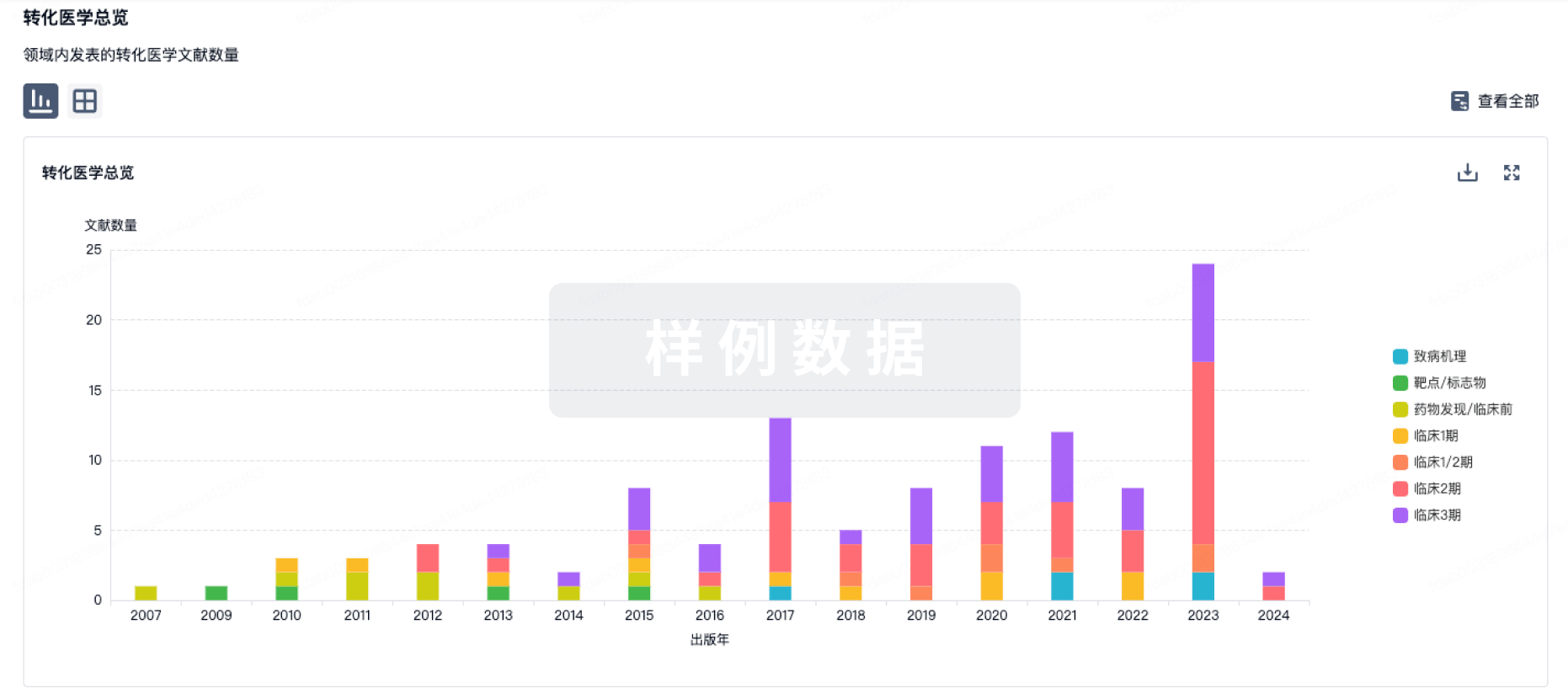
药物交易
使用我们的药物交易数据加速您的研究。
登录
或
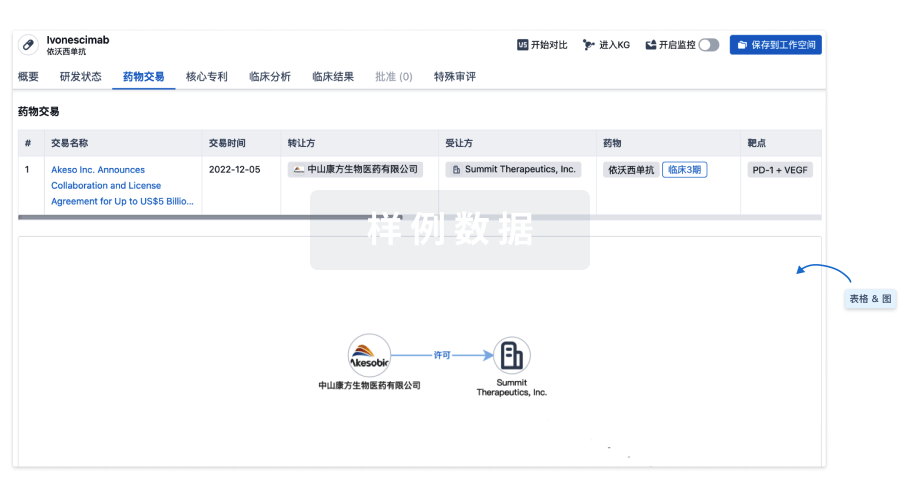
核心专利
使用我们的核心专利数据促进您的研究。
登录
或
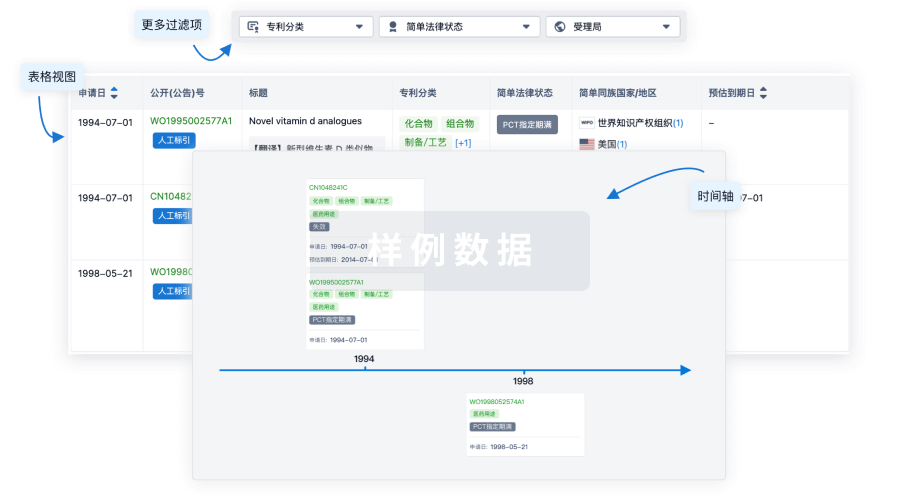
临床分析
紧跟全球注册中心的最新临床试验。
登录
或
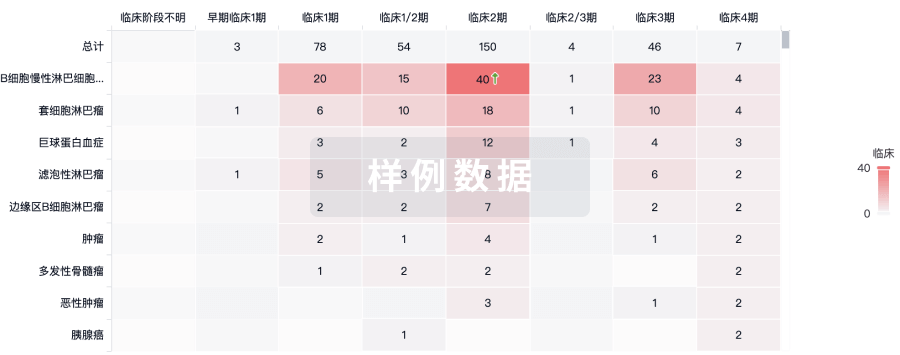
批准
利用最新的监管批准信息加速您的研究。
登录
或
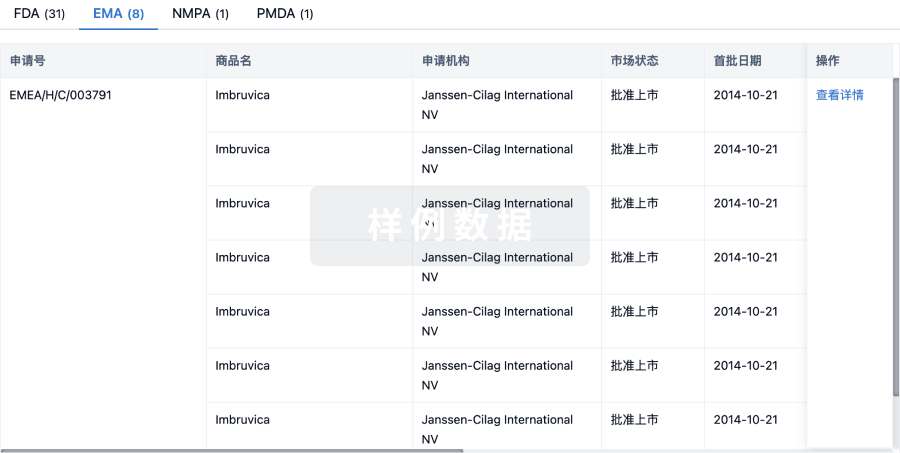
特殊审评
只需点击几下即可了解关键药物信息。
登录
或
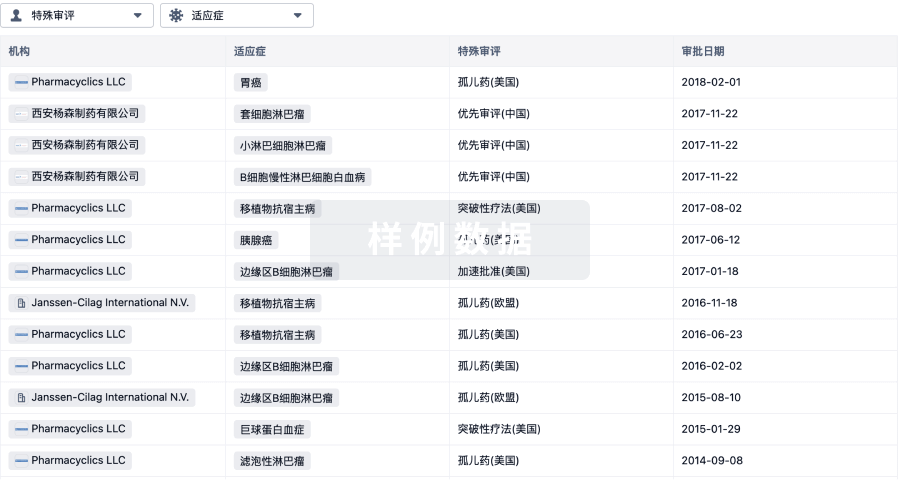
芽仔
全新生物医药AI Agent 覆盖科研全链路,让突破性发现快人一步
立即开始免费试用!
智慧芽新药情报库是智慧芽专为生命科学人士构建的基于AI的创新药情报平台,助您全方位提升您的研发与决策效率。
立即开始数据试用!
智慧芽新药库数据也通过智慧芽数据服务平台,以API或者数据包形式对外开放,助您更加充分利用智慧芽新药情报信息。
生物序列数据库
生物药研发创新
免费使用
化学结构数据库
小分子化药研发创新
免费使用