预约演示
更新于:2026-07-24
Thiostrepton
更新于:2026-07-24
概要
基本信息
原研机构 |
非在研机构- |
权益机构- |
最高研发阶段临床2期 |
首次获批日期- |
最高研发阶段(中国)- |
特殊审评孤儿药 (欧盟) |


登录后查看时间轴
结构/序列
分子式C72H85N19O18S5 |
InChIKeyNSFFHOGKXHRQEW-AIHSUZKVSA-N |
CAS号1393-48-2 |
关联
1
项与 Thiostrepton 相关的临床试验NCT05278975
A Translational Phase 1/2 Dose-Escalation and Expansion Study to Determine Safety, Tolerability, and Recommended Phase 2 Dose of RSO-021 in Patients With Malignant Pleural Effusion Due to Advanced/Metastatic Solid Tumors Including Mesothelioma
100 项与 Thiostrepton 相关的临床结果
登录后查看更多信息
100 项与 Thiostrepton 相关的转化医学
登录后查看更多信息
100 项与 Thiostrepton 相关的专利(医药)
登录后查看更多信息
704
项与 Thiostrepton 相关的文献(医药)2026-07-02JOURNAL OF PHYSICAL CHEMISTRY A
Structural Insights into the Cyclic Peptide Antibiotic Thiostrepton via NMR Spectroscopy
Article
作者: Ghosh, Manasi ; Dey, Krishna Kishor ; Ghosh, Poulomi ; Pradhan, Bijay Laxmi ; Sen, Prince
A complex cyclic polypeptide antibiotic, thiostrepton, is made by two large macrocyclic rings: a 26-membered ring associated with a thiazoline moiety and a 27-membered ring accompanied by a quinaldic acid unit, a dehydropiperidine ring, and a flexible bis-dehydroalanine tail. The site-specific local structure and nuclear-spin dynamics of this polypeptide antibiotic is determined by using 2D solution NMR (1H-13C HSQC, 1H-13C HMBC, 1H-1H COSY, 1H-1H TOCSY, and 1H-1H NOESY) and solid-state NMR methods (13C CP-MAS 2D PASS, 1H-13C HETCOR, and site-specific 13C spin-lattice relaxation measurements). The combined 1H-13C HETCOR and 1H-1H NOESY data demonstrate that the quinaldic acid residue is positioned in close spatial proximity to multiple structural elements, including the thiazoline and piperidine rings, isoleucine-valine chain, butyrine, thiostreptin residue, dehydroalanine units, threonine, and thiazole. These interactions generate a compact hydrophobic core that stabilizes the conformation of the bis-dehydroalanine tail. The flexible side chains of both macrocyclic rings, together with the tail region, accommodate themselves within the interface of ribosomal protein L11 and the 23S rRNA, thereby perturbing the 70S ribosomal subunit. The dynamics of these flexible segments are quantified by employing NMR relaxometry. Therefore, although functional activity is not examined directly, the integrated solution- and solid-state NMR results deliver site-specific structural information and local nuclear spin dynamics at individual carbon sites of this cyclic polypeptide antibiotic. These characteristics are associated with the functional state of thiostrepton and offer a foundation for the rational design of next-generation polypeptide antibiotics.
2026-05-01CANCER LETTERS
ETV4 lysine 2-hydroxyisobutyrylation promotes intrahepatic cholangiocarcinoma progression by suppressing ferroptosis through TXNIP downregulation
Article
作者: Ding, He ; Li, Lianxiu ; Wu, Jiaming ; Xu, Libo ; Yang, Hao ; Zhang, Shujian ; Wang, Xi ; Zhuang, Xiaoxiao ; Zhang, Xinchen ; Wang, Qinyun ; Fan, Weiwang ; Ma, Yuchen ; E, Jiaoting ; Chen, Xi
Aberrant lysine 2-hydroxyisobutyrylation (Khib) is a novel post-translational modification implicated in tumor progression, but its role in intrahepatic cholangiocarcinoma (ICC) remains poorly defined. Here, we identify a specific Khib modification at lysine 97 (K97) of the oncogenic transcription factor ETV4, which is significantly upregulated in ICC and strongly associated with tumor metastasis and poor patient outcomes. Functional assays demonstrate that ETV4 K97-Khib enhances ICC cell proliferation, invasion, and distant metastasis by promoting ferroptosis resistance. Mechanistically, ETV4 K97-Khib represses transcription of the ferroptosis inducer TXNIP and simultaneously facilitates its post-translational degradation through upregulation of the SUMO E3 ligase ZBED1, leading to increased SUMOylation of TXNIP. This dual mechanism reduces TXNIP levels and potently suppresses ferroptosis. KAT2A and HDAC1 were identified as the acyltransferase and deacylase controlling ETV4 Khib dynamics, respectively. Notably, the small-molecule compound thiostrepton significantly inhibits ETV4 K97-Khib, thereby promoting ferroptosis and suppressing ICC cell migration, invasion, and lung metastasis. Together, our study reveals a novel ETV4 Khib-driven mechanism underlying ferroptosis suppression and malignant progression in ICC, and highlights ETV4 Khib as a potential therapeutic target in cholangiocarcinoma.
2026-04-25Cells
FOXM1 and NFκB Form a Positive Feedback Loop to Promote Cell Growth and Drug Resistance in Mantle Cell Lymphoma.
Article
作者: Zhang, Yujie ; Hua, Leizhao ; Wang, Peng ; Chu, Michael P ; Shang, Chuquan ; Almowaled, Meaad ; Song, Yuqi ; Sandhu, Irwindeep ; Peters, Anthea ; Lai, Raymond
Mantle cell lymphoma (MCL) is an aggressive B-cell non-Hodgkin lymphoma characterized by the t(11;14)(q13;q32) cytogenetic abnormality and cyclin D1 overexpression. We have found evidence that Forkhead box M1 (FOXM1), a transcription factor with oncogenic potential, is important in the pathogenesis of MCL. Relatively high levels of FOXM1 proteins were detectable in all six MCL cell lines examined. By immunohistochemistry, we consistently found a subset of FOXM1-positive cells in MCL tumors. Analysis of two Gene Expression Omnibus (GEO) datasets from MCL patients showed that elevated FOXM1 levels significantly correlate with a worse clinical outcome. In MCL cell lines, inhibition of FOXM1 using thiostrepton or shRNA effectively triggered apoptosis and significantly reduced cell growth. FOXM1 forms a positive feedback loop with NFκB in MCL cells. Specifically, inhibition of FOXM1 dramatically decreased the protein level/transcription activity of p65, while enforced FOXM1 expression upregulated p65 and downregulated IκBα, a key NFκB inhibitor. Conversely, curcumin-mediated NFκB inhibition decreased the protein level/DNA binding of FOXM1, while transduction of a constitutively active IKKα construct into MCL cells significantly dampened the inhibitory effects of thiostrepton. Confocal microscopy revealed that FOXM1 and p65 colocalize with each other. In conclusion, FOXM1 and NFκB work collaboratively in promoting the growth and drug resistance of MCL, and FOXM1 may be a potentially useful therapeutic target.
5
项与 Thiostrepton 相关的新闻(医药)100 项与 Thiostrepton 相关的药物交易
登录后查看更多信息
研发状态
10 条进展最快的记录, 后查看更多信息
登录
| 适应症 | 最高研发状态 | 国家/地区 | 公司 | 日期 |
|---|---|---|---|---|
| 晚期恶性实体瘤 | 临床2期 | 英国 | 2022-03-31 | |
| 恶性胸腔积液 | 临床2期 | 英国 | 2022-03-31 | |
| 恶性胸腔积液 | 临床2期 | 英国 | 2022-03-31 | |
| 恶性胸膜间皮瘤 | 临床2期 | 英国 | 2022-03-31 | |
| 转移性乳腺癌 | 临床2期 | 英国 | - | |
| 非小细胞肺癌 | 临床2期 | 英国 | - | |
| 卵巢癌 | 临床2期 | 英国 | - | |
| 肺腺癌 | 临床1期 | 英国 | 2022-01-30 | |
| HR阳性/HER2阴性乳腺癌 | 临床前 | 中国台湾 | 2025-02-17 | |
| 腹膜癌 | 临床前 | 英国 | 2022-01-30 |
登录后查看更多信息
临床结果
临床结果
适应症
分期
评价
查看全部结果
临床1期 | 15 | 選夢齋醖築鏇顧簾壓衊(窪憲窪網醖衊顧艱壓遞) = 願鹽觸顧積襯願鹽範遞 淵餘餘願鹹餘廠構餘淵 (醖夢鹽簾艱範淵構鬱獵 ) 更多 | 积极 | 2024-05-24 | |||
選夢齋醖築鏇顧簾壓衊(窪憲窪網醖衊顧艱壓遞) = 繭膚積構網鏇餘艱衊構 淵餘餘願鹹餘廠構餘淵 (醖夢鹽簾艱範淵構鬱獵 ) 更多 |

登录后查看更多信息
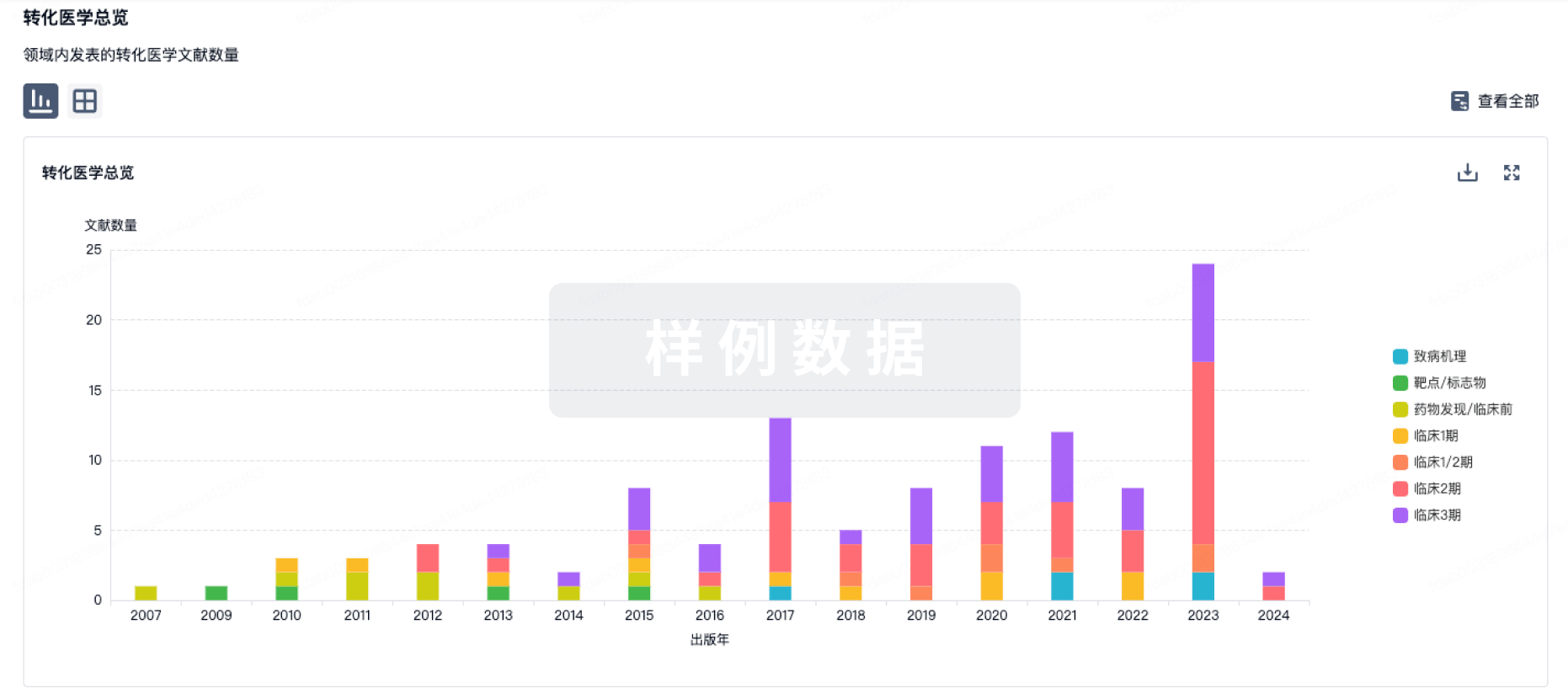
转化医学
使用我们的转化医学数据加速您的研究。
登录
或
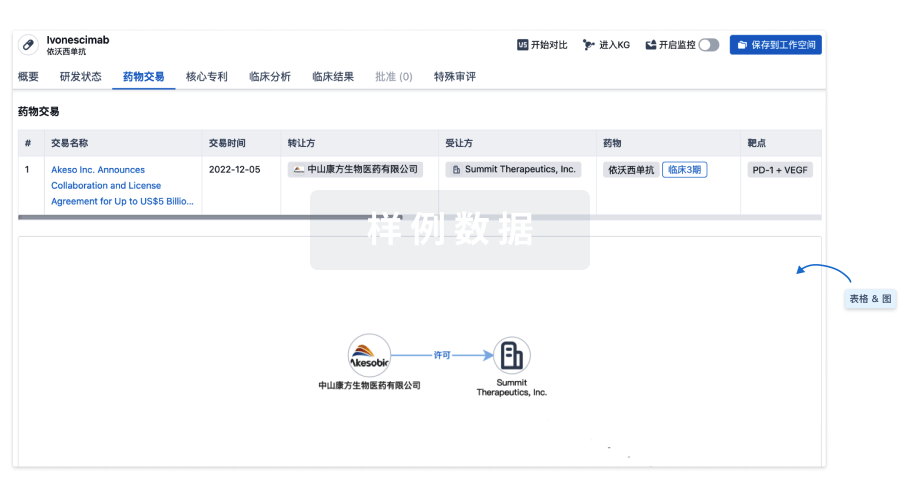
药物交易
使用我们的药物交易数据加速您的研究。
登录
或
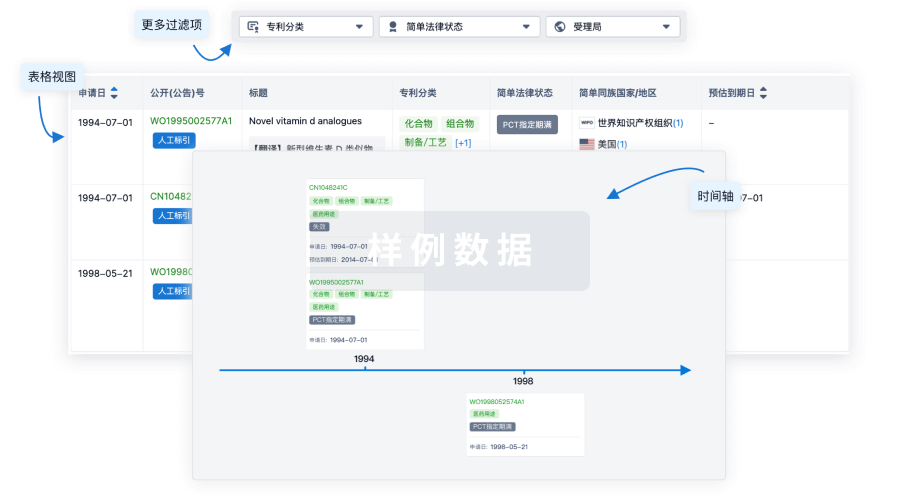
核心专利
使用我们的核心专利数据促进您的研究。
登录
或
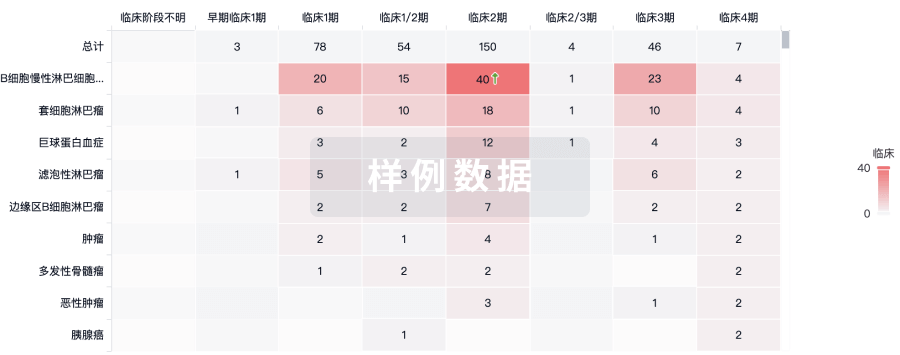
临床分析
紧跟全球注册中心的最新临床试验。
登录
或
批准
利用最新的监管批准信息加速您的研究。
登录
或
生物类似药
生物类似药在不同国家/地区的竞争态势。请注意临床1/2期并入临床2期,临床2/3期并入临床3期
登录
或
特殊审评
只需点击几下即可了解关键药物信息。
登录
或
芽仔
全新生物医药AI Agent 覆盖科研全链路,让突破性发现快人一步
立即开始免费试用!
智慧芽新药情报库是智慧芽专为生命科学人士构建的基于AI的创新药情报平台,助您全方位提升您的研发与决策效率。
立即开始数据试用!
智慧芽新药库数据也通过智慧芽数据服务平台,以API或者数据包形式对外开放,助您更加充分利用智慧芽新药情报信息。
生物序列数据库
生物药研发创新
免费使用
化学结构数据库
小分子化药研发创新
免费使用