预约演示
更新于:2026-07-30
Sodium selenate
更新于:2026-07-30
概要
基本信息
权益机构- |
最高研发阶段临床前 |
首次获批日期- |
最高研发阶段(中国)- |
特殊审评孤儿药 (美国)、孤儿药 (欧盟) |



登录后查看时间轴
结构/序列
分子式H2NaO4Se |
InChIKeyPRKRTJSKTGAVMH-UHFFFAOYSA-N |
CAS号13410-01-0 |
关联
8
项与 Sodium selenate 相关的临床试验ACTRN12623000446662
A Phase 2 Randomised Controlled Trial of Sodium Selenate as a Disease Modifying Treatment for Chronic Drug-resistant Temporal Lobe Epilepsy

ACTRN12620000236998
A Phase 2b Randomised Controlled Trial of Sodium Selenate as a Disease Modifying Treatment for Possible Behavioural Variant Fronto-temporal Dementia
ACTRN12620001254987
A Phase 2 Randomised Controlled Trial of Sodium Selenate as aDisease Modifying Treatment for Probable Progressive SupranuclearPalsy
100 项与 Sodium selenate 相关的临床结果
登录后查看更多信息
100 项与 Sodium selenate 相关的转化医学
登录后查看更多信息
100 项与 Sodium selenate 相关的专利(医药)
登录后查看更多信息
1,243
项与 Sodium selenate 相关的文献(医药)2026-05-01WASTE MANAGEMENT
Composting versus stacking of selenate-supplemented spent mushroom substrate: Effects on soil selenium transformation, DOM characteristics, and bacterial community response
Article
作者: Ren, Rongxin ; Qi, Mingxing ; Zhou, Fei ; Liang, Dongli
Selenate-supplemented spent mushroom substrate (Se(VI)-SMS) requires stacking or composting pretreatment for safe reuse as a selenium (Se)-enriched organic fertilizer, yet how these pretreatments influence the release dynamics of Se from the resulting fertilizer in soil remains unclear. This study elucidated the mechanisms governing Se transformation in soil amended with differently pretreated Se(VI)-SMS fertilizer by linking the changes in soil Se fractions, dissolved organic matter (DOM) characteristics, and bacterial communities. Compared with the unamended control soil (Se mobility factor, MF = 23.2%), the composted fertilizer amendment reduced the soil Se MF by 12.1%-13.2%, whereas the stacked fertilizer amendment increased it by 16.7%-17.9%. The application of both fertilizers enhanced Se sequestration into the organic matter-bound (OM-Se) and humic acid-bound (HA-Se) fractions, with the composted fertilizer treatment showing greater increases (OM-Se: +15.4%-21.6%; HA-Se: +30.5%-40.1%). Soil DOM analysis revealed that the composted fertilizer promoted DOM aromatization and humification, while the stacked fertilizer primarily increased dissolved organic carbon content. Furthermore, the stacked fertilizer induced stress responses in the soil bacterial community, whereas the composted fertilizer shifted the community's functional profile from stress response to metabolic activity. Co-occurrence network analysis indicated that the composted fertilizer strengthened interactions between stable DOM components and bacterial taxa (e.g., Pseudomonadota) linked to Se transformation. These findings demonstrate that composting pretreatment promotes soil Se stabilization via DOM-microbial interactions, providing a sustainable approach for recycling Se(VI)-SMS into a Se-enriched organic fertilizer that balances Se bioavailability with ecological safety.
2026-04-01JOURNAL OF TRACE ELEMENTS IN MEDICINE AND BIOLOGY
Is selenate a diabetogenic form of selenium? Evidence from a natural experiment in Northern Italy
Article
作者: Ottone, Marta ; Vinceti, Marco ; Vicentini, Massimo ; Giorgi Rossi, Paolo ; Gentile, Cinzia ; Leoni, Francesca ; Filippini, Tommaso ; Wise, Lauren A ; Malavolti, Marcella
BACKGROUND:
Consistent evidence from randomized controlled trials has shown that overexposure to selenium induces type 2 diabetes. However, uncertainties remain about the specific species and doses of selenium that trigger such diabetogenic effect.
METHODS:
We investigated the long-term effects of selenium exposure on diabetes risk using data from a natural experiment in Northern Italy. During 1974-1985, a small cohort of residents had been consuming drinking water with an unusually high content of inorganic hexavalent selenium, selenate (8-10 μg/L), close to the standard of the European Union and other countries of 10 μg/L. Using data from a population-based registry, we compared the prevalence of type 2 diabetes in 2013 in selenate-exposed (n = 1310) and unexposed residents (n = 56,251).
RESULTS:
In December 2013, the prevalence of diabetes in exposed and unexposed cohorts was 9.85 % and 10.29 %, respectively, with a multivariable-adjusted prevalence ratio of 0.95 (95 % confidence interval 0.81-1.12). Results were similar after stratifying by sex, age, and country of birth.
CONCLUSIONS:
Overall, these results do not support the hypothesis that consumption of water with inorganic hexavalent selenium levels close to the European limit increases the risk of type 2 diabetes. Null results could be due to non-differential outcome misclassification, other sources of bias, or the fact that selenate is a non-diabetogenic selenium species or that the dose of exposure was too low to elicit an adverse effect.
2026-02-01MOLECULAR BIOTECHNOLOGY
Unveiling the Hub Genes Associated with the Enhanced Effects of Selenium on Pancreas Function in Diabetic Mice
Article
作者: Wang, Zhongyuan ; Yang, Bing ; Li, Xiaofeng ; Chen, Zhihao ; Wang, Tao
To elucidate the molecular mechanisms underlying the protective effects of selenium on pancreatic function in diabetes mellitus, we performed a comprehensive bioinformatics analysis of the GSE55636 dataset from the Gene Expression Omnibus (GEO). This dataset comprised pancreatic tissue samples from streptozotocin-induced diabetic mice, including three mice administered 0.8 mg/kg body weight sodium selenate (Na2SeO3, SS) and three matched controls. Our investigation revealed 838 differentially expressed genes (DEGs) in SS-treated pancreatic tissue, with 500 up-regulated and 338 down-regulated genes. Through protein-protein interaction (PPI) network analysis, we identified 20 hub genes (including FOS, PTGS2, CXCL1, IL5, CCL7, IRF1, PTPRC, EGR2, and CD80) exhibiting the highest connectivity scores. Gene Ontology (GO) enrichment analysis demonstrated these hub genes were predominantly associated with critical biological processes: Chromosomal segregation, Mitotic cell cycle regulation, Inflammatory response modulation, Immune system activation. KEGG pathway analysis further revealed their significant enrichment in key signaling pathways: TNF-α, NF-κB, MAPK, IL-17-mediated inflammation, Chemokine-mediated immune regulation. Notably, the identified pathways demonstrated strong associations with pancreatic β-cell survival, insulin secretion regulation, and oxidative stress mitigation. These findings systematically characterize the selenium-responsive molecular network in diabetic pancreatic tissue, providing novel insights into the nutrigenomic mechanisms of selenium's pancreatic protection. The 20 hub genes identified may serve as potential therapeutic targets for diabetes management through selenium supplementation.
1
项与 Sodium selenate 相关的新闻(医药)2026-06-27
·罕见病
100 项与 Sodium selenate 相关的药物交易
登录后查看更多信息
研发状态
10 条进展最快的记录, 后查看更多信息
登录
| 适应症 | 最高研发状态 | 国家/地区 | 公司 | 日期 |
|---|---|---|---|---|
| 格雷夫斯眼病 | 临床3期 | - | 2015-10-01 | |
| 阿尔茨海默症 | 临床2期 | 澳大利亚 | - | |
| 额颞痴呆 | 临床前 | 澳大利亚 | 2024-10-11 | |
| 进行性核上性麻痹 | 临床前 | 澳大利亚 | 2023-10-13 | |
| 癫痫 | 临床前 | 澳大利亚 | - |
登录后查看更多信息
临床结果
临床结果
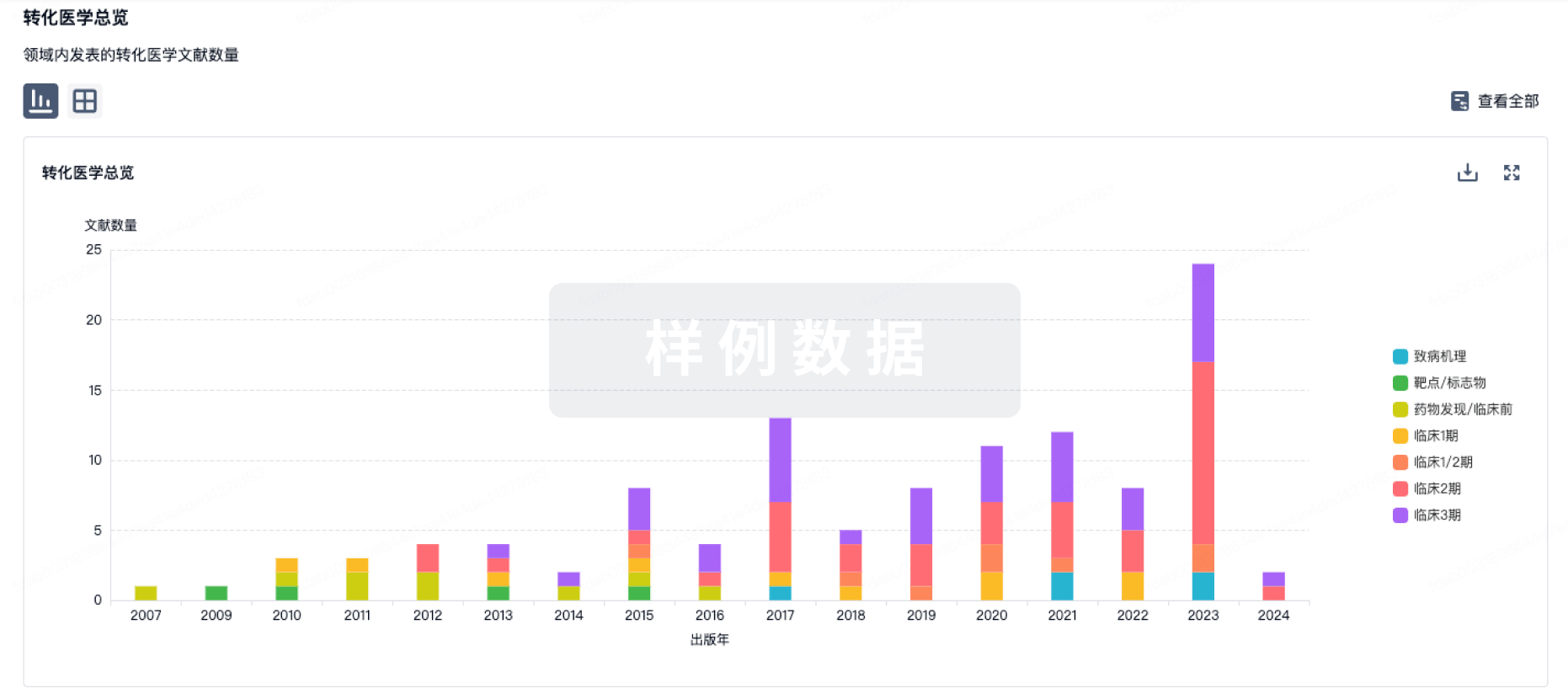
转化医学
使用我们的转化医学数据加速您的研究。
登录
或
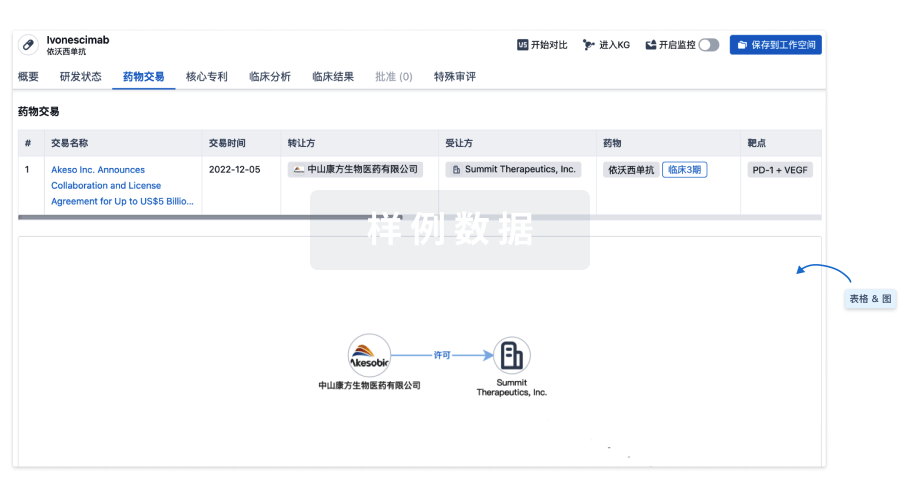
药物交易
使用我们的药物交易数据加速您的研究。
登录
或
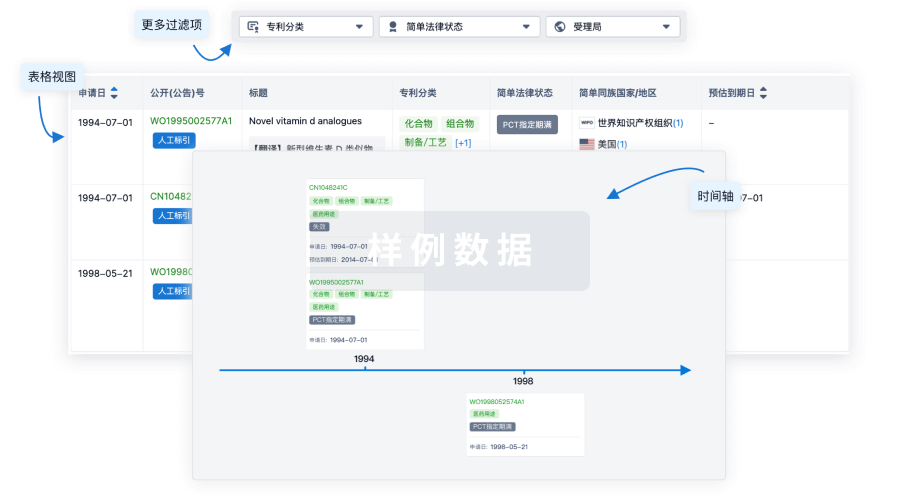
核心专利
使用我们的核心专利数据促进您的研究。
登录
或
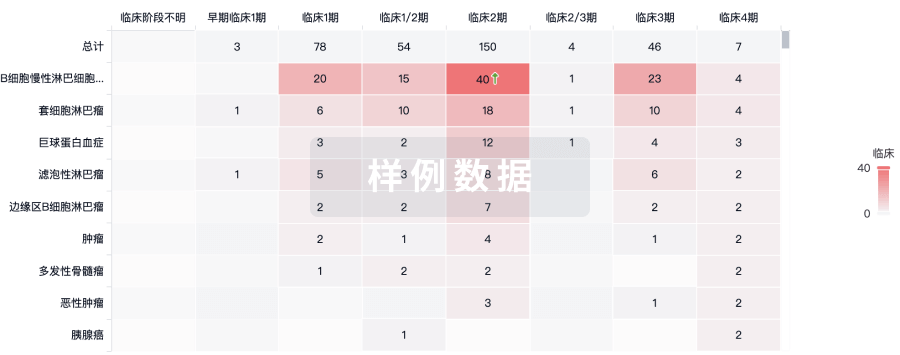
临床分析
紧跟全球注册中心的最新临床试验。
登录
或
批准
利用最新的监管批准信息加速您的研究。
登录
或
特殊审评
只需点击几下即可了解关键药物信息。
登录
或
芽仔
全新生物医药AI Agent 覆盖科研全链路,让突破性发现快人一步
立即开始免费试用!
智慧芽新药情报库是智慧芽专为生命科学人士构建的基于AI的创新药情报平台,助您全方位提升您的研发与决策效率。
立即开始数据试用!
智慧芽新药库数据也通过智慧芽数据服务平台,以API或者数据包形式对外开放,助您更加充分利用智慧芽新药情报信息。
生物序列数据库
生物药研发创新
免费使用
化学结构数据库
小分子化药研发创新
免费使用