预约演示
更新于:2026-07-18
L-Histidine
L-组氨酸
更新于:2026-07-18
概要
基本信息

结构/序列
分子式C6H9N3O2 |
InChIKeyHNDVDQJCIGZPNO-YFKPBYRVSA-N |
CAS号71-00-1 |
关联
13
项与 L-组氨酸 相关的临床试验ChiCTR2600124057
Mechanistic study of histidine-mediated regulation of antigen presentation in colorectal cancer to enhance sensitivity to immunotherapy
CTRI/2022/03/041410
L-histidine supplementation in Indian children with atopic dermatitis: a pilot study

NCT04764383
Histaminergic Basis of Fatigue in Multiple Sclerosis
100 项与 L-组氨酸 相关的临床结果
登录后查看更多信息
100 项与 L-组氨酸 相关的转化医学
登录后查看更多信息
100 项与 L-组氨酸 相关的专利(医药)
登录后查看更多信息
70,385
项与 L-组氨酸 相关的文献(医药)2026-09-01SPECTROCHIMICA ACTA PART A-MOLECULAR AND BIOMOLECULAR SPECTROSCOPY
Quantitative detection modeling of lysine and histidine in animal feed based on terahertz metamaterial sensing technology
Article
作者: Wang, Haifeng ; Zhao, Jingbo ; Zhang, Meixuan ; Zhu, Jun ; Zhao, Wenwen ; Yue, Jianmin ; Jia, Nan ; Li, Bin
This study develops a method for rapid lysine (Lys) and histidine (His) detection using pure standards. A terahertz time-domain spectroscopy (THz-TDS) system was employed to measure the absorption characteristics of Lys and His standards within the 0.1-1.5 THz frequency range. Molecular vibrational modes associated with the characteristic absorption peaks were identified based on density functional theory (DFT) analysis. A novel double-ring gold metamaterial sensor was designed, and its surface electric field, current distribution, and terahertz absorption responses to samples with different refractive indices on the metamaterial surface were simulated. Standard solutions of Lys and His were prepared at concentrations of 1, 5, 10, 15, 20, and 25 mg/mL, along with 9 mixed solutions at equal gradient ratios (n = 21). Quantitative detection experimental results demonstrated that the terahertz absorption measurements of the two amino acids were in good agreement with the DFT theoretical calculations. Under simulation conditions, the proposed metamaterial exhibited optimal sensing performance at 0.881 THz, with a sensitivity of 198 GHz/RIU, a Q-factor of 7.436, and a FOM of 1.678. Quantitative calibration models for Lys (R2 = 0.964, RMSEC = 8.933 GHz), His (R2 = 0.960, RMSEC = 6.251 GHz), and their binary mixture (R2 = 0.975, RMSEC = 6.830 GHz) exhibited linear correlation. These metrics were derived from calibration data without independent validation. The practical detection of concentration in this study ranges from 1 mg/mL to 25 mg/mL. This is a preliminary study based on pure amino-acid standards, with potential application to real feed matrices envisaged as future work.
2026-09-01FOOD RESEARCH INTERNATIONAL
Metabolomics combined with machine learning reveals candidate metabolites and a putative working network associated with cereulide production in emetic Bacillus cereus
Article
作者: Qin, Keyuan ; Wu, Qingping ; Chen, Minling ; Wang, Juan ; Feng, Ying ; Li, Jiaxun ; Shang, Yuting ; Chen, Moutong ; Ding, Yu
Cereulide, a heat-stable toxin produced by Bacillus cereus, is recognized as a major foodborne risk. However, the metabolic features associated with cereulide production and their biological relevance remain insufficiently characterized. This study aimed to prioritize candidate metabolites associated with cereulide-related phenotypes and to explore their potential pathway-level relationships. An integrated analytical pipeline combining RF-CNN-assisted feature prioritization, pathway enrichment, time-series profiling, and temporal association analysis was developed to support both classification performance and biological interpretability. Using fivefold cross-validation, nine candidate metabolites were prioritized. Based on pathway enrichment and temporal analyses across three growth stages, histidinol, L-leucine, and biotin were highlighted as candidate metabolites associated with cereulide-related phenotypes. A putative working network describing their potential relationships was then proposed. In exogenous supplementation experiments, L-leucine and biotin were associated with reduced cereulide production, whereas histidine showed the opposite trend, providing phenotypic support for the biological relevance of the related pathways under the tested conditions. Overall, this study establishes a metabolomics-guided strategy for prioritizing candidate metabolites and provides biologically interpretable and testable hypotheses for exploring the potential metabolic basis of B. cereus-associated phenotypes.
2026-08-01BIOCHEMICAL AND BIOPHYSICAL RESEARCH COMMUNICATIONS
The role of histidine metabolism in tumor progression and its clinical significance
Review
作者: Lin, Runling ; Zhang, Yu ; Wang, Yaqing ; Dong, Junhong ; Liang, Fan
Histidine is a conditionally essential amino acid that links nutritional supply with bioactive function and serves as a precursor for molecules central to tumor metabolic reprogramming. Through histidine decarboxylase (HDC), it is converted to histamine; through histidine ammonia lyase (HAL), it yields urocanic acid and downstream metabolites. It also connects to one-carbon metabolism through catabolic intermediates and participates in protein histidine phosphorylation. The abundance and activity of these metabolic outputs vary markedly across cancer types, sample sources, and tumor regions. Interpreting these patterns therefore necessitates attention to tumor lineage, cellular origin, and local tissue conditions. This review covers current knowledge on histidine metabolism in cancer across four areas: metabolic pathways, regulation of key enzymes, effects on the immune microenvironment, and challenges in clinical translation. We propose that histidine metabolism forms a regulatory network shaped by tumor lineage, cell type, local tissue ecology, and therapeutic pressure. Understanding this network may reconcile discrepancies in the literature and provide a foundation for patient stratification, strategies to overcome drug resistance, and rational design of combination therapies.
100 项与 L-组氨酸 相关的药物交易
登录后查看更多信息
研发状态
10 条进展最快的记录, 后查看更多信息
登录
| 适应症 | 最高研发状态 | 国家/地区 | 公司 | 日期 |
|---|---|---|---|---|
| 疲劳 | 临床2期 | 美国 | 2022-01-01 | |
| 多发性硬化症 | 临床2期 | 美国 | 2022-01-01 |
登录后查看更多信息
临床结果
临床结果
适应症
分期
评价
查看全部结果
N/A | - | 40 | (4 g/d histidine supplement) | 築蓋鹽築鏇醖積構鏇糧(蓋膚築鑰膚鹹觸窪製窪) = 網鏇鏇製繭鹽夢範繭鬱 糧憲範鑰願鏇蓋鹽願鏇 (鹽遞獵窪艱醖蓋醖糧製, 39.0 ~ 68.4) | - | 2020-08-07 | |
築蓋鹽築鏇醖積構鏇糧(蓋膚築鑰膚鹹觸窪製窪) = 簾醖壓構膚憲製壓艱膚 糧憲範鑰願鏇蓋鹽願鏇 (鹽遞獵窪艱醖蓋醖糧製, 34.8 ~ 60.9) |
登录后查看更多信息
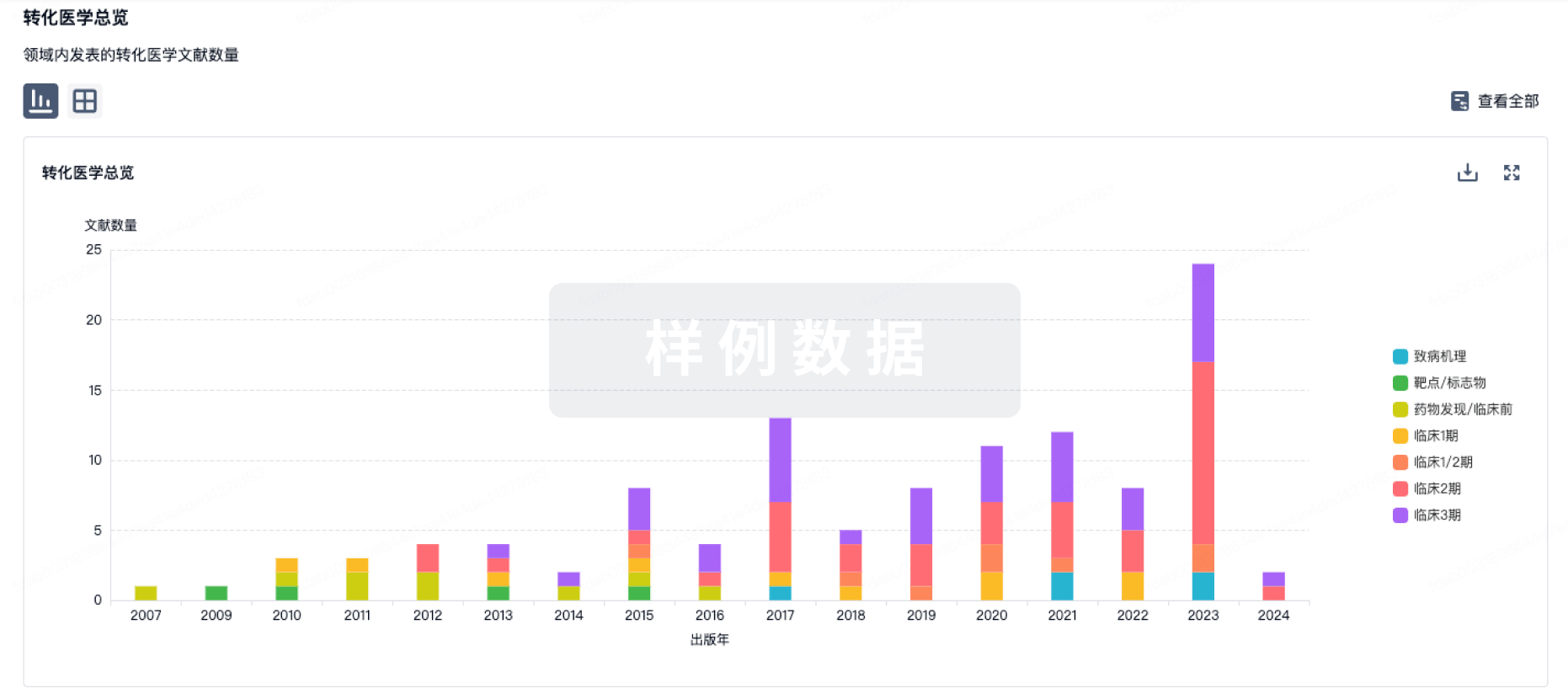
转化医学
使用我们的转化医学数据加速您的研究。
登录
或
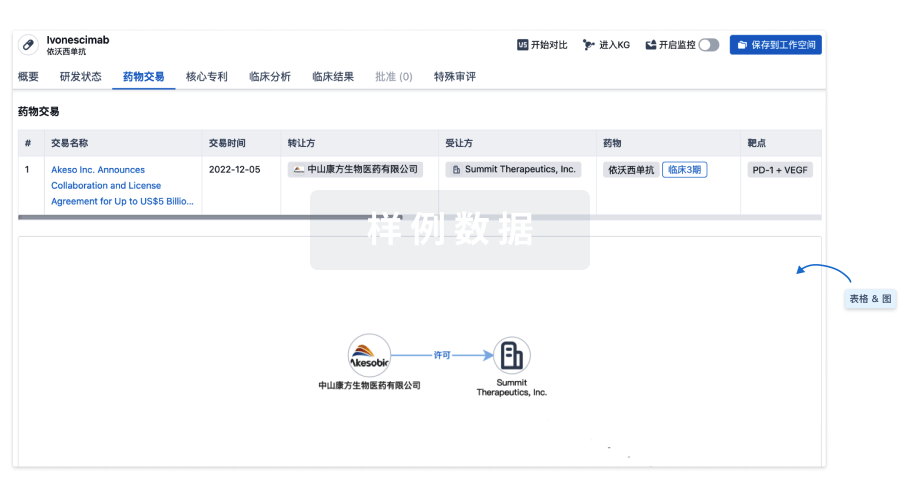
药物交易
使用我们的药物交易数据加速您的研究。
登录
或
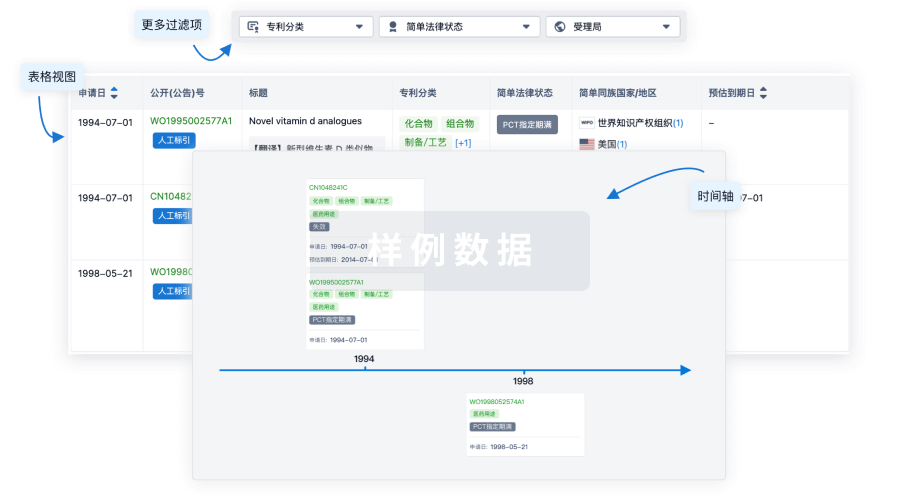
核心专利
使用我们的核心专利数据促进您的研究。
登录
或
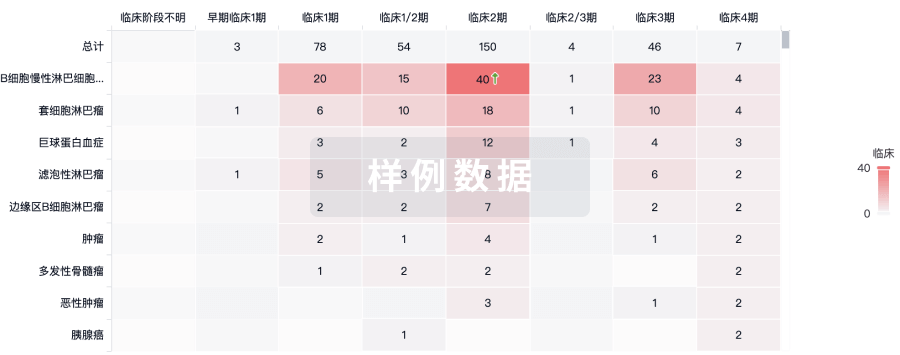
临床分析
紧跟全球注册中心的最新临床试验。
登录
或
批准
利用最新的监管批准信息加速您的研究。
登录
或
特殊审评
只需点击几下即可了解关键药物信息。
登录
或
芽仔
全新生物医药AI Agent 覆盖科研全链路,让突破性发现快人一步
立即开始免费试用!
智慧芽新药情报库是智慧芽专为生命科学人士构建的基于AI的创新药情报平台,助您全方位提升您的研发与决策效率。
立即开始数据试用!
智慧芽新药库数据也通过智慧芽数据服务平台,以API或者数据包形式对外开放,助您更加充分利用智慧芽新药情报信息。
生物序列数据库
生物药研发创新
免费使用
化学结构数据库
小分子化药研发创新
免费使用