预约演示
更新于:2026-07-25
Diammonium glycyrrhizinate
甘草酸二铵
更新于:2026-07-25
概要
基本信息
原研机构 |
在研机构 |
非在研机构- |
权益机构- |
最高研发阶段批准上市 |
最高研发阶段(中国)批准上市 |
特殊审评- |

登录后查看时间轴
结构/序列
分子式C42H68N2O16 |
InChIKeySPPIIOPGDLITJE-VLQRKCJKSA-N |
CAS号79165-06-3 |
关联
9
项与 甘草酸二铵 相关的临床试验NCT07616271
A Single-Center, Prospective, Randomized Controlled Clinical Study of Oral Diammonium Glycyrrhizinate for Attenuating Toxicity and Enhancing Efficacy of CAR-T Cell Therapy
The purpose of this study is to evaluate the effect of oral diammonium glycyrrhizinate in reducing toxicity and enhancing efficacy of CAR-T cell therapy in patients with large B-cell lymphoma. Two main questions are addressed: 1) Can oral diammonium glycyrrhizinate reduce the incidence and severity of CRS induced by CAR-T cells? 2) Can oral diammonium glycyrrhizinate synergistically increase the therapeutic efficacy of CAR-T cell therapy?
开始日期2026-05-22 |
申办/合作机构- |
ChiCTR2500099023
Clinical Efficacy Observation of Isotretinoin Combined with Spironolactone and Disodium Glycyrrhizinate in the Treatment of Female Patients with Acne and Hyperandrogenemia: A Randomized, Controlled Trial.
开始日期2024-01-20 |
申办/合作机构 |
ChiCTR2300078519
Exploratory clinical Trial of Diammonium Glycyrrhizinate to Reduce Radiotherapy Induced Oral Mucositis in Patients with Nasopharyngeal Carcinoma
开始日期2024-01-01 |
申办/合作机构 |
100 项与 甘草酸二铵 相关的临床结果
登录后查看更多信息
100 项与 甘草酸二铵 相关的转化医学
登录后查看更多信息
100 项与 甘草酸二铵 相关的专利(医药)
登录后查看更多信息
3,699
项与 甘草酸二铵 相关的文献(医药)2026-06-18·NATURAL PRODUCT RESEARCH
Investigating the mechanisms of Suzijiangqi Pill in COPD intervention through UPLC Q-Exactive Orbitrap MS, network pharmacology, and animal experiments
Article
作者: Zhu, Yunpeng ; Yang, Huan ; Zhu, Shaoqing ; Wang, Wei ; Chu, Lin
Suzijiangqi Pill (SZJQW) is an oral Chinese patent medicine commonly used for treating chronic obstructive pulmonary disease (COPD), but its underlying mechanism is not fully understood. This study aimed to investigate SZJQW's therapeutic mechanism in COPD using UPLC Q-Exactive Orbitrap MS, network pharmacology, and animal experiments. A total of 110 chemical components were identified. Network pharmacology analysis identified AKT1 as a core target, and glabridin and kaempferol as core components. It is suggested that SZJQW regulates the PI3K/AKT pathway to treat COPD. Molecular docking and dynamic modelling demonstrated favourable affinities between core components and targets. In COPD mice, SZJQW improved lung function and reduced inflammation and activation of the PI3K/AKT pathway. Cell experiments revealed that glabridin and kaempferol were effective in suppressing cigarette-induced cell damage. Overall, this study validates the core role of the PI3K/AKT pathway in SZJQW's treatment of COPD.
2026-01-01·Frontiers in Pharmacology
Glycyrrhizin preparations in liver diseases: a narrative review of mechanisms and therapeutic potential.
Review
作者: Cao, Weihua ; Hao, Hongxiao ; Ma, Tianyu ; Deng, Wen ; Li, Xinxin ; Yao, Linmei ; Wei, Xin ; Zhang, Ziyu ; Li, Minghui ; Qiu, Dianya ; Liu, Ruyu ; Yi, Wei ; Wang, Shiyu ; Gao, Zixuan ; Wang, Shuojie
Glycyrrhizin preparations (GLPS), derived from Glycyrrhiza uralensis (licorice), are widely used hepatoprotective agents in clinical practice. Their primary active components, 18α- and 18β-glycyrrhetinic acid (GA), are represented by formulations including diammonium glycyrrhizinate (DG), compound glycyrrhizin (CG), and magnesium isoglycyrrhizinate (MgIG). This review provides a comprehensive overview of the pharmacokinetic properties of GLPS and their multi-target pharmacological mechanisms, comprising anti-inflammatory, membrane-stabilizing, antioxidant, anti-apoptotic, immunomodulatory, and anti-fibrotic effects that collectively underpin their hepatoprotective activity. We critically evaluate clinical evidence across major liver diseases, including viral hepatitis, drug-induced liver injury, alcoholic liver disease, non-alcoholic fatty liver disease, and autoimmune hepatitis, while highlighting heterogeneity in study designs, geographical concentration of evidence, and the predominance of positive findings that may reflect publication bias. Safety considerations, particularly the risk of pseudoaldosteronism and potential drug interactions, are also discussed. Finally, we outline future research directions, emphasizing the need for large-scale, multicenter randomized controlled trials with standardized outcomes to establish more robust evidence base and support broader international clinical adoption.
2025-12-31·Plant Signaling & Behavior
Exogenous ethanol treatment promotes glycyrrhizin accumulation in aseptically grown
Glycyrrhiza uralensis
seedlings
Article
作者: Nishidono, Yuto ; Tanaka, Ken
Licorice, the dried roots and rhizomes of Glycyrrhiza uralensis Fisch., is one of the most popular herbal medicines used globally. Glycyrrhizin is the primary bioactive component of licorice, exhibiting various pharmacological activities. Herein, we grew G. uralensis seedlings aseptically on a medium in the presence of 0-1% ethanol for 10 weeks, elucidating the effect of exogenous ethanol treatment on plant morphological features and glycyrrhizin accumulation. Treatment with 0.1% exogenous ethanol significantly increased the root fresh weight of G. uralensis seedlings, whereas treatments exceeding 0.5% exogenous ethanol exhibited phytotoxicity. In addition, the application of 0.1% exogenous ethanol significantly promoted glycyrrhizin accumulation in plant roots relative to the control. Overall, these results indicate that dilute exogenous ethanol treatment positively affects root yield and glycyrrhizin accumulation in the roots of aseptically cultured G. uralensis seedlings. The findings of this study may contribute to improving the quality of cultivated G. uralensis.
77
项与 甘草酸二铵 相关的新闻(医药)2026-07-20
·今日头条
复方牛胎肝提取物片:一款肝病“辅助用药”的深度解析与理性审视
引言:当“以肝养肝”遇上现代制药
在肝病治疗领域,有一个概念源远流长——“以脏补脏”。古人观察到,食用动物的肝脏可以滋养人体相应的脏器。这一朴素的食疗理念,在现代生物制药技术的催化下,演化为一种更具科学内涵的治疗思路:
从动物胎肝中提取具有生物活性的肽类物质,用以促进受损肝细胞的修复与再生
。
复方牛胎肝提取物片正是这一思路的产物。作为一款
肝病辅助用药
,它被用于急、慢性肝炎,肝纤维化,脂肪肝,肝硬化等症的辅助治疗。商品名“安珐特”在肝病患者群体中有一定的知名度,甚至有资料称其为
“国内唯一经SDA批准用于肝纤维化治疗的创新药物”
。
但“唯一”不等于“首选”,“创新”不等于“特效”。在肝病治疗手段日益丰富的今天,复方牛胎肝提取物片到底扮演着什么角色?它的作用机制是什么?临床证据有多强?在国内外指南中处于什么位置?这些问题,值得每一个关注肝脏健康的人认真审视。
一、组方解析:三组分构建的“修复—营养—代谢”体系
复方牛胎肝提取物片为复方制剂,每片含
牛胎肝提取物(40mg多肽)、维生素B12、肌醇
。三种组分各司其职,形成了一个“修复—营养—代谢”的协同体系。
牛胎肝提取物:核心的“修复引擎”
牛胎肝提取物是整张处方的核心成分,含有
多种肝源性肽类细胞因子
,包括
胰岛素样生长因子1(IGF1)、成纤维细胞生长因子(FGF)、转化生长因子(TGFs)、肝细胞生长因子(HGF)
等。这些因子在肝细胞的增殖、分化和修复中发挥着关键作用。
从理论上讲,这些外源性的肝源性肽类因子可以通过以下途径发挥作用:
诱导肝细胞及线粒体膜的聚糖蛋白受体,提高ATP合成酶的活性,促进细胞对葡萄糖的摄取和利用,增加能量合成
。简单来说,就是为受损的肝细胞提供“修复信号”和“能量支持”,帮助它们恢复功能。
维生素B12:营养支持
维生素B12是细胞代谢和DNA合成所必需的营养素,在肝细胞的再生过程中具有重要的辅助作用。肝病患者常因食欲减退、吸收障碍等原因存在B族维生素缺乏,补充维生素B12有助于改善这一状况。
肌醇:脂质代谢的“调节器”
肌醇是细胞膜磷脂的重要组成部分,在脂肪代谢中发挥着关键作用。药理研究表明,本品
可促进脂肪和载体蛋白结合并入血,减少肝内脂肪积聚,促进脂肪酸β-氧化,加速脂肪分解
。对于脂肪肝患者而言,肌醇的这一作用具有直接的临床意义。
三组分的组合逻辑清晰:
牛胎肝提取物负责“修复”,维生素B12负责“营养”,肌醇负责“代谢”
——从三个维度共同支持肝细胞的健康。
二、作用机制:从分子层面理解“辅助”二字
抗肝纤维化的可能路径
肝纤维化是各种慢性肝病走向肝硬化的共同通路。其核心病理改变是
肝星状细胞的活化与增殖
,导致细胞外基质(主要是胶原蛋白)过度沉积。
动物实验显示,复方牛胎肝提取物可以
调控肝纤维化细胞因子网络,重建肝脏局部免疫系统,以抑制血小板转化生长因子等促纤维化因子的过度表达,进而抑制肝星状细胞的增殖和活化
,从而降低细胞外基质的合成和分泌。这一机制如果能在人体中得到充分验证,将为“逆转肝纤维化”这一临床难题提供一条有希望的路径。
改善肝功能与能量代谢
通过IGF1、FGF等细胞因子的作用,本品可
诱导肝细胞及线粒体膜的聚糖蛋白受体,提高ATP合成酶的活性
,促进细胞对葡萄糖的摄取和利用,增加能量合成。肝细胞是人体代谢最活跃的细胞之一,能量供应的改善直接关系到肝功能的恢复。
对脂肪代谢的调节
对于脂肪肝患者,本品通过
促进脂肪酸和载脂蛋白的结合并入血、促进脂肪酸β-氧化、加速脂肪分解
,减少肝内脂肪积聚。这一作用使其在非酒精性脂肪性肝病(NAFLD)的治疗中具有一定的理论价值。
三、循证证据:从临床研究看疗效与安全性
复方牛胎肝提取物片的循证证据主要来自中国的研究团队,覆盖了乙肝相关肝病、脂肪肝、酒精性肝病等多个领域。
乙肝早期肝硬化:联合抗病毒治疗的增效价值
一项由哈尔滨医科大学附属第一医院开展的研究,纳入
96例
乙型肝炎早期肝硬化患者,随机分为对照组和观察组。对照组采用常规抗病毒方案,观察组加用复方牛胎肝提取物片,持续治疗1个月。
结果显示,
治疗后观察组肝硬度值、丙氨酸转氨酶(ALT)、天冬氨酸转氨酶(AST)、Ⅲ型前胶原、Ⅳ型胶原蛋白水平均显著低于对照组
。此外,观察组患者的
CD⁺₃、CD⁺₄、CD⁺₄/CD⁺₈比值均上升
,
双歧杆菌、乳杆菌数量增加
,而
肠杆菌、肠球菌、梭菌数量减少
。两组不良反应发生率无显著差异。
该研究的结论是:
复方牛胎肝提取物片联合抗病毒治疗可有效改善乙型肝炎早期肝硬化患者肝功能,提高机体免疫力,改善肠道微生态环境
。
另一项纳入
96例
慢性乙肝早期肝硬化患者的研究也得出类似结论:加用复方牛胎肝提取物片后,患者血清
透明质酸酶(HA)、层黏连蛋白(LN)、Ⅲ型前胶原(PCⅢ)、Ⅳ型胶原(Ⅳ-C)
等肝纤维化指标水平显著降低,肝功能改善更明显。
慢性乙型肝炎肝纤维化:多篇研究的积累
多篇临床研究观察了复方牛胎肝提取物片对慢性乙型肝炎肝纤维化的疗效。一项研究将
110例
患者随机分为治疗组(56例)和对照组(54例),两组均采用甘利欣治疗,治疗组加用复方牛胎肝提取物片,疗程12周。结果显示,加用复方牛胎肝提取物片后,
肝功能及肝纤维化指标的改善更为显著
。
另一项研究将
78例
患者随机分为两组,治疗组(40例)服用安珐特,对照组(38例)服用水飞蓟素片,疗程均为3个月。结果显示,安珐特在改善肝纤维化指标方面优于水飞蓟素。
非酒精性脂肪性肝病:多中心临床研究
一项多中心、开放、非随机临床试验,在综合治疗的基础上,应用复方牛胎肝提取物片(3片/次,2次/日,口服,共3个月)治疗
240例
非酒精性脂肪性肝病(NAFLD)患者。该研究发表于《临床肝胆病杂志》2011年,虽然年代较早,但样本量较大,为其在脂肪肝领域的应用提供了一定的参考。
酒精性肝病:小样本的探索
一项研究将
40例
酒精性肝病患者随机分为治疗组(21例)和对照组(19例)。对照组给予维生素C、维生素E和益肝灵口服;治疗组在此基础上加用复方牛胎肝提取物片(2片,3次/日),治疗6个月。结果显示,加用复方牛胎肝提取物片可进一步改善酒精性肝病患者的肝功能。
肝硬化出血风险:对MELD分值的影响
一项纳入
141例
乙型肝炎肝硬化失代偿期并食管胃底静脉曲张患者的研究,探讨了复方牛胎肝提取物片对肝硬化出血及MELD分值的影响。结果显示,复方牛胎肝提取物片
可以改善肝硬化患者的肝功能、抑制肝纤维化
。
证据的总体评价
综合来看,复方牛胎肝提取物片在多个肝病领域均有临床研究支持,
特别是在联合抗病毒治疗乙肝相关肝病方面积累了相对较多的证据
。但也需要客观指出:
多数研究样本量有限(几十例到两百余例)
部分研究年代较早(2008-2011年)
研究设计多为随机对照,但双盲、大样本、多中心的高质量研究相对不足
研究主要来自中国,国际上的关注度和认可度有限
这些局限性,决定了它目前
“辅助用药”而非“一线治疗”
的定位。
四、指南定位:在肝病治疗体系中的“辅助”角色
在现有指南中的位置
目前,复方牛胎肝提取物片
尚未被纳入国内外主流肝病诊疗指南的一线推荐
。《慢性乙型肝炎防治指南》《非酒精性脂肪性肝病防治指南》《肝硬化诊治指南》等权威指南中,均未将其列为标准治疗方案的核心药物。
但一些资料将其列为
临床已应用的抗纤维化药物之一
,与其他药物(如水飞蓟素、干扰素、熊去氧胆酸、多不饱和磷脂酰胆碱等)并列。这表明它在肝纤维化的辅助治疗中确实有一定的临床应用基础,但证据等级和推荐强度尚不及一线方案。
“辅助用药”的定位解读
药品说明书明确标注本品为
“肝病辅助用药”
。“辅助”二字,精准地概括了它在肝病治疗体系中的角色:
它不是“主力”
——对于病毒性肝炎,核心治疗仍然是抗病毒药物(如恩替卡韦、替诺福韦);对于肝硬化,核心治疗仍然是病因控制和对症支持;对于脂肪肝,核心治疗仍然是生活方式干预。
它是“支援”
——在核心治疗的基础上,通过促进肝细胞修复、改善肝纤维化指标、调节脂肪代谢等方式,为肝脏的恢复提供额外的支持。
与西医治疗的关系
在乙肝相关肝病的治疗中,复方牛胎肝提取物片最常见的用法是
联合核苷(酸)类似物(如恩替卡韦)使用
。抗病毒药物负责抑制病毒复制这一“病因”,而复方牛胎肝提取物片则负责促进肝细胞修复和抗纤维化这一“后果”。两者分工明确、各司其职。
这种“
病因治疗+辅助修复
”的组合模式,是肝病治疗中常见的策略,也是复方牛胎肝提取物片最合理的临床定位。
五、安全性与用药须知:不可忽视的细节
不良反应
药品说明书标注不良反应为
“尚未发现有关不良反应”
。多篇临床研究也报告两组不良反应发生率无显著差异。但这不等于“绝对安全”——“尚未发现”可能源于监测不足,也可能源于不良反应确实罕见。
禁忌人群
急性肝萎缩患者禁用
肝昏迷患者禁用
对本品任何成分过敏者禁用
特殊人群的安全性数据缺失
需要特别关注的是,以下人群的安全性数据
尚未明确
:
孕妇及哺乳期妇女
:未进行该项实验且无可靠参考文献
儿童
:安全性尚未见确切报道
老年人
:安全性尚未见确切报道
药物过量
:未进行该项实验且无可靠参考文献
这意味着在上述人群中使用本品时,
缺乏充分的安全性证据
,需要在医生指导下谨慎决策。
用法用量
常规剂量
:口服,一次1-2片,一日3次
疗程
:15-30天为一疗程
规格
:40mg(多肽)
注意事项
当药品性状发生改变时禁止使用
需遮光、密封保存
本品为处方药,需在医生指导下使用
六、理性审视:复方牛胎肝提取物片的“能与不能”
它能做什么?
第一,作为肝病的辅助治疗。
在急慢性肝炎、肝纤维化、脂肪肝、肝硬化的综合治疗中,本品可作为辅助用药,促进肝细胞修复、改善肝纤维化指标。
第二,联合抗病毒治疗乙肝相关肝病。
在恩替卡韦等抗病毒药物的基础上加用本品,可进一步改善肝功能、降低肝纤维化指标。
第三,改善脂肪肝的脂质代谢。
通过促进脂肪酸β-氧化、加速脂肪分解,对非酒精性脂肪性肝病具有一定的辅助治疗价值。
第四,安全性相对良好。
目前文献报道的不良反应较少,在规范使用的前提下耐受性较好。
它不能做什么?
第一,不能替代病因治疗。
对于病毒性肝炎,抗病毒治疗是根本;对于酒精性肝病,戒酒是前提;对于脂肪肝,生活方式干预是基础。本品不能替代这些核心措施。
第二,不能作为“神药”期待“逆转肝硬化”。
虽然部分研究显示其可改善肝纤维化指标,但“逆转肝硬化”是一个极其复杂的临床命题,不能寄望于单一药物。
第三,不能用于急性肝衰竭等危重情况。
急性肝萎缩、肝昏迷患者禁用。
第四,不能在没有医生指导的情况下自行使用。
本品为处方药,使用前应经过专业评估。
七、健康指导:给肝病患者与公众的实用建议
1. 明确用药定位。
复方牛胎肝提取物片是“辅助用药”,不是“主力用药”。使用前应确保病因治疗(如抗病毒、戒酒、控制体重等)已经到位。
2. 在医生指导下使用。
本品为处方药,不可自行购买服用。医生会根据具体病情评估是否适合使用、使用多大剂量、使用多长时间。
3. 足疗程用药。
常规疗程为15-30天。不可因“感觉好了一些”就擅自停药,也不可因“没感觉”就提前放弃——应按照医嘱完成疗程后评估疗效。
4. 联合用药需谨慎。
如与其他药物同时使用,可能发生药物相互作用,详情请咨询医师或药师。
5. 关注药品性状。
服用前检查药品是否在有效期内、性状是否发生改变。
6. 特殊人群慎用。
孕妇、哺乳期妇女、儿童、老年人在使用本品时缺乏充分的安全性数据,应在医生充分评估风险与获益后决策。
7. 生活方式不能替代。
对于脂肪肝患者,控制饮食、增加运动、减轻体重是治疗的基石;对于乙肝患者,规律服用抗病毒药物是根本。任何药物都不能替代这些基础措施。
8. 定期复查。
肝病是慢性疾病,需要长期管理。即使在使用辅助药物的同时,也应定期复查肝功能、影像学等指标,评估病情变化。
结语:在“辅助”的位置上发挥辅助的价值
复方牛胎肝提取物片是一款有着独特组方思路和一定循证基础的肝病辅助用药。它以“牛胎肝提取物+维生素B12+肌醇”的组合,从肝细胞修复、营养支持和脂质代谢三个维度为肝脏提供支持。在乙肝相关肝病、脂肪肝、酒精性肝病等领域,均有临床研究显示其在联合治疗中的增效价值。
但我们也必须清醒地认识到它的
定位与边界
:它是
“辅助”而非“主力”
,是
“支援”而非“替代”
。在病毒性肝炎的治疗中,抗病毒药物是根本;在肝硬化的治疗中,病因控制和并发症管理是核心;在脂肪肝的治疗中,生活方式干预是基础。复方牛胎肝提取物片的价值,在于这些核心措施之上的“锦上添花”,而非“雪中送炭”。
正如“辅助”二字所暗示的,这款药物最适合的角色是
“配角”
——在正确的舞台上、配合正确的主角、在正确的时机登场,才能发挥出它应有的价值。对于肝病患者而言,最宝贵的不是某一款“神奇”的药物,而是在专业医生指导下、基于自身病情特点制定的
个体化综合治疗方案
——抗病毒、保肝、抗纤维化、生活方式调整,多管齐下,方为上策。
2026-07-13
·医药代表
今日(7 月 13 日),河北、江西两省发布《关于开展省际联盟集采药品接续采购信息预填报工作的通知》,宣布河北、江西两省牵头成立“省际联盟药品集采协议期满接续采购办公室”,代表联盟地区公立、军队医疗机构,以及自愿参加的社会办医药机构,对部分协议期满(含部分省份未到协议期药品)开展接续采购,启动相关药品信息预填报工作。
据填报药品范围名单,填报品种有 122 个,具体如下,看看有你关注的吗?
#
品种名称1
雷尼替丁注射剂2
肌苷注射剂3
氟比洛芬贴剂4
烟酸注射剂5
多种维生素(12)注射剂6
环磷腺苷葡胺注射剂7
磷霉素注射剂8
尿激酶注射剂9
甘露醇注射剂10
维生素D2口服常释剂型11
枸地氯雷他定口服常释剂型12
纳美芬注射剂13
左甲状腺素口服常释剂型14
丙帕他莫注射剂15
凝血酶散剂16
银杏达莫注射剂17
维生素D口服液体剂18
维生素K1注射剂19
氨甲苯酸注射剂20
血液滤过置换基础液注射剂21
艾地苯醌口服常释剂型22
曲克芦丁注射剂23
蛋白琥珀酸铁口服液体剂24
甘草酸二铵口服常释剂型25
硫普罗宁注射剂26
茶碱缓释控释剂型27
氢化可的松注射剂28
氯唑西林注射剂29
氨溴索口服液体剂30
去乙酰毛花苷注射剂31
乙酰谷酰胺注射剂32
灭菌注射用水注射剂33
前列地尔注射剂34
普拉洛芬滴眼剂35
氨溴特罗口服液体剂36
开塞露外用液体剂37
尼洛替尼口服常释剂型38
辅酶Q10注射剂39
单唾液酸四己糖神经节苷脂注射剂40
复方氯化钠注射剂41
脑苷肌肽注射剂42
奈达铂注射剂43
磷酸肌酸钠注射剂44
枸橼酸钠注射剂45
尼可刹米注射剂46
维生素AD口服液体剂47
复方维生素(3)注射剂48
蚓激酶口服常释剂型49
奥拉西坦注射剂50
复方乳酸钠葡萄糖注射剂51
氟替卡松软膏剂52
水飞蓟宾葡甲胺口服常释剂型53
阿洛西林注射剂54
卤米松软膏剂55
齐拉西酮口服常释剂型56
钆塞酸二钠注射剂57
乙哌立松口服常释剂型58
碘比醇注射剂59
乌苯美司口服常释剂型60
单磷酸阿糖腺苷注射剂61
胶体果胶铋口服常释剂型62
阿比多尔口服常释剂型63
葡萄糖酸钙锌口服液体剂64
替卡西林克拉维酸注射剂65
单硝酸异山梨酯注射剂66
格列齐特口服常释剂型67
绒促性素注射剂68
精氨酸注射剂69
红霉素口服常释剂型70
苯扎氯铵外用液体剂71
复方福尔可定口服液体剂72
枸橼酸铋钾口服常释剂型73
苯海拉明注射剂74
曲安奈德益康唑软膏剂75
小儿电解质补给注射剂76
罗通定注射剂77
奥扎格雷注射剂78
果糖注射剂79
复方氨酚烷胺口服常释剂型80
克霉唑阴道片81
促肝细胞生长素注射剂82
尿促性素注射剂83
骨肽注射剂84
头孢哌酮他唑巴坦注射剂85
硝呋太尔口服常释剂型86
尼麦角林注射剂87
脂溶性维生素(Ⅱ)/水溶性维生素注射剂88
克拉霉素缓释控释剂型89
加贝酯注射剂90
头孢孟多酯注射剂91
吲达帕胺缓释控释剂型92
小檗碱口服常释剂型93
顺铂注射剂94
钆贝葡胺注射剂95
美洛西林舒巴坦注射剂96
醋氯芬酸口服常释剂型97
酚磺乙胺注射剂98
甲氧明注射剂99
替硝唑注射剂100
阿扎司琼注射剂101
咪康唑软膏剂102
鱼精蛋白注射剂103
头孢曲松他唑巴坦注射剂104
阿魏酸哌嗪口服常释剂型105
香菇多糖注射剂106
东莨菪碱注射剂107
辅酶Q10口服常释剂型108
胺碘酮口服常释剂型109
尼美舒利口服常释剂型110
罂粟碱注射剂111
托烷司琼注射剂112
天麻素注射剂113
烟酰胺注射剂114
哌拉西林舒巴坦注射剂115
美洛西林注射剂116
头孢拉定注射剂117
对乙酰氨基酚口服液体剂118
头孢克肟口服液体剂119
糠酸莫米松软膏剂120
阿莫西林克拉维酸颗粒剂(4:1)121
氢溴酸加兰他敏注射剂122
黄体酮注射剂
据《通知》,填报时间从明天(7 月 14 日)起,截至 7 月 27 日。
近日热点:
3家医药企业被评“特别严重失信”
默沙东、阿斯利康,人事变动
钟睒睒旗下药企,总经理辞任
日企医药代表人均生产力破千万
晖致前CEO接掌普渡制药继任公司
销售老兵卸任,35岁“药二代”接棒CEO
第12批国采,一外企造假被查
高伦博就任萌蒂中国总经理
诺华买买买,又出手了!
跨国药企10大品种,进入新版《基药目录》
新版《基药目录》释放了哪些信号?
2026版《基药目录》新增品种一览
一日企公开致歉:HR离职带走员工名单
重磅!原研司美纳入新版基药目录
地区经理,请给普通医药代表一个“问号箱”
50+跨国药企集结!这个新平台揭牌了
2025年度中国医药工业100强
代表交流:
新规之下,医药代表的三个重要职能
什么是医学联络官(MSL)?
成为「最失败医药代表」的五个黄金法则
什么是药品不良反应(ADR)?
医生做医学科普的10个方向
医药代表投资自己的10个方式
面试求职,医药代表需要了解的STAR法则
最新职位:
拜耳中国全国热招职位一览
创新药企抢人!全新团队,等你来
安泰适®专岗招募!百济神州更多岗位热招中
最新药企内部招聘(7月11日更新)
医药代表 伴您成长!
带量采购
2026-07-13
·药筛
河北、江西牵头,省际联盟集采开始。
品种范围:已参加过省际联盟集采协议期满品种,总计122个。
时间安排:2026年7月14日—7月27日。
品种目录:
序号
品种名称
1
雷尼替丁注射剂
2
肌苷注射剂
3
氟比洛芬贴剂
4
烟酸注射剂
5
多种维生素(12)注射剂
6
环磷腺苷葡胺注射剂
7
磷霉素注射剂
8
尿激酶注射剂
9
甘露醇注射剂
10
维生素D2口服常释剂型
11
枸地氯雷他定口服常释剂型
12
纳美芬注射剂
13
左甲状腺素口服常释剂型
14
丙帕他莫注射剂
15
凝血酶散剂
16
银杏达莫注射剂
17
维生素D口服液体剂
18
维生素K1注射剂
19
氨甲苯酸注射剂
20
血液滤过置换基础液注射剂
21
艾地苯醌口服常释剂型
22
曲克芦丁注射剂
23
蛋白琥珀酸铁口服液体剂
24
甘草酸二铵口服常释剂型
25
硫普罗宁注射剂
26
茶碱缓释控释剂型
27
氢化可的松注射剂
28
氯唑西林注射剂
29
氨溴索口服液体剂
30
去乙酰毛花苷注射剂
31
乙酰谷酰胺注射剂
32
灭菌注射用水注射剂
33
前列地尔注射剂
34
普拉洛芬滴眼剂
35
氨溴特罗口服液体剂
36
开塞露外用液体剂
37
尼洛替尼口服常释剂型
38
辅酶Q10注射剂
39
单唾液酸四己糖神经节苷脂注射剂
40
复方氯化钠注射剂
41
脑苷肌肽注射剂
42
奈达铂注射剂
43
磷酸肌酸钠注射剂
44
枸橼酸钠注射剂
45
尼可刹米注射剂
46
维生素AD口服液体剂
47
复方维生素(3)注射剂
48
蚓激酶口服常释剂型
49
奥拉西坦注射剂
50
复方乳酸钠葡萄糖注射剂
51
氟替卡松软膏剂
52
水飞蓟宾葡甲胺口服常释剂型
53
阿洛西林注射剂
54
卤米松软膏剂
55
齐拉西酮口服常释剂型
56
钆塞酸二钠注射剂
57
乙哌立松口服常释剂型
58
碘比醇注射剂
59
乌苯美司口服常释剂型
60
单磷酸阿糖腺苷注射剂
61
胶体果胶铋口服常释剂型
62
阿比多尔口服常释剂型
63
葡萄糖酸钙锌口服液体剂
64
替卡西林克拉维酸注射剂
65
单硝酸异山梨酯注射剂
66
格列齐特口服常释剂型
67
绒促性素注射剂
68
精氨酸注射剂
69
红霉素口服常释剂型
70
苯扎氯铵外用液体剂
71
复方福尔可定口服液体剂
72
枸橼酸铋钾口服常释剂型
73
苯海拉明注射剂
74
曲安奈德益康唑软膏剂
75
小儿电解质补给注射剂
76
罗通定注射剂
77
奥扎格雷注射剂
78
果糖注射剂
79
复方氨酚烷胺口服常释剂型
80
克霉唑阴道片
81
促肝细胞生长素注射剂
82
尿促性素注射剂
83
骨肽注射剂
84
头孢哌酮他唑巴坦注射剂
85
硝呋太尔口服常释剂型
86
尼麦角林注射剂
87
脂溶性维生素(Ⅱ)/水溶性维生素注射剂
88
克拉霉素缓释控释剂型
89
加贝酯注射剂
90
头孢孟多酯注射剂
91
吲达帕胺缓释控释剂型
92
小檗碱口服常释剂型
93
顺铂注射剂
94
钆贝葡胺注射剂
95
美洛西林舒巴坦注射剂
96
醋氯芬酸口服常释剂型
97
酚磺乙胺注射剂
98
甲氧明注射剂
99
替硝唑注射剂
100
阿扎司琼注射剂
101
咪康唑软膏剂
102
鱼精蛋白注射剂
103
头孢曲松他唑巴坦注射剂
104
阿魏酸哌嗪口服常释剂型
105
香菇多糖注射剂
106
东莨菪碱注射剂
107
辅酶Q10口服常释剂型
108
胺碘酮口服常释剂型
109
尼美舒利口服常释剂型
110
罂粟碱注射剂
111
托烷司琼注射剂
112
天麻素注射剂
113
烟酰胺注射剂
114
哌拉西林舒巴坦注射剂
115
美洛西林注射剂
116
头孢拉定注射剂
117
对乙酰氨基酚口服液体剂
118
头孢克肟口服液体剂
119
糠酸莫米松软膏剂
120
阿莫西林克拉维酸颗粒剂(4:1)
121
氢溴酸加兰他敏注射剂
122
黄体酮注射剂
关于开展省际联盟集采药品接续采购信息预填报工作的通知
各相关医药企业:
按照《中共中央国务院关于深化医疗保障制度改革的意见》和《国务院办公厅关于推动药品集中带量采购工作常态化制度化开展的意见》(国办发〔2021〕2号)和国家医保局工作部署,为做好省际联盟集中带量采购协议期满品种的接续采购工作,河北、江西两省牵头成立“省际联盟药品集采协议期满接续采购办公室”(简称“接续采购办公室”),代表联盟地区公立、军队医疗机构,以及自愿参加的社会办医药机构,对部分协议期满(含部分省份未到协议期药品)开展接续采购。现开展相关药品信息预填报工作,就有关事项通知如下。
一、药品范围
经研究,本次信息预填报范围为前期已参加省际联盟集中带量采购且协议期满(含部分省份未到协议期药品)的药品(详见附件)。凡属于填报范围、获得国内有效注册批件的上市药品,其药品上市许可持有人(境外上市许可持有人由其境内责任人或境内代理人)均应参与信息填报。
二、填报内容
(一)企业基本信息。企业类型、企业名称、注册地址、法定代表人、统一社会信用代码、营业执照等,原则上以国家医保局企业数据库相关信息为准。
(二)药品基本信息。品种名称、剂型、规格、转换比、包装材料、上市许可持有人、生产企业等基本信息,原则上以国家医保局药品数据库为准。企业需填写注册批件有效期、质量类型(参比制剂/过评/未过评),上传药品注册批件和再注册批件、说明书、药品质量标准、质量类型证明材料。
(三)中选价格信息。填报该药品在全国范围内的最新最低中选价格,并上传相关证明材料(如中选通知书、官方公告或系统截图等)。如同一药品在多个省际联盟或同一联盟不同批次中均有中选价,应填报其中最新且最低的中选价格。未中选药品填报该药品在全国挂网价格及挂网省份,并上传相关挂网截图。
(四)GMP符合性材料。1.提供药品监督管理部门发放或公布的GMP符合性检查相关证明材料。进口药品可提供境外药品监督管理部门出具的GMP符合性证明材料(须附中文翻译件及公证书)。2.如申报药品的GMP符合性检查证明材料不在有效期内,须同时提供同类型制剂的最近一次GMP符合性检查结果。3.如GMP符合性检查证明材料未载明具体药品名称,须同时提交承诺书,承诺申报药品在已通过GMP符合性检查的生产线上生产,并提供相关佐证材料(如生产记录、情况说明等)。
(五)上市销售材料。提供申报药品近5年以内(2021年7月以来)的上市放行记录或国内销售证明(须提供2021年7月以来任意2个时间点的相关材料,且两个时间点间隔须在24个月以上)。
(六)关联企业信息。企业需如实填写是否与同品种其他申报企业存在关联关系,包括相同法人/实控人、存在控制关系等,并提供营业执照、《中国医药工业统计年报2025》的企业隶属关系、企业出资/股权构成等证明材料。
(七)授权人信息。包括被授权人姓名、电话、邮箱等。
具体材料以平台上传要求为准。
三、填报时间及方式
(一)填报时间。2026年7月14日—7月27日。
(二)填报方式。请各相关企业登录江西省医保网上服务大厅(https://ggfw.ybj.jiangxi.gov.cn/#/Index),选择“单位登录”进入招采子系统,依次点击“药品招标管理-药品填报管理-产品信息填报”菜单,选择“河北江西牵头省际联盟集采药品接续采购项目”填报相关信息。
四、注意事项
(一)同一企业如有多个品种或规格属于本次信息填报范围的,应全部填报。本次接续采购品种最终范围、企业投标资质要求等,以后续发布的采购公告为准。
(二)请各企业高度重视,及时填报符合条件的品种信息,避免漏报、错报影响后续参与接续采购。
其他未尽事宜另行公告,敬请关注。
联系电话:0791-88130800、0791-86390516
新版基药目录分析最新表格:表一、细化药品名称完整表,包含所有详细的药品名称及规格、新增品种的年销售额、企业数;表二、总表分析,增加调整类型;表三、新增品种及剂型的药品批文目录;
摩熵药筛小程序2999年度高级会员,摩熵医药企业版朋友,直接联系客服领取完整数据表。
100 项与 甘草酸二铵 相关的药物交易
登录后查看更多信息
研发状态
10 条最早获批的记录, 后查看更多信息
登录
| 适应症 | 国家/地区 | 公司 | 日期 |
|---|---|---|---|
| 急性肝炎 | 中国 | 1994-01-01 | |
| 慢性肝炎 | 中国 | 1994-01-01 |
登录后查看更多信息
临床结果
临床结果
适应症
分期
评价
查看全部结果
| 研究 | 分期 | 人群特征 | 评价人数 | 分组 | 结果 | 评价 | 发布日期 |
|---|
No Data | |||||||
登录后查看更多信息
转化医学
使用我们的转化医学数据加速您的研究。
登录
或
药物交易
使用我们的药物交易数据加速您的研究。
登录
或
核心专利
使用我们的核心专利数据促进您的研究。
登录
或
临床分析
紧跟全球注册中心的最新临床试验。
登录
或
批准
利用最新的监管批准信息加速您的研究。
登录
或
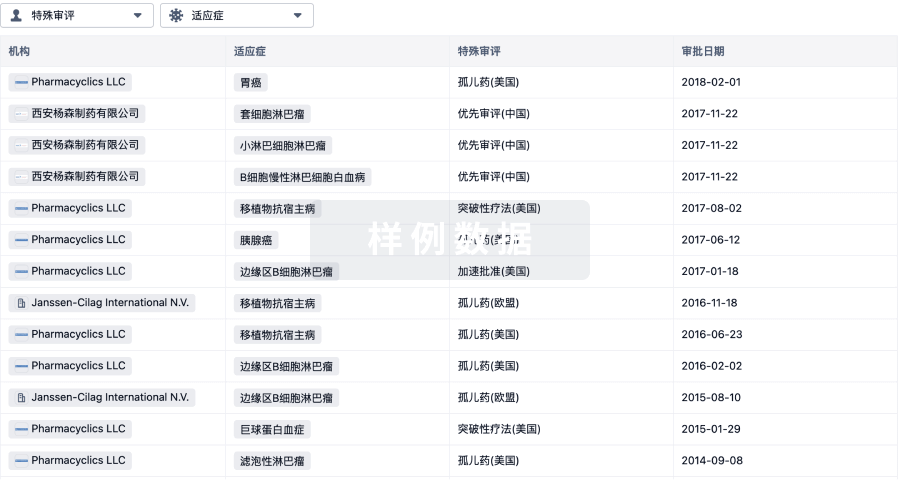
特殊审评
只需点击几下即可了解关键药物信息。
登录
或
芽仔
全新生物医药AI Agent 覆盖科研全链路,让突破性发现快人一步
立即开始免费试用!
智慧芽新药情报库是智慧芽专为生命科学人士构建的基于AI的创新药情报平台,助您全方位提升您的研发与决策效率。
立即开始数据试用!
智慧芽新药库数据也通过智慧芽数据服务平台,以API或者数据包形式对外开放,助您更加充分利用智慧芽新药情报信息。
生物序列数据库
生物药研发创新
免费使用
化学结构数据库
小分子化药研发创新
免费使用