预约演示
更新于:2026-07-28
MT-200605
更新于:2026-07-28
概要
基本信息
关联
2
项与 MT-200605 相关的临床试验NCT07205328
A Multicenter, Randomized, Double-blind, Placebo-controlled Phase II Clinical Study to Evaluate the Efficacy and Safety of MT200605 in Patients With Acute Ischemic Stroke.
MT200605 is an agonist of the receptor tyrosine kinase B (TrkB). It exerts brain-derived neurotrophic factor (BDNF)-like effects, protecting the structure and function of neural tissues in the brain. Simultaneously, it enhances ATP synthesis in the mitochondria of the striatum and bolsters antioxidant and free radical-scavenging capabilities.
MT200605 is anticipated to confer pharmacological benefits including the reduction of neuronal apoptosis, antioxidant/free radical scavenging activity, anti-inflammatory effects, modulation of neuronal excitability, and amelioration of cerebral ischemic injury in patients with ischemic stroke.
This Phase II exploratory study will be conducted across 32 research centers in China. It plans to enroll 360 patients diagnosed with acute ischemic stroke within 24 hours of onset. Subjects will be randomized to receive either a high, medium, or low dose of MT200605 or a placebo, in addition to standard medical care. The primary efficacy endpoint is the proportion of subjects achieving a modified Rankin Scale (mRS) score of ≤1 at 3 months post-stroke. Secondary efficacy endpoints include the reduction in the National Institutes of Health Stroke Scale (NIHSS) score from baseline at day 14, among others.
MT200605 is anticipated to confer pharmacological benefits including the reduction of neuronal apoptosis, antioxidant/free radical scavenging activity, anti-inflammatory effects, modulation of neuronal excitability, and amelioration of cerebral ischemic injury in patients with ischemic stroke.
This Phase II exploratory study will be conducted across 32 research centers in China. It plans to enroll 360 patients diagnosed with acute ischemic stroke within 24 hours of onset. Subjects will be randomized to receive either a high, medium, or low dose of MT200605 or a placebo, in addition to standard medical care. The primary efficacy endpoint is the proportion of subjects achieving a modified Rankin Scale (mRS) score of ≤1 at 3 months post-stroke. Secondary efficacy endpoints include the reduction in the National Institutes of Health Stroke Scale (NIHSS) score from baseline at day 14, among others.
开始日期2025-10-01 |
申办/合作机构 |
NCT05948774
A Randomized, Double-blind, Placebo Control, Phase 1 Clinical Trial to Evaluate the Safety, Tolerability, and Pharmacokinetics After Single Ascending Dose (SAD) and Multiple Ascending Dose (MAD) of MT200605 for Injection in Healthy Subjects.
The goal of this randomized, double-blind, placebo control, Phase I clinical trial is to evaluate the Safety, Tolerability, and Pharmacokinetics after Single Ascending Dose (SAD) and multiple Ascending Dose (MAD) of MT200605 for Injection in Healthy Subjects.
The main questions it aims to answer are:
1. The safety and tolerability of MT200605 injection in health subjects
2. The Pharmacokinetic characteristic of MT200605 injction in health subjects
The study aims to recruit 60 health subjects and participants will be randomly allocate to two stages (SAD and MAD) with 36 subjects in SAD and 24 subjects in MAD stages.
The placebo will be used in this study, and the researchers will compare the placebo and test article to see if the MT200605 will be safe or well tolerated.
The main questions it aims to answer are:
1. The safety and tolerability of MT200605 injection in health subjects
2. The Pharmacokinetic characteristic of MT200605 injction in health subjects
The study aims to recruit 60 health subjects and participants will be randomly allocate to two stages (SAD and MAD) with 36 subjects in SAD and 24 subjects in MAD stages.
The placebo will be used in this study, and the researchers will compare the placebo and test article to see if the MT200605 will be safe or well tolerated.
开始日期2023-07-11 |
申办/合作机构 |
100 项与 MT-200605 相关的临床结果
登录后查看更多信息
100 项与 MT-200605 相关的转化医学
登录后查看更多信息
100 项与 MT-200605 相关的专利(医药)
登录后查看更多信息
94
项与 MT-200605 相关的新闻(医药)2026-07-28
·麦科奥特
MICOT
点击蓝字 关注我们
Slide to view different languages
滑动查看不同语言
脑梗,学名为缺血性卒中,是由于脑部动脉严重狭窄或闭塞导致局部脑组织缺血、缺氧性坏死的临床综合征。根据最新全球疾病负担数据,全球每年1200万人新发脑梗,550万人因此离世。换算下来,每不到3秒钟,世界上就有一个人遭遇脑梗。
更让人揪心的是幸存者的处境——70%至80% 的脑梗幸存者会留下不同程度的神经损伤后遗症。说话含糊不清、半边身子动不了、走路需要人搀扶、吃饭容易呛咳……这些不是极少数人的不幸,而是大多数脑梗患者要面对的现实。
很多人以为,脑梗就是血管堵了,疏通开就好了。但现实远比想象中复杂。
脑梗真正的伤害,不只是那根堵住的血管
溶栓和取栓确实是目前最主流的血管再通手段,但一个事实是:临床上,仅有9.4%的发病患者接受了静脉溶栓,意味着大部分脑梗患者在发病后没有接受溶栓治疗。
而且溶栓药物有严格的时间窗限制,通常要求在发病4.5小时内使用;取栓手术的时间窗稍长,但也大多要求在6到24小时内完成。再加上患者本人及家属对脑梗症状的识别延迟、赶到医院所需的时间、医院资质和设备等条件的限制,真正能赶在时间窗内完成血管再通的患者非常少。
这意味着,大多数脑梗患者,只能依靠常规的保守治疗——用一些抗血小板药物、控制血压血糖、营养神经,然后等待大脑自己恢复。
保守治疗不是不管用,而是太被动。它缺少一个能够主动干预脑梗后“细胞崩溃”过程的武器。这正是脑梗的致残率依然居高不下的根本原因之一。
因为脑梗真正的伤害,不只是那根堵住的血管,而是血管堵塞后大脑里那场“细胞大崩溃”。
1986年的诺贝尔奖,改写了大脑的命运
在回答“为什么血管通了人还不好”之前,我们先回到1986年的诺贝尔生理学或医学奖。
那一年,丽塔·列维-蒙塔尔奇尼和斯坦利·科恩因发现神经生长因子(NGF) 而获奖。这个发现震撼了当时的医学界——它第一次证明:神经细胞不是“一次性”的消耗品,而是可以被特定物质“滋养”和“保护”的。
在此之前,科学界普遍认为成年人的大脑就像一块用完的电池,神经元死一个少一个,永远无法再生。但NGF的发现撕开了这道裂口:原来,神经元像植物一样,需要特定的“养分”才能存活、生长和维持功能。
神经生长因子的发现,是现代神经保护研究的奠基石。 它开启了一个全新的时代——科学家们开始相信,如果能找到大脑自带的“生长密码”,就有可能在脑部遭受重创(比如脑梗)时,用药物给濒死的神经元提供营养,保住它们。
基于这一逻辑,科学家们进一步发现了大脑中类似NGF的更多“滋养因子”,其中最关键的,叫做脑源性神经营养因子(BDNF) 。它就是大脑自带的“修复总指挥”。
脑梗后,大脑里倒塌的“四块多米诺骨牌”
有了诺贝尔奖的铺垫,我们现在可以理解:脑梗的本质,是大脑的“养分供应站”被切断了。 血管堵塞后,脑组织断氧断糖,那些依赖能量生存的神经元开始像多米诺骨牌一样连环崩塌。
第一块牌
断电缺氧,细胞开始“闹饥荒”
血管堵死后几分钟,堵塞区域的神经细胞能量工厂(线粒体)停工。维持细胞内外平衡的“离子泵”失灵,钙离子大量涌入细胞内,激活了各种破坏性酶,细胞从内部被啃噬。
第二块牌
兴奋性毒性,细胞被“激动死”
缺氧状态下,神经细胞会大量释放一种叫做“谷氨酸”的兴奋性递质。它像失控的洪水一样淹没周围的神经细胞,过度刺激它们,把它们“激动”致死。你可以想象:被困在火灾现场的人,不是被火烧死,而是被身边同样被困的人拼命摇晃致死——这就是兴奋性毒性。
第三块牌
血流再通,反而带来二次打击
医生紧急开通血管是绝对的救命措施,但反直觉的是,血流恢复也会带来伤害。突然涌入的氧气在受损的线粒体中产生大量氧自由基,像火星死灰复燃,对已经极度脆弱的脑组织发起新一轮攻击——这就是再灌注损伤。
第四块牌
炎症风暴,大脑“自我凋亡”
损伤信号激活大脑自身的免疫细胞,引发剧烈炎症。炎症因子破坏保护大脑的“血脑屏障”,加剧水肿,并强行启动神经细胞的“自我凋亡程序”。
这一系列连环反应,集中在缺血半暗带——梗死核心周围“半死不活”的区域。如果能及时干预,这片区域还能救;如果放任,损伤将不可逆转。
传统治疗为什么不够?
溶栓和取栓疏通了堵塞的血管,解决了“水管不通”的问题,这是卒中治疗伟大的进步。但它们瞄准的是“水管”,却无法保护田里受损的“庄稼”(缺血半暗带神经元)。
过去几十年,科学家尝试了各种神经保护药,试图作为“铲除火灾的消防员”堵住某一个破坏性环节,比如单纯清除氧自由基。但脑梗是连环性的级联反应,仅解决单一环节就像派一个消防员去扑灭一整座燃烧的城市,往往力不从心。
更关键的是,很多旧策略忽略了诺贝尔奖级别的核心逻辑:不仅要防止神经细胞死掉,还要滋养受损的神经细胞去“生长”,让它自己修复。
如果没有“养分”滋养,即使细胞暂时活下来,它也是失能的、萎缩的,无法重建神经网络——这就是为什么很多患者血管通了,仍长期受偏瘫、失语等后遗症困扰。
新思路:向诺贝尔奖致敬——一边“护”,一边“修”
如果我们把NGF/BDNF这类神经营养因子看作大脑自带的“修复总指挥”,那么理想中的脑梗药物,不仅要做铲除火灾的消防员,还要做下达修复指令的总指挥。
但这里有一个巨大的挑战:血脑屏障。这是大脑的一道天然“城墙”,用来阻挡血液中的有害物质进入脑组织。但也正因为这道屏障,绝大多数药物无法进入大脑发挥作用——这也是过去很多神经保护药物在实验室有效、到临床上却失败的重要因素。
由麦科医药自主研发的MT200605,是一款能够高效穿透血脑屏障的小分子静脉注射液。这意味着它能真正“抵达战场”,在脑组织内部直接发挥作用。而且,在目前所有进入临床阶段的缺血性卒中治疗药物中,MT200605是唯一能够穿透血脑屏障、靶向BDNF/TrkB通路、具有神经营养作用的小分子激动剂。这一独特性,让它有望填补“神经营养修复”这一领域的临床空白。
基于这一前提,MT200605设计了双机制协同的治疗思路:
主动“护”——扑灭“大火”,减少伤亡
精准清除梗死后及再灌注后产生的大量氧自由基,同时抑制神经细胞凋亡、减轻炎症风暴,为濒死的神经元争取“黄金抢救时间”。这叫主动保护——先稳住局面,及时止损。
主动“修”——重启大脑的自愈力
这正是MT200605向诺贝尔奖成果致敬的核心设计。它穿越血脑屏障,选择性激活大脑里TrkB受体——这个受体,正是大脑自带的“养分”(BDNF)所作用的靶点。通过激活TrkB,MT200605相当于直接下达了BDNF的修复指令,告诉受损的神经细胞:“活下来,然后长出新的连接!”
这叫主动修复——它不是替代大脑工作,而是激活大脑神经细胞自身的再生潜能,促进神经突触重塑,为长期功能恢复铺路。
MT200605的作用机制(来源:麦科医药招股书)
一边灭火,一边重建;一边防止死亡,一边下达“生长”的指令。 这就是MT200605与以往脑神经保护药物的本质区别——它既尊重了诺贝尔奖揭示的“神经营养”真理,又直面了脑梗后复杂的病理战场。
让更多脑梗患者,活得有尊严
脑梗后遗症有多残酷?70%到80%的幸存者深有体会——曾经能自己吃饭、走路、说话的人,一夜之间连一个字都说不清楚,连端起一杯水都做不到。
而中国每年新增409万例脑梗——这意味着数百万个家庭被拖入漫长的照护泥潭。发病后的前3个月是神经功能恢复的黄金窗口。如果在这段时间里,除了开通血管之外,还有一种药物能同时做到“阻止神经细胞死亡”和“重启大脑自愈力”,那将意味着什么?
意味着更多的人可以摆脱卧床状态,重新实现生活自理、体面独立;意味着许多家庭不必困在无休止的长期照护之中;意味着脑梗之后,人生不必被永久的残疾定义。
MT200605已完成了涉及360例患者的II期临床研究数据库锁定,即将进入揭盲和统计分析阶段。创新药研发道路漫长,但从1986年诺贝尔奖为神经保护埋下种子,到今天“护修并举”的药物走进临床验证,科学的每一步都在回应同一个问题:人的尊严,能不能在脑梗之后被保住?
创新药研发道路漫长,但每一次扎实的推进,都让希望更近一步。
MICOT
Ischemic stroke, or cerebral infarction, is caused by severe stenosis or occlusion of a cerebral artery, leading to focal cerebral ischemia, hypoxia, and tissue necrosis. According to the latest Global Burden of Disease data, 12 million people worldwide experience a new ischemic stroke each year, and 5.5 million die from it—equivalent to one new case less than every three seconds.
Among survivors, 70%–80% are left with neurological deficits of varying severity, including slurred speech, unilateral weakness or paralysis, impaired mobility, and choking or coughing while eating. These are not rare outcomes, but the reality faced by most survivors.
Many people assume that reopening the blocked vessel solves the problem. The reality is far more complex.
The Damage Goes Beyond the Blocked Vessel
IV thrombolysis and mechanical thrombectomy are the main recanalization therapies. However, only 9.4% of patients receive IV thrombolysis, meaning that most do not receive thrombolytic treatment after stroke onset.
Thrombolytic drugs generally must be given within 4.5 hours of onset. Mechanical thrombectomy has a longer window, usually 6–24 hours. Delayed symptom recognition, travel time, and limitations in hospital capabilities and equipment mean that few patients receive recanalization within the treatment window.
Most patients therefore receive standard medical management, including antiplatelet therapy, blood pressure and glucose control, and neurotrophic support, while waiting for the brain to recover.
Such treatment is not ineffective, but remains passive. It cannot actively interrupt the cellular injury cascade after ischemic stroke, which is one reason post-stroke disability remains high.
The damage lies not only in the blocked vessel, but also in the cellular collapse that follows.
How the 1986 Nobel Prize Changed Our Understanding of the Brain
To understand why patients may not recover after blood flow is restored, we need to return to the 1986 Nobel Prize in Physiology or Medicine.
Rita Levi-Montalcini and Stanley Cohen received the prize for discovering growth factors—nerve growth factor (NGF) and epidermal growth factor (EGF), respectively. Their discoveries showed that nerve cells can be supported and protected by specific biological factors.
Previously, the adult brain was widely viewed as a depleted battery: once a neuron died, it was permanently lost. NGF challenged this belief by showing that neurons require specific trophic signals to survive, grow, and maintain function.
The discovery of NGF laid the foundation for modern neuroprotection. It suggested that drugs might preserve endangered neurons by harnessing the brain’s intrinsic growth signals after severe injury, including ischemic stroke.
Scientists later identified additional neurotrophic factors, including brain-derived neurotrophic factor (BDNF), a key regulator of neuronal survival and repair.
The Four Dominoes After Ischemic Stroke
Ischemic stroke cuts off the brain’s oxygen and glucose supply, causing energy-dependent neurons to fail in a cascade.
Domino One
Energy Failure
Within minutes of vascular occlusion, neuronal mitochondria stop functioning. Ion pumps fail, calcium enters the cells, and destructive enzymes damage them from within.
Domino Two
Excitotoxicity
Hypoxic neurons release excessive glutamate, overstimulating nearby neurons and causing cell death. This process is known as excitotoxicity.
Domino Three
Reperfusion Injury
Emergency recanalization is lifesaving, but restored blood flow may also cause secondary injury. The sudden influx of oxygen generates reactive oxygen species (ROS) in damaged mitochondria, further attacking vulnerable brain tissue.
Domino Four
Neuroinflammation
Damage signals activate the brain’s immune cells and trigger neuroinflammation. Inflammatory mediators disrupt the blood–brain barrier (BBB), worsen cerebral edema, and activate neuronal apoptosis.
The main battleground is the ischemic penumbra—the impaired but potentially salvageable tissue surrounding the infarct core. Timely intervention may rescue it; without treatment, the damage becomes irreversible.
Why Are Existing Treatments Not Enough?
IV thrombolysis and mechanical thrombectomy reopen blocked vessels, a major advance in stroke treatment. However, they target the vessel and cannot directly protect vulnerable neurons in the ischemic penumbra.
Over recent decades, many neuroprotective agents have targeted individual steps in the ischemic cascade, such as ROS scavenging. Yet ischemic injury is interconnected, and targeting only one step is often insufficient.
More importantly, preventing neuronal death is not enough. Damaged neurons also need trophic support to survive, recover, and rebuild.
Without such support, surviving neurons may remain dysfunctional and atrophic, unable to reconstruct neural networks. This may explain why many patients continue to experience hemiplegia, aphasia, and other sequelae after successful recanalization.
A New Strategy: Protect and Repair
If NGF and BDNF are the brain’s intrinsic repair signals, an ideal ischemic stroke therapy should both limit acute injury and initiate repair.
A major challenge is the BBB. While it protects the brain from harmful substances, it also prevents most drugs from reaching brain tissue. This is one reason many neuroprotective agents that worked in laboratory studies later failed clinically.
MT200605, independently developed by Micot Pharma, is a small-molecule IV formulation capable of efficiently crossing the BBB and acting directly within brain tissue.
Among ischemic stroke therapies currently in clinical development, MT200605 is the only small-molecule agonist that crosses the BBB, targets the BDNF/TrkB pathway, and exerts neurotrophic effects. It may therefore address the unmet need for neurotrophic repair.
MT200605 was designed with two complementary, synergistic mechanisms:
Active Protection—Limiting Acute Injury
MT200605 scavenges ROS generated after cerebral infarction and reperfusion, while inhibiting neuronal apoptosis and reducing inflammation, thereby providing endangered neurons with a critical therapeutic window.
This is active protection: stabilizing the situation and limiting further damage.
Active Repair—Reactivating Intrinsic Recovery
After crossing the BBB, MT200605 selectively activates TrkB, the receptor through which BDNF exerts its effects.
By activating TrkB, MT200605 delivers a BDNF-like repair signal to damaged neurons, promoting survival and the formation of new connections.
This is active repair. Rather than replacing brain function, MT200605 is designed to activate neuronal regenerative potential, promote synaptic remodeling, and support long-term functional recovery.
Mechanism of Action of MT200605
Source: Micot Pharma Prospectus
Protecting while repairing; preventing death while promoting growth. This is the key difference between MT200605 and earlier neuroprotective agents: it combines neurotrophic support with intervention across the complex pathology of ischemic stroke.
Helping More Patients Live with Dignity
Seventy to eighty percent of ischemic stroke survivors experience lasting deficits. A person once able to eat, walk, and speak independently may suddenly be unable to speak clearly or lift a glass of water.
China records 4.09 million new ischemic stroke cases each year, placing millions of families under prolonged caregiving pressure. The first three months after onset are a critical window for neurological recovery. During this period, what would it mean if a drug could both prevent neuronal death and reactivate the brain’s intrinsic recovery capacity, in addition to reopening the vessel?
It could mean that more patients regain independence and live with dignity; that fewer families remain trapped in long-term caregiving; and that life after ischemic stroke is not permanently defined by disability.
Database lock has been completed for the 360-patient Phase II clinical study of MT200605, which will soon proceed to unblinding and statistical analysis.
Innovative drug development is a long journey. From the scientific foundations established by the 1986 Nobel Prize to the clinical evaluation of a therapy combining protection and repair, each step addresses the same question:
Can human dignity be preserved after ischemic stroke?
Every rigorous step forward brings that hope closer.
MICOT
2026-07-24
PHARMA R&D INTEGRATED BRIEFING医药研发综合日报
2026年7月24日 · 覆盖 07-22 至 07-24(48小时)
整合来源:肿瘤 / 神经 / 自免 / 代谢 深度调研 + 综合日报
概览
监管审批端,NMPA同日批准恒瑞PD-1+TKI联合方案升级宫颈癌一线和海思科全球首个口服CFB抑制剂Ciprocopan治疗PNH;FDA受理Revolution Medicines的pan-RAS(ON)抑制剂daraxonrasib胰腺癌NDA并纳入优先审评试点。临床数据端,J&J MonumenTAL-6以HR=0.11创造RRMM双抗联合方案历史最低风险比;礼来三靶点激动剂retatrutide两项III期同时成功,12mg剂量80周减重22.6%。学术前沿,Nature同期发表装甲型CAR-T治疗实体瘤(HCC)和化疗诱导儿童癌症复发突变特征两项重磅研究。细胞疗法在自免领域持续扩展,西比曼C-CAR168获EMA PRIME资格(SLE)。T0
重磅监管审批与突破性数据肿瘤 综合 事件 #1J&J MonumenTAL-6:teclistamab+talquetamab联合方案RRMM创历史最低HR
J&J公布III期MonumenTAL-6阳性顶线结果。teclistamab(BCMA×CD3双抗)联合talquetamab(GPRC5D×CD3双抗)用于经治r/r多发性骨髓瘤,首次IA即达主要终点:疾病进展或死亡风险降低89%(HR=0.11),死亡风险降低62%(HR=0.38)。这是双特异性抗体联合方案在RRMM中取得的最低风险比。另一臂talquetamab+泊马度胺同样显著优于标准治疗(HR=0.27)。IDMC建议首次IA即揭盲。终点PFSOSHR(风险比)0.11(风险降低89%)0.38(风险降低62%)
J&J IR · Targeted Oncology · OncLive肿瘤 事件 #2恒瑞卡瑞利珠单抗+法米替尼获NMPA批准宫颈癌一线治疗
NMPA于7月23日批准恒瑞注射用卡瑞利珠单抗(PD-1)联合苹果酸法米替尼(多靶点TKI)用于PD-L1阳性(CPS≥1)复发或转移性宫颈癌一线治疗。法米替尼(靶向PDGFR-β/VEGFR/c-Kit等)于2025年5月获批上市,此次联合方案获批标志着靶免联合疗法完成从晚期二线向一线的布局升级。III期研究显示联合组mOS达35.8个月。
第一财经 · 凤凰网代谢 综合 事件 #3礼来retatrutide两项III期TRIUMPH研究同时达主要终点
礼来公布retatrutide(GLP-1/GIP/胰高血糖素三靶点激动剂)两项关键III期阳性结果。TRIUMPH-3:严重肥胖合并心血管疾病患者,12mg剂量80周平均减重55.8磅(22.6%),9mg减重52.7磅(21.6%),安慰剂仅7.7磅(3.2%)。TRIUMPH-2:合并T2D和心血管疾病的肥胖患者,12mg减重20.8%,A1C最大降幅1.6%。作为全球进度最快的三靶点激动剂,减重幅度超越现有单/双靶点GLP-1类药物。礼来计划2027年提交NDA。研究12mg减重9mg减重安慰剂TRIUMPH-322.6%21.6%3.2%TRIUMPH-220.8%——
Eli Lilly IR · PharmExec自免 综合 事件 #4Ciprocopan获NMPA批准 — 全球首个口服CFB抑制剂(PNH)
海思科/Nuvectis的Ciprocopan(琥珀酸思普可泮片/优可盼)7月23日获NMPA批准上市,用于未接受补体抑制剂治疗的PNH成人患者。该药为全球首个每日一次口服补体因子B(CFB)小分子抑制剂,通过优先审评审批程序获批,从申报到获批不足3年。PNH为补体介导的自身免疫性疾病,Ciprocopan获批代表补体靶向治疗从注射剂向口服制剂的重要范式转变。
NMPA · PRNewswire · Nasdaq综合 事件 #5FDA受理Revolution Medicines daraxonrasib NDA(胰腺癌)
FDA已受理口服pan-RAS(ON)多选择性抑制剂daraxonrasib(RMC-6236)的NDA,用于经治转移性胰腺导管腺癌。该药此前已获FDA突破性疗法认定和孤儿药资格,本次NDA被选入FDA Commissioner’s National Priority Voucher(CNPV)优先审评试点项目。基于III期RASolute 302研究数据申报,若获批将成为胰腺癌领域首个真正意义上的RAS靶向口服药物。
BioSpace · Cancer Network肿瘤 事件 #6Nature:C-CAR031装甲型GPC3 CAR-T首次人体HCC数据
浙江大学梁廷波/张琪团队联合AbelZeta Pharma在Nature发表GPC3特异性dnTGFβRII装甲型CAR-T(C-CAR031/AZD7003)治疗晚期HCC首次人体数据。36例重度经治患者(中位4线既往治疗):肿瘤缩小率89%(32/36例),中位最佳肿瘤缩小41.6%(范围3.4-94%),安全性可管理。AstraZeneca已全球收购该资产。这是GPC3靶向CAR-T在实体瘤中迄今最亮眼的临床数据。
Nature · AbelZeta自免 事件 #7C-CAR168获EMA PRIME资格认定(SLE/LN)
西比曼生物(AbelZeta)宣布CD20/BCMA双靶点CAR-T候选药C-CAR168获EMA CHMP授予PRIME优先药物资格认定,用于难治性SLE伴或不伴狼疮肾炎。C-CAR168旨在同时清除自身反应性B细胞和抗体产生浆细胞,实现更深、更持久的免疫重置。这是CAR-T疗法在自免领域获得的重大欧洲监管认可。
AbelZeta · PBRT1
重要临床进展与监管里程碑肿瘤百利天恒BL-B01D1(iza-bren)乳腺癌III期全面铺开
EGFR×HER3双抗ADC BL-B01D1(iza-bren)III期PANKU-Breast03完成首例入组(HR+/HER2-乳腺癌,对比化疗)。同日PANKU-Breast04完成登记(联合PD-1 vs 白蛋白紫杉醇+PD-1一线TNBC,计划436例)。此前TNBC III期OS数据:mOS 15.9 vs 12.5个月(HR 0.60)。iza-bren为全球首个获批的EGFR×HER3双抗ADC,乳腺癌III期全面扩展标志其从肺癌向实体瘤全领域平台化推进。
凤凰网 · 腾讯新闻肿瘤欧盟批准Etcamah(camizestrant)联合CDK4/6i用于ESR1突变乳腺癌一线
欧盟委员会批准AstraZeneca新一代口服SERD Etcamah联合CDK4/6i用于ESR1突变ER+/HER2-晚期乳腺癌一线。基于SERENA-6 III期:中位PFS 16.0 vs 9.2个月(HR 0.44),PFS风险降低56%。PFS2分析同样阳性:25.7 vs 19.1个月(HR 0.63)。填补了CDK4/6i经治后ESR1突变患者的治疗空白。
AstraZeneca · OncLive综合瑞博生物vortosiran IIa期阳性 — 全球首个FXI siRNA临床PoC
瑞博生物(6938.HK)公布vortosiran(RBD4059)IIa期数据。vortosiran为全球首个靶向凝血因子XI的siRNA药物,入组30例慢性冠心病患者。高剂量组FXI活性平均最大降幅达92%,呈剂量依赖性且持久抑制,计划每3-6个月给药一次。在阿司匹林标准治疗基础上无重大出血事件。为全球首个siRNA介导FXI抑制的多剂量临床概念验证。
PRNewswire · Scrip/Citeline神经Prime Medicine PM577a:首个Wilson disease体内基因编辑疗法获FDA IND
Prime Medicine宣布PM577a获FDA IND批准,用于H1069Q突变Wilson disease。PM577a为体内Prime Editor,可在不切断DNA双链的情况下精准修正ATP7B基因突变。这是首个进入临床的Wilson disease基因编辑疗法,也是Prime Editor技术从血液病向神经/肝脏遗传病领域的重要扩展。
GlobeNewswire · BioPharma Dive代谢ACC 2026 HFpEF专家共识 + ESC心衰预防新声明
ACC于JACC发表2026年HFpEF管理专家共识决策路径。核心更新:SGLT2抑制剂被明确为HFpEF基础治疗(不论糖尿病状态);GLP-1受体激动剂在T2D患者中心肾保护地位进一步巩固。同期ESC发布心衰预防新声明,将SGLT2i列为心血管高危患者的心衰预防首选药物。这是心肾代谢交叉领域的重要共识更新。
JACC · ACC神经Apertura Gene Therapy入选ARPA-H THRIVE计划(BBB穿透AAV)
Apertura入选ARPA-H THRIVE计划资助联盟,开发TfR1 CapX衣壳介导BBB穿透AAV载体。该载体经静脉给药后可通过转铁蛋白受体1介导穿越BBB,实现脑和脊髓广泛分布,将配接David Liu实验室的碱基编辑和先导编辑工具,针对罕见儿童神经系统疾病。
PRNewswire · FierceBiotech综合BMS iberdomide NDA获FDA受理 + 突破性疗法认定(多发性骨髓瘤)
FDA已受理iberdomide联合达雷妥尤单抗+地塞米松用于RRMM的NDA,并授予突破性疗法认定。Iberdomide为新型CELMoD,PDUFA日期为2026年8月17日,通过FDA Project Orbis同步审评。
TMX · Targeted OncologyT2
管线推进与市场动态#领域事件摘要15神经NeuroSense PrimeC获加拿大NDS推进 + 美国Phase 3批准(ALS)西洛他唑+氯唑沙宗口服复方。Phase 2b:TDP-43生物标志物达标(p=0.042),中位生存延长14.9个月(HR=0.35)。同步获FDA批准启动Phase 3。16自免Anifrolumab在难治性皮肌炎展现快速皮肤改善SLE已获批药Saphnelo:CDASI-A评分1个月改善>50%,>90%患者6个月内激素减量。拓展自免疾病谱应用。17自免CAR-T治疗MG首份系统性证据汇总5项报告7例CD19/BCMA CAR-T治疗MG患者均获改善。7项注册试验(>260例)预计2026-2029完成。18自免argenx VYVGART Q2销售+60%,多适应症在即Q2销售额$15.16亿。ALKIVIA肌炎III期顶线Q3;OCULUS眼肌型MG阳性;ADVANCE-NEXT ITP 2027H1。19神经Obicetrapib:口服CETP抑制剂AD预防新路径AAIC后续分析:APOE4携带者p-tau217降幅最大。支持PREVAIL AD预防试验,从“清除蛋白”向“代谢调控预防”转变。20神经SER-252 Phase 1b Cohort 1完成入组(PD)POZ-阿扑吗啡持续多巴胺能刺激,皮下给药无需泵注,无皮肤反应。8例晚期PD完成。21神经MT200605 II期数据库锁定(卒中)麦科医药急性缺血性卒中在研新药,360例II期数据锁定,即将揭盲。22肿瘤Nature:化疗诱导儿童癌症复发突变特征SickKids团队发现化疗是复发儿童癌症唯一可检测的外源性诱变因素。铂类突变特征最快3个月出现,与不良预后相关。23自免Sotyktu首份PsA上市后市场追踪首个获批PsA的TYK2抑制剂(2026.3 FDA),正在重塑注射型生物制剂主导的PsA口服治疗格局。24自免GenSci136 SLE IND获NMPA受理长春高新/金赛药业BAFF/APRIL双靶点,拟定SLE适应症。金赛正式拓展自免布局。25代谢歌礼ASC36_35 FDC:每月一次三靶点减重胰淀素+GLP-1/GIP三靶点每月一次皮下注射,DIO大鼠减重优于eloralintide/替尔泊肽。EASD 2026口头报告。26代谢plozasiran(REDEMPLO)获澳大利亚TGA批准(FCS)ApoC-III siRNA每季一次,已在美/欧/中/加获批。SHASTA-3/4 III期中位TG降低79-81%。27综合Lundbeck Lu AH69593获FDA快速通道(嗜睡症)口服orexin 2受体激动剂,Phase 1b,与武田TAK-861形成直接竞争。后续关注清单事件关注要点预期时间daraxonrasib NDAPDUFA日期、RASolute 302长期数据待定retatrutide2027 NDA,MACE数据随访2027MonumenTAL-6完整PFS/OS数据学术会议发表近期vortosiranIII期启动时间表待定iberdomidePDUFA审评截止2026-08-17PrimeC加拿大NDS审批 + 美国Phase 3启动待定PM577aWilson disease首例入组待定C-CAR168SLE/LN临床数据读出待定ALKIVIA肌炎argenx Q3顶线数据2026 Q3Ciprocopan经治PNH适应症审评 + 商业化持续SER-252Cohort 1揭盲数据待定MT200605II期揭盲结果近期
2026-07-24
·资讯中国
近日,麦科医药(02335.HK)自主研发的创新药MT200605,用于急性缺血性卒中治疗的II期临床研究正式完成数据库锁定。这意味着,全部受试者的临床数据已完成收集、核查与审核,研究正式进入揭盲、统计分析和临床报告撰写阶段,为后续III期确证性研究奠定关键基础。卒中:每12秒就有一人新发急性缺血性卒中,俗称“脑梗”,是由于脑部动脉严重狭窄或闭塞导致局部脑组织缺血、缺氧性坏死的临床综合征。据权威数据显示,我国每年新发脑卒中约180万人,相当于每12秒就有一人发病,每21秒就有一人因病离世。急性缺血性卒中病理机制复杂。受治疗时间窗、适用人群等因素限制,即使接受并实现再灌注治疗,部分患者仍可能面临持续性神经损伤及神经功能恢复不足——说话不清、半身不遂、记忆力下降等问题可能长期存在。如何加强神经保护、改善功能预后,仍是亟待解决的临床难题。从“病灶”出发设计药物区别于传统的单一靶点药物,麦科医药一直坚持“疾病机制导向”的源头创新。MT200605为一款小分子静脉注射液,能高效清除氧自由基,并选择性激活TrkB受体。其独特之处,在于它不做“临时修补”,而是从疾病源头双管齐下。一方面“保护”——抑制神经元凋亡、减轻兴奋性毒性、拮抗炎症反应减少细胞死亡,这叫被动保护。另一方面“重建”——改善突触可塑性、促进神经再生,从上游重启神经细胞自身的内源性修复程序,这叫主动修复。一“护”一“修”协同作用,同时干预上游信号传导和下游氧化/能量衰竭环节,既减轻当下损伤,又为长期功能恢复铺路——让神经细胞有能力“活得下来、修复得好”。360例患者,5.5个月高效完成入组MT200605的II期研究是一项多中心、随机、双盲、安慰剂对照临床试验,共入组360例急性缺血性卒中患者。从首例患者入组到全部入组完成,仅用时约5.5个月。入组结束后,研究团队高效完成了数据清理、医学审核、不良事件核查等锁库前准备工作,确保了研究质量和数据可靠性。这一系列节点的顺利达成,也体现了麦科医药在多中心临床研究组织、跨团队协同和项目管理方面的综合能力。下一步:揭盲、分析、决策数据库锁定后,MT200605将进入揭盲和统计分析阶段。麦科医药将与统计专家、临床研究中心紧密协作,全面评估药物的有效性、安全性和获益风险比,并根据结果制定后续III期确证性研究方案。创新药研发是一条漫长而艰难的路,需要扎实的科学根基和对患者需求的深刻理解。未来,麦科医药将继续坚持“从疾病机制出发,解决未满足临床需求”的研发理念,以患者需求为核心,稳步推进MT200605的研发进程,努力为卒中患者带来新的治疗希望。
100 项与 MT-200605 相关的药物交易
登录后查看更多信息
研发状态
10 条进展最快的记录, 后查看更多信息
登录
| 适应症 | 最高研发状态 | 国家/地区 | 公司 | 日期 |
|---|---|---|---|---|
| 急性缺血性卒中 | 临床2期 | 中国 | 2025-09-30 | |
| 神经损伤 | 临床2期 | 中国 | 2025-09-30 | |
| 脑损伤 | 临床1期 | 中国 | 2023-07-11 | |
| 再灌注损伤 | 临床1期 | 中国 | 2023-07-11 | |
| 缺血性卒中 | 临床1期 | 美国 | - | |
| 亨廷顿舞蹈病 | 临床前 | 中国 | 2026-03-12 |
登录后查看更多信息
临床结果
临床结果
适应症
分期
评价
查看全部结果
| 研究 | 分期 | 人群特征 | 评价人数 | 分组 | 结果 | 评价 | 发布日期 |
|---|
No Data | |||||||
登录后查看更多信息
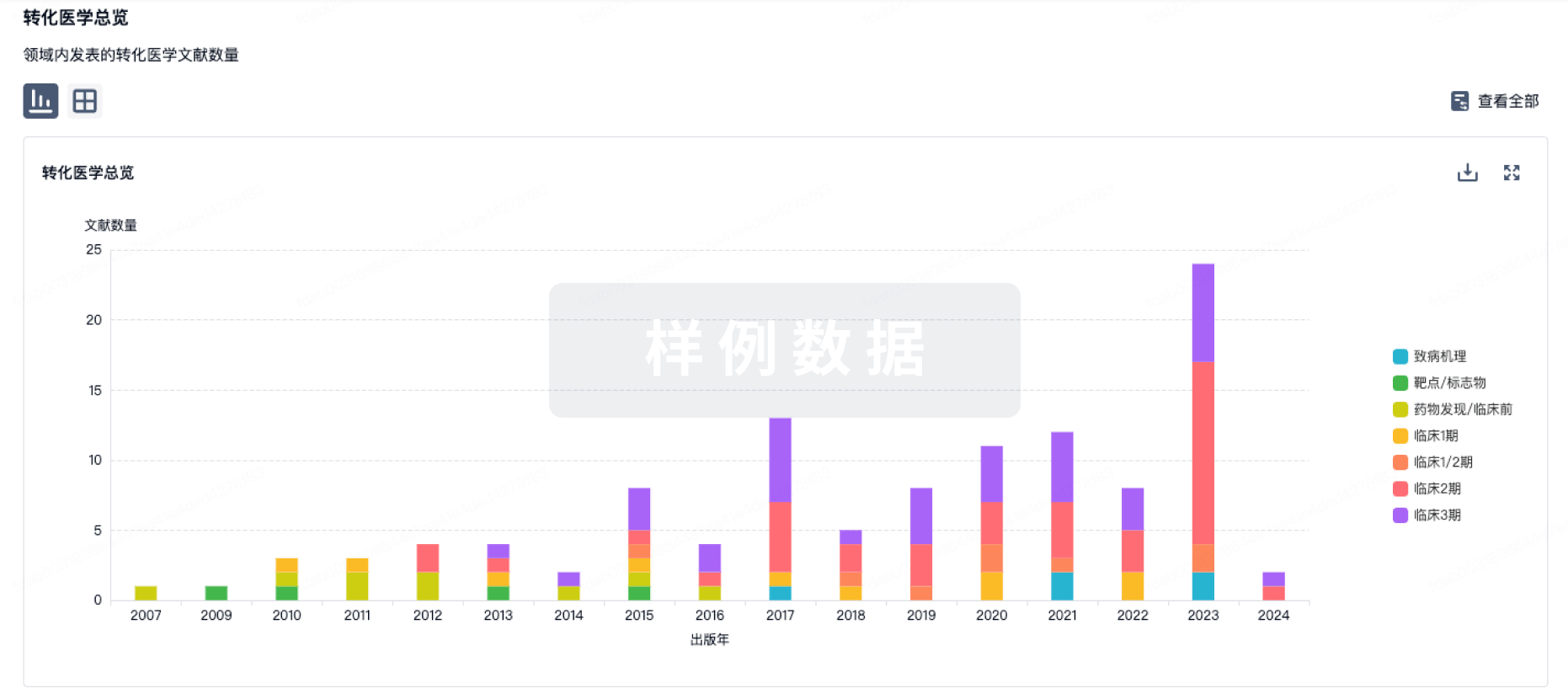
转化医学
使用我们的转化医学数据加速您的研究。
登录
或
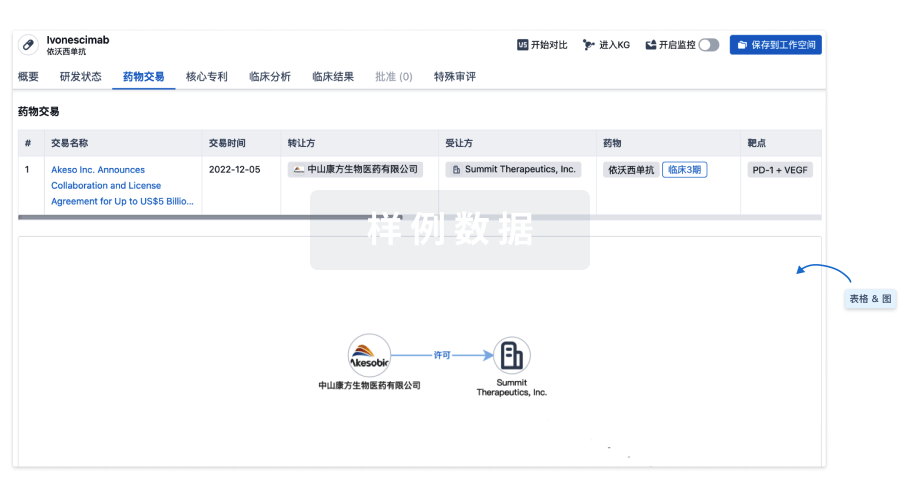
药物交易
使用我们的药物交易数据加速您的研究。
登录
或
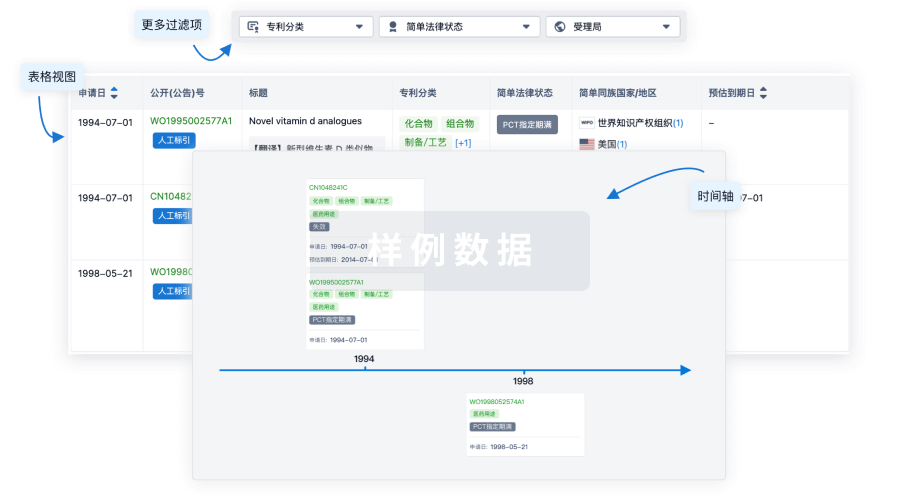
核心专利
使用我们的核心专利数据促进您的研究。
登录
或
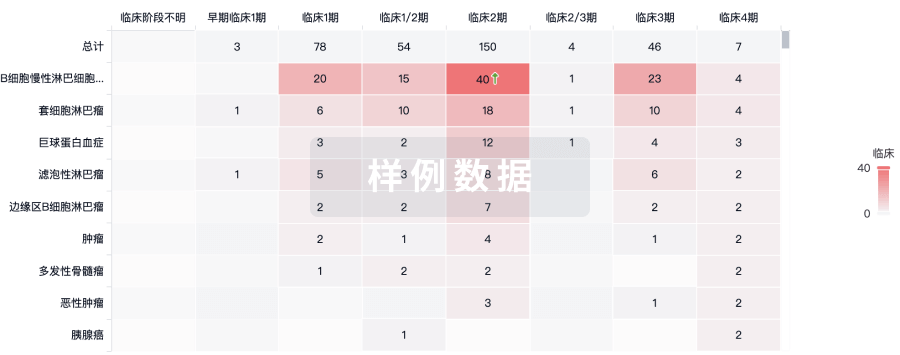
临床分析
紧跟全球注册中心的最新临床试验。
登录
或
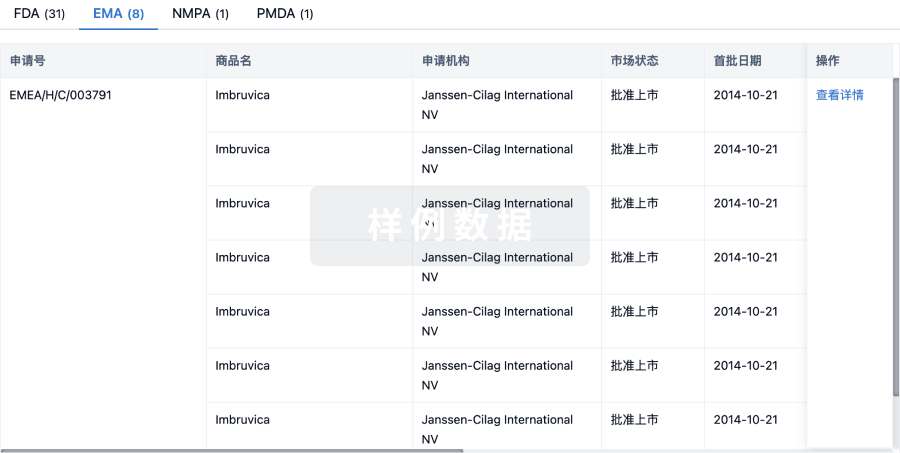
批准
利用最新的监管批准信息加速您的研究。
登录
或
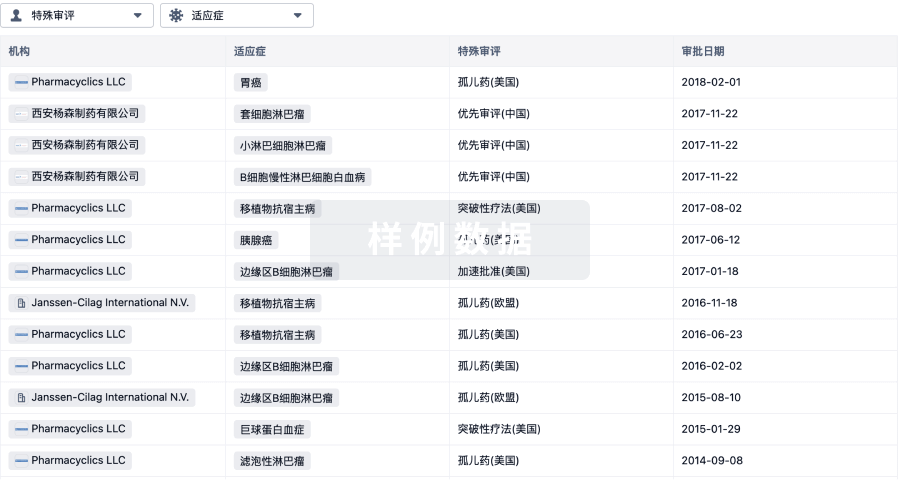
特殊审评
只需点击几下即可了解关键药物信息。
登录
或
芽仔
全新生物医药AI Agent 覆盖科研全链路,让突破性发现快人一步
立即开始免费试用!
智慧芽新药情报库是智慧芽专为生命科学人士构建的基于AI的创新药情报平台,助您全方位提升您的研发与决策效率。
立即开始数据试用!
智慧芽新药库数据也通过智慧芽数据服务平台,以API或者数据包形式对外开放,助您更加充分利用智慧芽新药情报信息。
生物序列数据库
生物药研发创新
免费使用
化学结构数据库
小分子化药研发创新
免费使用