预约演示
更新于:2026-08-01
Allogeneic umbilical cord-derived mesenchymal stromal cell therapy (Orbsen Therapeutics)
更新于:2026-08-01
概要
基本信息
非在研机构- |
权益机构- |
最高研发阶段临床2期 |
首次获批日期- |
最高研发阶段(中国)- |
特殊审评- |



登录后查看时间轴
关联
3
项与 Allogeneic umbilical cord-derived mesenchymal stromal cell therapy (Orbsen Therapeutics) 相关的临床试验ISRCTN80103507
A single-arm, multi-centre, Phase II basket trial investigating the safety and activity of the use of ORBCEL-C™ in the treatment of patients with primary sclerosing cholangitis, rheumatoid arthritis, lupus nephritis and Crohn’s disease
NCT03042143
Repair of Acute Respiratory Distress Syndrome by Stromal Cell Administration (REALIST): An Open Label Dose Escalation Phase 1 Trial Followed by a Randomised, Double-blind, Allocation Concealed, Placebo-controlled Trial.
NCT02997878
An Adaptive, Multicentre, Phase IIa, Multi-disease Trial Investigating the Safety & Activity of a Single Infusion of Selected Mesenchymal Stromal Cells in the Treatment of Patients With Primary Sclerosing Cholangitis & Autoimmune Hepatitis
100 项与 Allogeneic umbilical cord-derived mesenchymal stromal cell therapy (Orbsen Therapeutics) 相关的临床结果
登录后查看更多信息
100 项与 Allogeneic umbilical cord-derived mesenchymal stromal cell therapy (Orbsen Therapeutics) 相关的转化医学
登录后查看更多信息
100 项与 Allogeneic umbilical cord-derived mesenchymal stromal cell therapy (Orbsen Therapeutics) 相关的专利(医药)
登录后查看更多信息
5
项与 Allogeneic umbilical cord-derived mesenchymal stromal cell therapy (Orbsen Therapeutics) 相关的文献(医药)2023-08-01American journal of respiratory and critical care medicine
Repair of Acute Respiratory Distress Syndrome in COVID-19 by Stromal Cells (REALIST-COVID Trial): A Multicenter, Randomized, Controlled Clinical Trial
Article
作者: O’Kane, Cecilia M. ; Welters, Ingeborg D.M. ; Rynne, Jennifer ; Albaiceta, Guillermo ; Laffey, John G. ; Gardiner, Hannah J. ; McDowell, Cliona ; Perkins, Gavin D. ; Curley, Gerard ; Silversides, Jonathan ; Campbell, Christina ; Jackson, Colette ; Rostron, Anthony J. ; McFarland, Margaret ; McFerran, Jamie ; Brealey, David ; Bentley, Andrew M. ; Hopkins, Phillip ; Shankar-Hari, Manu ; Kefela, Kallirroi ; Dushianthan, Ahilanadan ; Krasnodembskaya, Anna ; McGuigan, Peter ; Amado-Rodríguez, Laura ; Bannard-Smith, Jonathan ; Gorman, Ellen A. ; Smythe, Jon ; Tunnicliffe, William S. ; Thompson, Jacqui ; Clarke, Mike ; McAuley, Daniel F. ; Williams, Barry
Abstract:
Rationale:
Mesenchymal stromal cells (MSCs) may modulate inflammation, promoting repair in coronavirus disease (COVID-19)–related acute respiratory distress syndrome (ARDS).
Objectives:
We investigated the safety and efficacy of ORBCEL-C (CD362 [cluster of differentiation 362]–enriched, umbilical cord–derived MSCs) in COVID-19–related ARDS.
Methods:
In this multicenter, randomized, double-blind, allocation-concealed, placebo-controlled trial (NCT 03042143), patients with moderate to severe COVID-19–related ARDS were randomized to receive ORBCEL-C (400 million cells) or placebo (Plasma-Lyte 148). The primary safety and efficacy outcomes were the incidence of serious adverse events and oxygenation index at Day 7, respectively. Secondary outcomes included respiratory compliance, driving pressure, PaO2:Fi O2 ratio, and Sequential Organ Failure Assessment score. Clinical outcomes relating to duration of ventilation, lengths of ICU and hospital stays, and mortality were collected. Long-term follow-up included diagnosis of interstitial lung disease at 1 year and significant medical events and mortality at 2 years. Transcriptomic analysis was performed on whole blood at Days 0, 4, and 7.
Measurements and Main Results:
Sixty participants were recruited (final analysis: n = 30 received ORBCEL-C, n = 29 received placebo; 1 participant in the placebo group withdrew consent). Six serious adverse events occurred in the ORBCEL-C group and three in the placebo group (risk ratio, 2.9 [95% confidence interval, 0.6–13.2]; P = 0.25). Day 7 mean (SD) oxygenation index did not differ (ORBCEL-C, 98.3 [57.2] cm H2O/kPa; placebo, 96.6 [67.3] cm H2O/kPa). There were no differences in secondary surrogate outcomes or in mortality at Day 28, Day 90, 1 year, or 2 years. There was no difference in the prevalence of interstitial lung disease at 1 year or significant medical events up to 2 years. ORBCEL-C modulated the peripheral blood transcriptome.
Conclusion:
ORBCEL-C MSCs were safe in subjects with moderate to severe COVID-19–related ARDS but did not improve surrogates of pulmonary organ dysfunction.
2022-12-01Trials
Repair of acute respiratory distress syndrome by stromal cell administration (REALIST): a structured study protocol for an open-label dose-escalation phase 1 trial followed by a randomised, triple-blind, allocation concealed, placebo-controlled phase 2 trial
Article
作者: McDowell, Cliona ; Curley, Gerard ; McFarland, Margaret ; McAuley, Daniel F ; Clarke, Mike ; McFerran, Jamie ; Perkins, Gavin D ; Jackson, Colette ; Hopkins, Phil ; O'Kane, Cecilia ; Boyle, Roisin ; Gorman, Ellen ; Campbell, Christina ; Shankar-Hari, Manu ; Smythe, Jon ; McGuigan, Peter ; Tunnicliffe, William S ; Silversides, Jonathan ; Laffey, John G ; Williams, Barry ; Thompson, Jacqui
Abstract:
Background:
Mesenchymal stromal cells (MSCs) may be of benefit in ARDS due to immunomodulatory and reparative properties. This trial investigates a novel CD362 enriched umbilical cord derived MSC product (REALIST ORBCEL-C), produced to Good Manufacturing Practice standards, in patients with moderate to severe ARDS due to COVID-19 and ARDS due to other causes.
Methods:
Phase 1 is a multicentre open-label dose-escalation pilot trial. Patients will receive a single infusion of REALIST ORBCEL-C (100 × 106 cells, 200 × 106 cells or 400 × 106 cells) in a 3 + 3 design. Phase 2 is a multicentre randomised, triple blind, allocation concealed placebo-controlled trial. Two cohorts of patients, with ARDS due to COVID-19 or ARDS due to other causes, will be recruited and randomised 1:1 to receive either a single infusion of REALIST ORBCEL-C (400 × 106 cells or maximal tolerated dose in phase 1) or placebo. Planned recruitment to each cohort is 60 patients. The primary safety outcome is the incidence of serious adverse events. The primary efficacy outcome is oxygenation index at day 7. The trial will be reported according to the Consolidated Standards for Reporting Trials (CONSORT 2010) statement.
Discussion:
The development and manufacture of an advanced therapy medicinal product to Good Manufacturing Practice standards within NHS infrastructure are discussed, including challenges encountered during the early stages of trial set up. The rationale to include a separate cohort of patients with ARDS due to COVID-19 in phase 2 of the trial is outlined.
Trial registration:
ClinicalTrials.gov NCT03042143. Registered on 3 February 2017. EudraCT Number 2017-000584-33
2021-11-01EClinicalMedicine
Repair of acute respiratory distress syndrome by stromal cell administration (REALIST) trial: A phase 1 trial
Article
作者: McAuley, Daniel F ; McDowell, Cliona ; Curley, Gerard ; O'Kane, Cecilia M ; McFerran, Jamie ; McFarland, Margaret ; Perkins, Gavin D ; Hopkins, Phil ; Campbell, Christina ; Boyle, Roisin ; Gorman, Ellen ; Shankar-Hari, Manu ; Smythe, Jon ; McGuigan, Peter ; Jackson, Colette ; Krasnodembskaya, Anna ; Silversides, Jonathan ; Tunnicliffe, William S ; Laffey, John G ; Clarke, Mike ; Williams, Barry ; Thompson, Jacqui
BACKGROUND:
Mesenchymal stromal cells (MSCs) may be of benefit in acute respiratory distress syndrome (ARDS) due to immunomodulatory, reparative, and antimicrobial actions. ORBCEL-C is a population of CD362 enriched umbilical cord-derived MSCs. The REALIST phase 1 trial investigated the safety and feasibility of ORBCEL-C in patients with moderate to severe ARDS.
METHODS:
REALIST phase 1 was an open label, dose escalation trial in which cohorts of mechanically ventilated patients with moderate to severe ARDS received increasing doses (100, 200 or 400 × 106 cells) of a single intravenous infusion of ORBCEL-C in a 3 + 3 design. The primary safety outcome was the incidence of serious adverse events. Dose limiting toxicity was defined as a serious adverse reaction within seven days. Trial registration clinicaltrials.gov NCT03042143.
FINDINGS:
Nine patients were recruited between the 7th January 2019 and 14th January 2020. Study drug administration was well tolerated and no dose limiting toxicity was reported in any of the three cohorts. Eight adverse events were reported for four patients. Pyrexia within 24 h of study drug administration was reported in two patients as pre-specified adverse events. A further two adverse events (non-sustained ventricular tachycardia and deranged liver enzymes), were reported as adverse reactions. Four serious adverse events were reported (colonic perforation, gastric perforation, bradycardia and myocarditis) but none were deemed related to administration of ORBCEL-C. At day 28 no patients had died in cohort one (100 × 106), three patients had died in cohort two (200 × 106) and one patient had died in cohort three (400 × 106). Overall day 28 mortality was 44% (n = 4/9).
INTERPRETATION:
A single intravenous infusion of ORBCEL-C was well tolerated in patients with moderate to severe ARDS. No dose limiting toxicity was reported up to 400 × 106 cells.
100 项与 Allogeneic umbilical cord-derived mesenchymal stromal cell therapy (Orbsen Therapeutics) 相关的药物交易
登录后查看更多信息
研发状态
10 条进展最快的记录, 后查看更多信息
登录
| 适应症 | 最高研发状态 | 国家/地区 | 公司 | 日期 |
|---|---|---|---|---|
| 糖尿病肾病 | 临床2期 | 爱尔兰 | 2022-07-19 | |
| 糖尿病肾病 | 临床2期 | 意大利 | 2022-07-19 | |
| 成人呼吸窘迫综合征 | 临床2期 | - | 2022-07-19 | |
| 急性呼吸窘迫综合征 | 临床2期 | 英国 | 2019-01-07 | |
| 自身免疫性肝炎 | 临床2期 | 英国 | 2018-12-07 | |
| 炎症 | 临床2期 | 英国 | 2018-12-07 | |
| 原发性硬化性胆管炎 | 临床2期 | - | 2018-03-01 | |
| 克罗恩病 | 临床2期 | - | 2018-03-01 | |
| 狼疮性肾炎 | 临床2期 | - | 2018-03-01 | |
| 类风湿关节炎 | 临床2期 | - | 2018-03-01 |
登录后查看更多信息
临床结果
临床结果
适应症
分期
评价
查看全部结果
登录后查看更多信息
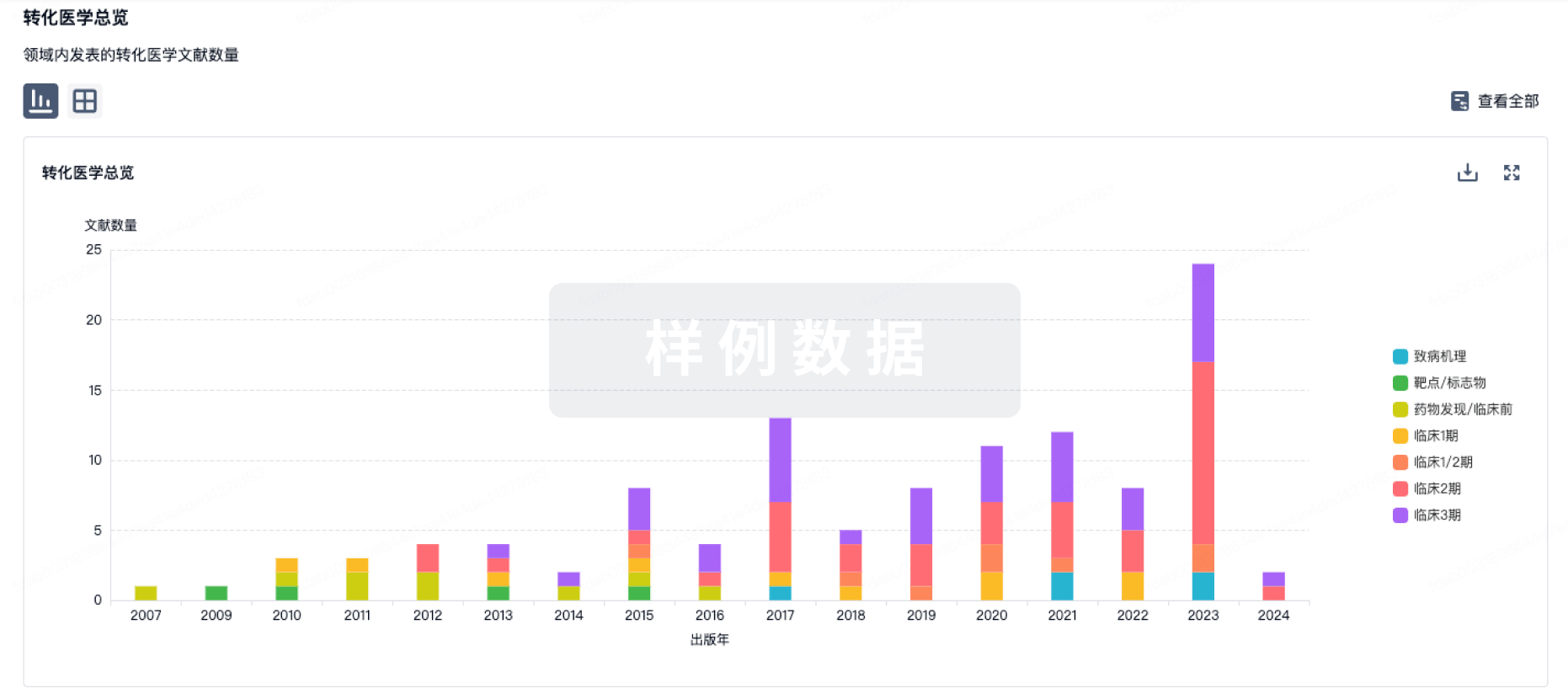
转化医学
使用我们的转化医学数据加速您的研究。
登录
或
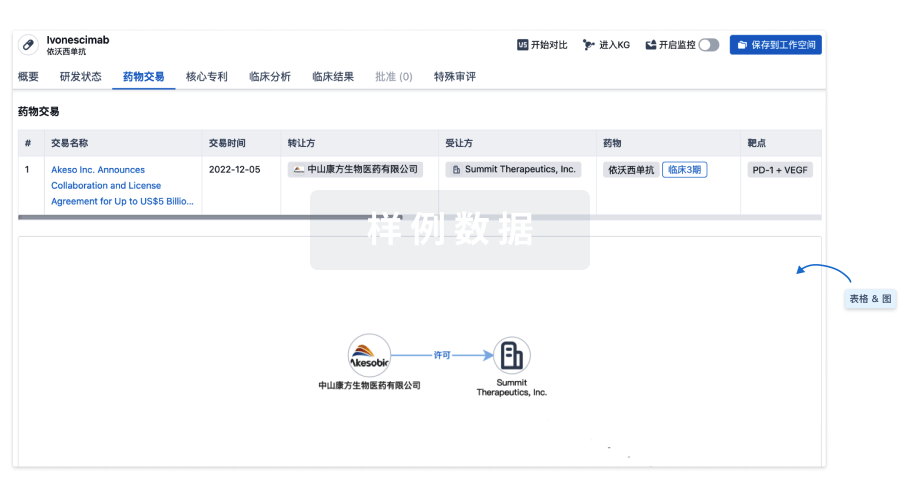
药物交易
使用我们的药物交易数据加速您的研究。
登录
或
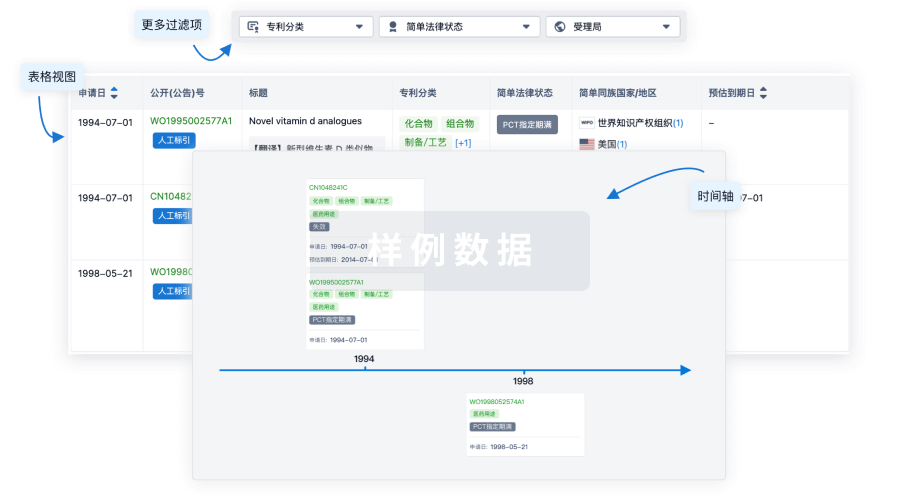
核心专利
使用我们的核心专利数据促进您的研究。
登录
或
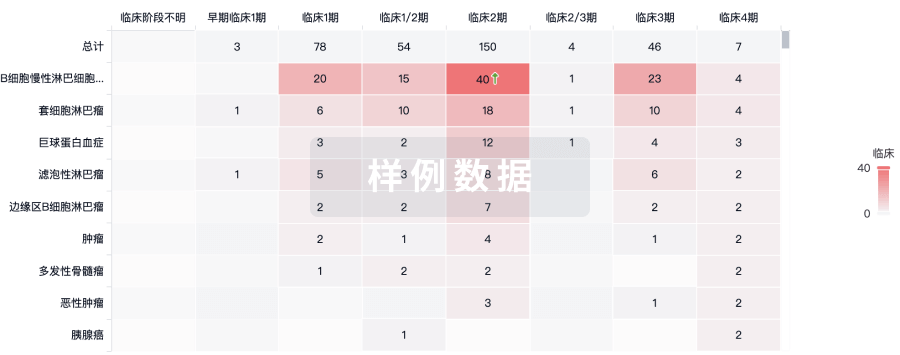
临床分析
紧跟全球注册中心的最新临床试验。
登录
或
批准
利用最新的监管批准信息加速您的研究。
登录
或
特殊审评
只需点击几下即可了解关键药物信息。
登录
或
芽仔
全新生物医药AI Agent 覆盖科研全链路,让突破性发现快人一步
立即开始免费试用!
智慧芽新药情报库是智慧芽专为生命科学人士构建的基于AI的创新药情报平台,助您全方位提升您的研发与决策效率。
立即开始数据试用!
智慧芽新药库数据也通过智慧芽数据服务平台,以API或者数据包形式对外开放,助您更加充分利用智慧芽新药情报信息。
生物序列数据库
生物药研发创新
免费使用
化学结构数据库
小分子化药研发创新
免费使用