预约演示
更新于:2026-07-04
SBP-801
更新于:2026-07-04
概要
基本信息
药物类型 预防性疫苗 |
别名 COVID-19 (Sml Biopharm)、SBP 801、SBP801 |
作用方式 调节剂 |
作用机制 SARS-CoV-2 S protein调节剂(冠状病毒刺突糖蛋白调节剂) |
在研适应症 |
非在研适应症- |
非在研机构- |
权益机构- |
最高研发阶段临床前 |
首次获批日期- |
最高研发阶段(中国)- |
特殊审评- |
关联
100 项与 SBP-801 相关的临床结果
登录后查看更多信息
100 项与 SBP-801 相关的转化医学
登录后查看更多信息
100 项与 SBP-801 相关的专利(医药)
登录后查看更多信息
1
项与 SBP-801 相关的文献(医药)2026-03-01·BIOORGANIC CHEMISTRY
Polysaccharides from Scutellaria barbata D. Don: Anti-ulcerative colitis activity evaluation and structure feature analysis
Article
作者: Wang, Tanggan ; Liu, Hongju ; Zhang, Shaojie ; Li, Meifeng ; Zhang, Qian
Scutellaria barbata D. Don has been used in traditional Chinese medicine for its heat-clearing and detoxifying effects to treat colitis. Polysaccharides are key bioactive constituents of S. barbata. In this study, a heteropolysaccharide (SBP80) was extracted from S. barbata using water extraction methods. In vivo mouse studies demonstrated that SBP80 exhibited significant therapeutic effects on ulcerative colitis (UC). Specifically, SBP80 improved body weight and disease activity index (DAI) scores in mice with UC, restored colon length, alleviated inflammatory cell infiltration in colonic tissues, and suppressed the levels of inflammatory cytokines and oxidative stress factors. Following purification, SBP80 yielded two polysaccharides, SBP80-1 (7.2 kDa) and SBP80-2 (292.3 kDa). Structural analysis revealed that both SBP80-1 and SBP80-2 were primarily composed of mannose, rhamnose, glucuronic acid, glucose, and galactose, with minor amounts of xylose, arabinose, and fucose. In addition, SBP80-2 contained higher amounts of glucuronic acid and xylose compared to SBP80-1. Methylation analysis further showed that the proportion of terminal sugar residues and 1,6-linked residues in SBP80-2 was higher, while SBP80-1 exhibited more 1,4-linked residues. In vivo zebrafish experiments demonstrated that both SBP80-1 and SBP80-2 inhibited intestinal length reduction and neutrophil infiltration in zebrafish with UC. They also reduced nitric oxide (NO) and reactive oxygen species (ROS) levels. Moreover, SBP80-2 exhibited superior anti-UC activity, which may be attributed to its structural characteristics. In conclusion, our findings indicate that S. barbata polysaccharides (SBP80-1 and SBP80-2) may be promising natural agents for the treatment of UC.
2
项与 SBP-801 相关的新闻(医药)2026-02-14
临床试验和真实世界证据已经确立了嵌合抗原受体(CAR)T细胞疗法在降低血液系统恶性肿瘤进展方面的益处,并且在某些情况下,能提高总生存率。然而,最近的研究强调,处于长期缓解期的患者仍然存在发病和非复发死亡的风险,这主要是由于感染和后续的髓系恶性肿瘤。此外,这些患者可能也是化疗、放疗和/或干细胞移植的幸存者,具有广泛的生存期管理需求。在此,我们为CAR-T细胞治疗后处于长期缓解期的患者的护理提供一份路线图,并讨论未来研究的方向。
生存期护理路线图
嵌合抗原受体(CAR)T细胞疗法已经改变了复发/难治性血液系统恶性肿瘤患者的治疗格局。许多关注点集中在CAR-T细胞疗法的早期不良效应上,如细胞因子释放综合征(CRS)和神经毒性,这是合理的,因为它们影响发病率、死亡率和医疗资源利用。然而,值得注意的是,CAR-T细胞疗法的许多问题远在这个最初的急性期之后出现。首先,CAR-T细胞治疗后最常见的死亡原因是原始恶性肿瘤的复发,因此,提高CAR-T细胞的长期抗肿瘤疗效至关重要。其次,处于缓解期的长期幸存者仍面临持续的非复发死亡(NRM)风险。美国淋巴瘤联盟最近的一份报告描述了5年NRM率为16%,其中超过一半的NRM事件发生在2年之后。相反,晚期复发是罕见的。荟萃分析、回顾性研究和大型登记处的数据惊人地一致:CAR-T细胞幸存者中的NRM主要归因于感染,并且由于继发性恶性肿瘤(包括髓系恶性肿瘤和实体瘤),存在显著的晚期NRM(占患者的5%-10%)。
表 1. CD19和BCMA导向CAR-T细胞的部分晚期毒性
除了死亡事件,长期发病率和患者报告的不良结局也很常见。总体而言,针对CAR-T细胞受者的筛查、预防和管理的循证指南还很匮乏。虽然CAR-T细胞治疗后的生存期考虑因素与造血干细胞移植(HCT)后观察到的一些主题相似——例如免疫功能障碍、血细胞减少和感染风险——但CAR-T细胞疗法在生物学和临床上都是不同的。鉴于这些差异,并承认当前CAR特异性数据的空白,我们概述了一个实用的生存期护理路线图(图1 ,表1 )。
图 1. CAR-T细胞受者的生存护理路线图。该图概述了针对CD19或BCMA导向的CAR-T细胞疗法后的生存管理和晚期效应监测的多学科方法。干预措施按系统领域和随访年份进行组织,反映了不同的风险时间模式。根据护理模式及患者偏好,这些活动有些可能在CAR-T治疗中心完成,有些可能在转诊的社区诊所完成,还有些可能涉及初级保健提供者。BCMA, B细胞成熟抗原;BMBX, 骨髓活检;CAR-T,嵌合抗原受体T细胞疗法;CHIP, 潜能未定的克隆性造血;LVEF, 左心室射血分数;NGS, 二代测序。
感染
感染是CAR-T细胞疗法的主要并发症,发生在20%-60%的CAR-T受者中。虽然大多数患者能够康复,但感染是NRM最重要的原因,占所有事件的一半。我们发现,17%的淋巴瘤患者在CAR-T细胞治疗后6至12个月之间需要住院或静脉注射抗生素,10%的患者在输注后1至2年之间需要。接受CAR-T细胞疗法治疗的患者由于与活动性癌症相关的炎症和免疫抑制以及先前治疗的影响,存在潜在的免疫失调。淋巴细胞清除化疗、使用抑制细胞因子炎症的治疗以及CAR-T细胞的靶向效应进一步破坏了免疫力,导致B细胞发育不全。从长远来看,许多患者随后会出现持续的血细胞减少以及B细胞和T淋巴细胞的免疫重建不良。
细菌感染
细菌感染占CAR-T术后早期感染的大多数;然而,关于晚期感染的数据有限。应特别关注鼻窦和肺部感染,在症状出现时或对于综合征无法缓解的患者,应降低抗生素覆盖的门槛。对于经历复发性或无法缓解的感染的患者,建议补充免疫球蛋白。对于接受浆细胞导向治疗(即针对多发性骨髓瘤的BCMA靶向CAR-T细胞)的患者,建议预防性补充免疫球蛋白。总体而言,应保持高度临床警惕性,及时进行诊断性评估并尽早开始经验性抗微生物治疗。
病毒感染
呼吸道病毒感染是晚期感染的主要原因,部分原因是B细胞和T细胞免疫重建延迟。在一项针对BCMA CAR-T受者的研究中,1年累积呼吸道感染发生率为22%,大多数病例被描述为轻度/中度。虽然大多数患者能康复,但一部分患者可能会出现严重并发症,包括呼吸衰竭、继发性细菌和/或真菌感染,甚至死亡。
SARS-CoV-2感染
在COVID-19大流行期间,由于严重的B细胞发育不全和体液免疫受损,CAR-T受者的重症SARS-CoV-2感染率异常高。在一项关于细胞治疗后SARS-CoV-2疫苗接种安全性和免疫原性的多中心前瞻性观察研究中,疫苗相关不良事件并不常见。然而,由于在持续性B细胞发育不全的CAR-T患者中,结合抗体和中和抗体在疫苗接种后并未增加,因此疗效被削弱。有意义的是,在第二剂疫苗后观察到了疫苗特异性T细胞反应。因此,美国传染病学会(IDSA)指南建议在CAR-T治疗后≥3个月开始接种COVID-19疫苗。
尽管随着时间的推移,SARS-CoV-2感染的严重程度有所减轻,但细胞治疗受者仍然面临不良结局的风险。对于出现症状性SARS-CoV-2感染的CAR-T细胞幸存者,我们降低抗病毒治疗和免疫球蛋白替代的门槛。
非呼吸道病毒再激活
在CD19和BCMA导向的CAR-T细胞治疗受者中,病毒再激活的报道很少。根据HCT文献推断,美国移植与细胞治疗学会(ASTCT)指南建议将HIV、乙型和丙型肝炎等传染病标志物的检测作为初始CAR-T工作的一部分。在慢性乙型肝炎携带者中已有致命性再激活的病例描述,这些患者需要在CAR-T输注后至少进行一年的预防治疗,并在停止预防治疗后进行密切监测(假设B细胞恢复)。先前已根除丙型肝炎的患者不需要特殊监测。HIV再激活很罕见,在解释使用在CAR转基因中包含HIV序列的产品治疗后的病毒检测结果时需要谨慎。
巨细胞病毒(CMV)再激活在CMV血清反应阳性的患者中观察到20%-60%,大多数感染发生在CAR-T治疗后2-6周内。风险因素包括BCMA靶向治疗和接受≥3天的皮质类固醇和/或阿那白滞素治疗。在这种情况下,CMV病毒血症的临床意义尚不明确,仅有罕见的CMV终末器官疾病报道。ASTCT指南建议在最初2-6周内对高危患者进行每周CMV监测,包括接受BCMA导向疗法治疗的CMV血清反应阳性患者以及需要≥3天皮质类固醇治疗的患者。治疗根据具体情况进行决策。目前没有支持CMV预防(即替莫韦)的数据,但这值得进一步评估。
抗微生物药物预防
抗微生物药物预防的建议主要依赖于回顾性经验和移植文献的推断。应考虑评估CAR-T治疗前的风险因素,如既往异基因HCT和持续的血细胞减少,以便个性化监测和干预。我们建议对持续性重度中性粒细胞减少症患者使用氟喹诺酮类药物进行抗菌预防。对于单纯疱疹病毒和水痘-带状疱疹病毒(VZV)的预防,我们使用阿昔洛韦或伐昔洛韦至少6个月,并且对于持续性B细胞发育不全、无法对带状疱疹疫苗产生体液反应的患者,通常使用更长时间。为预防耶氏肺孢子菌,我们建议使用甲氧苄啶/磺胺甲恶唑(TMP/SMX)或阿托伐醌,直至至少6个月且CD4计数>200个细胞/mm³。虽然侵袭性真菌感染很少见,但它们可能危及生命,建议对有风险因素(如持续性血细胞减少、长期使用类固醇或有侵袭性真菌感染史)的患者使用抗霉菌唑类药物。
B细胞发育不全、低丙种球蛋白血症和疫苗接种
低丙种球蛋白血症和对疫苗接种的免疫反应可能取决于CAR-T细胞靶点、CAR-T细胞持久性以及B细胞和T细胞的免疫重建。例如,CD19在正常B细胞上表达,但通常不在长寿命浆细胞上表达,而长寿命浆细胞表达BCMA。因此,接受CD19 CAR-T细胞治疗的患者在B细胞发育不全期间不会对疫苗接种产生新的体液反应,但其长寿命浆细胞中确实保留了一些预先存在的抗体介导的免疫力。在淋巴瘤患者中,通常在治疗后1年内50%-70%的患者恢复正常B细胞,3年后恢复的比例更高。相比之下,BCMA靶向的CAR-T会消耗浆细胞,而浆细胞对于维持现有体液免疫至关重要。这可能是该患者群体晚期感染增加的原因;然而,对新疫苗接种的反应仍然可能发生。与CD19 CAR-T受者相比,BCMA CAR-T受者观察到对流感和SARS-CoV-2疫苗的血清转化率更高。
迄今为止的经验表明,CAR-T细胞幸存者接种疫苗是安全的;关于它们预防感染的有效性数据尚不明确,因此,强制推行CAR-T术后通用疫苗接种计划仍为时过早。考虑到这一点,在输注后3-6个月开始考虑使用非活疫苗是合理的,并且对于表现出B细胞和T细胞重建的患者更可能有效。由于CAR-T细胞治疗后大多数具有临床意义的感染涉及呼吸道病原体,初始疫苗接种工作的重点包括流感、SARS-CoV-2感染和肺炎链球菌,以及VZV(因为在免疫功能低下时存在带状疱疹风险)。RSV疫苗最近获得批准,作为一种呼吸道病原体备受关注,但目前缺乏CAR-T人群中的数据。通常在HCT术后人群中进行的其他疫苗(例如破伤风或乙型肝炎)在指南中有推荐,但其益处不太明确,一些中心采用个体化策略,如滴度指导的再接种或其他风险分层。虽然尚未具体描述CAR-T患者的危害,但通常避免在细胞输注后至少1年内使用活疫苗,适用于那些已证明免疫重建且在过去8个月内未使用静脉注射免疫球蛋白(IVIG)的患者。
呼吸道感染的一个关键风险因素是低丙种球蛋白血症。对于浆细胞导向的CAR-T细胞(即BCMA),专家共识是在第一年内提供普遍预防,直到IgG水平恢复至400 mg/dL以上。对于CD19 CAR-T细胞治疗幸存者,建议对IgG水平≤400 mg/dL且反复感染的患者进行替代治疗。总的来说,现有数据未能明确哪些患者应在无感染情况下接受免疫球蛋白预防,以及哪些患者仅在出现复发性或无法缓解的感染时才需要免疫球蛋白替代。此外,关于IVIG治疗的持续时间,实践各异,因为有些患者在CAR-T细胞治疗后多年甚至无法恢复B细胞生成,且无限期每月IVIG可能不切实际或成本高昂。对于持续性低丙种球蛋白血症的长期幸存者,可考虑提供IVIG治疗3个月,然后恢复观察,如果症状未缓解或感染严重或复发,则继续更长时间的替代治疗。目前正在进行前瞻性研究,以确定哪些患者最有可能从CAR-T细胞治疗后的IVIG中获益。
血细胞减少
血细胞减少在CAR-T细胞治疗后很常见,欧洲合作小组已经开发了免疫效应细胞相关血液毒性(ICAHT)分级系统,包括中性粒细胞减少症(N-ICAHT)和血小板减少症(T-ICAHT)的具体标准。该系统结合了血细胞减少的深度和持续时间,并区分早期(0-30天)和晚期(>30天)血液毒性。严重的N-ICAHT与持续中性粒细胞减少、多系血细胞减少、输血依赖、更高的感染率、增加的NRM和更差的总生存期(OS)相关,而T-ICAHT同样与输血负荷、出血风险和较差的生存结局相关。
早期血细胞减少(第1-30天)
大多数患者已经接受了多线化疗,并且通常在基线时就存在血细胞减少。随后,淋巴细胞清除方案——通常是氟达拉滨和环磷酰胺——具有高度骨髓抑制性,导致超过一半的患者出现4级血细胞减少。
晚期血细胞减少(第30天后)
持续性和复发性血细胞减少越来越被认为是CAR-T细胞疗法的显著并发症。严重血细胞减少影响50%-80%的患者,大约5%-10%的患者在治疗后两年内仍有显著的血细胞减少。持续性重度中性粒细胞减少症,特别是再生障碍性表型,与严重或致命感染的风险相关。新兴数据表明,CAR-T细胞是血细胞减少的病因,其机制包括细胞因子诱导的髓系祖细胞损伤和成熟中性粒细胞的早期凋亡。
晚期血细胞减少可能反映了多因素的病理生理学。骨髓疾病负荷是一个关键预测因素,由于广泛的骨髓受累,ALL患者的血细胞减少比淋巴瘤患者更严重、更持久。此外,CAR-T术后特异性机制——如细胞因子介导的骨髓损伤、抑制性克隆性T细胞群的出现和突变髓系克隆的扩增——进一步损害了造血恢复。
在这些机制中,潜能未定的克隆性造血是一个新出现的因素。CHIP指的是在无明显髓系恶性肿瘤的个体中,髓系基因突变且变异等位基因频率≥2%。在接受淋巴细胞清除前,30%-50%的受者中可发现CHIP,CAR-T输注后高达80%。某些突变——特别是DNMT3A、TET2和ASXL1——与早期免疫毒性发生率增加有关。在某些情况下,特别是结合临床变量如炎症和既往血细胞减少时,CHIP与血液学毒性相关,而在其他研究中,这种关联更为有限。结合CHIP负荷、突变类型和炎症标志物的精细化风险分层模型,可能更好地识别CAR-T细胞治疗后处于血液学脆弱风险的患者。正如后续章节将讨论的,CHIP也可能使患者面临继发性髓系恶性肿瘤的风险。
血液毒性预测模型
CAR-HT评分使用基线实验室检查值和炎症标志物对CAR-T术后血液学毒性风险进行分层。高分可预测持续性血细胞减少、感染、NRM和较差的无进展生存期/总生存期。其效用已在淋巴瘤和骨髓瘤队列中得到验证,并有一个在线计算器可供临床使用。在B-ALL中,由于骨髓浸润几乎是普遍的,CAR-HT显示出有限的预测价值。ALL-HT评分用骨髓疾病负荷替代铁蛋白,能更好地区分风险。
CAR-T术后血细胞减少的检查
确定CAR-T细胞治疗后血细胞减少的原因通常很复杂。初步评估应审查骨髓抑制药物、营养状况、感染风险和疾病状况。例如,使用TMP/SMX的患者可能受益于替代预防药物。铁蛋白快速升高可能提示免疫效应细胞相关噬血细胞综合征。同时存在循环LGL可能值得尝试使用皮质类固醇。病毒检测——根据临床背景进行针对性检测——可能包括CMV、EBV、细小病毒B19和腺病毒。进一步的检查可能包括骨髓评估和分期研究以确定癌症缓解状态。大多数持续性血细胞减少可归因于ICAHT,通常表现为骨髓增生低下而无其他可识别原因,并随时间推移而缓解。
血细胞减少的管理
管理核心在于密切监测和支持性护理,包括输血、抗微生物药物和生长因子(图2)。尽管有这些方法,大多数可用治疗仍是经验性的,且常常无效。
图 2. CAR-T治疗后血细胞减少的推荐检查与管理流程(虚线表示疗效有限)。BMBX,骨髓活检;CAR-T,嵌合抗原受体T细胞疗法;ESA,红系生成刺激剂;GCSF,粒细胞集落刺激因子;HLH,噬血细胞性淋巴组织细胞增多症;HSB,造血干细胞增强;ICAHT,免疫效应细胞相关血液毒性;IEC-HS,免疫效应细胞相关噬血细胞综合征;IVIG,静脉注射免疫球蛋白;LGL,大颗粒淋巴细胞;MDS,骨髓增生异常综合征;TPO RA,血小板生成素受体激动剂。
粒细胞集落刺激因子的使用
G-CSF是治疗晚期中性粒细胞减少症的主要支持手段。然而,许多严重的ICAHT病例对G-CSF无效,限制了其益处。应避免使用粒细胞-巨噬细胞集落刺激因子,因为它可能加重炎症并发症。
免疫抑制治疗
对于严重的血细胞减少病例,如果流式细胞术显示寡克隆T细胞或LGL扩增,可考虑尝试低剂量类固醇以抑制可能的细胞因子介导的血细胞减少。
造血干细胞增强
自体CD34+ HSC增强似乎是少数对CAR-T细胞治疗后持续性血细胞减少患者恢复造血有效的干预措施之一。然而,储存的干细胞通常有限,尤其是随着CAR-T疗法在治疗算法中应用更早。欧洲血液学协会/欧洲血液与骨髓移植学会小组建议,对于重度ICAHT患者,如果有可用产品且患者对G-CSF无效,可在不进行预处理的情况下进行HSC输注。有报告称干细胞增强可能加剧炎症,因此,如果对于既往有IEC-HS的患者绝对必要进行增强,建议谨慎使用低初始干细胞剂量。
血小板生成素受体激动剂和红系刺激剂
支持治疗仍然是CAR-T术后血小板减少和贫血的主要手段。关于血小板生成素受体激动剂的数据有限,其最佳剂量和总体效用仍不确定。
异基因HCT
在此情况下使用的理由是从再生障碍性贫血中推断出来的,其中移植可以是治愈性的。重要的是,大多数ICAHT病例会随时间自发恢复,而移植相关的显著发病和死亡风险通常超过不确定的益处。
长期数据显示,CAR-T细胞治疗后继发性恶性肿瘤的发生率为4%-16%。虽然这些比率与血液系统恶性肿瘤常规治疗所见比率相当,但其潜在机制尚不完全清楚。促成因素可能包括既往的基因毒性治疗、CAR-T诱导的炎症、持续性B细胞发育不全、免疫抑制和既往存在的CHIP。
继发性实体瘤
一项大型上市后研究观察到5年累积发生率为15.2%,中位发病时间为26.4个月。这些比率似乎与基于年龄和既往治疗的预期一致,目前尚不清楚CAR-T细胞疗法是否独立增加实体瘤风险。
治疗相关髓系肿瘤
在继发性恶性肿瘤中,治疗相关髓系肿瘤尤为令人担忧。一项研究报告t-MN发生率为9%,其中5%进展为需要治疗的高级别MDS或AML。另一项研究观察到BCMA CAR-T术后MDS/AML的总体发生率较低。CHIP也与升高的t-MN风险相关:一项研究报告CHIP阳性患者的24个月累积发生率为19%,而CHIP阴性患者为4.2%,在某些病例中,基线CH和后续t-MN之间存在共享突变。然而,其他研究发现t-MN很罕见,强调了不同疾病背景和队列间的异质性。关键的是,TP53突变的CHIP克隆已显示出强烈的白血病发生潜力,通常在CAR-T术后表现出显著的扩增,并预示着不良结局。相比之下,其他CHIP突变并未表现出类似行为。这些发现强调了TP53突变CHIP的高白血病潜力,表明CAR-T细胞疗法可能创造有利于高风险克隆扩增的选择压力。一个挑战是缺乏有效疗法来阻止CHIP进展为t-MN,并且哪些CAR-T患者群体将从筛查、监测或其他干预中受益尚待确定。
T细胞淋巴瘤
CAR-T细胞治疗后,罕见继发性TCL病例被报道,在美国食品药品管理局不良事件报告系统中约8000名患者中识别出22例。提出的机制包括既往存在的淋巴样突变,以及在罕见情况下,来自CAR构建体的载体整合。然而,并非所有CAR-T术后TCL都携带CAR转基因,并且载体整合仍是一种研究工具,临床应用有限。目前,这些病例使用与新发TCL相同的标准方案进行管理,尽管详细的分子特征研究可能支持对个别患者采用靶向治疗方法。
继发性恶性肿瘤的生存管理考量
关于继发性恶性肿瘤的新兴数据——包括实体瘤和血液系统肿瘤——强调了采取主动生存管理策略的必要性。根据国家指南,坚持适合年龄的癌症筛查,包括皮肤科筛查,应成为长期护理的核心组成部分。对于持续性血细胞减少、免疫重建不良或已知CHIP的个体,可能需要进行更频繁和个体化的监测。随着我们对CAR-T细胞疗法、CHIP和长期免疫功能障碍之间相互作用的理解不断深入,个体化监测框架对于减轻晚期毒性和优化CAR-T细胞受者的结局至关重要。
器官功能障碍
虽然在CAR-T治疗后,CRS背景下的多器官功能障碍已有充分描述,但迟发性器官功能障碍并不常见,且通常发生在感染和/或先前治疗的后遗症背景下。在此,我们描述CAR-T治疗后更常见观察到的器官毒性,并提出监测指南。
心脏毒性
回顾性研究报告,约10%-20%的CAR-T受者在CRS期间发生早期心肺不良事件,主要由肌钙蛋白升高和心律失常驱动。关于长期心脏结局知之甚少。根据HCT文献推断,我们建议从CAR-T治疗后6个月开始,每年评估和管理心脏风险。此外,CHIP是自体HCT受者心血管疾病的已知预测因子,与更高的心力衰竭、冠心病、中风和NRM发生率相关,并且由于CAR-T细胞疗法长期幸存者基线CHIP负荷高和CAR-T术后克隆扩增,需要进一步研究。
神经毒性
ICANS在CAR-T细胞治疗后很常见;然而,它几乎总是在输注后前两周内开始。大多数脊髓病病例也在CAR-T治疗后两周内报告,但也可能较晚发生,表现为亚急性下肢无力、步态障碍和排尿功能障碍,并且通常与脊髓MRI异常和脑脊液细胞增多相关。BCMA导向的CAR-T细胞疗法特有的一种非ICANS神经毒性,表现为帕金森综合征或颅神经麻痹。接受cilta-cel治疗的患者中,运动功能减退障碍的发生率为1%-5%,发病时间范围为11至108天。颅神经麻痹发生更频繁,发病时间相似。最佳管理方法尚不清楚,但皮质类固醇、静脉注射免疫球蛋白、鞘内化疗和/或环磷酰胺均有使用。晚期发病的可能性描述不足,但已有病例报告发生在CAR-T治疗后长达2.5年,强调了长期随访的重要性。我们建议在常规随访中除了进行患者咨询外,还应进行全面的神经系统检查。
胃肠道毒性
免疫效应细胞相关小肠结肠炎,其特征是在CAR-T治疗后中位3个月开始出现大量腹泻,是BCMA导向CAR-T疗法新出现的关键毒性。该病症的特点是CAR-T细胞浸润到胃肠道,并与肠道穿孔和败血症相关。最佳管理尚不清楚,一些病例通过皮质类固醇或抗TNF或JAK抑制剂解决,而其他病例则需要环磷酰胺或其他尝试清除CAR-T细胞的方法。在BCMA CAR-T治疗后数月内出现的新发腹泻应进行彻底检查,并考虑诊断为IEC-EC。
心理社会影响和患者报告结局
患者报告结局是理解患者生活经历的关键。在我们机构接受CAR-T治疗的120名患者中,生活质量评分在治疗的第一年内有所改善或保持相似。随机试验也报告了类似的发现。在单一机构的经验中,既往存在的心理健康障碍与CAR-T治疗后毒性风险增加相关,但不影响疗效。仍存在一些知识空白,包括对生育能力的影响、CAR-T术后重返工作岗位的能力及其财务影响,以及治疗后最初几个月之后的PRO轨迹。我们支持TCT的立场,即在临床实践和临床试验中纳入患者报告结局测量信息系统工具。
在我们机构接受CAR-T治疗的弥漫性大B细胞淋巴瘤患者中,生活质量评分在治疗的第一年内有所改善或保持相似。随机试验也报告了类似的发现。在单一机构的经验中,既往存在的心理健康障碍与CAR-T治疗后毒性风险增加相关,但不影响疗效。仍存在一些知识空白,包括对生育能力的影响、CAR-T术后重返工作岗位的能力及其财务影响,以及治疗后最初几个月之后的PRO轨迹。我们支持TCT的立场,即在临床实践和临床试验中纳入患者报告结局测量信息系统工具。
特殊人群的考量
老年人
淋巴瘤和多发性骨髓瘤主要影响老年人。真实世界数据表明,接受CAR-T治疗的老年患者与年轻患者具有相似的反应率。然而,在淋巴瘤CAR-T细胞治疗受者中,年龄大于60岁的患者OS相似,但NRM率更高,强调了老年人生存护理的特别重要性。越来越多的证据支持虚弱是比年龄更好的结局决定因素。需要进一步研究以优化基线风险分层。此外,在基线、6个月和1年时进行系列老年综合评估可能有助于优化老年人的结局。
青少年和年轻成人
生存管理对年龄在15-39岁患有血液系统恶性肿瘤的青少年和年轻成人来说是一个重要问题。在这一独特的患者群体中,性健康和生育能力下降是关键问题。在一项纵向研究中,超过一半的AYA癌症幸存者在每个评估时间点都报告有问题的性功能,且性功能障碍随时间恶化。虽然对CAR-T术后生育能力知之甚少,但已有健康婴儿活产的病例报告。为了解决当前的知识空白,一项正在进行的研究正在招募幸存者,以收集详细的患者报告的生殖史,包括生育力保留决策、妊娠结局和心理社会影响。我们建议在初次咨询时,就对有生育力保留兴趣的患者早期转诊至生殖内分泌科,并建立系统性的AYA策略。
儿科
儿科幸存者有独特的需求,许多幸存者既有CAR-T细胞治疗史,也有allo-HCT史。对于在年轻时接受这些治疗并可能成为真正长期幸存者的患者来说,针对CAR-T细胞相关突变发生、继发性恶性肿瘤、复发、生育能力、生长和发育的计划性长期监测尤其关键。
研究和未来方向
HCT术后的结构化生存管理计划可改善长期结局,但CAR-T幸存者缺乏类似数据。为了概述未来的挑战,表2重点列出了一些关键的未解问题,涵盖护理交付模式、降低NRM的策略、心脏代谢风险以及治疗相关毒性的长期负担。值得注意的是,前瞻性CAR-T细胞试验中NRM和晚期不良事件的标准化和透明报告仍然不一致,限制了我们准确量化和减轻生存风险的能力。为了加速进展,需要协调一致的多机构努力、国家登记处和前瞻性生存试验。需要努力构建一个整合了临床特征、基因组图谱、炎症标志物和PRO的精准生存管理框架,以支持个体化护理并改善生存结局。
表 2. CAR-T术后生存管理的关键问题和拟议方法
参考文献:Faramand RG, Xie Z, Jain MD. Long-Term Survivorship After Chimeric Antigen Receptor T-Cell Therapy for Hematologic Malignancies. J Clin Oncol. Published online February 11, 2026. doi:10.1200/JCO-25-02087
版权声明:本文系Leuk独立撰稿,享有原创版权,欢迎个人转发分享,其他任何媒体、网站如需转载或引用本网页版权所有内容,须获得授权。本文仅供医学专业人士参考,不作为诊疗依据,未经著作人许可,不可出版发行。
(欢迎分享,点赞+关注!)
细胞疗法免疫疗法ASH会议
2026-01-27
·格隆汇
全球COVID-19 疫苗和疗法市场规模预计将从2025年的2334.25亿元(人民币)增至2032年的176.61亿元,年复合增长率达-30.84%。国内COVID-19 疫苗和疗法市场规模2025年达173.67亿元。贝哲斯咨询结合COVID-19 疫苗和疗法市场过去五年的增长态势,给出了直观的COVID-19 疫苗和疗法市场规模增长趋势解析,并对未来COVID-19 疫苗和疗法市场发展趋势做出合理预测。按种类划分,COVID-19 疫苗和疗法行业可细分为COVID-19 疗法, 2019冠状病毒病疫苗。按最终用途划分,COVID-19 疫苗和疗法可应用于孩子们, 成人等领域。报告分析了各类型产品价格、市场规模、份额及发展趋势;各应用COVID-19 疫苗和疗法市场销量、份额占比、及需求潜力。中国COVID-19 疫苗和疗法市场主要企业有Gilead Sciences, Merck, GSK, Novavax, AstraZeneca, Sinopharm, Pfizer, Moderna, Eli Lilly and Company, Johnson & Johnson等。报告包含对主要企业排行情况、市场集中度、经营概况(涵盖COVID-19 疫苗和疗法销售量、销售收入、价格、毛利、毛利率等)。出版商: 湖南贝哲斯信息咨询有限公司电话/商务微信: 199 1882 7775邮箱:info@globalmarketmonitor.com.cn自 COVID-19 大流行开始以来,人们在抗击 SARS-CoV-2 病毒和 COVID-19 疾病方面做出了卓越的研究和创新努力。 2019年底,中国出现了一种类似肺炎的神秘疾病,引起了世界卫生专家和科学家的关注。这种疾病迅速蔓延到全球。对其病因的研究表明它是严重急性呼吸综合征冠状病毒 2(SARSCoV-2)。 2020 年 1 月,世界卫生组织 (WHO) 宣布全球公共卫生紧急状态,并于 2020 年 2 月将这种疾病命名为 COVID-19 (WHO, 2020)。不久之后,即 2020 年 3 月,世界卫生组织正式宣布 COVID-19 为全球大流行病。截至 2023 年 6 月 1 日,全球已确诊 689,626,049 例病例,导致 6,885,075 人死亡,使其成为现代历史上最致命的流行病之一。 SARS-CoV-2 变种的不断出现,加剧了抗击 COVID-19 大流行的严重性和复杂性,其中 Omicron 变种的亚系目前最受关注。为了应对这一流行病,世界各地的科学家在了解 SARS-CoV-2 病毒方面取得了巨大进展。这反过来又导致了预防性疫苗和治疗剂的开发。通过利用数十年的疫苗技术研发 (R&D),科学家们已经能够快速开发并部署多种 COVID-19 疫苗。人们已经做出了大量努力来开发安全有效的疫苗和疗法来对抗 COVID-19 和许多 SARS-CoV-2 病毒变种。人们已经研究了多种疫苗平台,包括传统的(例如,蛋白质亚基和活的减毒和灭活病毒)和新型平台(例如,基于DNA和RNA的)。随着 SARSCoV-2 变种的兴起,人们也在研究更有效地对抗该病毒的二价和多价疫苗。此外,已经考虑重新利用许多现有的治疗方法来治疗 COVID-19(例如瑞德西韦和氟伏沙明),并开发了新的治疗方法,包括多种小分子药物和生物制剂。贝哲斯咨询发布的2026年中国COVID-19 疫苗和疗法行业调研报告着重从中国行业整体及细分市场规模、产业链结构、发展环境、市场供需、进出口、重点企业、发展趋势等多方面阐述COVID-19 疫苗和疗法行业的市场概况,并在此基础上对2026-2032年行业的发展前景和走势进行科学的分析和预测。结构方面,报告对COVID-19 疫苗和疗法产品类型、应用领域、及中国各地区市场占比做出了对比分析。COVID-19 疫苗和疗法调研报告分析了2026年我国COVID-19 疫苗和疗法行业发展趋势,同时提供了中国COVID-19 疫苗和疗法行业市场竞争现状分析,挑选了国内COVID-19 疫苗和疗法市场上占主要份额或最具潜力的企业,依次分析了主要企业市场表现、产品及服务、产销情况、产品价格及最新动态等。通过对比解析关键竞争数据帮助企业在市场中自我定位,规避业务中涉及的风险并促进业务增长。2026年版中国COVID-19 疫苗和疗法市场报告各章节内容摘要:第一章:中国COVID-19 疫苗和疗法行业基本概述、COVID-19 疫苗和疗法产业链分析、COVID-19 疫苗和疗法行业产品与应用细分介绍;第二章:国内COVID-19 疫苗和疗法市场PEST分析;第三章:中国COVID-19 疫苗和疗法行业态势分析,含市场供需分析、行业面临问题及中国COVID-19 疫苗和疗法行业在全球竞争格局中的地位;第四章:中国各地区COVID-19 疫苗和疗法产业最新发展分析(华东、华南、华北、华中、其他地区);第五章:中国COVID-19 疫苗和疗法行业进出口数据统计;第六章:中国COVID-19 疫苗和疗法行业产品细分及各主要类型销售情况分析;第七章:中国COVID-19 疫苗和疗法行业应用市场及各应用领域销售情况分析; 第八章:中国COVID-19 疫苗和疗法行业主要企业概况分析(含企业产品介绍、营收情况及战略分析);第九章:中国COVID-19 疫苗和疗法行业竞争分析;第十章:2026-2031年中国COVID-19 疫苗和疗法行业市场规模及主要产品类型及应用市场规模预测;第十一章:中国COVID-19 疫苗和疗法行业前景与趋势分析;第十二章:中国COVID-19 疫苗和疗法行业价值评估。COVID-19 疫苗和疗法市场主要企业包括:Gilead SciencesMerckGSKNovavaxAstraZenecaSinopharmPfizerModernaEli Lilly and CompanyJohnson & JohnsonCOVID-19 疫苗和疗法类别划分:COVID-19 疗法2019冠状病毒病疫苗COVID-19 疫苗和疗法应用领域划分:孩子们成人COVID-19 疫苗和疗法行业分析报告重点关注中国地区COVID-19 疫苗和疗法产业的最新发展情况,报告将中国细分为华东、华南、华北、华中地区,并分析预测了不同地区COVID-19 疫苗和疗法产业发展现状以及发展前景。目录第一章 中国COVID-19 疫苗和疗法行业基本概述1.1 COVID-19 疫苗和疗法行业定义概述1.1.1 COVID-19 疫苗和疗法行业定义1.1.2 COVID-19 疫苗和疗法行业发展历史1.2 COVID-19 疫苗和疗法行业市场总体分析1.2.1 COVID-19 疫苗和疗法行业市场研发投入1.2.2 中国COVID-19 疫苗和疗法行业市场规模(2020年-2031年)1.3 COVID-19 疫苗和疗法行业产业链分析1.3.1 上游供给对COVID-19 疫苗和疗法行业的影响1.3.2 下游需求对COVID-19 疫苗和疗法行业的影响1.4 COVID-19 疫苗和疗法行业产品种类细分1.4.1 COVID-19 疫苗和疗法行业COVID-19 疗法介绍1.4.2 COVID-19 疫苗和疗法行业2019冠状病毒病疫苗介绍1.5 COVID-19 疫苗和疗法行业下游应用领域介绍1.5.1 COVID-19 疫苗和疗法行业孩子们介绍1.5.2 COVID-19 疫苗和疗法行业成人介绍第二章 国内COVID-19 疫苗和疗法行业PEST分析2.1 国内COVID-19 疫苗和疗法行业社会环境分析2.2 国内COVID-19 疫苗和疗法行业政策环境分析2.2.1 行业相关发展规划2.2.2 重点政策解读2.3 国内COVID-19 疫苗和疗法行业经济环境分析2.3.1 国内宏观经济形势分析2.3.2 产业宏观经济环境分析2.4 国内COVID-19 疫苗和疗法行业技术环境分析2.4.1 产业技术研发现状2.4.2 产业技术发展前景第三章 中国COVID-19 疫苗和疗法行业态势分析3.1 中国COVID-19 疫苗和疗法行业市场规模(2020年-2024年)3.2 中国各地区COVID-19 疫苗和疗法行业市场份额3.3 COVID-19 疫苗和疗法行业市场供需分析3.3.1 COVID-19 疫苗和疗法行业市场供给结构分析3.3.2 COVID-19 疫苗和疗法行业下游热点领域需求分析3.3.3 COVID-19 疫苗和疗法行业需求趋势分析3.4 COVID-19 疫苗和疗法行业发展存在的问题3.4.1 面临挑战分析3.4.2 竞争壁垒问题3.4.3 技术发展问题3.5 中国COVID-19 疫苗和疗法行业在全球竞争格局中所处地位第四章 中国各地区COVID-19 疫苗和疗法产业最新发展分析4.1 华东地区COVID-19 疫苗和疗法产业现状4.1.1 华东地区COVID-19 疫苗和疗法产业现状分析4.1.2 华东地区COVID-19 疫苗和疗法产业前瞻(2025年-2031年)4.2 华南地区COVID-19 疫苗和疗法产业现状4.2.1 华南地区COVID-19 疫苗和疗法产业现状分析4.2.2 华南地区COVID-19 疫苗和疗法产业前瞻(2025年-2031年)4.3 华北地区COVID-19 疫苗和疗法产业现状4.3.1 华北地区COVID-19 疫苗和疗法产业现状分析4.3.2 华北地区COVID-19 疫苗和疗法产业前瞻(2025年-2031年)4.4 华中地区COVID-19 疫苗和疗法产业现状4.4.1 华中地区COVID-19 疫苗和疗法产业现状分析4.4.2 华中地区COVID-19 疫苗和疗法产业前瞻(2025年-2031年)4.5 其他地区COVID-19 疫苗和疗法产业现状4.5.1 其他地区COVID-19 疫苗和疗法产业现状分析4.5.2 其他地区COVID-19 疫苗和疗法产业前瞻(2025年-2031年)第五章 中国COVID-19 疫苗和疗法行业进出口数据统计5.1 新冠疫情对中国COVID-19 疫苗和疗法行业进出口的影响5.2 中国COVID-19 疫苗和疗法市场进出口规模分析(2020年-2024年)5.3 中国COVID-19 疫苗和疗法行业进出口分析5.3.1 中国COVID-19 疫苗和疗法行业主要进口地区(2020年-2024年)5.3.2 中国COVID-19 疫苗和疗法行业主要出口地区(2020年-2024年)5.4 中国COVID-19 疫苗和疗法行业进出口金额差额分析第六章 中国COVID-19 疫苗和疗法行业产品细分6.1 COVID-19 疫苗和疗法行业产品分类标准及具体种类6.1.1 COVID-19 疫苗和疗法行业产品分类6.1.2 COVID-19 疫苗和疗法行业产品具体种类6.2 中国市场COVID-19 疫苗和疗法主要类型销售量、销售额、市场份额及价格6.3 中国市场COVID-19 疫苗和疗法主要类型销售量及市场份额(2020年-2024年)6.4 中国市场COVID-19 疫苗和疗法主要类型销售额及市场份额(2020年-2024年)6.5 影响中国COVID-19 疫苗和疗法行业产品价格波动的因素6.6 中国COVID-19 疫苗和疗法市场主要类型销售额和增长率分析6.6.1 COVID-19 疗法销售额和增长率6.6.2 2019冠状病毒病疫苗销售额和增长率第七章 中国COVID-19 疫苗和疗法行业应用市场分析7.1 下游应用行业市场基本特征7.2 中国COVID-19 疫苗和疗法在各应用领域销售量、销售额、市场份额及价格(2020年-2024年)7.3 中国COVID-19 疫苗和疗法在各应用领域销售量及市场份额(2020年-2024年)7.4 中国COVID-19 疫苗和疗法在各应用领域销售额及市场份额(2020年-2024年)7.5 下游需求变化对中国COVID-19 疫苗和疗法行业发展的影响7.6 中国COVID-19 疫苗和疗法行业各应用领域市场销售额和增长率分析7.6.1 孩子们销售额和增长率7.6.2 成人销售额和增长率7.8 重点应用领域分析第八章 中国COVID-19 疫苗和疗法行业主要企业概况分析8.1 Gilead Sciences8.1.1 企业概况8.1.2 主要产品和服务介绍8.1.3 企业营收情况分析(销售量、总营收、价格、毛利、毛利率)8.1.4 企业发展战略分析8.2 Merck8.2.1 企业概况8.2.2 主要产品和服务介绍8.2.3 企业营收情况分析(销售量、总营收、价格、毛利、毛利率)8.2.4 企业发展战略分析8.3 GSK8.3.1 企业概况8.3.2 主要产品和服务介绍8.3.3 企业营收情况分析(销售量、总营收、价格、毛利、毛利率)8.3.4 企业发展战略分析8.4 Novavax8.4.1 企业概况8.4.2 主要产品和服务介绍8.4.3 企业营收情况分析(销售量、总营收、价格、毛利、毛利率)8.4.4 企业发展战略分析8.5 AstraZeneca8.5.1 企业概况8.5.2 主要产品和服务介绍8.5.3 企业营收情况分析(销售量、总营收、价格、毛利、毛利率)8.5.4 企业发展战略分析8.6 Sinopharm8.6.1 企业概况8.6.2 主要产品和服务介绍8.6.3 企业营收情况分析(销售量、总营收、价格、毛利、毛利率)8.6.4 企业发展战略分析8.7 Pfizer8.7.1 企业概况8.7.2 主要产品和服务介绍8.7.3 企业营收情况分析(销售量、总营收、价格、毛利、毛利率)8.7.4 企业发展战略分析8.8 Moderna8.8.1 企业概况8.8.2 主要产品和服务介绍8.8.3 企业营收情况分析(销售量、总营收、价格、毛利、毛利率)8.8.4 企业发展战略分析8.9 Eli Lilly and Company8.9.1 企业概况8.9.2 主要产品和服务介绍8.9.3 企业营收情况分析(销售量、总营收、价格、毛利、毛利率)8.9.4 企业发展战略分析8.10 Johnson & Johnson8.10.1 企业概况8.10.2 主要产品和服务介绍8.10.3 企业营收情况分析(销售量、总营收、价格、毛利、毛利率)8.10.4 企业发展战略分析第九章 中国COVID-19 疫苗和疗法行业竞争分析9.1 中国COVID-19 疫苗和疗法行业主要企业区域分布9.2 中国COVID-19 疫苗和疗法行业市场集中度分析9.3 中国COVID-19 疫苗和疗法行业主要企业市场份额占比9.4 中国COVID-19 疫苗和疗法行业竞争格局分析第十章 中国COVID-19 疫苗和疗法行业市场规模预测10.1 中国COVID-19 疫苗和疗法行业市场规模预测10.2 中国COVID-19 疫苗和疗法市场主要类型销售量、销售额、份额预测10.3 中国COVID-19 疫苗和疗法市场主要类型价格预测(2025年-2031年)10.4 中国COVID-19 疫苗和疗法市场各应用领域销售量、销售额、份额及需求趋势预测10.5 中国COVID-19 疫苗和疗法市场各应用领域需求趋势预测(2025年-2031年)第十一章 中国COVID-19 疫苗和疗法行业发展前景及趋势分析11.1 中国COVID-19 疫苗和疗法行业市场发展方向分析11.2 中国COVID-19 疫苗和疗法行业发展前景分析11.2.1 中国COVID-19 疫苗和疗法行业发展机遇11.2.2 中国COVID-19 疫苗和疗法行业发展态势11.3 中国COVID-19 疫苗和疗法行业发展驱动因素11.4 中国COVID-19 疫苗和疗法行业发展限制因素11.5 中国COVID-19 疫苗和疗法行业竞争格局展望第十二章 COVID-19 疫苗和疗法行业价值评估12.1 中国COVID-19 疫苗和疗法行业风险分析12.2 中国COVID-19 疫苗和疗法行业进入壁垒分析12.3 中国COVID-19 疫苗和疗法行业发展热点分析12.4 中国COVID-19 疫苗和疗法行业发展策略建议本市场研究报告的推广信息旨在向您介绍报告的核心价值与主要框架,实际最终报告可能有所变动,需特别说明:本文出现的内容可能因行业事件、消费者行为突变等不可控因素产生偏差,不视为最终交付成果。COVID-19 疫苗和疗法调研报告提供了对以下核心问题的解答:中国COVID-19 疫苗和疗法行业整体运行情况怎样?COVID-19 疫苗和疗法市场规模与增速如何? COVID-19 疫苗和疗法各细分市场情况如何?COVID-19 疫苗和疗法消费市场与供需状况形势如何?COVID-19 疫苗和疗法市场竞争程度怎样?前端企业市场占有率有什么变化?未来COVID-19 疫苗和疗法行业发展前景怎样?预计会有怎样的变化趋势?行业概况:Covid-19 对人们产生了深远而持久的影响。随着后疫情时代的到来,接种新冠病毒疫苗仍是全球人类的当务之急。随着部分企业推出新冠疫苗,各国疫苗接种步伐加快。根据目前COVID-19的发展趋势,预计冠状病毒疫苗可能成为未来相当长一段时间内人们每年都要接种的疫苗。从某种程度上说,冠状病毒疫苗将成为未来的日常疫苗之一。随着全球人口的不断增长,预计未来冠状病毒疫苗的需求将会增加,这个市场将有良好的发展潜力。与此同时,随着Covid-19突变体的出现,世界可能会陷入一场无休止的猫捉老鼠的游戏,总是试图追赶最新的病毒株。因此,世界上大部分地区每年都需要接种一次疫苗。这基本上就是现在流感病毒正在发生的事情。此外,与流感病毒一样,研究人员始终面临误判和未能找到新出现且迅速传播的变种的风险,这种变种将再次使许多人面临住院或死亡的风险。 COVID-19 疫苗的主要利益相关者需要继续监测和适应全球范围内出现的新 SARS-CoV-2 变种,以便有效应对。 COVID-19 疫苗制造商应继续快速测试(例如,在非临床试验和动物模型中)其疫苗在激发对新变体的免疫反应方面的有效性。制造商已经宣布了新的开发计划以应对新出现的变体。其中包括加强剂量、与新变种相匹配的新独立疫苗,以及旨在赋予一种产品中多种毒株免疫力的多价疫苗。对于政府、卫生系统和其他参与免疫的利益相关者来说,针对新毒株的疫苗产品的潜在扩散将使整个价值链(例如采购、管理和制造能力管理)变得更加复杂。COVID-19 大流行对公共卫生和经济的影响COVID-19 大流行的突然爆发和迅速蔓延对全球公共卫生和经济造成了毁灭性影响。它的影响如此之大,以至于催化了针对疫苗和治疗方法开发的前所未有的努力。疫苗或治疗方法的开发通常是一个复杂而缓慢的过程,需要 10-15 年或更长时间。然而,大流行爆发仅三年后,不同类型的 COVID-19 疫苗就已在许多国家有条件或完全批准和部署。COVID-19 疫苗和疗法的研发是一个巨大的资本密集型过程。疫苗的储存和分配成本高于任何其他药物,因为它需要监控设备和专用设备。缺乏适当的储存和分配设施将降低疫苗的效率和质量。冠状病毒疫苗的研发过程需要投资数亿美元。此外,由于疫苗开发的成功率较低,制造商发现管理运营成本和获得初始投资具有挑战性。疫苗开发和储存的高昂成本正在抑制冠状病毒疫苗市场的增长。很多投资者往往会回避这种回报不确定的投资项目。昂贵的 COVID-19 药物疫苗和治疗方法大大降低了 COVID-19 导致的严重疾病和死亡率。虽然大流行造成的健康和经济成本似乎正在下降,但维持这一进展将取决于安全有效的疫苗和治疗方法的持续、广泛供应。这将需要持续开发能够有效对抗新变体的新产品,维持快速大规模生产现有产品和新产品所需的制造能力,并采取措施确保这些产品仍然可以广泛获得和负担得起。尽管许多病毒中和抗体已显示出有希望的结果,其中一些抗体获得了有条件批准,但昂贵且复杂的药物生产过程意味着此类药物尚未适用于每位 COVID-19 患者。世界仍在等待更高效、更便宜且易于使用的药物的广泛使用。地区概述:2022 年,北美 COVID-19 疫苗和治疗药物市场份额为 27.61%。产品分类概述:2019冠状病毒病疫苗与其他冠状病毒一样,SARS-CoV-2 病毒经常变异。随着变种的出现并被归类为关注变种 (VOC),有效的疫苗接种变得至关重要。自COVID-19大流行开始以来,已经探索了各种疫苗平台来开发疫苗。它们的范围从传统的疫苗平台,如全病毒疫苗(减毒活疫苗和灭活疫苗)和蛋白质疫苗(病毒样颗粒和蛋白质亚单位疫苗),到新颖的平台,如基于病毒载体的疫苗、核酸疫苗基于(DNA 和 RNA)的疫苗和抗原呈递细胞,其中最后一种关于人类安全性和有效性的预先存在的数据很少。COVID-19 治疗COVID-19 疗法以多种方式发挥作用。有些直接作用于病毒,阻止其进入人体细胞,或者阻止其在人体细胞内复制。其他药物要么增强免疫系统对抗病毒的能力,要么减弱细胞因子风暴中出现的免疫系统过度反应类型,细胞因子风暴影响了许多重症 COVID-19 患者。与其他领域的治疗方法的发展一样,人们对 COVID-19 治疗方法的两大类进行了探索:小分子和生物制剂(也称为生物制药)。小分子疗法通常是有机化合物,可以是合成的,也可以是天然来源的,分子量小于 1,000 道尔顿 (Da)。生物治疗药物是相对复杂的分子,源自生物系统,例如活细胞或血液,或使用生物技术(例如重组 DNA 技术)生产,分子量大于 1,000 Da。由于开发和生产相对容易,小分子疗法通常比生物疗法更容易获得且成本更低。在不同的产品类型中,预计 COVID-19 疫苗细分市场将在 2028 年贡献最大的市场份额。重点企业:PfizerPfizer是一家领先的研究型生物制药公司。辉瑞开发和生产用于免疫学、肿瘤学、心脏病学、内分泌学和神经学的药物和疫苗。该公司拥有多种重型药品或产品。辉瑞针对 COVID-19 大流行开发并推出了多种产品,包括 Pfizer-BioNTech COVID-19 疫苗和 Paxlovid。ModernaModerna是一家美国制药和生物技术公司,专注于RNA疗法,主要是mRNA疫苗。这些疫苗使用称为信使 RNA (mRNA) 的分子副本来产生免疫反应。Pfizer是 COVID-19 疫苗和治疗市场的主要参与者之一,2023 年占有 63.04% 的份额。细分应用概况:儿童年龄在 18 岁以下。家庭可以通过多种方式让孩子接种 COVID-19 疫苗,包括在儿科医生办公室、医院、药房、社区卫生中心、社区活动和诊所。成年人年龄超过 18 岁。安全有效的 COVID-19 疫苗是成年人减少与 COVID-19 相关的疾病、住院和死亡的关键组成部分。按应用划分,市场最大的细分市场是成人细分市场,2022 年市场份额为 97.91%。
疫苗
100 项与 SBP-801 相关的药物交易
登录后查看更多信息
研发状态
10 条进展最快的记录, 后查看更多信息
登录
| 适应症 | 最高研发状态 | 国家/地区 | 公司 | 日期 |
|---|---|---|---|---|
| 新型冠状病毒感染 | 临床前 | 韩国 | 2025-07-01 |
登录后查看更多信息
临床结果
临床结果
适应症
分期
评价
查看全部结果
| 研究 | 分期 | 人群特征 | 评价人数 | 分组 | 结果 | 评价 | 发布日期 |
|---|
No Data | |||||||
登录后查看更多信息
转化医学
使用我们的转化医学数据加速您的研究。
登录
或
药物交易
使用我们的药物交易数据加速您的研究。
登录
或
核心专利
使用我们的核心专利数据促进您的研究。
登录
或
临床分析
紧跟全球注册中心的最新临床试验。
登录
或
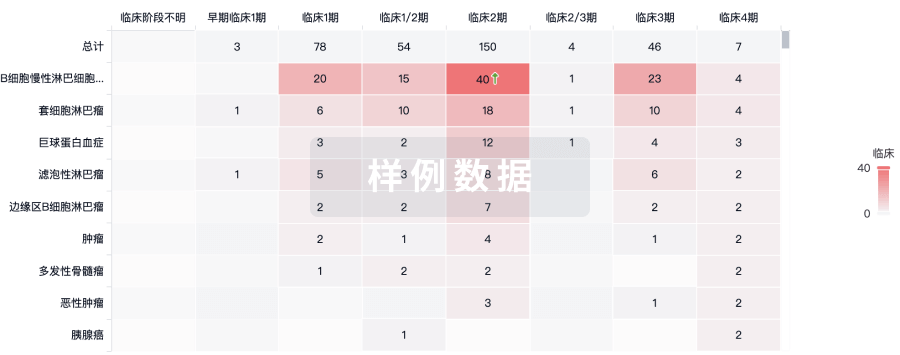
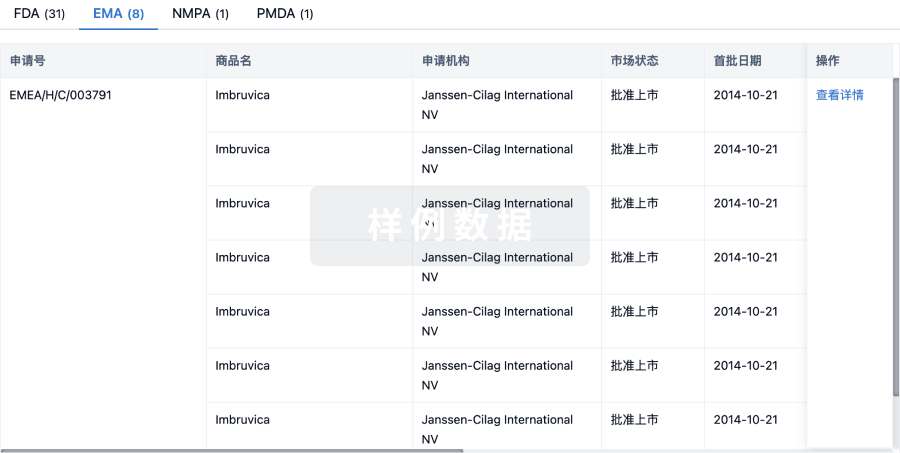
批准
利用最新的监管批准信息加速您的研究。
登录
或
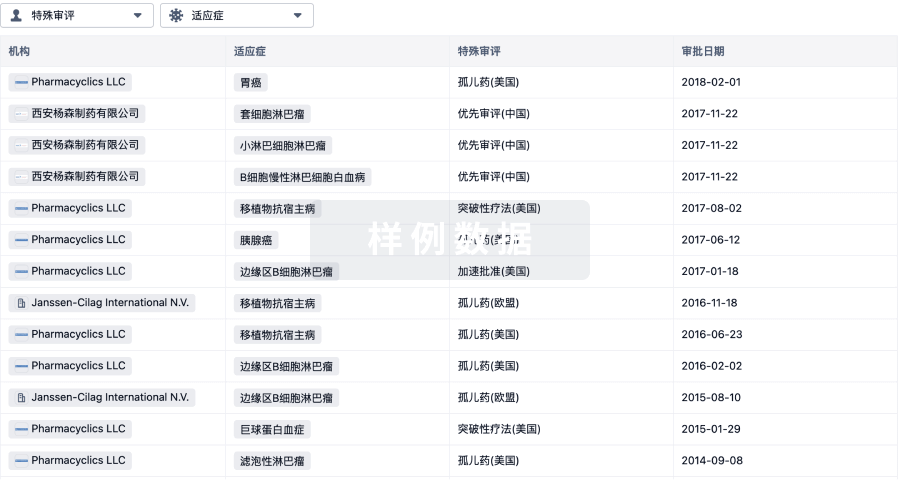
特殊审评
只需点击几下即可了解关键药物信息。
登录
或
芽仔
全新生物医药AI Agent 覆盖科研全链路,让突破性发现快人一步
立即开始免费试用!
智慧芽新药情报库是智慧芽专为生命科学人士构建的基于AI的创新药情报平台,助您全方位提升您的研发与决策效率。
立即开始数据试用!
智慧芽新药库数据也通过智慧芽数据服务平台,以API或者数据包形式对外开放,助您更加充分利用智慧芽新药情报信息。
生物序列数据库
生物药研发创新
免费使用
化学结构数据库
小分子化药研发创新
免费使用