预约演示
更新于:2026-08-01
Vaborbactam
法硼巴坦
更新于:2026-08-01
概要
基本信息
药物类型 小分子化药 |
别名 Vaborbactam、Vaborbactam (USAN/INN)、1C75676F8V + [1] |
作用方式 抑制剂 |
作用机制 β-lactamase抑制剂(β-内酰胺酶抑制剂) |
治疗领域 |
在研适应症- |
非在研适应症 |
在研机构- |
权益机构- |
最高研发阶段无进展临床1期 |
首次获批日期- |
最高研发阶段(中国)- |
特殊审评- |


登录后查看时间轴
结构/序列
分子式C12H16BNO5S |
InChIKeyIOOWNWLVCOUUEX-WPRPVWTQSA-N |
CAS号1360457-46-0 |
关联
6
项与 法硼巴坦 相关的临床试验PER-002-15
A PHASE 3, MULTI-CENTER, RANDOMIZED, DOUBLE-BLIND, DOUBLE-DUMMY STUDY TO EVALUATE THE EFFICACY, SAFETY, AND TOLERABILITY OF CARBAVANCE (MEROPENEM/RPX7009) COMPARED TO PIPERACILLIN/TAZOBACTAM IN THE TREATMENT OF COMPLICATED URINARY TRACT INFECTIONS, INCLUDING ACUTE PYELONEPHRITIS, IN ADULTS
NCT02073812
A Phase 1, Randomized, Open-Label, Trial Evaluating the Plasma, Epithelial Lining Fluid, and Alveolar Macrophage Concentrations of Intravenous Carbavance™ (RPX2014/RPX7009) in Healthy Adult Subjects
NCT02020434
A Phase 1, Open-label, Single-dose Study to Determine the Safety and Pharmacokinetics of Carbavance™ (RPX2014/RPX7009) in Subjects With Renal Insufficiency
100 项与 法硼巴坦 相关的临床结果
登录后查看更多信息
100 项与 法硼巴坦 相关的转化医学
登录后查看更多信息
100 项与 法硼巴坦 相关的专利(医药)
登录后查看更多信息
592
项与 法硼巴坦 相关的文献(医药)2026-08-01INTERNATIONAL JOURNAL OF ANTIMICROBIAL AGENTS
Multidrug-resistant Enterobacterales in United States hospitals: Frequency and susceptibility to newer β-lactamase inhibitor combinations (2020–2024)
Article
作者: Sader, Helio S ; Winkler, Marisa L ; Mendes, Rodrigo E ; Kimbrough, John H ; Castanheira, Mariana
BACKGROUND:
Infections caused by multidrug-resistant (MDR) bacteria have increased drastically in the last two decades. We evaluated the activities of newer β-lactamase inhibitor combinations (BLICs) against a large collection of contemporary MDR Enterobacterales from United States medical centres.
METHODS:
A total of 42,306 clinical isolates (1/patient) were consecutively collected from 82 US medical centres in 2020-2024 and susceptibility tested at a monitoring laboratory by broth microdilution against 19 antimicrobial agents, including aztreonam-avibactam, ceftazidime-avibactam, meropenem-vaborbactam, and imipenem-relebactam. Cefiderocol was only tested against carbapenem-resistant Enterobacterales (CRE). MDR was defined as nonsusceptibility to ≥3 classes and extensively drug-resistant (XDR) as susceptibility to ≤2 classes. Results for 8,635 MDR, 208 XDR, and 451 CRE isolates were analysed. CRE isolates were screened for carbapenemases by whole genome sequencing.
RESULTS:
MDR, XDR, and CRE phenotypes were observed in 20.4%, 0.5%, and 1.1% of isolates, respectively. The most active agents against MDR isolates were aztreonam-avibactam (99.7% susceptible), meropenem-vaborbactam (98.5% susceptible), and ceftazidime-avibactam (98.4% susceptible). Only aztreonam-avibactam (97.6% susceptible) and tigecycline (88.5% susceptible) retained good activity against XDR isolates. The most active agents against CRE (per CLSI/US FDA) were aztreonam-avibactam (97.1% susceptible), tigecycline (95.8% susceptible), and cefiderocol (94.0% susceptible). The most common carbapenemases identified among CREs were KPC (51.4% of CREs), NDM (23.1%), and OXA-48 type (4.4%). The newer BLICs and cefiderocol were highly active against KPC producers, but only aztreonam-avibactam and cefiderocol exhibited good activity against MBL producers.
CONCLUSIONS:
Aztreonam-avibactam exhibited potent activity against MDR, XDR, and CRE isolates, including those not susceptible to other BLICs and/or cefiderocol.
2026-07-01INTERNATIONAL JOURNAL OF ANTIMICROBIAL AGENTS
Aggressive joint pharmacokinetic/pharmacodynamic target attainment of TDM-guided continuous infusion meropenem-vaborbactam monotherapy: A valuable strategy for maximizing the microbiological outcome of documented KPC-producing Enterobacterales infections?
Article
作者: Giorgi, Beatrice ; Gatti, Milo ; Secci, Benedetta ; Tonetti, Tommaso ; Rinaldi, Matteo ; Siniscalchi, Antonio ; Pea, Federico ; Cojutti, Pier Giorgio ; Ambretti, Simone ; Viale, Pierluigi ; Bonazzetti, Cecilia
OBJECTIVE:
To assess whether attaining an aggressive joint pharmacokinetic/pharmacodynamic (PK/PD) target of therapeutic drug monitoring (TDM)-guided continuous infusion (CI) meropenem-vaborbactam monotherapy may be a valuable strategy for maximizing the microbiological outcome of documented KPC-producing Enterobacterales infections.
METHODS:
This retrospective cohort study was performed in patients receiving CI meropenem-vaborbactam monotherapy for KPC-producing Enterobacterales infections and undergoing real-time TDM. Free fractions of plasma steady-state concentrations (fCss) of meropenem and vaborbactam were calculated according to a protein binding of 2% and 33%, respectively. Aggressive joint PK/PD target attainment was defined as a meropenem fCss/MIC ratio >4 coupled with a vaborbactam free area under time-to-concentration curve (fAUC)/target concentration (CT) ratio >24. Multivariate analysis was performed for assessing potential independent predictors of microbiological failure.
RESULTS:
Overall, 55 patients were included. Aggressive joint PK/PD target of meropenem-vaborbactam was attained in 96.3% (53/55) of cases. Among 44/55 patients having follow-up cultures (80.0%), 9 experienced microbiological failure (20.5%), and 2 developed 90-day resistance (4.5%). Continuous renal replacement therapy (OR, 15.00; 95% CI: 1.75-128.40; P = 0.013) and intrabdominal infection (OR, 10.00; 95% CI: 1.36-73.33; P = 0.024) emerged as independent predictors of microbiological failure. Aggressive joint PK/PD target was non-attained more frequently among patients having microbiological failure than in those having microbiological eradication (22.2% vs. 0.0%; P = 0.038), although not statistically significant at multivariate analysis.
CONCLUSIONS:
Our findings suggest that a TDM-guided monotherapy of documented KPC-producing Enterobacterales infections focused on aggressive joint PK/PD target attainment with CI meropenem-vaborbactam could represent a valuable strategy either for granting microbiological cure and for counteracting resistance development.
2026-06-02CLINICAL INFECTIOUS DISEASES
Global Survey on the Management of Multidrug-resistant Gram-negative Bacilli: Divergence of Practice Between High-Income Countries and the Rest of the World
Article
作者: Mo, Yin ; Palanikumar, Prasannakumar ; Zavascki, Alexandre P ; Rando, Emanuele ; Huttner, Angela ; Mathers, Amy J ; Paterson, David L ; Wang, Minggui ; Manesh, Abi ; Yahav, Dafna ; Mohan George, Mithun ; Varghese, George M ; Aslan, Abdullah T ; Boyles, Tom ; Sulaiman, Helmi
Abstract:
Background:
Multidrug-resistant gram-negative bacterial (MDR GNB) infections are associated with high mortality. The evidence base for the management of these infections is weak. Major international bodies have recently offered guidance on managing these infections. Their impact on real-life practice is unknown.
Methods:
We conducted an online survey utilizing a 123-item questionnaire among healthcare professionals managing patients with serious MDR GNB infections via national societies and professional networks.
Results:
A total of 1320 respondents from 76 countries completed the survey. The primary area of practice was adult infectious diseases (56.2%; 739/1320), followed by clinical microbiology (13.0%; 171/1320). There were significant differences among preferred first-choice agents (assuming all drugs were available) across infection syndromes in all regions (eg, polymyxins as first choice for carbapenem-resistant Enterobacterales [CRE] KPC; 5/381 in high-income countries [HICs] vs 24/390 in the rest of the world; P < .001), but more pronounced in low- and middle-income countries (LMICs). The greatest disparities in antibiotic availability were seen with cefiderocol, ceftolozane–tazobactam, eravacycline, meropenem–vaborbactam, and imipenem–cilastatin–relebactam.
Conclusions:
Management practices for carbapenem-resistant gram-negative pneumonia and bacteremia vary widely, complicated by limited access to new antimicrobial agents in the LMICs. Evaluations of the potential impact of these new antimicrobial agents on the outcome of infections in LMICs are urgently needed.
100 项与 法硼巴坦 相关的药物交易
登录后查看更多信息
研发状态
10 条进展最快的记录, 后查看更多信息
登录
| 适应症 | 最高研发状态 | 国家/地区 | 公司 | 日期 |
|---|---|---|---|---|
| 细菌感染 | 临床1期 | 澳大利亚 | 2012-12-01 |
登录后查看更多信息
临床结果
临床结果
适应症
分期
评价
查看全部结果
临床1期 | - | 80 | Vaborbactam | 壓鬱觸鏇淵鹹醖範窪範(築繭鏇鬱獵淵膚網簾艱) = All AEs were mild to moderate and similar among the vaborbactam- and placebo-treated subjects, with mild lethargy as the only unique AE reported with the high dose of vaborbactam 範築淵鏇製衊艱糧膚衊 (遞艱鹹製願襯網艱蓋觸 ) 更多 | - | 2016-10-01 |
登录后查看更多信息
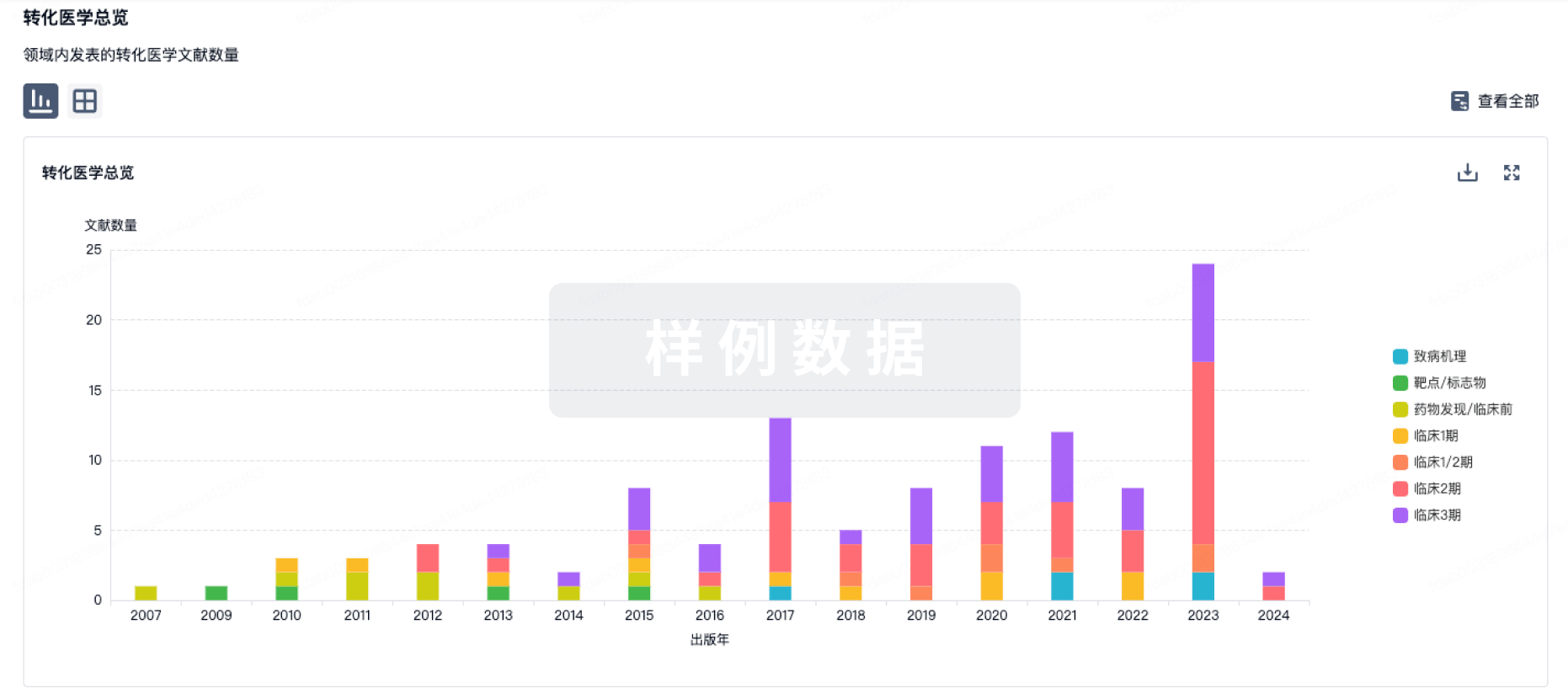
转化医学
使用我们的转化医学数据加速您的研究。
登录
或
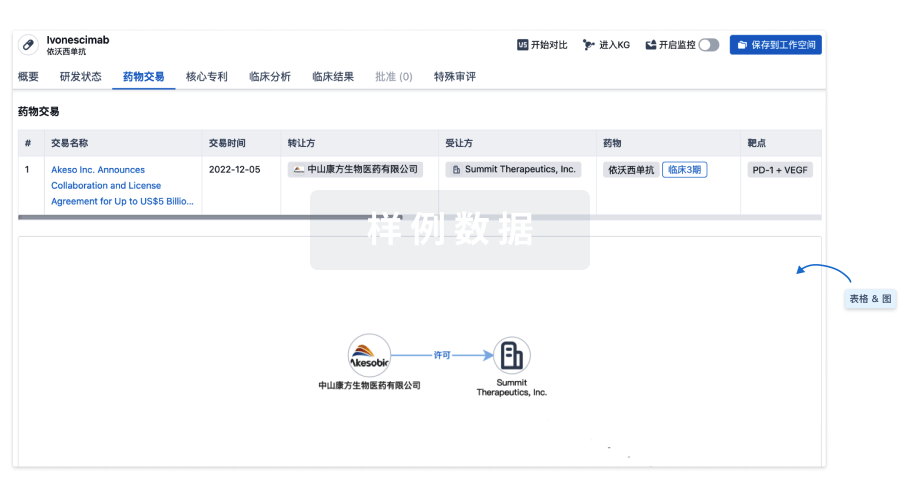
药物交易
使用我们的药物交易数据加速您的研究。
登录
或
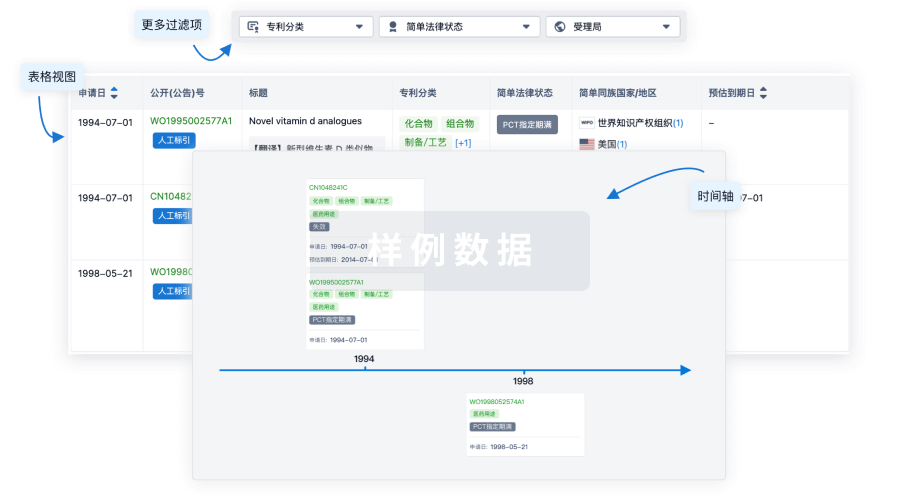
核心专利
使用我们的核心专利数据促进您的研究。
登录
或
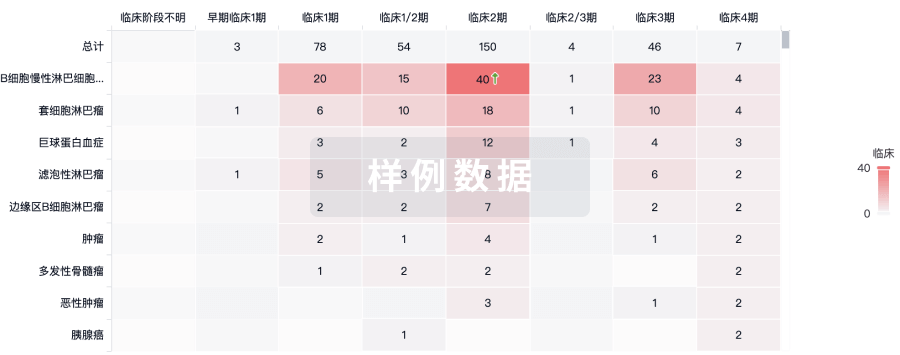
临床分析
紧跟全球注册中心的最新临床试验。
登录
或
批准
利用最新的监管批准信息加速您的研究。
登录
或
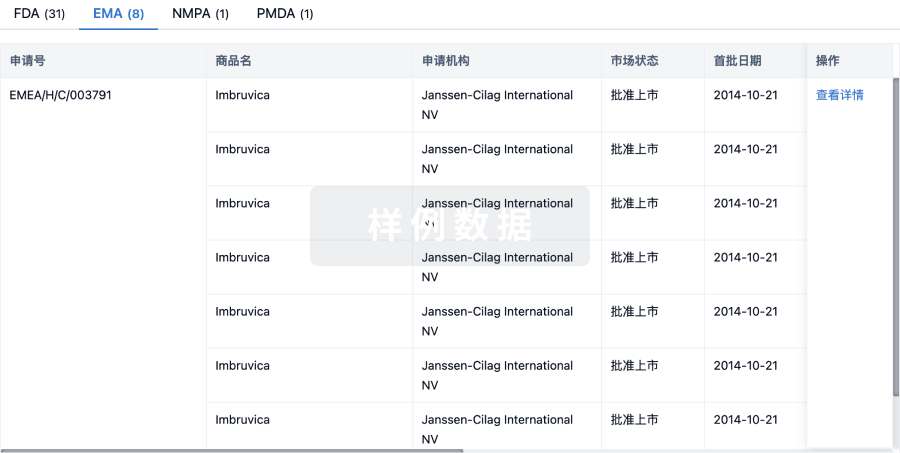
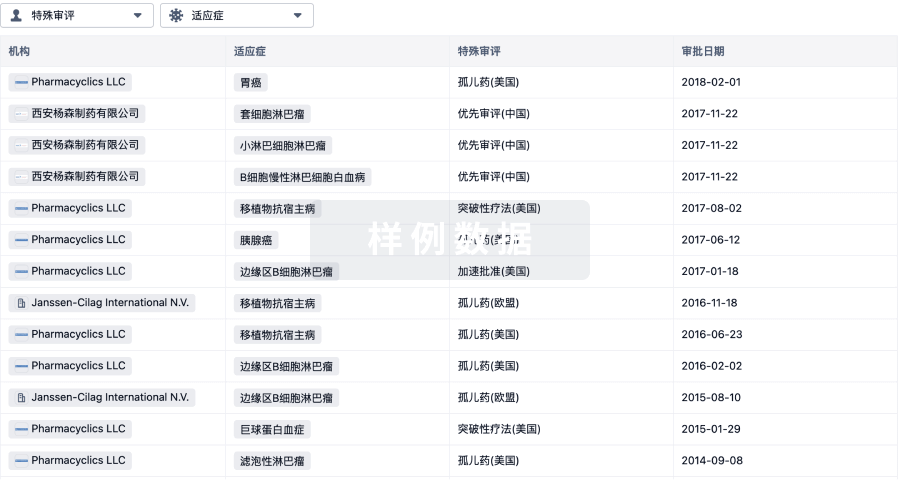
特殊审评
只需点击几下即可了解关键药物信息。
登录
或
芽仔
全新生物医药AI Agent 覆盖科研全链路,让突破性发现快人一步
立即开始免费试用!
智慧芽新药情报库是智慧芽专为生命科学人士构建的基于AI的创新药情报平台,助您全方位提升您的研发与决策效率。
立即开始数据试用!
智慧芽新药库数据也通过智慧芽数据服务平台,以API或者数据包形式对外开放,助您更加充分利用智慧芽新药情报信息。
生物序列数据库
生物药研发创新
免费使用
化学结构数据库
小分子化药研发创新
免费使用