预约演示
更新于:2026-07-25
HCB-101( hC Bioscience)
更新于:2026-07-25
概要
基本信息
非在研机构- |
权益机构- |
最高研发阶段临床前 |
首次获批日期- |
最高研发阶段(中国)- |
特殊审评- |

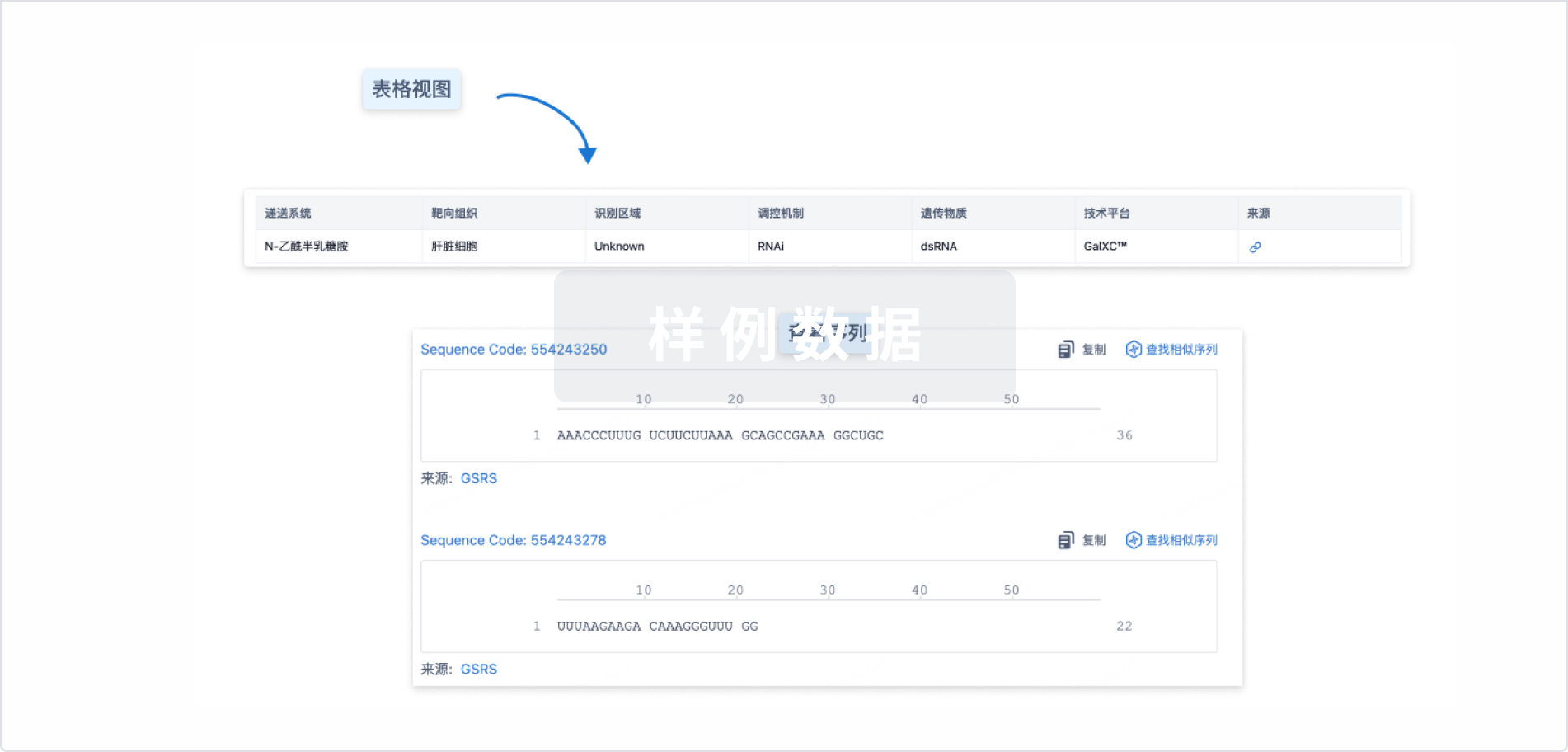
结构/序列
使用我们的RNA技术数据为新药研发加速。
登录
或
关联
100 项与 HCB-101( hC Bioscience) 相关的临床结果
登录后查看更多信息
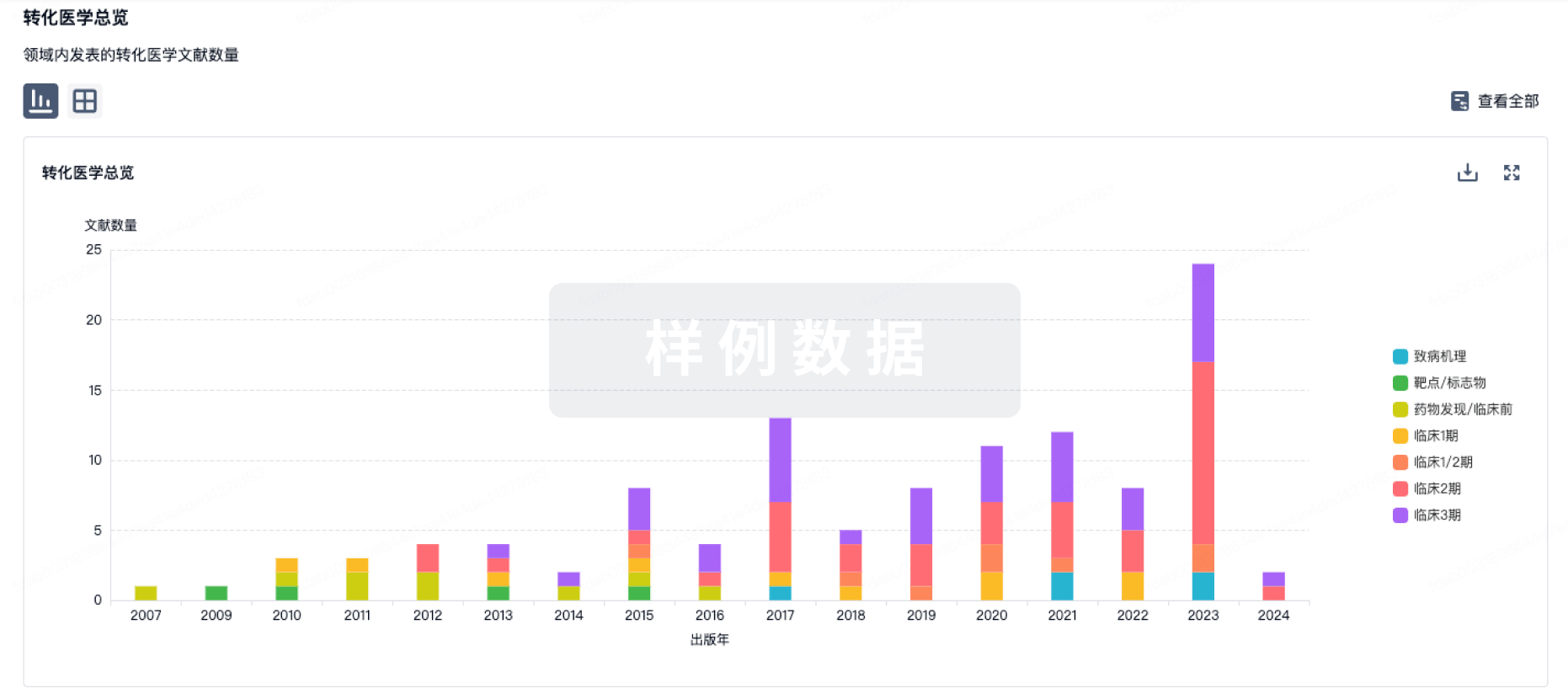
100 项与 HCB-101( hC Bioscience) 相关的转化医学
登录后查看更多信息
100 项与 HCB-101( hC Bioscience) 相关的专利(医药)
登录后查看更多信息
42
项与 HCB-101( hC Bioscience) 相关的新闻(医药)2026-07-23
·汉康生技
汉康生技公布主力新药
HCB101最新临床进展
持续深化巨噬细胞
导向肿瘤治疗策略
二线结直肠癌最新数据支持HCB101拓展胃肠道肿瘤应用潜力
【台北、上海、旧金山|2026年7月23日】——汉康生技今日公布HCB101最新早期临床观察结果。汉康生技是一家全球临床阶段生物技术公司,致力于开发应用于肿瘤及免疫相关疾病的下一代免疫疗法。
此次更新进一步展现了汉康生技以巨噬细胞生物学为核心的研发策略。HCB101为公司核心临床产品,通过阻断CD47–SIRPα信号,恢复巨噬细胞清除肿瘤细胞的能力,并定位为可与多种标准治疗并用的巨噬细胞免疫骨干。
二线结直肠癌最新数据支持HCB101拓展胃肠道肿瘤应用潜力
截至2026年7月17日数据截止日,HCB101临床开发计划的四个二线结直肠癌治疗组合中,共有11位患者可进行疗效评估。
其中:
6位患者达到部分缓解,且肿瘤缩小幅度均超过30%,客观缓解率为54.5%
5位患者达到疾病稳定
疾病控制率达100%
上述客观肿瘤反应已在多种二线标准治疗合并方案及不同临床研究情境中观察到,支持持续评估HCB101作为胃肠道肿瘤合并治疗的巨噬细胞免疫骨干的发展潜力。
其中,公司主导的HCB101-201试验在多个二线结直肠癌治疗组合中持续观察到肿瘤缩小;另一方面,台湾地区医师发起临床研究亦持续展现具潜力的疗效持续性,其中一位患者接受HCB101治疗已超过一年,另一位患者则维持疾病稳定超过48周后才出现疾病进展。
上述结果仍属早期临床观察,来自样本数有限且非随机分组之研究。虽然现有标准治疗的历史临床结果显示,二线结直肠癌仍存在显著未被满足的医疗需求,但本研究结果不宜与其他临床试验进行直接比较。后续仍需持续收案及延长追踪,以进一步评估反应持续时间、无进展生存期、安全性,以及HCB101在不同合并治疗中的临床贡献。
目前,二线胃癌/胃食管交界癌仍为HCB101最重要的核心临床发展适应症。本次结直肠癌数据则进一步支持HCB101巨噬细胞免疫骨干有望延伸应用至更多胃肠道肿瘤及不同标准治疗架构。
此外,包括胃癌、头颈部鳞状细胞癌及三阴性乳腺癌等HCB101合并治疗研究亦持续累积临床经验,进一步拓展HCB101在不同肿瘤生物学及治疗组合中的应用基础。
汉康生技创始人暨董事长刘世高博士表示:“我们的策略并非只是增加适应症数量,而是通过临床证据持续引导并深化我们对巨噬细胞生物学的理解。HCB101帮助我们探索巨噬细胞导向疗法如何与现有标准治疗互补,并在不同肿瘤类型及治疗组合中创造更多临床价值。本次结直肠癌数据进一步支持我们由胃癌的核心临床定位,审慎拓展至更多胃肠道肿瘤。”
首席医学官陆英明博士指出:“此次二线结直肠癌资料令人鼓舞,因为我们在多种治疗组合及不同临床研究情境中,均观察到客观肿瘤反应及疾病控制。这些结果支持持续评估HCB101在更多胃肠道肿瘤中的应用潜力,而二线胃癌/胃食管交界癌仍是公司最重要的核心临床发展方向。”
随着收案与追踪持续进行,汉康生技将进一步累积疗效数据及患者受益特征资料,并据此评估后续治疗组合与临床开发规划。
关于HCB101
HCB101为汉康生技自主开发的差异化工程化SIRPα-IgG4 Fc融合蛋白,可选择性地阻断CD47–SIRPα信号,同时降低与红细胞的结合。通过恢复巨噬细胞吞噬肿瘤细胞功能并促进抗原呈递,HCB101正开发为可与多种标准治疗搭配使用的巨噬细胞免疫骨干,用于多项实体肿瘤治疗。
关于汉康-KY
英属开曼群岛商汉康生技股份有限公司(以下简称“汉康-KY”,股票代码:7827)成立于2020年,由具备丰富国际药物开发与运营经验的刘世高博士创办。公司专注于肿瘤免疫药物研发,通过自主建立的核心“FBDB™多功能融合蛋白技术平台”开发出8种以上创新蛋白生物药,具有广谱抗癌潜力,可抑制多种实体瘤及血液肿瘤,并持续取得多项专利。其中HCB101与HCB301已进入临床试验阶段,而HCB101在2025年6月更完成首项国际授权,总授权金达2.02亿美元。汉康-KY的策略是以多功能生物药克服现行采取免疫疗法与化疗并行的高失败率,同时通过启动先天性免疫和适应性免疫体系以摧毁肿瘤,致力提供高效且可负担的新一代肿瘤免疫治疗方案,解决未满足的医疗需求。
更多公司信息请详见官网
https://www.hanchorbio.com/
前瞻性声明
本新闻稿及同时发布之相关信息内含预测性叙述;其内容乃根据既有之风险及可能的不确定性进行判断及预测,包括:市场因素与其他非汉康-KY(以下简称本公司)所能掌控之原因。这些预测性叙述是基于现况的预测和评估,除非基于法律的要求,本公司不负日后更新之责。
2026-07-06
医脉通e招募|让新药触手可及
以下研究项目正在开展,我们诚邀您参加,研究相关的*检查和药物都是不收取费用的,并且在公立三甲医院接受治疗和随诊,有需要的患者可以点击下方链接,联系我们报名。
前列腺癌项目
QLC5508对比研究者选择的标准治疗在新型内分泌药物治疗失败的转移性去势抵抗性前列腺癌患者中的临床研究
用药介绍:
QLC5508是一种靶向B7-H3的抗体药物偶联物(ADC),已获得中国国家药监局药品审评中心(CDE)的三项突破性疗法认定,分别针对复发性小细胞肺癌、经治食管鳞癌和转移性去势抵抗性前列腺癌。在前列腺癌的一项研究中,接受2.0mg/kg剂量组的12个月影像学无进展生存期(rPFS)率达到78.6%。
基本入选条件:
1. 年龄≥18周岁,体能状态良好;
2. 转移性前列腺癌,且未提示神经内分泌或小细胞特征;
3. 睾酮处于去势水平(≤50ng/dL或1.7nmol/L);
4. 既往接受去势治疗时发生进展,需满足下列1项或1项以上标准:
①PSA进展,定义为至少2次PSA水平升高(PSA值>1ng/mL,间隔至少1周,连续2次,较基础值升高>50%);
②影像学疾病进展,定义为骨扫描提示≥2处新发骨病灶(基于PCWG3),或CT/MRI提示软组织病灶进展。
研究所在地区:北京大学肿瘤医院 四川大学华西医院
点击申请临床前沿新药
实体瘤项目
在晚期实体瘤患者中评估HCB101与不同药物联合治疗的临床研究
用药介绍:靶向CD47-SIRPα通路的3.5代SIRPα-Fc融合蛋白,通过工程化改造,在增强抗肿瘤免疫活性的同时,大幅降低了血液毒性,有望克服该靶点药物的历史局限性。
基本入选条件:
1. 年龄≥18周岁,体能状态良好;
2. 经组织学或细胞病理学确诊的不可切除局部晚期或转移性恶性实体瘤患者。
3. 具体纳入以下几种类型:
①三阴乳腺癌:一线失败或二线失败:需既往晚期阶段接受过化疗(必须包含紫杉类药物)。
②铂耐药卵巢癌:一线~三线失败:既往接受过标准含铂化疗,HRD+或BRCA+者接受过PARP抑制剂。
③胆道肿瘤(胆囊癌和胆管癌):一线失败:既往接受过标准化疗±PD-(L)1治疗失败或含铂化疗或5FU为基础的方案。
研究所在地区:北京 广东 湖南 山东 浙江
点击申请临床前沿新药
配图来自:视觉中国
e招募诚邀您使用「MedSeeker」
您可在此提出问题,MedSeeker将为您专业解答
热门招募回顾,快戳👇
选择参加临床试验,你想了解的问题,全在这里↓
新疗法 | 前列腺癌食管癌治疗项目上新!
晚期肺癌没有基因突变?免疫治疗免费用药机会来了
三阴性乳腺癌治疗棘手?这种疗法改善显著...
EGFR四代靶向药项目上新!不要求测继发靶点!
重磅 | 120万一针的CAR-T免费用药机会来了!
30分钟清零肿瘤细胞?黑科技硼中子俘获疗法有何神奇之处?
价格高昂的CAR-T疗法到底是个啥?
肝癌、胃癌治疗又有新动向,创新药物进入临床研究
复发/难治多发性骨髓瘤患者,CAR-T赠药机会来了!
肝癌药物研发新突破助力患者获益
众多晚期肝癌患者关注的靶向新药免费了
RET抑制剂免费用药机会来了
7款新药获批临床研究,肺癌患者享受免费用药治疗
你和“神药”的距离也许只差这几步
参加临床试验免费用药6个注意事项,最后一个道破入组“天机”
消化系统肿瘤创新治疗免费用药方案
宫颈癌患者PD-1/CTLA-4双特异性抗体免费用药机会来了
PD-1双抗联合方案为什么会成很多EGFR靶向耐药患者的选择?
招募KRAS p.G12C突变的晚期肠癌患者
招募HER2阳性晚期非小细胞肺癌患者
CLDN18.2 恶性肿瘤治疗新靶点|内含免费用药福利
三阴性乳腺癌创新治疗方案|内含免费用药福利
6款血液肿瘤新药获批临床研究免费用药
HER2+乳腺癌患者的新希望!”生物导弹“重拳出击让癌细胞“跪地求饶”!
一代更比一代强:非小细胞肺癌EGFR-TKI是神药?
一文读懂 PD-1 抑制剂的不良反应
END
本文由医脉通e招募内容团队根据公开资料整理编辑,欢迎个人转发至朋友圈。转发授权请在「医脉通e招募」微信公众号留言联系我们。
其他合作需求,请联系:ezhaomu@kingyee.com.cn
声明:所有临床试验项目均由国家药品监督管理局(NMPA)以及本研究机构医学伦理委员会批准开展,具备国家药品监督管理局药物临床试验通知书编号可在政府部门公示平台上查询。
2026-07-01
·汉康生技
汉康生技宣布FDA C类会议
会议记录明确HCB101在
二线胃癌/胃食管交界处癌中
的开发路径
官方会议记录支持Phase 2导入期剂量/方案优化,随后开展以总生存期为主要终点的验证性研究,确立核心临床锚点适应症的开发方向
【台北、上海、旧金山|2026年7月1日】——汉康生技,一家致力于开发肿瘤及自身免疫疾病下一代免疫疗法的全球临床阶段生物技术公司,今日宣布已收到美国食品药品监督管理局关于HCB101在Phase 1后开发策略的C类会议正式会议记录。
该官方会议记录为HCB101在二线胃癌/胃食管交界处腺癌的FDA监管开发方向提供了清晰且可行的指导。汉康生技将二线胃癌/胃食管交界处癌视为该产品潜在注册路径的核心临床锚点。本次会议旨在显著降低HCB101在二线胃癌/胃食管交界处癌主要开发路径上的战略不确定性。基于FDA的反馈,公司计划在正在进行的Ib/IIa期HCB101-201多队列研究中,采用分阶段的联合剂量/方案探索策略,以支持候选方案的筛选,随后开展随机IIb期导入期研究,再进行验证性III期研究。
HCB101是汉康生技工程化的SIRPα-IgG4 Fc融合蛋白,旨在选择性阻断CD47–SIRPα“别吃我”信号,同时减少红细胞结合。该项目正被开发为一种髓系增强型免疫骨干疗法,用于合理的联合治疗,以二线胃癌/胃食管交界处癌作为主要开发重点。
FDA会议记录显示,监管机构未对汉康生技提出的将近期开发重点从单药RP2D申报转向每两周一次联合剂量/方案的前瞻性优化表示异议。会议记录还反映了FDA的反馈意见:继续与雷莫西尤单抗及紫杉醇进行联合剂量探索是合理的,且以总生存期为主要终点的验证性III期策略是该适应症合适的注册方向。
“FDA会议记录之所以重要,是因为它为HCB101在二线胃癌/胃食管交界处癌提供了清晰可行的监管方向,同时也强化了汉康生技更广泛的战略方向,”汉康生技创始人、董事长兼首席执行官刘世高博士表示。“我们将二线胃癌/胃食管交界处癌视为我们髓系增强剂平台的临床锚点——一个可以建立严谨开发路径、并为向其他髓系丰富肿瘤扩展奠定基础的适应症。我们相信这一结果支持明确的下一步:首先优化每两周一次给药剂量的方案,然后在具有全球标准治疗方案作为对照的临床明确环境中推进IIb期导入期研究,随后开展III期研究。长远来看,我们也相信这一平台可以从CD47–SIRPα生物学扩展至更广泛的多轴肿瘤微环境调控,并有望超越肿瘤领域,进入自身免疫、心血管及中枢神经系统疾病。”
在会议记录中,FDA表示公司在正在进行的Ib/IIa期HCB101-201多队列研究中提出的分阶段每两周一次联合方案探索在当前开发阶段似乎是合理的,但需提交完整方案并接受审评。会议记录还明确了未来二线胃癌/胃食管交界处癌注册路径的关键要素,包括:对于HER2阳性患者,需在获得当地批准且临床适用的情况下考虑既往使用德曲妥珠单抗治疗,任何例外情况需前瞻性记录;以及未来研究需在与美国患者相关的多区域框架内进行。此外,会议记录支持对研究人群中生物标志物定义的既往靶向治疗进行前瞻性处理,这与当前HER2阳性和CLDN18.2阳性疾病的治疗实践保持一致。
作为该优化策略的一部分,汉康生技计划不仅继续评估安全性、药代动力学、药效学和受体占有率,还将评估在雷莫西尤单抗及紫杉醇方案中的治疗可执行性,包括紫杉醇剂量调整的实际影响,这与FDA反馈意见一致。公司认为这对于在二线胃癌/胃食管交界处癌中进行严谨的方案筛选至关重要。
“我们相信二线胃癌/胃食管交界处癌是HCB101合适的核心开发适应症,因为它提供了一个临床定义明确的患者群体、一个全球确立的标准治疗方案、可解读的终点以及一条明确的注册路径,”汉康生技集团总裁兼首席医学官、美国子公司首席执行官陆英明博士补充道。“我们的目标一直是围绕最有助于决策的下一步来调整项目方向。FDA会议记录有助于明确路径,支持前瞻性的Phase 2导入期剂量/方案优化(联合雷莫西尤单抗及紫杉醇),随后开展验证性III期研究。结合HCB101在胃癌中获得的孤儿药资格认定,这为我们提供了一个更清晰的框架,以严谨且以注册为导向的方式执行该项目。”
汉康生技计划将FDA的反馈意见纳入HCB101的持续开发中,包括剂量/方案探索的方案优化、随机IIb期导入期剂量优化、安全性特征描述,以及用于未来临床研究申报的II/III期主方案统计框架。
关于HCB101
HCB101是汉康生技差异化的工程化SIRPα-IgG4 Fc融合蛋白,旨在选择性阻断CD47–SIRPα信号,同时减少红细胞结合。通过恢复巨噬细胞介导的肿瘤细胞吞噬作用并支持抗原呈递,HCB101正被开发为一种髓系增强型免疫骨干疗法,用于选定实体瘤的合理联合治疗。
关于汉康生技
汉康生技(股票代码:7827.TWSE)是一家全球临床阶段的生物技术公司,专注于肿瘤免疫学及免疫介导疾病领域,总部设于台北,并在上海及美国旧金山湾区设有运营机构。公司由一支在生物药发现与全球开发方面拥有丰富成功经验的资深团队领导,致力于重塑癌症治疗格局。汉康生技专有的Fc基础设计生物药平台能够开发具有多种靶向模式的多功能生物药,旨在激活先天性与适应性免疫通路,以突破当前抗PD-1/L1免疫疗法的局限。该平台已在多个体内肿瘤动物模型中成功获得概念验证数据。通过差异化的分子研发策略与可规模化的CMC工艺开发,汉康生技正推进一系列创新生物药管线,致力于解决尚未被满足的重大医疗需求。
更多信息,敬请访问:
www.HanchorBio.com
前瞻性声明
本新闻稿包含关于汉康生技临床开发项目、候选产品、监管策略及未来计划的前瞻性陈述。由于各种风险和不确定性,包括临床开发结果、监管互动、监管决策、方案制定及市场状况,实际结果可能与这些明示或暗示的陈述存在重大差异。除适用法律要求外,汉康生技不承担更新前瞻性陈述的义务。
HanchorBio Announces FDA Type C Meeting Minutes
Supporting a Clear Development Path for HCB101 in Second-Line Gastric/GEJ Cancer
Official minutes support Phase 2 lead-in dose/schedule optimization
followed by an OS-primary confirmatory strategy in HanchorBio’s lead clinical anchor indication
[Taipei, Shanghai, San Francisco | July 1, 2026] – HanchorBio, Inc. (TWSE: 7827), a global clinical-stage biotechnology company advancing next-generation immunotherapies for oncology and autoimmune diseases, today announced receipt of the official minutes from its recent U.S. Food and Drug Administration (FDA) Type C meeting regarding the post-Phase 1 development strategy for HCB101.
The official meeting minutes provide HanchorBio with a clear and workable FDA-facing development direction for HCB101 in second-line gastric/gastroesophageal junction (GC/GEJ) adenocarcinoma, which the Company views as the lead clinical anchor for potential registrational path for the program. The purpose of the meeting was to meaningfully reduce strategic uncertainty around HCB101’s lead development path in second-line GC/GEJ cancer. Based on the FDA feedback, the Company plans to proceed with a staged combination dose/schedule exploration strategy in the ongoing Phase 1b/2a HCB101-201 multi-cohort study (NCT06771622), intended to support the selection of candidate regimens for a randomized Phase 2b lead-in, followed by the confirmatory Phase 3 study.
HCB101 is HanchorBio’s engineered SIRPα-IgG4 Fc fusion protein designed to selectively block CD47–SIRPα “don’t eat me” signaling while reducing red-blood-cell binding. The program is being developed as a myeloid-enhancing immune backbone for rational combination therapy, with second-line GC/GEJ cancer as the lead development focus.
The FDA meeting minutes document that the Agency did not object to HanchorBio’s proposal to shift the near-term development focus away from a monotherapy RP2D declaration and toward a prospective optimization of the every-2-week (Q2W) combination dose/schedule. The minutes also reflect FDA’s feedback that continued combination dose exploration with ramucirumab and paclitaxel is appropriate, and that a confirmatory Phase 3 strategy (with OS as the primary endpoint) is the appropriate registrational direction in this setting.
“The FDA meeting minutes are important because they provide a clear and workable regulatory direction for HCB101 in second-line gastric/gastroesophageal junction cancer, while also reinforcing the broader strategic direction of HanchorBio,” said Scott Liu, PhD, Founder, Chairman, and CEO of HanchorBio. “We view second-line gastric/gastroesophageal junction cancer as the clinical anchor for our myeloid-enhancer platform — a setting where we can establish a disciplined development path and build the foundation for expansion into other myeloid-rich tumors. We believe this outcome supports a clear next step: optimize the dose for the Q2W schedule first, then advance to the Phase 2b lead-in followed by the Phase 3 study in a clinically defined setting with a comparator arm of the globally established standard-of-care regimen. Over time, we also believe this platform can extend beyond CD47–SIRPα biology into broader multi-axis tumor microenvironment modulation, and potentially beyond oncology into autoimmune, cardiovascular, and CNS diseases.”
In the meeting minutes, FDA indicated that the Company’s proposed staged Q2W combination regimen exploration in the ongoing Phase 1b/2a HCB101-201 multi-cohort study appears reasonable at the current stage of development, subject to full protocol submission and review. The minutes also clarify key elements of the future registrational path in second-line GC/GEJ cancer, including prior trastuzumab deruxtecan for HER2-positive patients, where locally approved and clinically appropriate, with any exceptions prospectively documented; and conduct of the future study in a multiregional framework relevant to U.S. patients. In addition, the minutes support prospective handling of biomarker-defined prior targeted therapy in the study population, aligned with current treatment practice for HER2-positive and CLDN18.2-positive disease.
As part of this optimization strategy, HanchorBio plans to continue evaluating not only safety, pharmacokinetics, pharmacodynamics, and receptor occupancy, but also treatment deliverability in the intended ramucirumab and paclitaxel regimen, including the practical impact of paclitaxel dose modification, consistent with the FDA feedback. The Company believes this is important for disciplined regimen selection in second-line GC/GEJ cancer.
“We believe second-line gastric/gastroesophageal junction cancer is the right lead development setting for HCB101 because it offers a clinically defined population, a globally established standard-of-care regimen, interpretable endpoints, and a focused registrational path,” added Alvin Luk, PhD, MBA, CCRA, President & Chief Medical Officer (Group) and CEO (U.S.A.) of HanchorBio. “Our objective has been to align the program around the most decision-useful next step. The FDA meeting minutes help clarify the path, supporting prospective Phase 2 lead-in dose/schedule optimization in combination with ramucirumab and paclitaxel, followed by a confirmatory Phase 3 study. Together with HCB101’s orphan drug designation in gastric cancer, this gives us a clearer framework to execute the program in a disciplined and registration-oriented manner.”
HanchorBio plans to incorporate the FDA’s feedback into the ongoing development of HCB101, including protocol refinement for dose/schedule exploration, the randomized Phase 2b lead-in dose optimization, safety characterization, and the Phase 2/3 master protocol statistical framework for future clinical study submissions.
About HCB101
HCB101 is HanchorBio’s differentiated engineered SIRPα-IgG4 Fc fusion protein designed to selectively block CD47–SIRPα signaling while reducing red-blood-cell binding. By restoring macrophage-mediated tumor-cell phagocytosis and supporting antigen presentation, HCB101 is being developed as a myeloid-enhancing immune backbone for rational combination therapy across selected solid tumors.
About HanchorBio
Based in Taipei, Shanghai, and the San Francisco Bay Area, HanchorBio (TWSE: 7827) is a global clinical-stage biotechnology company focused on immuno-oncology and immune-mediated diseases. The company is led by an experienced team with a proven track record in biologics discovery and global development, aiming to reshape the landscape of cancer therapies. HanchorBio’s proprietary Fc-based designer biologics (FBDB™) platform enables the design of multi-functional biologics with diverse targeting modalities, designed to activate both innate and adaptive immune pathways and overcome the current challenges of anti-PD1/L1 immunotherapies. The FBDB™ platform has delivered proof-of-concept data in several in vivo tumor animal models. HanchorBio is advancing a portfolio of innovative biologics designed to address significant unmet medical needs through differentiated molecular configurations in R&D and scalable CMC strategies.
For more information, please visit:
https://www.HanchorBio.com
Forward-Looking
Statements
This press release contains forward-looking statements regarding HanchorBio’s clinical development programs, product candidates, regulatory strategy, and future plans. Actual results may differ materially from those expressed or implied due to various risks and uncertainties, including clinical development outcomes, regulatory interactions, regulatory decisions, protocol development, and market conditions. HanchorBio undertakes no obligation to update forward-looking statements except as required by applicable law.
100 项与 HCB-101( hC Bioscience) 相关的药物交易
登录后查看更多信息
研发状态
10 条进展最快的记录, 后查看更多信息
登录
| 适应症 | 最高研发状态 | 国家/地区 | 公司 | 日期 |
|---|---|---|---|---|
| 血友病A | 临床前 | 美国 | 2024-04-23 |
登录后查看更多信息
临床结果
临床结果
适应症
分期
评价
查看全部结果
| 研究 | 分期 | 人群特征 | 评价人数 | 分组 | 结果 | 评价 | 发布日期 |
|---|
No Data | |||||||
登录后查看更多信息
转化医学
使用我们的转化医学数据加速您的研究。
登录
或
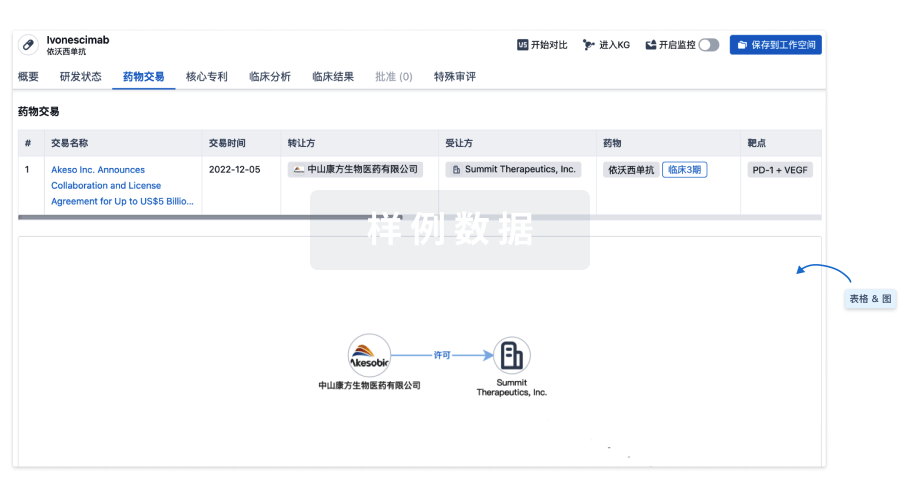
药物交易
使用我们的药物交易数据加速您的研究。
登录
或
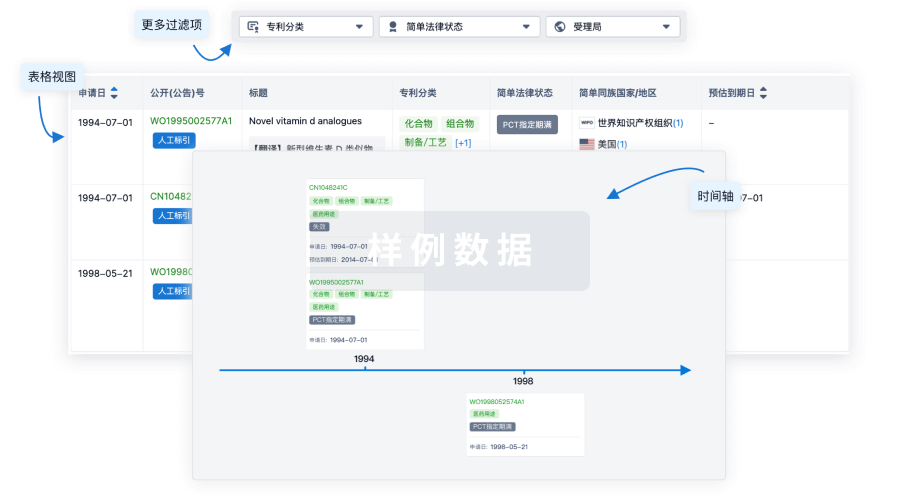
核心专利
使用我们的核心专利数据促进您的研究。
登录
或
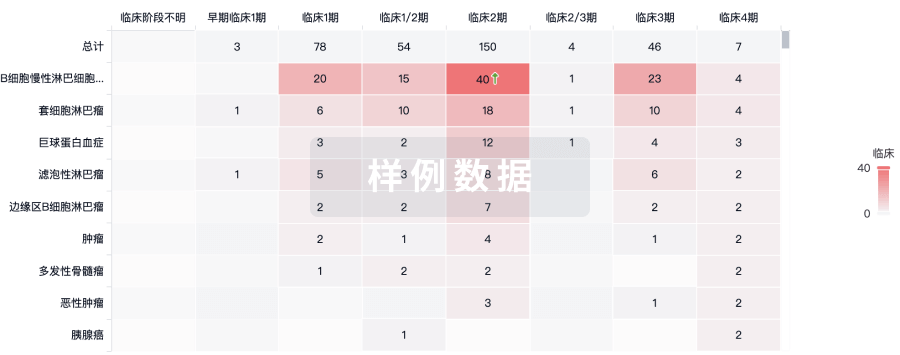
临床分析
紧跟全球注册中心的最新临床试验。
登录
或
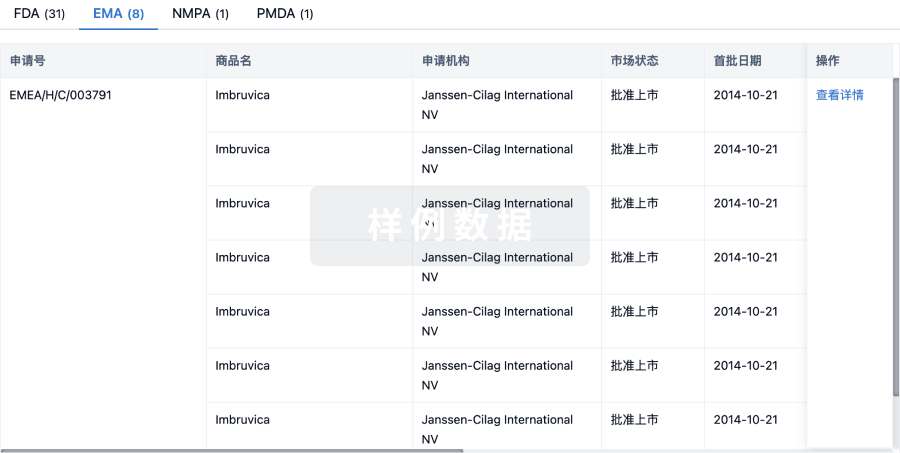
批准
利用最新的监管批准信息加速您的研究。
登录
或
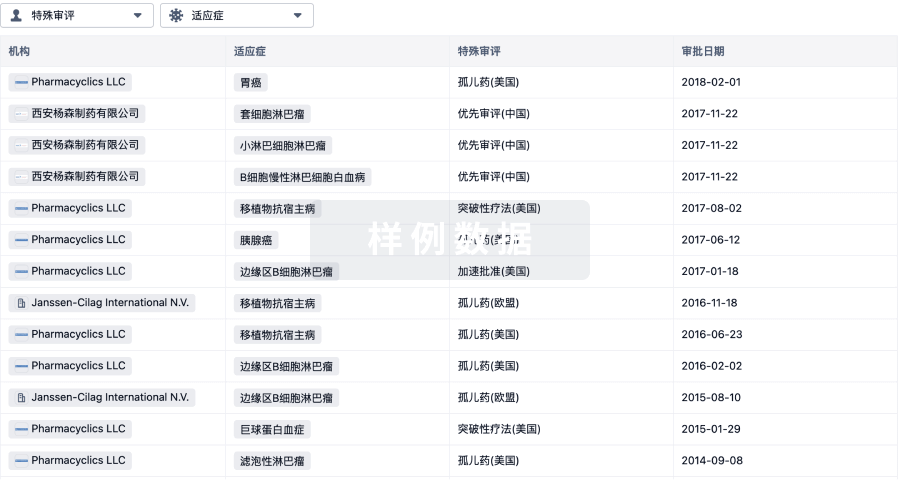
特殊审评
只需点击几下即可了解关键药物信息。
登录
或
芽仔
全新生物医药AI Agent 覆盖科研全链路,让突破性发现快人一步
立即开始免费试用!
智慧芽新药情报库是智慧芽专为生命科学人士构建的基于AI的创新药情报平台,助您全方位提升您的研发与决策效率。
立即开始数据试用!
智慧芽新药库数据也通过智慧芽数据服务平台,以API或者数据包形式对外开放,助您更加充分利用智慧芽新药情报信息。
生物序列数据库
生物药研发创新
免费使用
化学结构数据库
小分子化药研发创新
免费使用