预约演示
更新于:2026-07-23
Gastrodine
天麻素
更新于:2026-07-23
概要
基本信息
原研机构 |
在研机构 |
非在研机构- |
权益机构- |
最高研发阶段批准上市 |
最高研发阶段(中国)批准上市 |
特殊审评- |


登录后查看时间轴
结构/序列
分子式C13H18O7 |
InChIKeyPUQSUZTXKPLAPR-UJPOAAIJSA-N |
CAS号62499-27-8 |
关联
7
项与 天麻素 相关的临床试验ChiCTR2600126708
Effects of Gastrodin on the Incidence of Postoperative Delirium in Elderly Patients Undergoing Laparoscopic Radical Gastrectomy Under Dexmedetomidine-Based General Anesthesia: A Randomized Controlled Trial
ChiCTR2500108243
A Study on the Neuroinflammatory, Oxidative Stress, and Gut Microbiota Biomarkers Related to the Therapeutic Efficacy of Gastrodin in Autism Spectrum Disorder Based on Metabolomics and Microbiomics
NCT07283562
Efficacy and Safety of Gastrodin Acupoint Injection as an Adjunctive Therapy for Sensorineural Hearing Loss With Vertigo: A Randomized Controlled Trial

100 项与 天麻素 相关的临床结果
登录后查看更多信息
100 项与 天麻素 相关的转化医学
登录后查看更多信息
100 项与 天麻素 相关的专利(医药)
登录后查看更多信息
821
项与 天麻素 相关的文献(医药)2026-12-01Synthetic and Systems Biotechnology
Efficient whole-cell biotransformation for gastrodin production via glycosyltransferase engineering and process optimization
Article
作者: Wang, Fei ; Li, Tao ; Zhang, Jiale ; Wang, Zhiguo ; Li, Xun ; Wang, Xun
Gastrodin is a naturally occurring phenolic glycoside derived from Gastrodia elata, which is widely used as an edible medicinal plant in functional foods and dietary supplements in East Asia. Owing to its antioxidant, neuroprotective, and metabolic regulatory activities, gastrodin has attracted increasing attention as a valuable plant-derived glycoside for food and nutraceutical applications. However, its sustainable production is hindered by the limited activity of plant-derived uridine diphosphate-dependent glycosyltransferases (UGTs), the cytotoxicity of p-hydroxybenzyl alcohol (pHBA), and insufficient intracellular supply of UDP-glucose (UDPG). In this study, an efficient whole-cell biotransformation strategy was developed by integrating glycosyltransferase engineering with host metabolic optimization to enhance gastrodin biosynthesis. A triple mutant UGT variant, M4 (N94L/N221G/I343V), exhibiting 50.1% higher catalytic activity than the wild-type enzyme, was obtained through experimental screening. The cytotoxic effects of pHBA were systematically evaluated to define an optimal substrate loading range for high efficiency conversion. Furthermore, intracellular UDPG availability was enhanced using a push-pull strategy that combined a UDPG regeneration module with deletion of the competing pgm gene. Under optimized conditions, the engineered strain achieved a gastrodin titer of 79.9 mM (equivalent to 22.9 g/L) in a 1 L fermenter within 12 h, corresponding to a space-time productivity of 1.9 g/L/h. This work provides a sustainable and scalable biomanufacturing approach for the production of plant-derived phenolic glycosides.
2026-12-01FUNCTIONAL & INTEGRATIVE GENOMICS
Gastrodin extends the lifespan of Caenorhabditis elegans via the DAF-16/FOXO signaling pathway and autophagy
Article
作者: Li, Bo ; Wu, Dan ; Cao, Xingwang ; Li, Shan ; Chen, Haoling ; Yao, Mingyue ; Dong, Li ; Meng, Wei ; Xiong, Shiying
The progression of age-related pathologies is strongly linked to biological aging. Identifying natural anti-aging agents to mitigate disease onset and development holds substantial therapeutic value. The natural compound Gastrodin (Gas) demonstrates promising effects in retarding aging. This study aims to explore the effects of Gas on the lifespan and antioxidant capacity of Caenorhabditis elegans (C. elegans). Additionally, it seeks to elucidate the possible mechanisms. Initially, Gas was assessed for its influence on C. elegans lifespan, mobility, lipofuscin accumulation, and oxidative stress responses. Subsequent analyses focused on Gas’s modulation of the insulin/IGF-1 pathway, mitochondrial activity, autophagic processes, and gene expression to uncover its lifespan-extending mechanisms. Gas induced a dose-dependent lifespan extension in C. elegans, peaking at 400 µM with a 17.3% increase in longevity. Gas enhanced C. elegans mobility while suppressing age-related lipofuscin deposition.Additionally, Gas lowered ROS levels and elevated antioxidant enzyme activity in C. elegans.Mechanistic studies revealed that Gas’s anti-aging effects rely on transcription factors (DAF-16, SKN-1, HSF-1) and bolster stress resistance via HSPs activation and autophagy induction. This study reveals the potential of Gas in extending the lifespan of C. elegans, emphasizes its mechanism of action by regulating antioxidant capacity, heat stress response, and autophagy pathway, and provides experimental evidence that supports the development of Gas as a candidate compound for lifespan extension.
2026-11-01JOURNAL OF ETHNOPHARMACOLOGY
Gastrodin ameliorates cognitive impairment induced by a high-salt diet combined with chronic cerebral hypoperfusion by regulating cerebral blood flow and preserving BBB-related structural integrity
Article
作者: Jia, Ziqian ; Zhang, Qi ; Su, Mingheng ; Ye, Zi ; Wang, Yonghao
ETHNOPHARMACOLOGICAL RELEVANCE:
Gastrodia elata Blume (G. elata) is a traditional Chinese medicinal herb documented in the Compendium of Materia Medica and has been widely used for dizziness, convulsive disorders, vertigo, and neurological symptoms. Gastrodin (GAS), the principal bioactive constituent of G. elata, is known to exhibit anti-inflammatory, antioxidant, and neuroprotective properties. Nevertheless, whether GAS is beneficial for vascular cognitive impairment associated with dietary risk factors remains unclear. Clarifying this issue may help explain the pharmacological basis of the traditional neurological use of G. elata.
AIM OF THE STUDY:
This study investigated whether GAS could alleviate cognitive dysfunction aggravated by a high-salt diet (HSD) in chronic cerebral hypoperfusion (CCH) mice, and explored its possible involvement in cerebral blood flow (CBF) regulation, blood-brain barrier (BBB)-related structural preservation, and amyloidogenic processing.
MATERIALS AND METHODS:
A mouse model of CCH combined with dietary risk was generated using bilateral common carotid artery stenosis (BCAS) and HSD exposure. Cognitive performance was assessed by the novel object recognition test, Y-maze test, and open field test. CBF was monitored using laser speckle imaging. Hippocampal transcriptomic sequencing was conducted to identify GAS-regulated pathways. Nissl staining, immunohistochemistry, Western blotting, and transmission electron microscopy were used to examine neuronal injury, BBB structure, and related protein expression. Serum Aβ and inflammatory cytokines were quantified by ELISA.
RESULTS:
HSD exposure further worsened BCAS-induced cerebral hypoperfusion and cognitive deficits. GAS administration restored CBF, improved behavioral performance, and showed a tendency toward partial improvement of hippocampal morphology. Transcriptomic analysis indicated that GAS-responsive differentially expressed genes were enriched in pathways associated with extracellular matrix interaction, tight junctions, vascular function, and PI3K-Akt signaling. Further experiments showed that GAS increased ZO-1, Occludin, and eNOS expression, preserved BBB-related ultrastructural features, restored Akt/mTOR pathway-associated phosphorylation, and attenuated BACE1/APP-, sAPPβ-, Aβ-, and serum TNF-α-related changes.
CONCLUSION:
GAS ameliorates cognitive impairment induced by HSD exposure combined with BCAS, and this effect is associated with improved CBF, restoration of Akt/mTOR pathway-associated phosphorylation, eNOS-related endothelial regulation, preservation of BBB-related structural integrity, and attenuation of amyloidogenic processing-related and serum inflammatory marker changes. These results provide experimental support for the potential role of GAS in treating vascular cognitive impairment associated with dietary risk factors.
100 项与 天麻素 相关的药物交易
登录后查看更多信息
研发状态
批准上市
10 条最早获批的记录, 后查看更多信息
登录
| 适应症 | 国家/地区 | 公司 | 日期 |
|---|---|---|---|
| 创伤性脑损伤 | 中国 | 2001-01-01 | |
| 头痛 | 中国 | 2001-01-01 | |
| 神经衰弱 | 中国 | 2001-01-01 | |
| 眩晕 | 中国 | 2001-01-01 |
未上市
10 条进展最快的记录, 后查看更多信息
登录
| 适应症 | 最高研发状态 | 国家/地区 | 公司 | 日期 |
|---|---|---|---|---|
| 谵妄 | 临床1期 | 中国 | 2026-03-04 | |
| 溃疡性结肠炎 | 临床前 | 中国 | 2025-09-01 | |
| 高胆固醇血症 | 临床前 | 中国 | 2025-07-01 | |
| 缺氧缺血性脑病 | 临床前 | 中国 | 2025-05-06 | |
| 神经系统疾病 | 临床前 | 中国 | 2025-03-18 |

登录后查看更多信息
临床结果
临床结果
适应症
分期
评价
查看全部结果
登录后查看更多信息
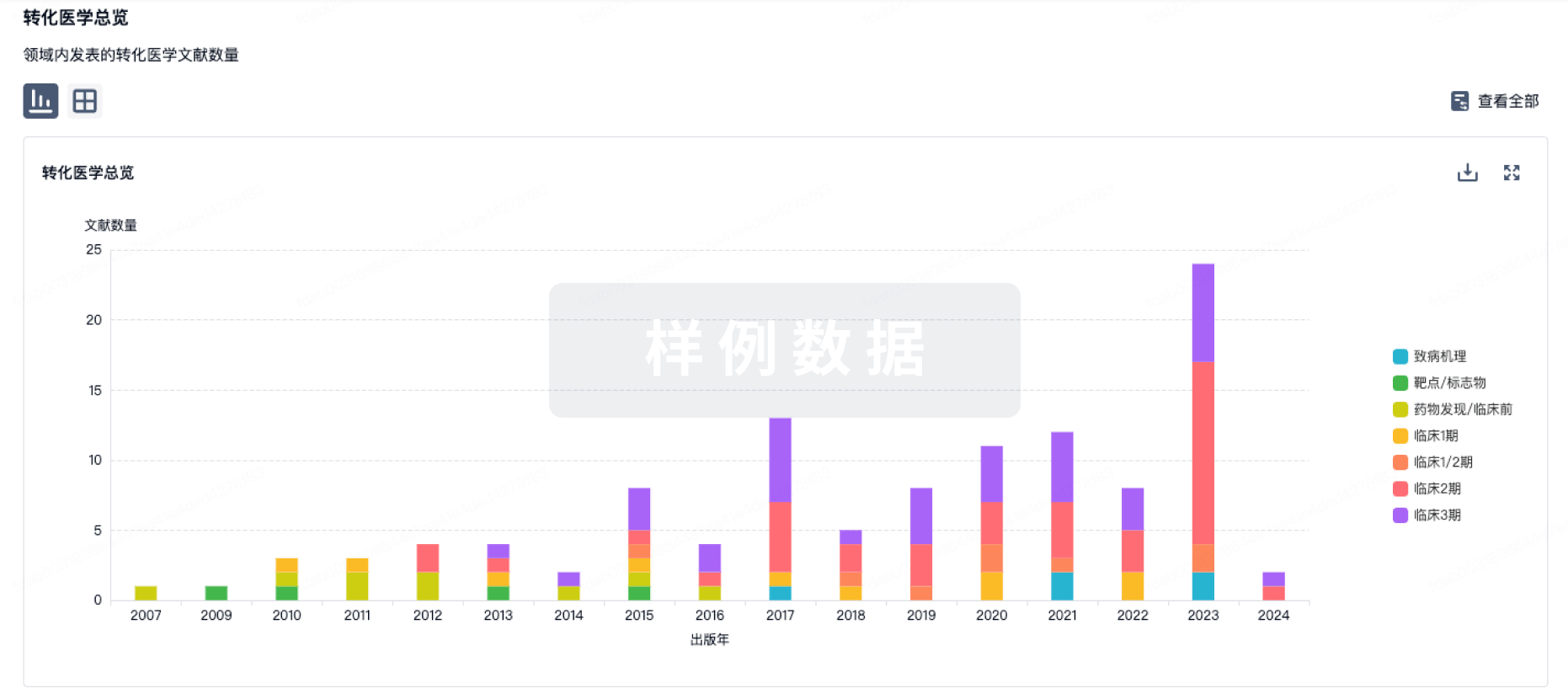
转化医学
使用我们的转化医学数据加速您的研究。
登录
或
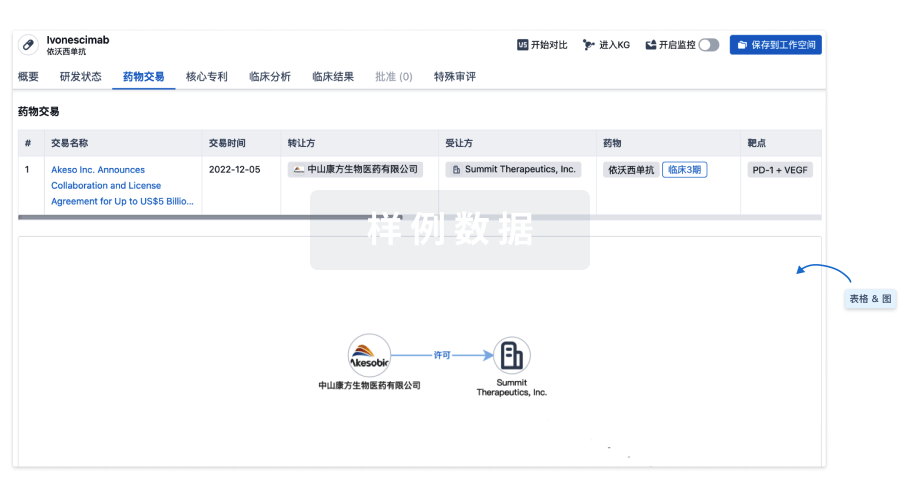
药物交易
使用我们的药物交易数据加速您的研究。
登录
或
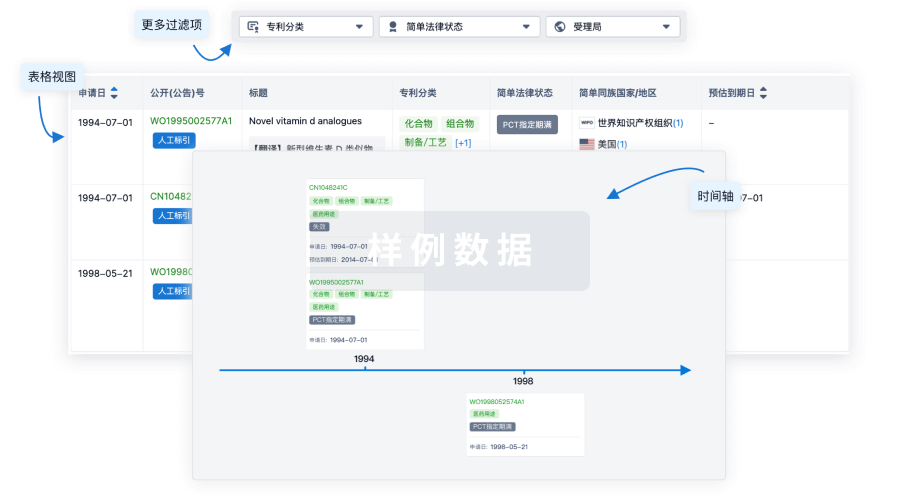
核心专利
使用我们的核心专利数据促进您的研究。
登录
或
临床分析
紧跟全球注册中心的最新临床试验。
登录
或
批准
利用最新的监管批准信息加速您的研究。
登录
或
特殊审评
只需点击几下即可了解关键药物信息。
登录
或
芽仔
全新生物医药AI Agent 覆盖科研全链路,让突破性发现快人一步
立即开始免费试用!
智慧芽新药情报库是智慧芽专为生命科学人士构建的基于AI的创新药情报平台,助您全方位提升您的研发与决策效率。
立即开始数据试用!
智慧芽新药库数据也通过智慧芽数据服务平台,以API或者数据包形式对外开放,助您更加充分利用智慧芽新药情报信息。
生物序列数据库
生物药研发创新
免费使用
化学结构数据库
小分子化药研发创新
免费使用