预约演示
更新于:2026-07-25
IOT-022
更新于:2026-07-25
概要
基本信息
药物类型 小分子化药 |
别名 farnesoid X receptor agonists (Inorbit Therapeutics)、IOT-022 |
靶点 |
作用方式 激动剂 |
作用机制 FXR激动剂(胆汁酸受体FXR激动剂) |
治疗领域 |
在研适应症 |
非在研适应症- |
非在研机构- |
权益机构- |
最高研发阶段临床前 |
首次获批日期- |
最高研发阶段(中国)- |
特殊审评- |

关联
100 项与 IOT-022 相关的临床结果
登录后查看更多信息
100 项与 IOT-022 相关的转化医学
登录后查看更多信息
100 项与 IOT-022 相关的专利(医药)
登录后查看更多信息
56
项与 IOT-022 相关的文献(医药)2026-07-03·EXPERT OPINION ON THERAPEUTIC PATENTS
Takeda G-protein-coupled receptor 5 and farnesoid X receptor agonists for diabetes treatment: a patent review and clinical advancements (2015-present)
Review
作者: Kumar, Shubham ; Sharma, Shivank ; Kumar, Vanktesh ; Wadhwa, Pankaj
INTRODUCTION:
Takeda G-protein-coupled receptor 5 (TGR5) and farnesoid X receptor (FXR) are bile acid-activated receptors involved in glucose, lipid, and energy homeostasis, making them promising therapeutic targets for type 2 diabetes mellitus (T2DM) and metabolic liver diseases.
AREAS COVERED:
This review critically analyzes patents published between 2015 and 2025 retrieved from WIPO Patentscope, Espacenet, USPTO, and Google Patents using keyword- and IPC-based strategies. Major patented chemotypes include modified bile acids, benzoic acid-cholane hybrids, heteroaryl scaffolds, and sulfonylurea/sulfonamide derivatives. Several compounds demonstrated sub micromolar (µM) to nanomolar (nM) TGR5/FXR agonistic activity, while gut-restricted agonists showed enhanced GLP-1 secretion with reduced systemic adverse effects such as gallbladder filling and pruritus. Comparative patent analysis revealed a progressive transition from classical steroidal scaffolds toward tissue-selective and gut-restricted modulators designed to improve receptor selectivity, pharmacokinetics, and translational safety.
EXPERT OPINION:
Despite strong preclinical promise, the clinical translation of TGR5 and FXR agonists remains limited by mechanism-driven toxicities and inadequate long-term tolerability. Future progress will likely depend on tissue-selective, pathway-biased, and gut-restricted modulation rather than further increases in receptor potency.
2026-03-01·ALIMENTARY PHARMACOLOGY & THERAPEUTICS
Clinical trial: A Phase 2 Randomised Platform Study to Assess Monotherapy and Combination Treatment Regimens in Metabolic Dysfunction–Associated Steatohepatitis
Article
作者: Frias, Juan ; Zack, Julia ; Drakeford, Clive ; Yadav, Brijesh ; Zhang, Yiming ; Ukomadu, Chinweike ; Lawitz, Eric ; Zhou, Heng ; Badman, Michael K. ; Schmouder, Robert ; Greenbaum, Linda E. ; Weiss, H. Markus ; Naoumov, Nikolai V. ; Koo, Phillip ; Martic, Miljen
ABSTRACT:
Background:
Drug combinations have potential for additive or synergistic efficacy in patients with metabolic dysfunction–associated steatohepatitis (MASH).
Aim:
To assess the safety, efficacy and pharmacokinetics of single or combination treatments in patients with MASH.
Methods:
In this multicentre, open‐label, platform phase 2 study, patients (
N
= 41) were randomised 1:1 to LYS006 20 mg twice‐daily (bid) monotherapy or LYS006 20 mg bid+tropifexor 200 μg once‐daily (qd) combination therapy for 12 weeks. The primary endpoint was safety; secondary endpoints were efficacy and pharmacokinetics.
Results:
Pruritus adverse events (AEs) were reported in 62% of patients in the combination arm. Other AEs were similar between the treatment arms. A greater reduction in alanine aminotransferase (ALT) and liver fat was observed in the combination versus monotherapy arm (ALT: 43% vs. 13% reduction; liver fat: 37% vs. 20% reduction, respectively). No significant impact on biomarkers for liver fibrosis was observed in either treatment arm, but there was an indication for lower plasma exposure to LYS006 upon co‐administration with tropifexor.
Conclusions:
LYS006 20 mg bid monotherapy and LYS006 20 mg bid+tropifexor 200 μg qd therapy were well tolerated with the exception of a high frequency of pruritus in the combination arm, consistent with the now known pharmacologic effect of farnesoid X receptor agonists. The greater reductions in ALT and liver fat in the combination arm versus monotherapy arm were similar to those observed with tropifexor as monotherapy in a previously reported phase 2 clinical trial, and clear additional benefit was not observed in combination treatment with LYS006. This study design allowed for rapid screening of potentially high efficacy drug combinations in MASH.
Trial Registration:
ClinicalTrials.gov
identifier: NCT04147195
2026-01-01·DRUG METABOLISM AND DISPOSITION
Three-dimensional–cultured renal tubular model reveals FXR-HNF4α-OAT1/3 axis as a target for preventing nucleotide analog–induced kidney injury
Article
作者: Tamai, Ikumi ; Jimbo, Yoichi ; Takahashi, Etsushi ; Araki, Ayano ; Ishiguro, Naoki ; Nishioka, Yukiko ; Yokoseki, Itsuki ; Fukami, Tatsuki ; Nakajima, Miki ; Arawaka, Hiroshi ; Morimura, Kaoru ; Nakano, Masataka
Drug-induced kidney injury, often resulting from the intracellular accumulation of drugs in renal proximal tubule cells via uptake transporters such as organic anion transporters 1 and 3 (OAT1/3), remains a major obstacle in drug development. Conventional 2-dimensional cultures of human renal proximal tubule epithelial cells (RPTECs) hardly express OAT1/3, limiting their utility for toxicity assessment. In contrast, 3-dimensional (3D) cultures of RPTEC have been shown to markedly upregulate OAT1/3 expression, offering a more physiologically relevant in vitro model for evaluating the toxicity of anionic compounds. In this study, we investigated the mechanism underlying OAT1/3 upregulation in 3D-RPTEC and explored a strategy to mitigate transporter-mediated toxicity. We found that hepatocyte nuclear factor (HNF) 4α expression is also increased in 3D-RPTEC. Motif analysis and cleavage under targets and release using nuclease-quantitative polymerase chain reaction revealed that HNF4α directly binds to the promoters of SLC22A6 and SLC22A8, identifying it as a key transcriptional regulator of OAT1/3 expression. Activation of the farnesoid X receptor (FXR), which represses the binding of HNF4α to promoters through the upregulation of small heterodimer partner (SHP), decreased OAT1/3 expression. Treatment with FXR ligands reduced cellular uptake of OAT1/3 substrates (eg, tenofovir and adefovir) and decreased their cytotoxic effects in 3D-RPTEC. These findings elucidate a transcriptional mechanism by which HNF4α regulates OAT1/3 expression in 3D-RPTEC and demonstrate that FXR agonists can downregulate OAT1/3 expression via the HNF4α-SHP axis. The present study highlights the utility of 3D-RPTEC as a valuable platform for mechanistic studies of transporter regulation. SIGNIFICANCE STATEMENT: This study shows that farnesoid X receptor agonists suppress hepatocyte nuclear factor 4α-mediated OAT1/3 activity in 3-dimensional-cultured renal proximal tubular cells and reduce nucleotide analog-induced toxicity. These findings provide mechanistic insight into transporter regulation and suggest a potential strategy to prevent nephrotoxicity.
100 项与 IOT-022 相关的药物交易
登录后查看更多信息
研发状态
10 条进展最快的记录, 后查看更多信息
登录
| 适应症 | 最高研发状态 | 国家/地区 | 公司 | 日期 |
|---|---|---|---|---|
| 代谢功能障碍相关脂肪性肝炎 | 临床前 | 瑞典 | - |
登录后查看更多信息
临床结果
临床结果
适应症
分期
评价
查看全部结果
| 研究 | 分期 | 人群特征 | 评价人数 | 分组 | 结果 | 评价 | 发布日期 |
|---|
No Data | |||||||
登录后查看更多信息
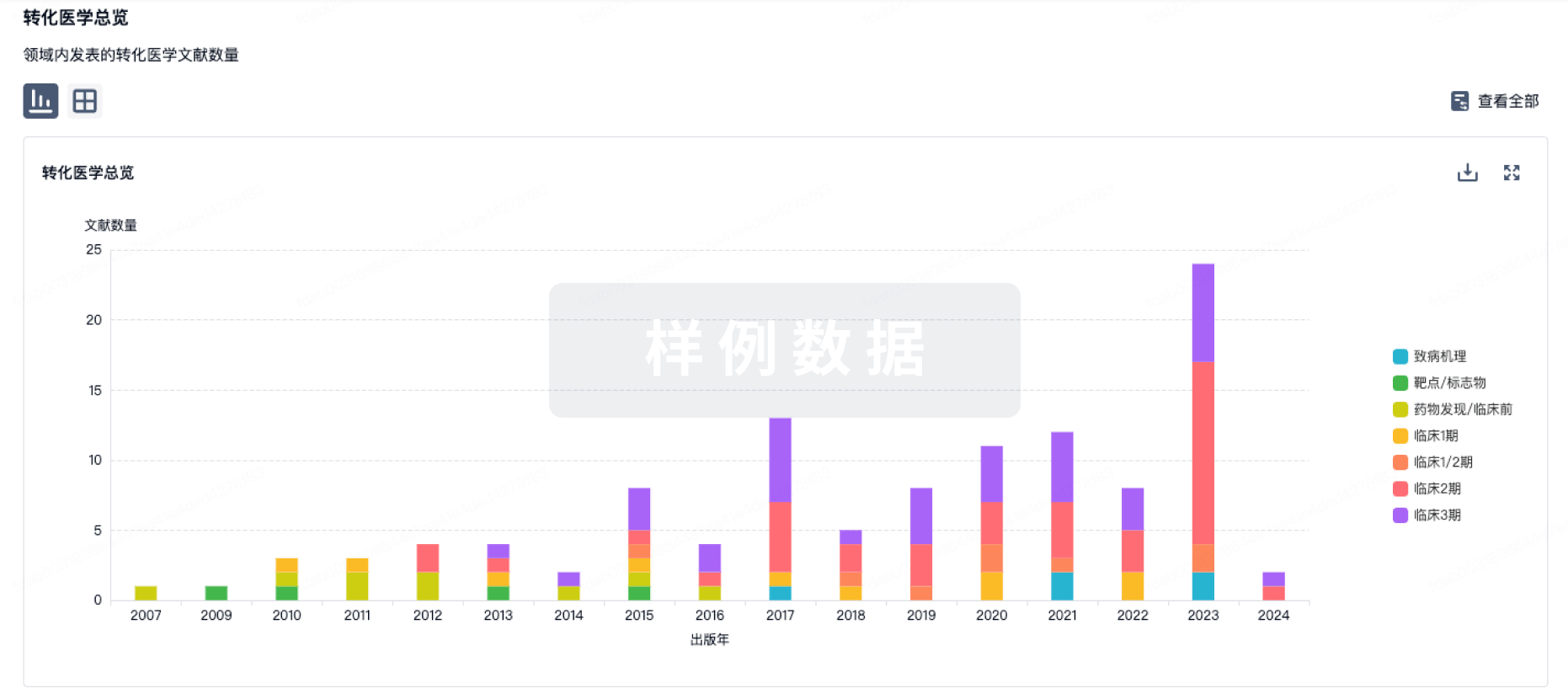
转化医学
使用我们的转化医学数据加速您的研究。
登录
或
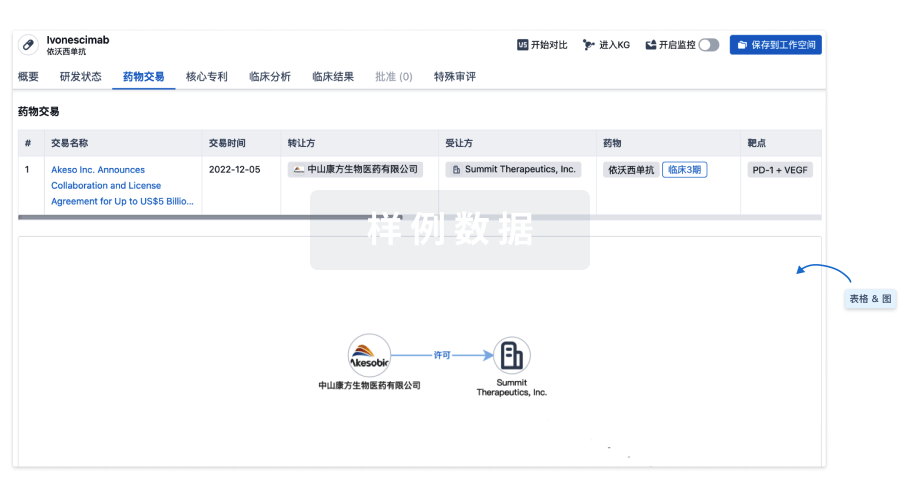
药物交易
使用我们的药物交易数据加速您的研究。
登录
或
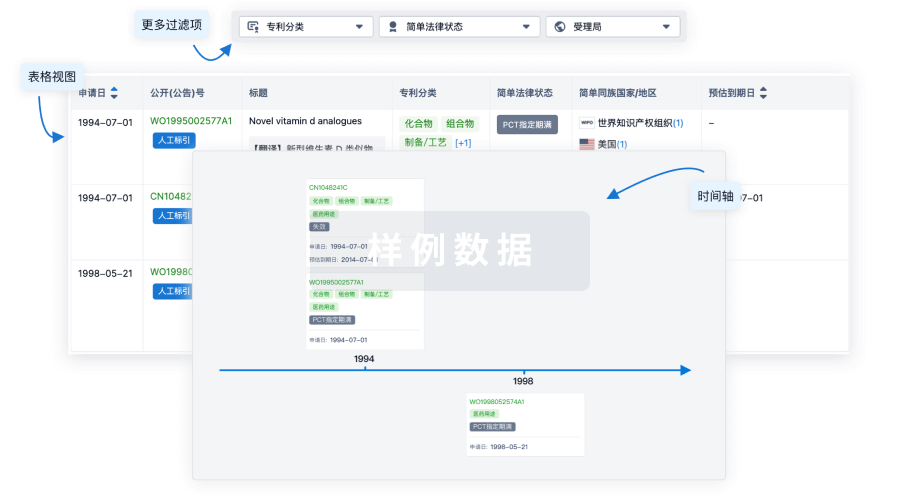
核心专利
使用我们的核心专利数据促进您的研究。
登录
或
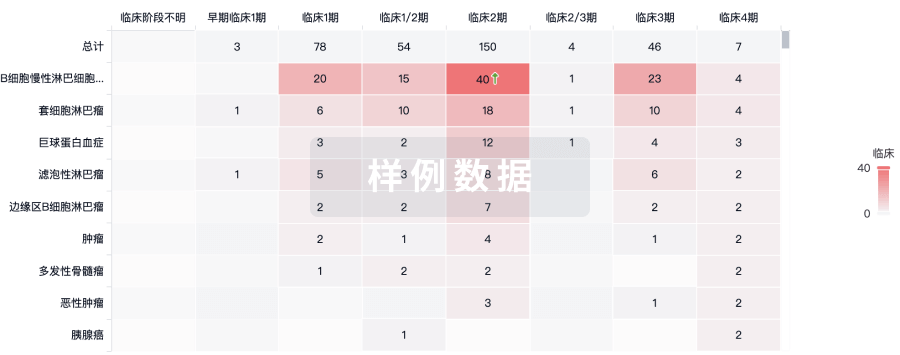
临床分析
紧跟全球注册中心的最新临床试验。
登录
或
批准
利用最新的监管批准信息加速您的研究。
登录
或
特殊审评
只需点击几下即可了解关键药物信息。
登录
或
芽仔
全新生物医药AI Agent 覆盖科研全链路,让突破性发现快人一步
立即开始免费试用!
智慧芽新药情报库是智慧芽专为生命科学人士构建的基于AI的创新药情报平台,助您全方位提升您的研发与决策效率。
立即开始数据试用!
智慧芽新药库数据也通过智慧芽数据服务平台,以API或者数据包形式对外开放,助您更加充分利用智慧芽新药情报信息。
生物序列数据库
生物药研发创新
免费使用
化学结构数据库
小分子化药研发创新
免费使用