预约演示
更新于:2026-08-01
Parthenolide
小白菊内酯
更新于:2026-08-01
概要
基本信息
权益机构- |
最高研发阶段临床前 |
首次获批日期- |
最高研发阶段(中国)- |
特殊审评- |

登录后查看时间轴
结构/序列
分子式C15H20O3 |
InChIKeyKTEXNACQROZXEV-PVLRGYAZSA-N |
CAS号20554-84-1 |
关联
3
项与 小白菊内酯 相关的临床试验ChiCTR2600128472
Investigating the translational potential of parthenolide for ameliorating non-alcoholic fatty liver disease (NAFLD) in obese adults.

ACTRN12625000456459
Radioprotective effects of parthenolide lotion against skin injury caused by radiation in people with head and neck cancer

EUCTR2004-004899-36-DK
Clinical evaluation of the 3 allergens: Methyldibromoglutharonitrile, Parthenolide and Goldsodiumthiosulphate for "TRUE Test Panel 3" - a phase II, dose-response study.
100 项与 小白菊内酯 相关的临床结果
登录后查看更多信息
100 项与 小白菊内酯 相关的转化医学
登录后查看更多信息
100 项与 小白菊内酯 相关的专利(医药)
登录后查看更多信息
1,424
项与 小白菊内酯 相关的文献(医药)2026-12-31CANCER BIOLOGY & THERAPY
Parthenolide inhibits the progression of intrahepatic cholangiocarcinoma by promoting ferroptosis through inhibiting UBD.
Article
作者: Wang, Jia ; Peng, Yuhuai ; Xie, Yuanzhu ; Wang, Yizhi ; Wang, Yueren ; Song, Yinghui ; Zhou, Jia
OBJECTIVE:
This study aimed to investigate the antitumor activity and molecular mechanism of Parthenolide (Par) against intrahepatic cholangiocarcinoma (ICC), a highly malignant liver tumor with poor prognosis, to explore potential new treatment strategies.
METHODS:
Par was identified through screening an FDA compound library. In vitro assays were performed to assess its effects on ICC cell proliferation, colony formation, invasion, migration, cell cycle, and apoptosis. An in vivo nude mouse tumor model was used to evaluate tumor growth inhibition. Transcriptomic analysis, molecular docking, and cellular thermal shift assays were employed to identify key targets and pathways. Changes in ferroptosis-related markers, including iron ion levels, lipid peroxides, SOD activity, and GPX4 expression, were measured. Rescue experiments with the ferroptosis inhibitor ferrostatin-1 were conducted to validate the role of ferroptosis.
RESULTS:
Par significantly inhibited ICC cell proliferation, colony formation, invasion, and migration, induced G2/M phase arrest, and promoted apoptosis in vitro; and suppressed tumor growth in vivo. Transcriptomic analysis showed upregulation of HMOX-1 and downregulation of Ubiquitin D (UBD) after Par treatment. Par was confirmed to bind to the UBD protein. Enrichment analysis indicated ferroptosis as a key pathway, with Par treatment leading to increased iron ions, lipid peroxide accumulation, reduced SOD activity, and downregulated GPX4. Ferrostatin-1 partially reversed Par-induced inhibitory effects.
CONCLUSION:
This study demonstrates for the first time that Par exerts anti-ICC effects related to inhibition of UBD, thereby activating the ferroptosis pathway. These findings provide a novel potential strategy and therapeutic target for ICC treatment.
2026-06-17ACS Chemical Neuroscience
Parthenolide Ameliorates Alzheimer’s Disease Pathology by Suppressing Microglial Inflammation and Inflammation-Driven Amyloidogenesis via the HIF1α/NF-κB Axis
Article
作者: Wu, Shan-shan ; Bu, Yu-meng ; Wang, Pei-yang ; Cui, Jun-he ; Liu, Xin ; Liu, Jie ; Guo, Chuang ; Zhang, Yan-hui
The treatment landscape for Alzheimer's disease (AD) faces challenges such as prolonged drug development, high costs, and limited FDA-approved therapies. Given the pathological similarities between Early-Onset AD (EOAD) and Late-Onset AD (LOAD), repurposing existing drugs offers a promising strategy to expedite therapeutic development. In this study, weighted gene coexpression network analysis (WGCNA) was applied to identify AD-associated gene modules, followed by network pharmacology to screen candidate compounds. Parthenolide was selected based on blood-brain barrier permeability and disease relevance. Its effects were evaluated using LPS-stimulated BV2 microglia, N2a-sw and HT22 neuronal models, and transgenic AD mouse models. Transcriptomic integration, transcription factor enrichment, pharmacological inhibition, and in vivo behavioral and pathological analyses were employed to elucidate underlying mechanisms. Our findings reveal that parthenolide markedly suppressed microglial activation and reduced pro-inflammatory mediators via modulation of the HIF1α/NF-κB signaling axis. Bioinformatics analysis identified HIF1α as a key hub gene, which was experimentally validated using the selective inhibitor YC-1. Parthenolide attenuated inflammation-induced amyloidogenesis by downregulating amyloid β precursor protein (APP) expression and the γ-secretase component Aph-1A γ-Secretase Subunit (APH1α). In vivo, parthenolide administration significantly improved cognitive performance, reduced microglial activation, decreased β-amyloid plaque burden, and suppressed HIF1α/NF-κB-dependent inflammatory signaling in 5 × FAD mouse models. In conclusion, this study demonstrates that parthenolide exerts multitarget therapeutic effects in AD by concurrently suppressing neuroinflammation and amyloidogenic processing. Targeting the HIF1α/NF-κB axis may represent a promising strategy for modulating inflammatory-metabolic-amyloid networks in AD.
2026-06-01BIOORGANIC & MEDICINAL CHEMISTRY LETTERS
Synthesis and anticancer activity of parthenolide-based PROTACs for IKKβ degradation
Article
作者: Zhao, Deng-Gao ; Wu, Yiwu ; Liu, Jieyin ; Su, Zhenxi ; Su, Yijie ; He, Yuhan
Parthenolide is a natural IκB kinase β (IKKβ) inhibitor. Converting it into a PROTAC (proteolysis-targeting chimeras) may lead to improved pharmacological efficacy. Herein, we report the design, synthesis, and biological evaluation of a novel series of parthenolide-based PROTACs. Among them, compound 8 exhibited potent anti-proliferative activity, especially against triple-negative breast cancer MDA-MB-231 cells. Mechanistic studies revealed that 8 acts as an effective IKKβ degrader, inducing degradation via the ubiquitin-proteasome system (DC50 = 7.15 μM, 91.24% degradation at 10 μM). Furthermore, treatment with 8 was associated with significant apoptosis and G1-phase cell cycle arrest in MDA-MB-231 cells. This work provides initial evidence that the parthenolide scaffold can be leveraged for targeted protein degradation, supporting the future development of IKKβ-directed degraders.
100 项与 小白菊内酯 相关的药物交易
登录后查看更多信息
研发状态
10 条进展最快的记录, 后查看更多信息
登录
| 适应症 | 最高研发状态 | 国家/地区 | 公司 | 日期 |
|---|---|---|---|---|
| 淋巴瘤 | 临床1期 | - | - | |
| 幽门螺杆菌感染 | 临床前 | 韩国 | 2015-10-01 |
登录后查看更多信息
临床结果
临床结果
适应症
分期
评价
查看全部结果
登录后查看更多信息
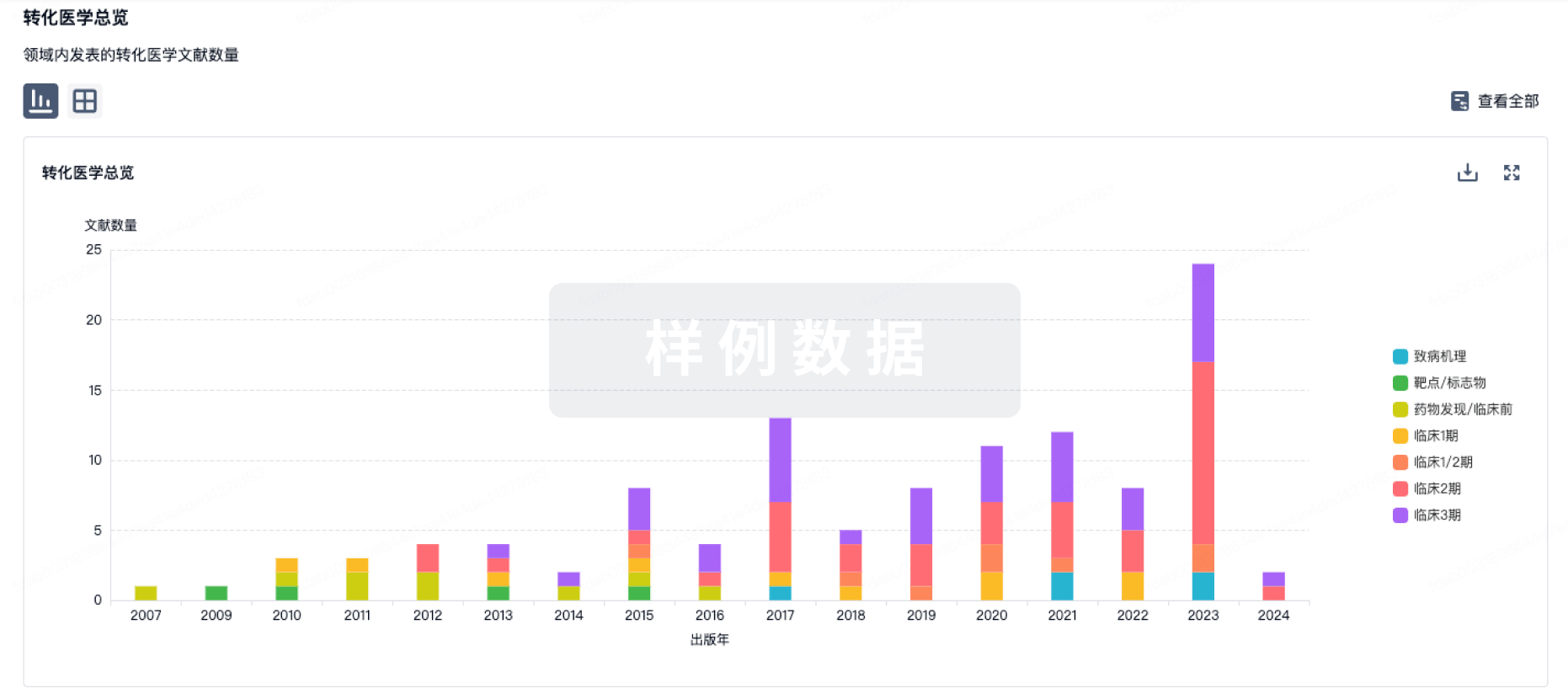
转化医学
使用我们的转化医学数据加速您的研究。
登录
或
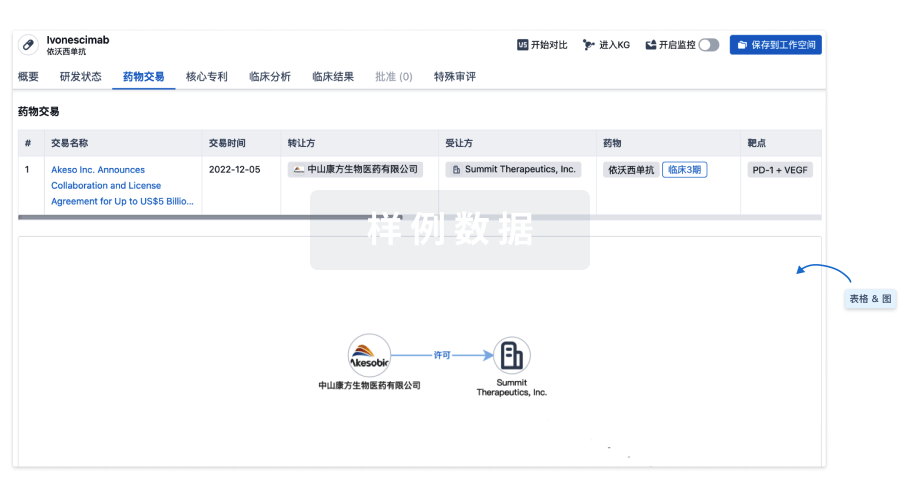
药物交易
使用我们的药物交易数据加速您的研究。
登录
或
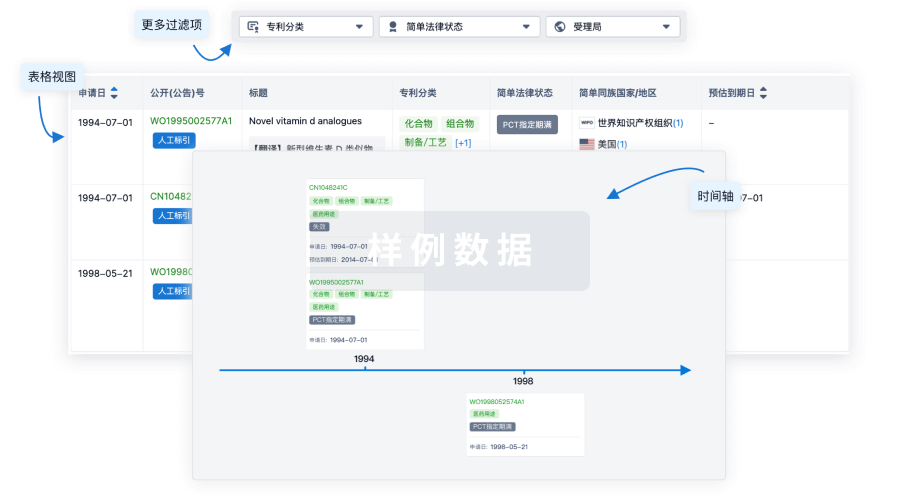
核心专利
使用我们的核心专利数据促进您的研究。
登录
或
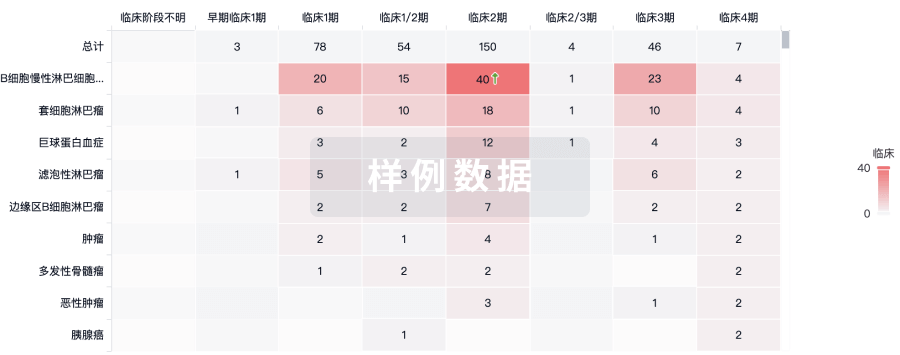
临床分析
紧跟全球注册中心的最新临床试验。
登录
或
批准
利用最新的监管批准信息加速您的研究。
登录
或
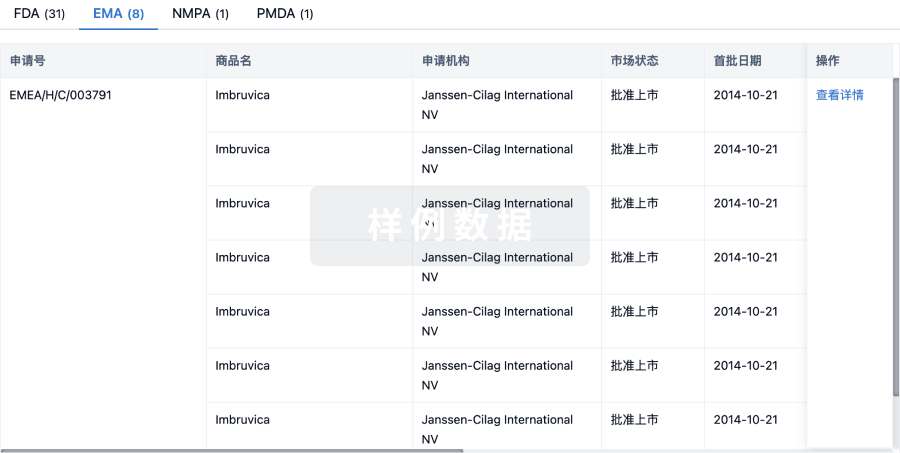
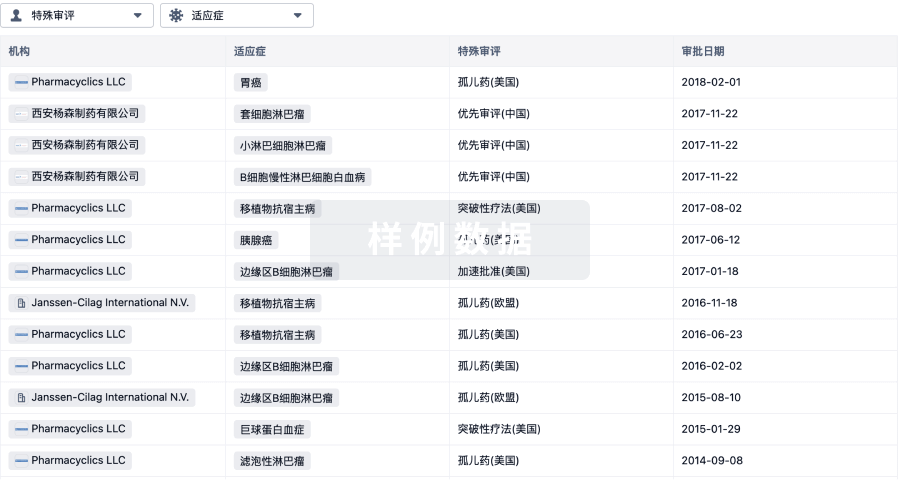
特殊审评
只需点击几下即可了解关键药物信息。
登录
或
芽仔
全新生物医药AI Agent 覆盖科研全链路,让突破性发现快人一步
立即开始免费试用!
智慧芽新药情报库是智慧芽专为生命科学人士构建的基于AI的创新药情报平台,助您全方位提升您的研发与决策效率。
立即开始数据试用!
智慧芽新药库数据也通过智慧芽数据服务平台,以API或者数据包形式对外开放,助您更加充分利用智慧芽新药情报信息。
生物序列数据库
生物药研发创新
免费使用
化学结构数据库
小分子化药研发创新
免费使用