预约演示
更新于:2026-08-01
Rosavin
更新于:2026-08-01
概要
基本信息

关联
100 项与 Rosavin 相关的临床结果
登录后查看更多信息
100 项与 Rosavin 相关的转化医学
登录后查看更多信息
100 项与 Rosavin 相关的专利(医药)
登录后查看更多信息
91
项与 Rosavin 相关的文献(医药)2026-12-01·MOLECULAR BIOLOGY REPORTS
Rosavin modulates CX3CL1 secretion and osteoblast morphology under mineralizing conditions in vitro
Article
作者: Wróbel, Edyta ; Szukiewicz, Dariusz ; Mikulska, Agnieszka ; Wojdasiewicz, Piotr ; Stolarczyk, Elżbieta U ; Stolarczyk, Krzysztof
Abstract:
Background:
Rosavin, a bioactive compound derived from
Rhodiola rosea
, has been proposed to modulate osteoblast-associated signaling pathways. Emerging evidence highlights the role of CX3CL1 (fractalkine) in bone–immune interactions. This study aimed to investigate whether rosavin modulates CX3CL1 secretion and osteoblast morphology and confluence in human osteoblasts (HOB) in vitro, thereby providing descriptive cellular evidence relevant to CX3CL1-associated osteoblast responses under mineralizing conditions.
Methods:
Prior to biological testing, the chemical identity of rosavin was verified by high-resolution electrospray ionization quadrupole time-of-flight mass spectrometry (ESI-QTOF-MS). HOB were cultured in growth medium (DMEM-g), mineralization medium (DMEM-m), or DMEM-m supplemented with rosavin at 50 µM (R50) or 100 µM (R100). Cell morphology and confluence were assessed by phase-contrast microscopy, supported by semi-quantitative image-based estimation of cell-covered area using Fiji/ImageJ. Sirius Red staining was performed only in the DMEM-m mineralization control group and was evaluated qualitatively as a supportive assessment of extracellular matrix maturation.
Results:
Rosavin was associated with dose- and time-dependent changes in CX3CL1 secretion and morphology-related observations in HOB cultures. The 50 µM rosavin condition showed significantly increased CX3CL1 secretion at days 14 and 21 compared with DMEM-m alone and was associated with higher cell confluence and predominance of cuboidal cell morphology. In contrast, the 100 µM condition was associated with lower apparent confluence, mixed cellular morphology, and reduced CX3CL1 secretion at later time points.
Conclusions:
These observations are descriptive, preliminary, and hypothesis-generating. Rosavin was associated with concentration-dependent modulation of CX3CL1 secretion and osteoblast morphological characteristics in vitro; however, the biological significance of CX3CL1 modulation in this monoculture model remains uncertain. Further mechanistic and functional studies are required.
2026-11-01·JOURNAL OF ETHNOPHARMACOLOGY
Rosavin mitigates hepatic fibrosis via KLF14-mediated suppression of P2X7 receptor-dependent inflammatory signaling cascades
Article
作者: Song, Jian ; Wang, Wan-Ling ; Guo, Xin ; Xu, Zi-Yi ; Liu, Xue-Kun ; Wang, Ze-Hao
ETHNOPHARMACOLOGICAL RELEVANCE:
Rhodiola crenulata (Hook. f. & Thomson) H. Ohba is a medicinal plant known for its prominent hepatoprotective and immunomodulatory properties. Rosavin (RSV), a phenylpropanoid glycoside isolated from its roots, exhibits regulatory effects on hepatic inflammation.
AIM OF THE STUDY:
This study elucidates the hepatoprotective activity of RSV and its underlying mechanism in hepatic fibrosis.
MATERIALS AND METHODS:
C57BL/6 mice were pretreated with thioacetamide (TAA) prior to RSV administration. RNA sequencing analyzed related signaling pathways. Hepatocyte inflammatory injury models were established by treating LX-2 with TGF-β, and HepG2 with TNF-α. Murine peritoneal macrophages (MPMs) were stimulated in vitro with LPS/ATP. To evaluate the functional role of Kruppel-like factor 14 (KLF14), siKLF14 was transfected into LX-2, HepG2, and MPMs. Dual-luciferase reporter assays verified the interaction between KLF14 and the P2X7r promoter.
RESULTS:
RNA sequencing identified the NOD-like receptor/neutrophil extracellular traps (NETs) signaling pathway is essential for RSV-mediated hepatoprotection against TAA-induced liver injury in mice. RSV upregulated KLF14 expression while downregulating the P2X7r-NLRP3 pathway and its target genes. Silencing of KLF14 by siRNA markedly upregulated P2X7r expression at both mRNA and protein levels in mouse liver, thereby aggravating hepatic inflammatory responses. Deficiency of KLF14 in LX-2, HepG2, and MPMs impaired the inhibitory effect of RSV on the P2X7r-NLRP3 pathway. KLF14 might bind to the P2X7r promoter. Additionally, RSV reduced pyroptosis in MPMs, attenuating the inflammatory.
CONCLUSIONS:
RSV attenuated the inflammatory response via the KLF14-P2X7r/NLRP3 pathway and inhibited fibrogenesis, suggesting RSV as a potential therapeutic agent for hepatic fibrosis.
2026-09-01·BIOCHEMICAL PHARMACOLOGY
Rosavin ameliorates alcoholic fatty liver disease through PPARG-dependent inhibition of the p38 MAPK and IGF-1 pathways
Article
作者: Wang, Shen ; Cai, Jinhui ; Tan, Yunjuan ; Chen, Huike ; Ye, Xiaoxia ; Wu, Yanxia ; Tang, Ziqing ; Wu, Minhua ; Chen, Shurong ; Huang, Ruirui
Rosavin, a characteristic component of Rhodiola rosea L., exhibits various pharmacological activities, including antioxidant and anti-inflammatory effects. However, its role in alcoholic fatty liver disease (AFLD) remains unclear. The aim of this study was to investigate the protective effects of Rosavin against AFLD and to elucidate its underlying molecular mechanisms. In this study, Rosavin (25 μM and 50 μM for in vitro; 100 and 200 mg/kg/d via oral gavage for 10 days in vivo) was found to significantly mitigate alcohol-induced hepatic lipid accumulation, enhance antioxidant capacity, and alleviate liver injury, demonstrating its protective effects against AFLD both in vitro and in vivo. Through network pharmacology and molecular docking, six potential targets of Rosavin in AFLD were identified: nitric oxide synthase 3 (NOS3), proto-oncogene tyrosine-protein kinase Src (SRC), peroxisome proliferator-activated receptor gamma (PPARG), mitogen-activated protein kinase 14 (MAPK14, also known as p38α), tumor necrosis factor alpha (TNFα), and insulin-like growth factor 1 (IGF-1). RT-qPCR and western blotting confirmed that Rosavin downregulates PPARG, TNFα, and IGF-1 expression and suppresses p38 phosphorylation. Rescue experiments further revealed that the suppressive effect of Rosavin on PPARG expression is reversed by the PPARG-specific agonist Mesalazine, which not only counteracts the protective effects of Rosavin but also reverses Rosavin-induced changes in MAPK14 and IGF-1 expression. In conclusion, Rosavin alleviates AFLD by downregulating PPARG and subsequently modulating the MAPK14 and IGF-1 signaling pathways. This study provides the first evidence that Rosavin protects against AFLD via PPARG, highlighting its potential as a therapeutic agent for AFLD treatment.
100 项与 Rosavin 相关的药物交易
登录后查看更多信息
研发状态
10 条进展最快的记录, 后查看更多信息
登录
| 适应症 | 最高研发状态 | 国家/地区 | 公司 | 日期 |
|---|---|---|---|---|
| 阿尔茨海默症 | 临床前 | 中国 | 2025-10-03 |
登录后查看更多信息
临床结果
临床结果
适应症
分期
评价
查看全部结果
| 研究 | 分期 | 人群特征 | 评价人数 | 分组 | 结果 | 评价 | 发布日期 |
|---|
No Data | |||||||
登录后查看更多信息
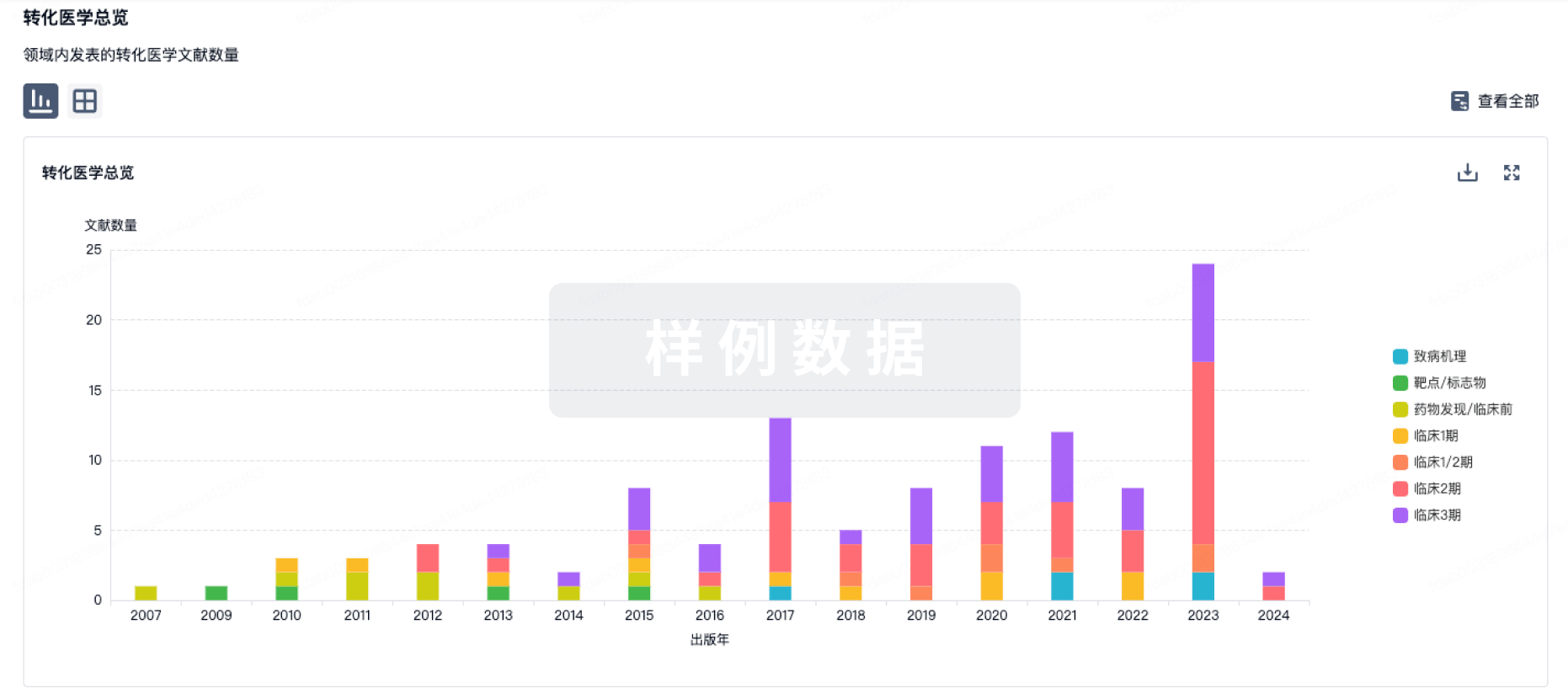
转化医学
使用我们的转化医学数据加速您的研究。
登录
或
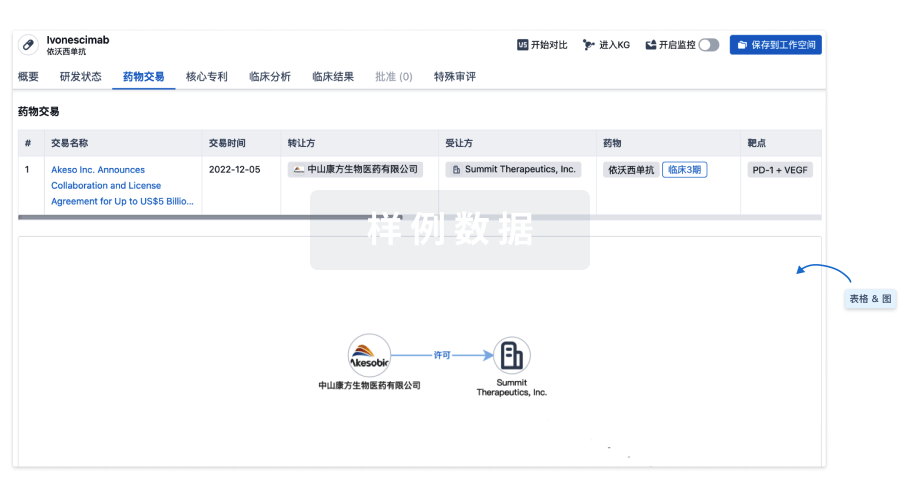
药物交易
使用我们的药物交易数据加速您的研究。
登录
或
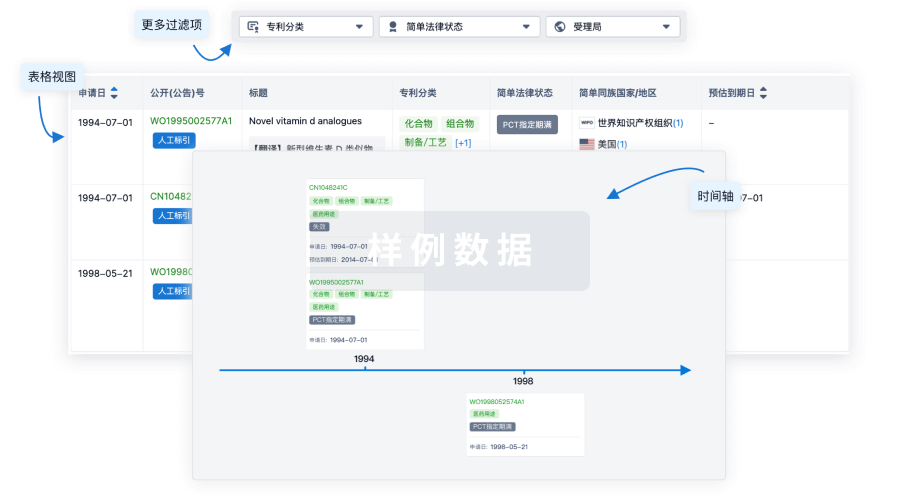
核心专利
使用我们的核心专利数据促进您的研究。
登录
或
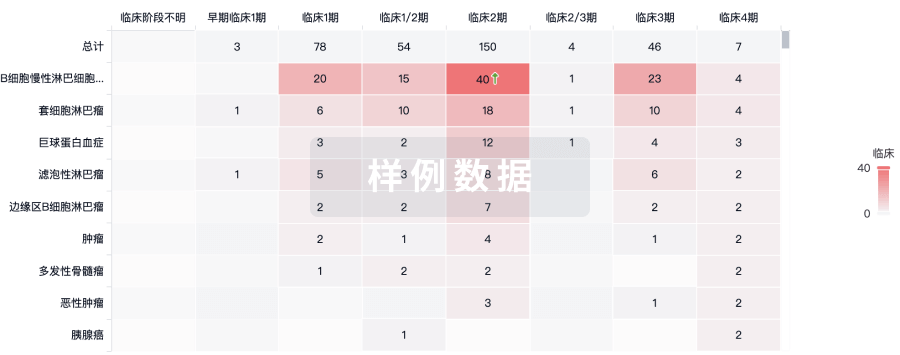
临床分析
紧跟全球注册中心的最新临床试验。
登录
或
批准
利用最新的监管批准信息加速您的研究。
登录
或
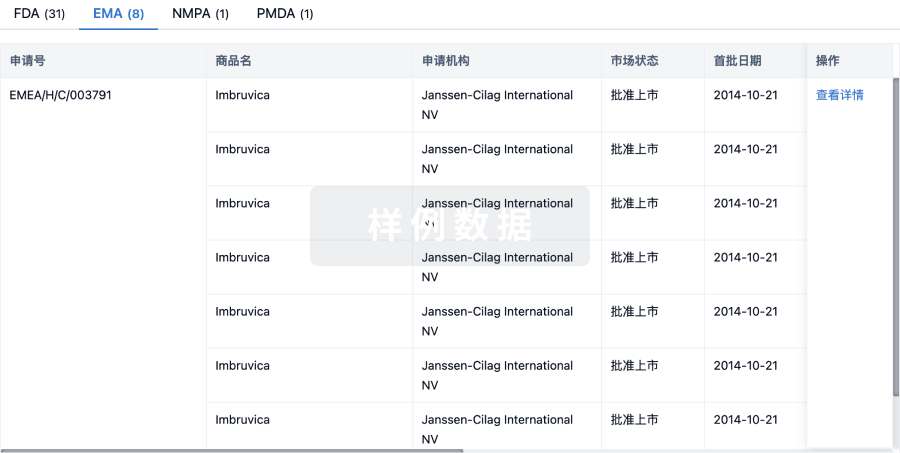
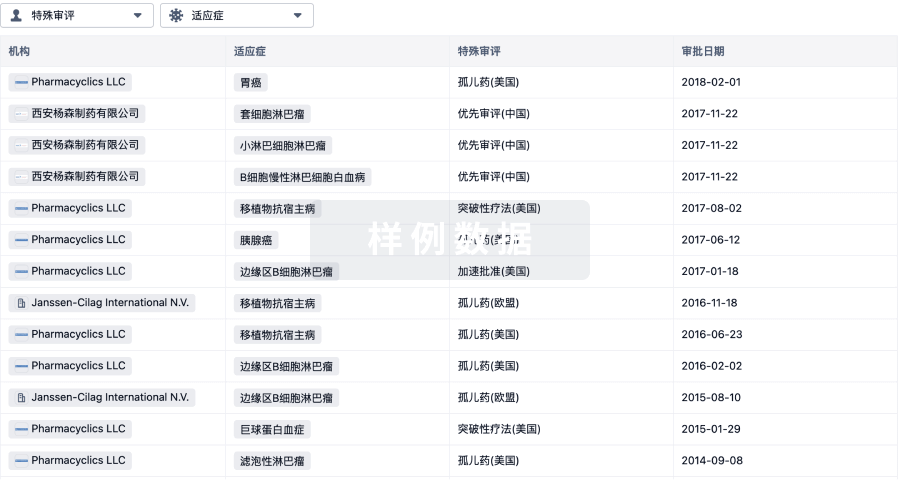
特殊审评
只需点击几下即可了解关键药物信息。
登录
或
芽仔
全新生物医药AI Agent 覆盖科研全链路,让突破性发现快人一步
立即开始免费试用!
智慧芽新药情报库是智慧芽专为生命科学人士构建的基于AI的创新药情报平台,助您全方位提升您的研发与决策效率。
立即开始数据试用!
智慧芽新药库数据也通过智慧芽数据服务平台,以API或者数据包形式对外开放,助您更加充分利用智慧芽新药情报信息。
生物序列数据库
生物药研发创新
免费使用
化学结构数据库
小分子化药研发创新
免费使用