预约演示
更新于:2026-08-01
TEV-53408
更新于:2026-08-01
概要
基本信息
非在研机构- |
最高研发阶段临床2期 |
首次获批日期- |
最高研发阶段(中国)- |
特殊审评快速通道 (美国) |

登录后查看时间轴
关联
3
项与 TEV-53408 相关的临床试验NCT06807463
A Multicenter, Randomized, Double-blind, Placebo-controlled, Phase 2a Trial to Characterize the Efficacy and Safety of TEV-53408 in Adults With Celiac Disease While Undergoing Oral Gluten Exposure
The primary efficacy objective of the trial is to assess the ability of TEV-53408 to attenuate gluten-induced enteropathy in adults with celiac disease.
The primary safety objective of the trial is to assess the safety of TEV-53408 in adults with celiac disease.
A secondary objective is to further assess the efficacy of TEV-53408 in adults with celiac disease.
The expected trial duration per participant is approximately 86 weeks.
The primary safety objective of the trial is to assess the safety of TEV-53408 in adults with celiac disease.
A secondary objective is to further assess the efficacy of TEV-53408 in adults with celiac disease.
The expected trial duration per participant is approximately 86 weeks.
开始日期2025-03-31 |
NCT06625177
A Phase 1b, Open-Label Trial to Assess Safety and Exploratory Efficacy of TEV-53408 in Participants With Vitiligo
The primary objective of the trial is to evaluate the safety of TEV-53408 administered subcutaneously for the treatment of adults with vitiligo.
A secondary objective is to further evaluate the safety of TEV-53408.
The planned study period per participant is 84 weeks including a screening period (up to 4 weeks), a 24-week open-label treatment period, a 16-week washout period, and a 40-week follow-up period.
A secondary objective is to further evaluate the safety of TEV-53408.
The planned study period per participant is 84 weeks including a screening period (up to 4 weeks), a 24-week open-label treatment period, a 16-week washout period, and a 40-week follow-up period.
开始日期2024-11-11 |
CTIS2022-502817-27-00
A Phase 1b Study to Characterize the Safety and Tolerability of TEV-53408 in Adults with Celiac Disease
开始日期2024-03-15 |
100 项与 TEV-53408 相关的临床结果
登录后查看更多信息
100 项与 TEV-53408 相关的转化医学
登录后查看更多信息
100 项与 TEV-53408 相关的专利(医药)
登录后查看更多信息
48
项与 TEV-53408 相关的新闻(医药)2026-07-31
·肤医约
注:本文不含任何广告,基于2026年最新科研论文
7月10日,学术文献与药企公告相继发布,这些消息或将对白癜风的固有认知产生深刻影响。每一条单独解读均值得深入探讨,但若综合审视,则传递出一个明确信号:白癜风发病的底层机制,正在经历重新定义。
发现一黑素细胞没有消失,只是“沉睡”了
第一项发现来自大阪公立大学于4月17日刊登在《Nature Communications》上的研究。该研究简要概括为:层粘连蛋白信号紊乱可诱发黑素细胞发生去分化。通俗而言,白癜风白斑区域内的黑素细胞并非被免疫细胞彻底清除,而是被迫退回不成熟状态,潜伏于皮肤深层。研究证实,健康皮肤中黑素细胞依托层粘连蛋白211稳固附着于基底层,而白斑区域内该蛋白减少、层粘连蛋白332表达上升,导致黑素细胞附着方式改变,进而细胞形态退化、色素合成功能暂停,甚至恢复出类似干细胞的分化潜力。关键在于,这一变化具有可逆性。小鼠实验与人体离体皮肤试验均表明,通过药物修复皮肤微环境,黑素细胞能够再次分化并重启色素合成。此外,研究还揭示,JAK抑制剂不仅能阻断免疫损伤,还能直接推动黑素细胞重新分化,实现双重作用。
发现二跳出JAK通路的全身性新药,来了
Teva药企于7月7日公布,涉及抗IL-15单抗TEV-’408的1b期临床数据,并宣布将于2026年第四季度启动2b期研究。这是一款全新机制、用于白癜风全身治疗的在研药物,不依赖JAK/STAT通路,靶点锁定IL-15,后者是调控免疫记忆的关键细胞因子。抑制IL-15信号相当于抹除免疫系统留存的“疾病记忆”,这是现有JAK抑制剂难以实现的作用。
给药方案也颇具便利性:TEV-’408支持每12周皮下注射一次。24周临床数据显示:》近75% 受试者报告面部白斑改善
• 42% 患者实现面部白斑改善50%以上(F-VASI50)
• 21% 患者面部白斑改善75%以上(F-VASI75)
•55% 患者报告全身白斑改善
本次入组人群中,66% 患者白斑面积超过体表面积10%。整体耐受性理想,暂未观察到明显安全风险。
发现三5227名中国患者,画出了最真实的白癜风画像 2025 年 11 月,《Journal of Investigative Dermatology》在线刊发国内规模最大的白癜风横断面研究。由苏州大学附属第四医院联合华山医院团队完成,纳入 5227 名患者样本,研究数据值得所有人重视。
处于进展期
94.2%
皮损累及面部/颈部/手部
62%
30岁之前发病
20.56x
病程>10年严重度暴增倍数
核心警示数据:病程 10 年以上患者,病情严重程度为短病程患者的 20.56 倍。十年迁延,白斑持续扩散,从外观困扰演变为身心双重负担。21.2% 患者合并其他疾病,以甲状腺疾病为主;79% 先后采用两种以上治疗方式。足以看出,长期病程下,白癜风的持续管理难度极大。
←长按预约
上海华山专家三条线索,指向同一个方向
把这三件事串起来看——
1、《Nature》研究证实:白斑区域的黑素细胞并没有消失,存在被唤醒复色的可能。但想要防止它再次受损,就需要清除皮肤里的免疫记忆,而 Teva 这款 IL-15 靶向药物,刚好瞄准了这个关键点。
2、现有的 JAK 抑制剂,可以控制急性期的免疫炎症;在研的 IL-15 抗体,则有望清除长久留存的免疫记忆。一控急性期、一防复发,形成两套方案协同互补。
3、国内 5227 例大样本研究给出警示:病程拖延超过十年,病情严重程度暴涨 20 倍。白癜风,真的不能一直观望拖延。
这三项关键进展虽在相近时间节点集中呈现,但各项成果的发布时间横跨2025年末至2026年年中。不难看出,白癜风领域的研究节奏正在提速——行业周期已从过去“五年迎来一次变革”,加速为“每半年就迎来重要新节点”。
黑素细胞并非彻底消亡——存在复色希望
新药研发跳出JAK通路——开辟全新方向
病程拖延越久难度倍增——切勿消极等待
数据来源
Yang F, et al. Aberrant laminin signaling drives melanocyte dedifferentiation in vitiligo. Nat Commun, 2026. DOI:10.1038/s41467-026-72064-w.
Teva Pharmaceutical. TEV-'408 Phase 1b Results and Phase 2b Advancement. Press Release, 2026-07-07.
Zhang R, et al. Beyond depigmentation: A cross-sectional study of 5227 Chinese vitiligo patients. J Invest Dermatol, 2025. DOI:10.1016/j.jid.2025.10.603.
白癜风反反复复一直不见好?
长按识别 ·领取白癜风新技术援助
注:本文不含任何广告,基于2026年最新科研论文
2026-07-31
很多人对白癜风的认知,可能还停留在“皮肤变白、不太好治”这个层面。但最近一系列重磅消息的密集发布,正在彻底刷新医学界对这种疾病的认知。就在刚过去的7月,短短几天内,学术期刊和药企公告接连甩出了三条“硬核”信息,每一条单独拎出来都值得好好聊聊,但合在一起看,信号更强烈:白癜风发病的底层逻辑,正在被重新书写。
发现一:黑素细胞可能没死,只是“躲”起来了
传统观点认为,白癜风是因为免疫系统把皮肤里的黑素细胞“杀光了”,所以才留下白斑。但今年4月17日发表在顶级学术期刊《自然·通讯》上的一项研究,给出了一个颠覆性的答案。
由大阪公立大学领衔的团队发现,在白癜风患者的白斑区域,黑素细胞可能并没有彻底消亡,而是被迫“退隐”了。打个比方,黑素细胞在健康皮肤里,是牢牢附着在一种叫“层粘连蛋白211”的“地基”上的。但在白癜风患者的皮肤里,这个“地基”出了问题——“211”变少了,另一种叫“332”的蛋白却多了起来。这种环境变化,让黑素细胞“站不稳脚跟”,只能退化回一种不成熟的状态,像“休眠”了一样藏在皮肤深处,暂停了生产黑色素的工作。
这项研究的核心价值在于,证明了这种退化是可逆的。无论是小鼠实验还是离体的人体皮肤试验都证实,只要用药物修复好皮肤微环境,这些“休眠”的黑素细胞就能被重新唤醒,再次分化成熟,重启色素合成功能。研究中还附带了一个很有分量的结论:JAK抑制剂这类药物,不仅能阻断免疫系统对黑素细胞的攻击,还能直接推动这些“休眠”细胞重新分化,实现“一箭双雕”的效果。
发现二:跳出JAK通路的全身性新药,来了
如果说上面的发现是在“地基”层面做文章,那么另一条来自以色列梯瓦制药的消息,则是在“免疫记忆”这个新维度上打开了突破口。
7月7日,梯瓦公布了其在研药物TEV-’408的1b期临床数据,并宣布将在2026年第四季度启动2b期研究。这是一款靶向IL-15的单抗类药物,它的独特之处在于,完全不依赖现有的JAK/STAT通路,而是瞄准了一个调控免疫记忆的关键靶点。
很多人可能不解,跳出JAK通路的意义在哪?简单来说,JAK抑制剂虽然能压住急性期的免疫“火情”,但皮肤里还潜伏着一类“组织驻留记忆T细胞”,它们就像留有“疾病记忆”的哨兵,即便炎症暂时平息了,它们还在原地潜伏,这也是白癜风容易复发、难以断根的根源之一。而IL-15正是维持这些“哨兵”长期存活的关键信号。抑制IL-15,就相当于擦除了免疫系统的这部分“记忆”,这恰恰是现有JAK抑制剂难以做到的事情。
从给药便利性上看,这款药支持每12周皮下注射一次,相当方便。初步数据显示,治疗24周时,接近75%的受试者面部白斑有所改善,其中42%的人面部白斑改善了50%以上,21%的人改善了75%以上。入组患者中,有66%的人白斑面积超过了体表面积的10%,整体耐受性良好,目前没有观察到明显安全风险。
发现三:5227名中国患者的真实“画像”
学术突破和新药进展让人振奋,但回到现实,一项针对中国患者的大规模调研,又给我们拉响了警报。
这项研究由苏州大学附属第四医院联合华山医院等团队完成,样本量高达5227人,是迄今为止国内规模最大的白癜风横断面研究。数据揭开了不少令人揪心的现实:
73.2% 的患者处于疾病进展期;94.2% 的皮损累及面部、颈部或手部这些暴露部位;62% 的人在30岁之前就发病了;79% 的人曾先后尝试过至少两种治疗方案,说明大家一直在积极求医,但效果并不理想。
最触目惊心的一个数据是:病程超过10年的患者,其病情严重程度是短病程患者的20.56倍。也就是说,拖延真的是在给治疗增加指数级的难度。此外,21.2%的患者合并有其他疾病,以甲状腺问题最为常见,提示白癜风并非单纯的皮肤病,而是与免疫系统相关的全身性问题。
把三条信息串起来看,意义深远
第一,基础研究告诉我们,白斑里的黑素细胞并没有死绝,它们有机会被“唤醒”复色。但要想让复色成果长久维持,就得清除皮肤里的“坏记忆”,而IL-15靶向药瞄准的正是这一点。
第二,现有JAK抑制剂管“急性期”,在研的IL-15抗体管“防复发”。这两套方案未来若能协同配合,或许能覆盖从治疗到长期管理的全过程。
第三,国内大样本研究给出了沉甸甸的警示:病程拖过十年,严重度暴涨20倍。白癜风这个病,真的不能一直观望。
三条重要进展虽然不是同一天发布的,但时间跨度从2025年末横跨到2026年中,节奏明显在加快。不难感受到,白癜风相关研究正在从“五年一变”进入“每半年就有新消息”的快车道。对于患者而言,这无疑意味着更多、更好的治疗选择,正在路上。
参考文献
1.Inoue S, et al. Aberrant laminin signaling drives melanocyte dedifferentiation and unveils a tractable therapeutic target in vitiligo. Nature Communications. 2026;17:5331.
2.苏州大学附属第四医院,等. Beyond depigmentation: A cross-sectional study of 5227 Chinese patients with vitiligo. Journal of Investigative Dermatology. 2025.
3.Lynk Pharmaceuticals. First Patient Dosed in Phase 2 Trial of Topical Pan-JAK Inhibitor LNK01004 for Vitiligo. Dermatology Times. 2026-07-09.
4.凌科药业. LNK01004软膏获批开展治疗白癜风及慢性手部湿疹的Ⅱ期临床试验. 摩熵医药. 2026-06-14.
5.TEV-53408 药物研发信息. 智慧芽.
6.5227例中国白癜风横断面研究报道. 澎湃新闻. 2025-12-25.
2026-07-29
Shares in Teva Pharmaceuticals jumped close to 10% on Wednesday after the Israeli drugmaker shared that growth for its innovative products segment managed to nearly offset slowing generic sales for the second quarter.The company reported that global revenues from its generic medicines, based on local currency, fell 15% year-over-year for the three month period. The drop-off was linked to lower sales in the US for its generic version of Bristol Myers Squibb's cancer drug Revlimid (lenalidomide).Despite the disappointing results for its generic business, Teva's total second-quarter revenues only slipped 3% in local currency — or 1% in US dollars — compared with 2025 to hit $4.14 billion, beating consensus estimates of $4.05 billion. Helping to stabilise the company's revenues were a trio of innovative medicines that collectively saw their sales grow 43% year-over-year to $1 billion in local currency: Austedo ($696 million, +40%), approved to treat tardive dyskinesia and chorea related to Huntington's disease; migraine medicine Ajovy ($244 million, +56%); and Uzedy ($77 million, +43%), a treatment for schizophrenia and bipolar disorder. The sales uptick prompted Teva to raise its full-year guidance for each product. It now expects combined 2026 revenues of $3.7 billion, representing a 17% year-over-year growth. Specifically, the drugmaker is projecting $2.45-$2.6 billion in full-year sales for Austedo, up from earlier expectations of $2.4-$2.55 billion; $850-$870 million in sales for Ajovy, increased from $750-$790 million; and a sales range of $270-$290 million for Uzedy, up from $250-$280 million.CEO Richard Francis said the financial results demonstrate that the three products are "continuing to transform Teva’s portfolio mix and financial profile."The positive growth figures come as Teva has turned to its innovative medicines segment to fuel its "Pivot to Growth" strategy. Last quarter, the company bought Emalex Biosciences and its late-stage Tourette syndrome candidate ecopipam for $700 million upfront; Teva has since submitted a marketing application with the FDA.Internally, Teva is also advancing duvakitug, an anti-TL1A mAb with positive data in ulcerative colitis and Crohn's disease, as well as TEV-'408, an IL-15–targeting mAb for vitiligo (see – KOL Views Q&A: Teva, Sanofi's anti-TL1A will compete in IBD but Spyre eyeing bigger prize and KOL Views Q&A: Anti-IL-15 therapies from Forte, Teva have game-changing potential in vitiligo).For its total 2026 revenue projection, Teva raised its outlook to $16.5-$16.85 billion, slightly above prior expectations of $16.4-$16.8 billion.
上市批准财报生物类似药并购
100 项与 TEV-53408 相关的药物交易
登录后查看更多信息
研发状态
10 条进展最快的记录, 后查看更多信息
登录
| 适应症 | 最高研发状态 | 国家/地区 | 公司 | 日期 |
|---|---|---|---|---|
| 乳糜泻 | 临床2期 | 美国 | 2025-03-31 | |
| 乳糜泻 | 临床2期 | 澳大利亚 | 2025-03-31 | |
| 乳糜泻 | 临床2期 | 芬兰 | 2025-03-31 | |
| 白癜风 | 临床1期 | 美国 | 2024-11-11 | |
| 胃肠道疾病 | 临床1期 | - | 2023-06-30 |
登录后查看更多信息
临床结果
临床结果
适应症
分期
评价
查看全部结果
| 研究 | 分期 | 人群特征 | 评价人数 | 分组 | 结果 | 评价 | 发布日期 |
|---|
No Data | |||||||
登录后查看更多信息
转化医学
使用我们的转化医学数据加速您的研究。
登录
或
药物交易
使用我们的药物交易数据加速您的研究。
登录
或
核心专利
使用我们的核心专利数据促进您的研究。
登录
或
临床分析
紧跟全球注册中心的最新临床试验。
登录
或
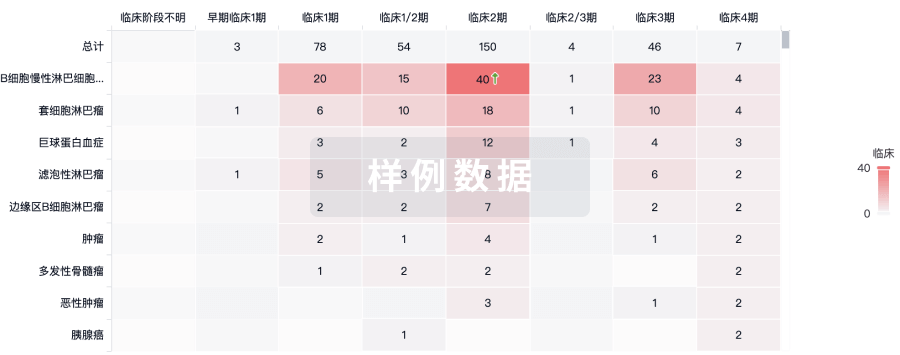
批准
利用最新的监管批准信息加速您的研究。
登录
或
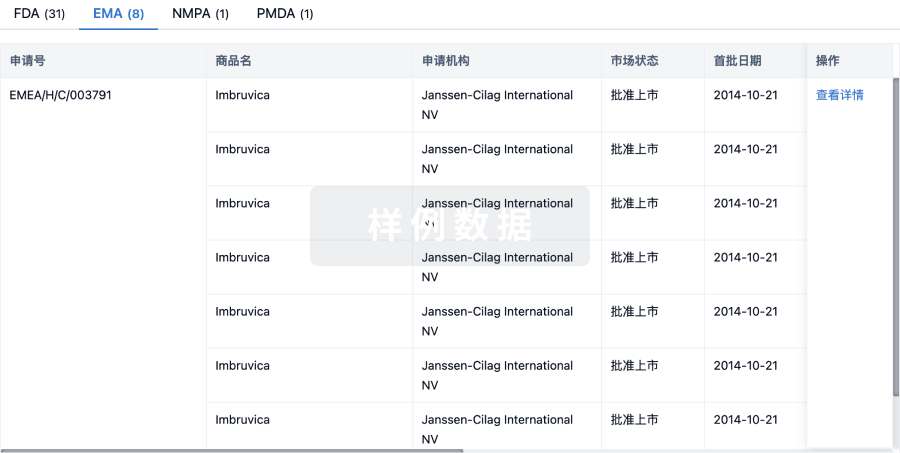
生物类似药
生物类似药在不同国家/地区的竞争态势。请注意临床1/2期并入临床2期,临床2/3期并入临床3期
登录
或
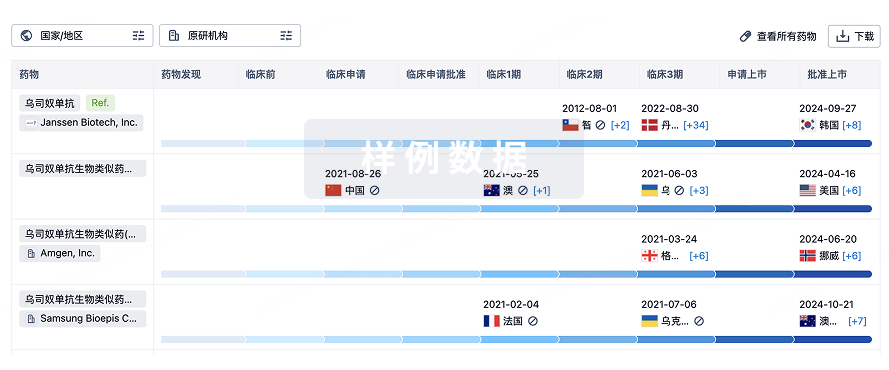
特殊审评
只需点击几下即可了解关键药物信息。
登录
或
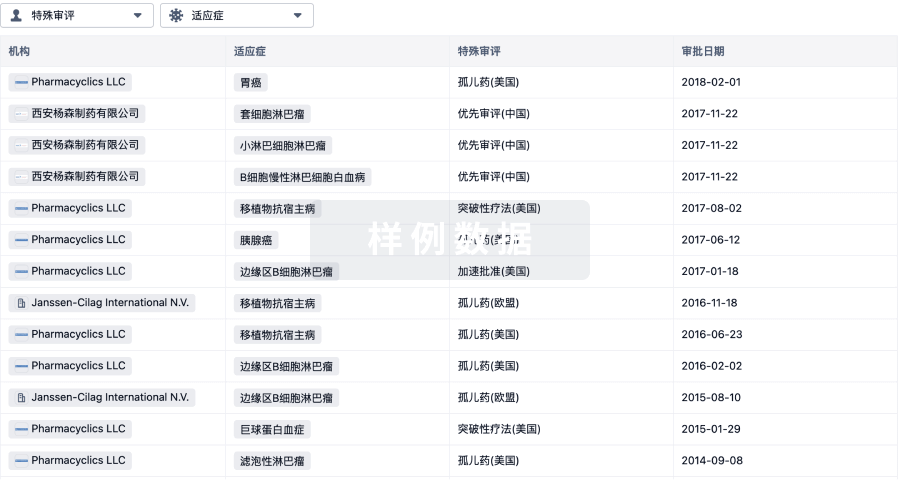
芽仔
全新生物医药AI Agent 覆盖科研全链路,让突破性发现快人一步
立即开始免费试用!
智慧芽新药情报库是智慧芽专为生命科学人士构建的基于AI的创新药情报平台,助您全方位提升您的研发与决策效率。
立即开始数据试用!
智慧芽新药库数据也通过智慧芽数据服务平台,以API或者数据包形式对外开放,助您更加充分利用智慧芽新药情报信息。
生物序列数据库
生物药研发创新
免费使用
化学结构数据库
小分子化药研发创新
免费使用