预约演示
更新于:2026-07-25
CB06
更新于:2026-07-25
概要
基本信息
原研机构 |
在研机构 |
非在研机构 |
最高研发阶段临床1期 |
首次获批日期- |
最高研发阶段(中国)临床1期 |
特殊审评- |


登录后查看时间轴
关联
3
项与 CB06 相关的临床试验NCT05828745
A Randomized, Double-blind, Placebo-controlled Study to Evaluate the Safety, Tolerability, Pharmacokinetics, and Pharmacodynamics of Multiple Ascending Doses of CB06-036 in Subjects With Chronic Hepatitis B
JPRN-jRCT1071230117
Functional analysis in the KIF7 gene expression
NCT06101316
A Bridging Study to Evaluate the Safety, Tolerability, and Pharmacokinetics of CB06-036 in Healthy Subjects in China
100 项与 CB06 相关的临床结果
登录后查看更多信息
100 项与 CB06 相关的转化医学
登录后查看更多信息
100 项与 CB06 相关的专利(医药)
登录后查看更多信息
96
项与 CB06 相关的文献(医药)2026-08-01BIOCHEMICAL AND BIOPHYSICAL RESEARCH COMMUNICATIONS
Article
作者: He, Yufang ; Zhang, Kaiyue ; Gao, Yuan ; Ding, Yunlu ; Nan, Minlun ; Zhao, Yuwei
BACKGROUND:
Myocardial ischemia-reperfusion injury (MI/RI) is a major complication that occurs after reperfusion therapy for acute myocardial infarction. Mitochondrial dysfunction and excessive inflammatory response are the major reasons underlying MI/RI. Echinocystic acid (Ech) is a natural triterpenoid compound with multiple pharmacological activities, such as anti-inflammation and antioxidation. However, whether it can protect against MI/RI and the specific molecular mechanism underlying its action remain unclear.
METHODS:
We established MI/RI rat models and administered Ech to determine the effects of Ech on cardiac function and tissue damage via echocardiography, detection of serum biomarkers, and cardiac tissue staining. We also assessed the morphological characteristics of mitochondria by transmission electron microscopy and evaluated the expression of proteins related to mitochondrial dynamics (DRP1, p-DRP1, MFN2, and OPA1) by conducting Western blotting assays to determine the role of Ech in regulating myocardial cell energy metabolism. By conducting Bulk RNA-Seq, we screened key pathways and predicted the binding of Ech to its targets by molecular docking. In vitro, an H9C2 cell oxygen-glucose deprivation/reoxygenation (OGD/R) model was constructed and treated with Ech and the Toll-like receptor 8 (TLR8) agonist resiquimod. EdU, JC-1, Western blotting, and metabolite detection assays were performed to elucidate the mechanism underlying the TLR8/NF-κB/HIF-1α pathway in the anti-MI/RI effect of Ech.
RESULTS:
We found that Ech significantly improved the cardiac function of MI/RI rats, reduced the area of myocardial infarction, alleviated myocardial tissue pathological damage and destruction of mitochondrial structure, and decreased the levels of cTn-I and CK-MB in serum. In both in vivo and in vitro experiments, Ech reversed the imbalance in mitochondrial dynamics induced by MI/RI or OGD/R, which manifested as a decrease in the expression of p-DRP1, an increase in the expression of MFN2 and OPA1, and improvement in energy metabolism via an increase in ATP production and reduction of L-lactic acid accumulation. RNA-seq analysis showed that Ech inhibited the abnormally activated Toll-like receptor, NF-κB, and other inflammatory and metabolic pathways in myocardial tissue. Further investigation revealed that Ech directly interacted with TLR8 and attenuated the excessive activation of the TLR8/NF-κB/HIF-1α signaling pathway; resiquimod (TLR8 agonist) partially reversed the protective effects of Ech on cell proliferation, mitochondrial function, and energy metabolism of H9C2 cells in vitro.
CONCLUSION:
Ech alleviates MI/RI by targeting TLR8 to inhibit the NF-κB/HIF-1α pathway, improving the balance of mitochondrial dynamics and cellular energy metabolism.
2026-06-09ANALYTICAL CHEMISTRY
Cucurbit[
n
]uril (
n
= 6 and 7)-Based High Affinity Enrichment of Basic Peptides Containing Multiple K/R Residues via Supramolecular Affinity Chromatography
Article
作者: Tang, Zichao ; Ma, Shujuan ; Bai, Quan ; Ou, Junjie ; Tang, Ruizhi ; Bian, Yangyang
Host-guest interactions by artificially synthesized macrocyclic molecules, such as cucurbit[n]uril (CB[n], n refers to the number of glycoluril units), exhibited comparable affinity to natural biological interactions, offering orthogonal selectivities. These unique high-affinity interactions are crucial in bioseparation, particularly in the separation of complex biomacromolecules. However, to date, the application of supramolecular systems in bioseparation remains insufficient and challenging. In this work, a site-specific host-guest interaction-based method by CB[6] and CB[7] was developed for the selective enrichment of basic peptides, and their recognition for basic lysine/arginine (K/R) residues exhibited distinct selectivity. Although they both exhibited affinity to basic peptides, CB[6] tended to bind to peptides containing multiple K/R residues, while CB[7] preferred to adsorb peptides containing both phenylalanine residues and basic K/R residues. This difference was attributed to their distinct cavity sizes. Furthermore, CB[6]-containing monolith was employed for the enrichment of basic peptides from mouse liver sample digested with Staphylococcus aureus protease V8 (Glu-C). It is noteworthy that basic peptides containing 3-4 K/R residues can be successfully enriched, whereas those with more than 5 K/R residues cannot be effectively eluted. It was also observed that 1043 unique peptides were newly identified from 2.5 μg of mouse liver after the capture of basic peptides, with a markable increase in the identification coverage (31%). These newly identified peptides are generally more acidic and shorter than those depleted by CB[6], with median isoelectric point (pI) values of 5.8 and 7.0 and median lengths of 10 and 16 amino acids, respectively.
2026-06-01JHEP Reports
Article
作者: DeHart, Anne ; Tarrant, Jimmy ; Hoang, Bao ; Terry, Rebecca L ; Austin, Daren ; Das, Amitabh ; Galwey, Nicholas ; Jordan, William ; Jones, Kristen ; Ray, Avijit ; Ermler, Megan E ; Delahaye, Jared L ; Theodore, Dickens ; Singh, Jennifer M ; Sherina, Valeriia ; Paff, Melanie ; You, Shihyun ; Nivarthi, Usha
BACKGROUND & AIMS:
Bepirovirsen is an unconjugated antisense oligonucleotide in Phase 3 trials for chronic hepatitis B virus (HBV) infection. Post hoc analyses from a Phase 2a study (chronic HBV participants) indicated immediate cytokine production upon dosing of bepirovirsen, leading to the hypothesis that bepirovirsen may have innate immune stimulatory activity via pattern recognition receptors (PRRs) in hepatic non-parenchymal cells, alongside its known direct antiviral mechanism in hepatocytes.
METHODS:
Cytokine production was evaluated in Phase 2a serum and plasma samples using Myriad RBM, Olink, or MSD panels. Preclinical studies used PBMCs from healthy donors (MSD, flow cytometry) and PRR-overexpressing HEK or THP-1 cells to assess innate immune activation by bepirovirsen. Cytokine protein levels were measured with Luminex or MSD in wild-type (WT) and hTLR8 transgenic mice, while gene expression (RT-qPCR, RNAscope) was analyzed in vivo exclusively in hTLR8 transgenic mice from Shanghai Model Organisms Center (SMOC).
RESULTS:
Many pro-inflammatory cytokines for immune cell recruitment and activation were upregulated in bepirovirsen-treated participants. Similar findings were seen preclinically in PBMCs from healthy donors following bepirovirsen treatment in vitro. Analysis of innate immune activation in PRR-overexpressing cells revealed weak, yet positive (p = 0.00085), induction only when human Toll-like receptor 8 (TLR8) was present. In hTLR8 transgenic mice, but not wild-type mice, bepirovirsen treatment induced pro-inflammatory cytokines, similar to the TLR8 agonist selgantolimod. Kupffer cells and macrophages were identified as the primary responders to bepirovirsen in hTLR8 mouse livers.
CONCLUSIONS:
Clinical and preclinical data show that bepirovirsen elicits an innate immune response, evidenced by induction of inflammatory cytokines. This effect is mediated at least in part by TLR8 agonism, complementing its established antiviral mechanism.
IMPACT AND IMPLICATIONS:
The aim of this study was to characterize additional mechanisms of action for bepirovirsen, including immune activation through PRRs, based on the hypothesis that bepirovirsen may elicit an innate immune response in addition to its antiviral mechanism. Using Phase 2a study samples we show that bepirovirsen induces IFN-γ, TNF, and other cytokines, while in vitro we demonstrate that that bepirovirsen harbors innate immune stimulatory activity, potentially through human TLR8. Furthermore, we show that the innate immune activation induced by bepirovirsen is distinct from that of other ASOs. This study demonstrates that bepirovirsen can induce an innate immune response, likely through TLR8 agonism, in addition to its known antiviral mechanism; however, the clinical impact of this immunomodulatory effect remains unclear and requires further investigation.
119
项与 CB06 相关的新闻(医药)2026-07-18
2026-07-15
100 项与 CB06 相关的药物交易
登录后查看更多信息
研发状态
10 条进展最快的记录, 后查看更多信息
登录
| 适应症 | 最高研发状态 | 国家/地区 | 公司 | 日期 |
|---|---|---|---|---|
| 慢性乙型肝炎 | 临床1期 | 美国 | 2022-03-31 |
登录后查看更多信息
临床结果
临床结果
适应症
分期
评价
查看全部结果
登录后查看更多信息
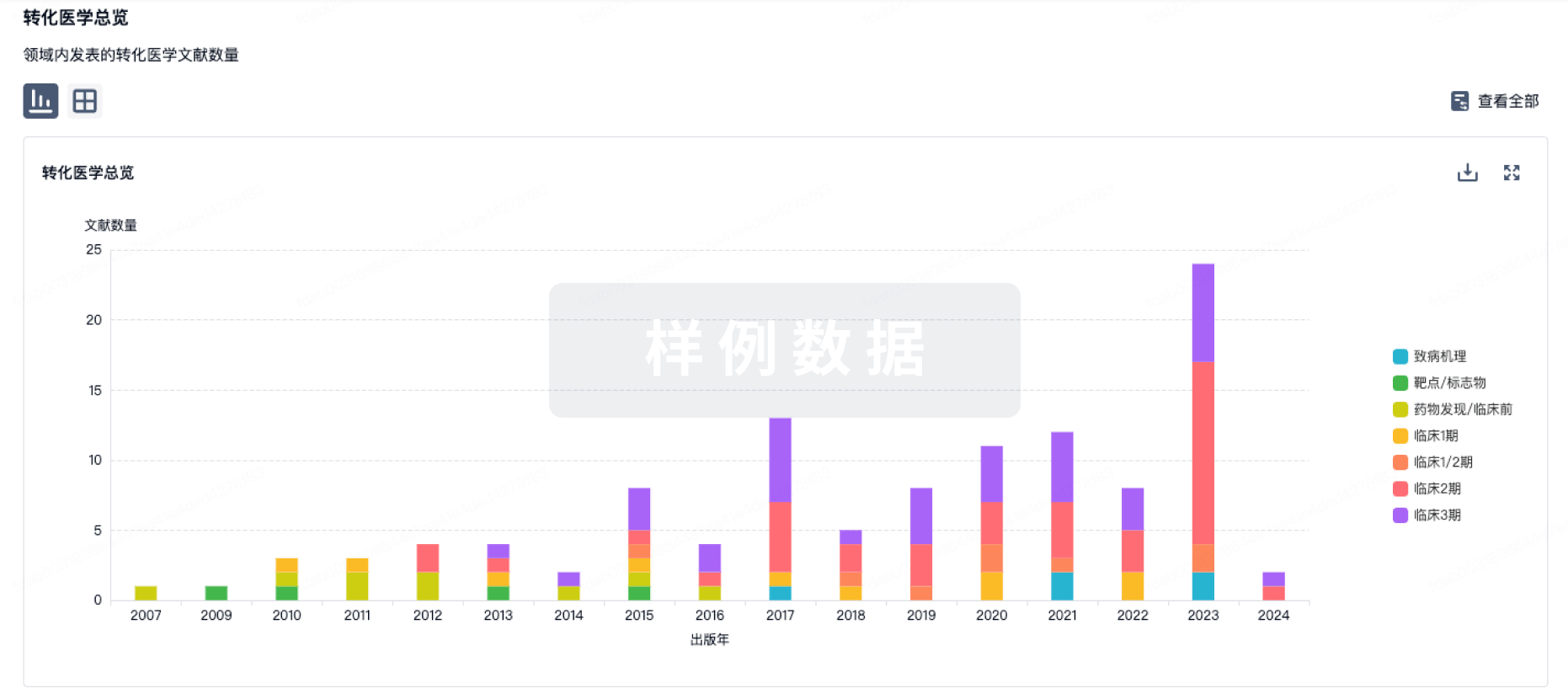
转化医学
使用我们的转化医学数据加速您的研究。
登录
或
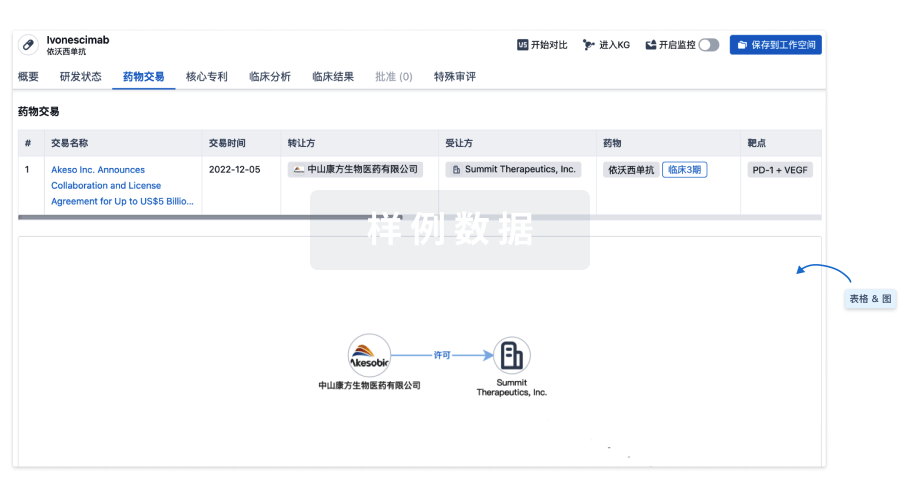
药物交易
使用我们的药物交易数据加速您的研究。
登录
或
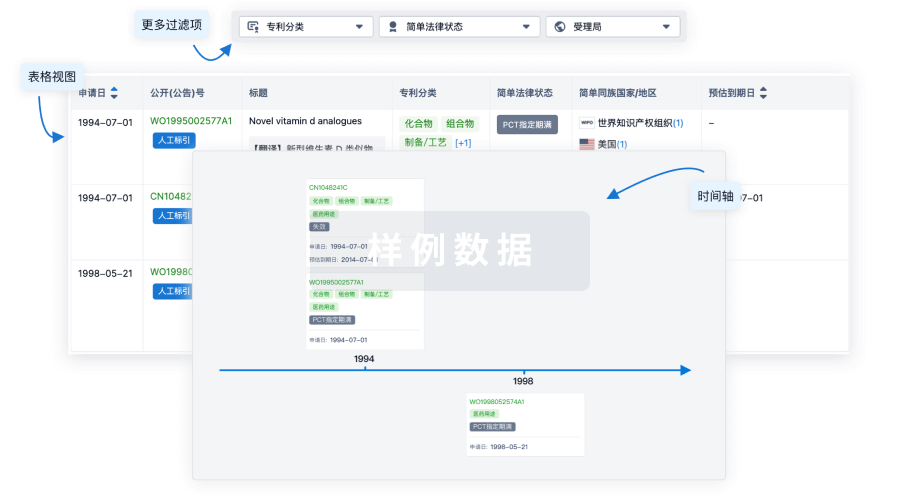
核心专利
使用我们的核心专利数据促进您的研究。
登录
或
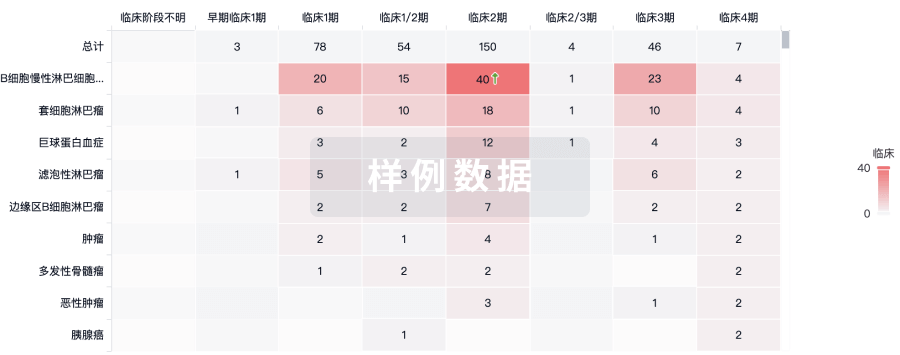
临床分析
紧跟全球注册中心的最新临床试验。
登录
或
批准
利用最新的监管批准信息加速您的研究。
登录
或
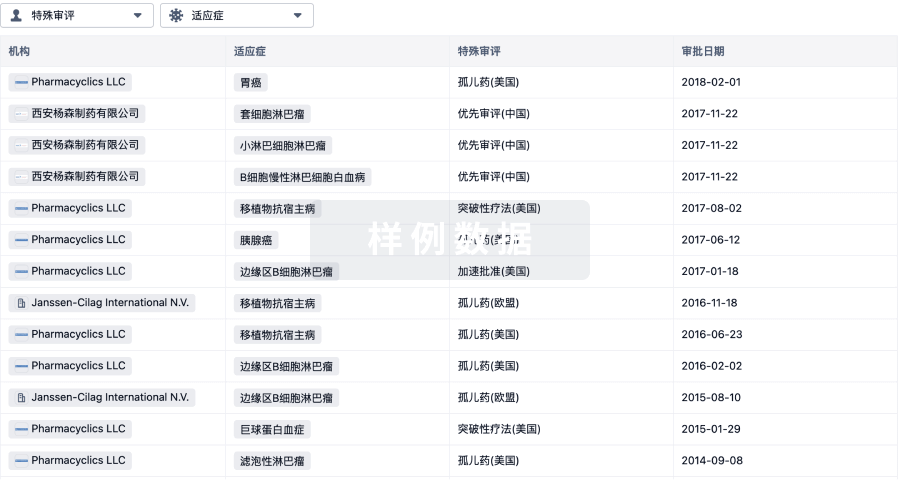
特殊审评
只需点击几下即可了解关键药物信息。
登录
或
芽仔
全新生物医药AI Agent 覆盖科研全链路,让突破性发现快人一步
立即开始免费试用!
智慧芽新药情报库是智慧芽专为生命科学人士构建的基于AI的创新药情报平台,助您全方位提升您的研发与决策效率。
立即开始数据试用!
智慧芽新药库数据也通过智慧芽数据服务平台,以API或者数据包形式对外开放,助您更加充分利用智慧芽新药情报信息。
生物序列数据库
生物药研发创新
免费使用
化学结构数据库
小分子化药研发创新
免费使用