预约演示
更新于:2026-08-01
Avibactam sodium
阿维巴坦钠
更新于:2026-08-01
概要
基本信息
原研机构 |
在研机构- |
最高研发阶段终止临床3期 |
首次获批日期- |
最高研发阶段(中国)终止 |
特殊审评- |



登录后查看时间轴
结构/序列
分子式C7H11N3NaO6S |
InChIKeyAXVUNLXMABVHIF-JBUOLDKXSA-N |
CAS号1192491-61-4 |
关联
18
项与 阿维巴坦钠 相关的临床试验ChiCTR2600120096
An IIT Study Evaluating the Efficacy and Safety of Ceftazidime-Avibactam Sodium/ Sodium Chloride Injection for the Treatment of Neutropenic Fever
ChiCTR2500112437
Pharmacokinetic, pharmacodynamic, and efficacy of ceftazidime-avibactam in Meningitis or ventriculitis patients caused by carbapenem resistant Enterobacteriaceae : a prospective, multi-center clinical study

ChiCTR2600117034
Clinical study on the monotherapy and combination therapy of ceftazidime-avibactam for carbapenem-resistant Gram-negative bacteria (CRO) infection

100 项与 阿维巴坦钠 相关的临床结果
登录后查看更多信息
100 项与 阿维巴坦钠 相关的转化医学
登录后查看更多信息
100 项与 阿维巴坦钠 相关的专利(医药)
登录后查看更多信息
2,564
项与 阿维巴坦钠 相关的文献(医药)2026-12-31Emerging Microbes & Infections
Spread of carbapenemase-producing
Serratia
spp. in France from 2016 to 2024: a comparative genomic study
Article
作者: Jousset, Agnès B. ; Emeraud, Cécile ; Bonnin, Rémy A. ; Larouy-Maumus, Gerald ; Dortet, Laurent ; Ouacel, Kenza ; Bernabeu, Sandrine ; Rezzoug, Inès ; Birer, Aurelien
Carbapenemase-producing Serratia spp. are increasingly implicated in healthcare-associated infections. This study aimed to characterize the genetic diversity, resistance mechanisms, and susceptibility to last resort antimicrobials of carbapenem-resistant Serratia spp. in France. From 2016 to 2024, 193 carbapenemase-producing Serratia spp. from France were investigated. WGS enabled species identification, MLST typing, resistome characterization and phylogenetic analysis. Antimicrobial susceptibility was assessed by broth microdilution, focusing on last resort antimicrobials. Intrinsic resistance to polymyxins was explored by genomic analysis and lipid A mass spectrometry. S. sarumanii (54%) and S. nevei (41%) dominated the epidemiology while no S. marcescens was identified. The most prevalent carbapenemases were OXA-48-like (56%), NDM (25%), IMP (8%), and VIM (7%). MLST identified 67 sequence types (ST) with 42% of the isolates belonging to four high-risk clones: ST-601, ST-298, ST-477, ST-600 and ST-474. β-lactamse susceptibility was low, but aztreonam-avibactam remained highly active (98%). Intrinsic resistance to polymyxin did not result from lipid A modifications as reported for Proteae. In France, carbapenemase-producing Serratia spp. were dominated by S. sarumanii and S. nevei. The absence of S. marcescens, the genus leader, highlighted the need to update the MALDI-TOF database. This study highlights Serratia as an underestimated reservoir of multidrug resistance.
2026-12-31Journal of Pharmaceutical Policy and Practice
Effectiveness and safety of ceftazidime/avibactam versus polymyxin B in liver transplant recipients with carbapenem-resistant organism infections: a real-world cohort study
Article
作者: Zhou, Zhengdon ; Chen, Chuanlin ; Hu, Yongfang ; Sheng, Bo ; Zhang, Weiwei ; Zhang, Zhenyu ; Li, Desheng
Background:
Treatment options for carbapenem-resistant organism (CRO) infections remain limited, with ceftazidime/avibactam (CAZ/AVI) and polymyxin B (PMB) being the main therapeutic choices. However, comparative evidence regarding the efficacy and safety of liver transplant (LT) recipients is scarce.
Methods:
This single-center retrospective cohort study was conducted in the liver intensive care unit of Beijing Tsinghua Changgung Hospital from January 2018 to December 2024. Adult LT recipients with CRO infections who received intravenous CAZ/AVI or PMB for > 48 h were included. Propensity score matching (PSM) was performed at a 1:1 ratio to balance baseline variables. Logistic regression analyses were used to evaluate microbial clearance, clinical success, and acute kidney injury (AKI). Cox proportional hazards models assessed the 90-day all-cause mortality and factors associated with survival outcomes.
Results:
Among the 106 LT recipients with postoperative CRO infections, 45 received CAZ/AVI (n = 23) or PMB (n = 22). After PSM, 22 patients were included in each group. The rates of microbial clearance (59.1% vs. 63.6%), clinical success (54.6% vs. 54.6%), and 90-day all-cause mortality (22.7% vs. 27.3%) were comparable between the CAZ/AVI and PMB (p > 0.05). However, AKI occurred significantly more frequently in the PMB group than in the CAZ/AVI group (81.8% vs. 50.0%, p = 0.026). Complete withdrawal of immunosuppressive therapy was independently associated with increased 90-day mortality (hazard ratio [HR] = 4.46, 95% CI 1.29-15.35, p = 0.018).
Conclusion:
CAZ/AVI and PMB achieved similar clinical effectiveness and survival outcomes in LT recipients with CRO infections; however, PMB carries a higher risk of nephrotoxicity. Discontinuation of immunosuppressive therapy during infection significantly affects patient survival. These findings highlight the importance of individualised antimicrobial selection, renal safety monitoring, and pharmacist-led stewardship in managing CRO infections in liver transplant patients.
2026-12-01BRAZILIAN JOURNAL OF MICROBIOLOGY
DOT-MGA for rapid determination of susceptibility to the combination of Ceftazidime-avibactam and Aztreonam among Enterobacterales
Article
作者: Caireão, Juliana ; da Silva Collar, Gabriela ; Becker, Julia ; Mott, Mariana Preussler ; Barth, Afonso Luís ; Barth, Patricia Orlandi ; Moreira, Natália Kehl ; Rodrigues, Clara Gubert
The clinical management of severe infections caused by Enterobacterales co-producing KPC and metallo-beta-lactamases is challenging. In these situations, the use of aztreonam-avibactam (AZA), or the association of aztreonam (ATM) with ceftazidime-avibactam (CZA), in scenarios where AZA is not available, has demonstrated clinical efficacy. However, the time to obtain results of in vitro antimicrobial susceptibility test may be a concern. We aimed to evaluate DOT-MGA (Direct-on-target microdroplet growth assay) as a tool for the rapid determination of susceptibility to AZA, as well as CZA plus ATM, to improve patient’s outcome and reinforce antimicrobial stewardship policies. A total of 161 Enterobacterales, harboring or not (n = 8) a variety of resistance genes (54 blaKPC, 70 blaNDM, 26 blaKPC + blaNDM, 2 blaNDM + blaOXA−48−like, and 1 blaOXA−48−like), were evaluated for 4 different antibiotics/combination (CZA, ATM, ATM-CZA and AZA). According to broth microdilution (BMD), 61.5% isolates were resistant to CZA and 64.6% to ATM. All isolates were susceptible to ATM-CZA and AZA. DOT-MGA presented categorical agreement of 99.2% for CZA, ATM and ATM-CZA, and 98.4% for AZA compared to BMD. Only 2 VME and 3 ME were observed. DOT-MGA demonstrated excellent performance, with a considerably reduced turnaround time to results (approximately 4 h, instead of 16–20 h of the gold standard broth microdilution), demonstrating a potential to improve treatment of patients with infections caused by MDR bacteria.
221
项与 阿维巴坦钠 相关的新闻(医药)2026-07-25
·新药共助
临床3期上市批准siRNA细胞疗法临床2期
100 项与 阿维巴坦钠 相关的药物交易
登录后查看更多信息
外链
| KEGG | Wiki | ATC | Drug Bank |
|---|---|---|---|
| - | - | - |
研发状态
10 条进展最快的记录, 后查看更多信息
登录
| 适应症 | 最高研发状态 | 国家/地区 | 公司 | 日期 |
|---|---|---|---|---|
| 菌血症 | 临床3期 | 美国 | 2020-12-25 | |
| 菌血症 | 临床3期 | 希腊 | 2020-12-25 | |
| 菌血症 | 临床3期 | 印度 | 2020-12-25 | |
| 菌血症 | 临床3期 | 俄罗斯 | 2020-12-25 | |
| 复杂腹腔感染 | 临床3期 | 美国 | 2020-12-25 | |
| 复杂腹腔感染 | 临床3期 | 希腊 | 2020-12-25 | |
| 复杂腹腔感染 | 临床3期 | 印度 | 2020-12-25 | |
| 复杂腹腔感染 | 临床3期 | 俄罗斯 | 2020-12-25 | |
| 复杂下尿路感染 | 临床3期 | 美国 | 2020-12-25 | |
| 复杂下尿路感染 | 临床3期 | 希腊 | 2020-12-25 |
登录后查看更多信息
临床结果
临床结果
适应症
分期
评价
查看全部结果
登录后查看更多信息
转化医学
使用我们的转化医学数据加速您的研究。
登录
或
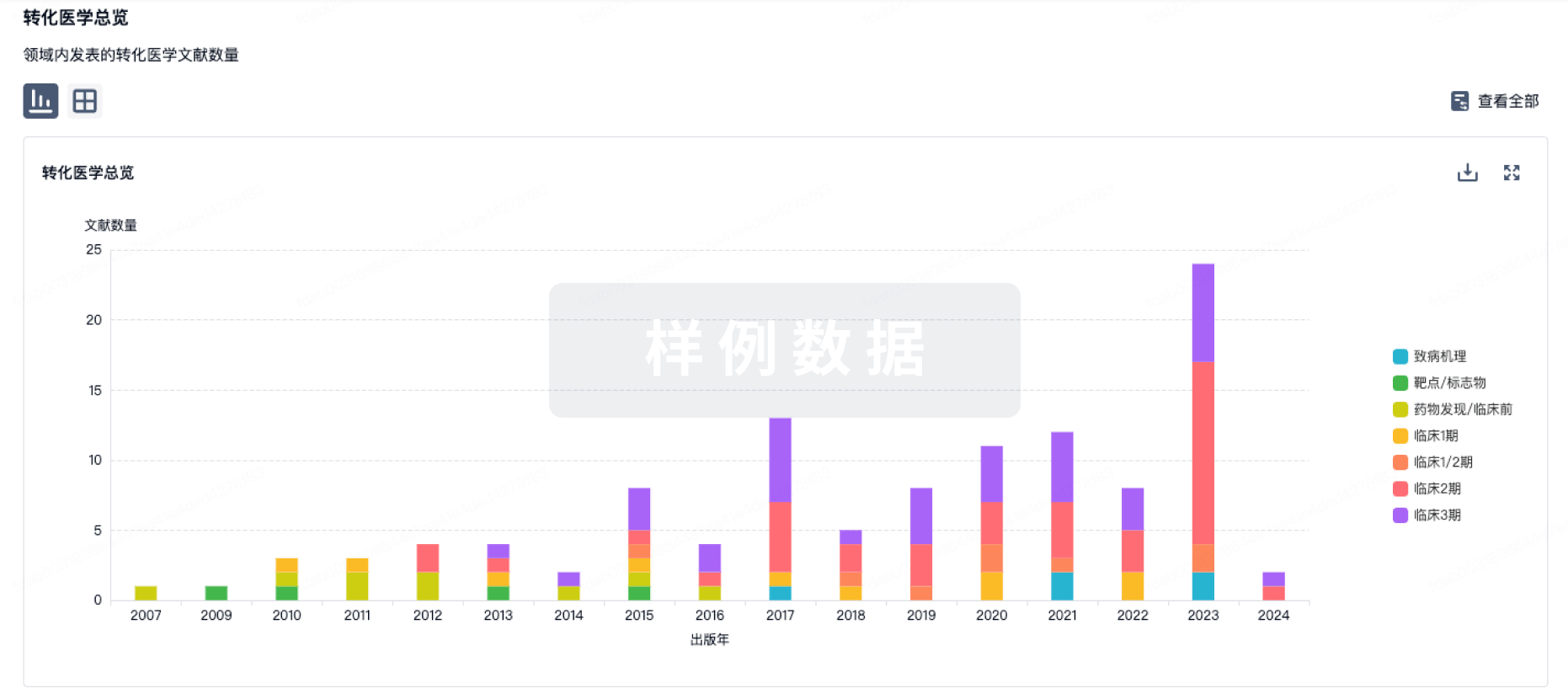
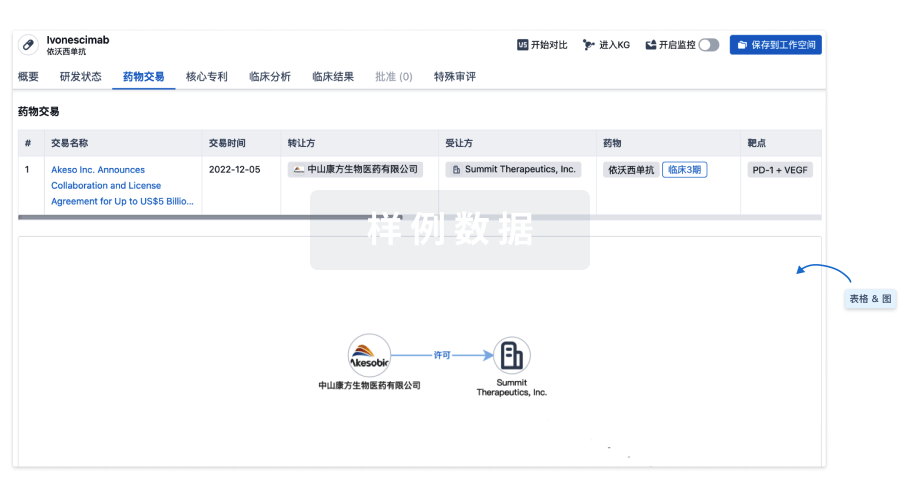
药物交易
使用我们的药物交易数据加速您的研究。
登录
或
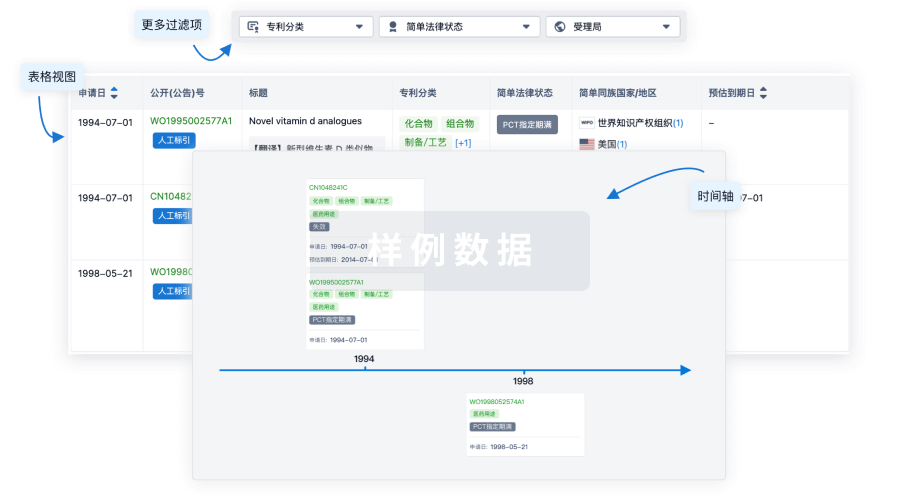
核心专利
使用我们的核心专利数据促进您的研究。
登录
或
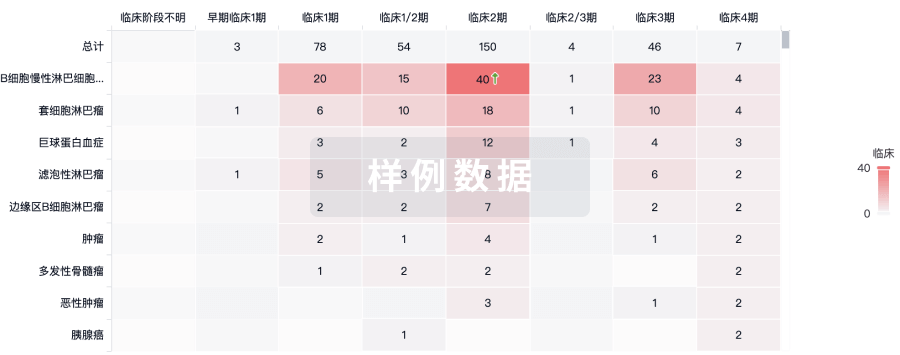
临床分析
紧跟全球注册中心的最新临床试验。
登录
或
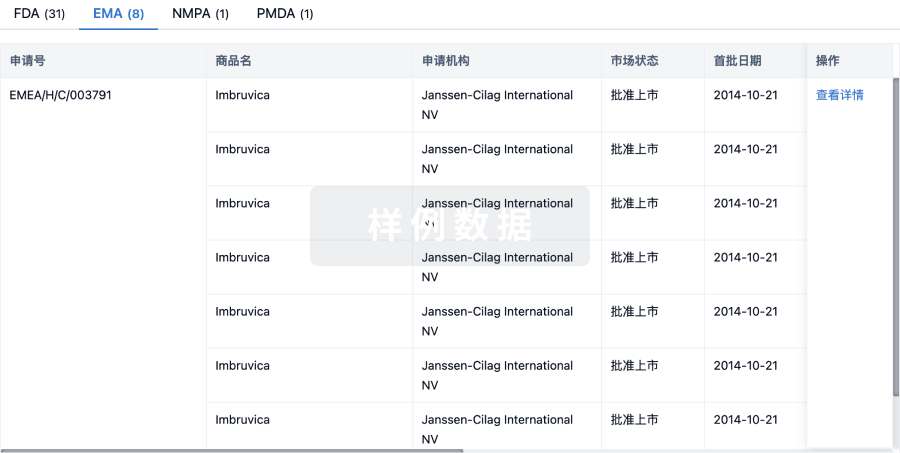
批准
利用最新的监管批准信息加速您的研究。
登录
或
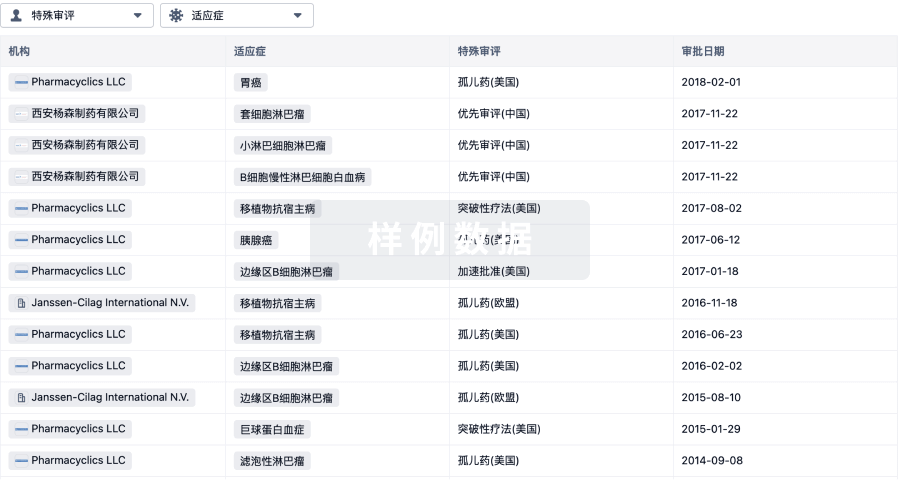
特殊审评
只需点击几下即可了解关键药物信息。
登录
或
芽仔
全新生物医药AI Agent 覆盖科研全链路,让突破性发现快人一步
立即开始免费试用!
智慧芽新药情报库是智慧芽专为生命科学人士构建的基于AI的创新药情报平台,助您全方位提升您的研发与决策效率。
立即开始数据试用!
智慧芽新药库数据也通过智慧芽数据服务平台,以API或者数据包形式对外开放,助您更加充分利用智慧芽新药情报信息。
生物序列数据库
生物药研发创新
免费使用
化学结构数据库
小分子化药研发创新
免费使用