预约演示
更新于:2026-08-01
Astragalus polysaccharide
黄芪多糖
更新于:2026-08-01
概要
基本信息

关联
7
项与 黄芪多糖 相关的临床试验ITMCTR2024000722
Professor Deng Tietao a master of traditional Chinese medicine conducted a clinical efficacy and mechanism study on the Astragalus and Ephedra Formula in different dosage forms for the stable period of threshold in patients with bradyarrhythmia after pacemaker implantation.
ITMCTR2024000197
A study on the clinical efficacy of Ginseng-Astragalus Delayed Failure Formula in treating frailty syndrome in the elderly

ChiCTR2300073035
Inhibition of inflammatory storm in myasthenic crisis by integrated traditional Chinese and western medicine

100 项与 黄芪多糖 相关的临床结果
登录后查看更多信息
100 项与 黄芪多糖 相关的转化医学
登录后查看更多信息
100 项与 黄芪多糖 相关的专利(医药)
登录后查看更多信息
219
项与 黄芪多糖 相关的文献(医药)2026-12-31ANNALS OF MEDICINE
Ceftriaxone for methicillin-susceptible
Staphylococcus aureus
bloodstream infections is associated with increased short-term mortality: a systematic review and meta-analysis
Review
作者: Maraolo, Alberto Enrico ; Nobile, Mariano ; Gentile, Ivan
BACKGROUND:
Bloodstream infections (BSIs) by methicillin-susceptible Staphylococcus aureus (MSSA) are a significant cause of morbidity and mortality, traditionally treated with antistaphylococcal penicillins (ASPs) or cefazolin. Ceftriaxone has emerged as an alternative due to its once-daily dosing regimen and favourable safety profile; however, its efficacy compared to the standard of care (SoC) remains controversial. This evidence synthesis aimed to assess the role of ceftriaxone in treating MSSA-BSIs.
METHODS:
A systematic literature search was conducted in PubMed, Embase, and Scopus up to December 31, 2025 (PROSPERO protocol CRD42024595748). Studies comparing ceftriaxone to ASPs or cefazolin for MSSA-BSIs were included. Primary outcomes were 30-day and 90-day all-cause mortality . Pooled effect sizes with their 95% confidence intervals (CIs), were calculated using random-effects models, odds ratios (ORs) and mean differences (MDs) according to the type of outcome.
RESULTS:
Eleven studies totalling 2,568 patients were included. Ceftriaxone was associated with significantly increased 30-day mortality (OR 3.33; 95% CI: 2.17-5.10), although differences at 90 days were not significant (OR 1.71; 95% CI: 0.75-3.90). No significant differences were noted for clinical success (OR 0.49; 95% CI: 0.19-1.26), microbiological clearance (OR 1.66; 95% CI: 0.73-3.82). Adverse event rates were similar between groups.
CONCLUSION:
Given the availability of various alternatives and the consistent short-term mortality signal observed, routine use of ceftriaxone for MSSA-BSIs, especially as initial therapy, is not supported by current evidence. Only novel findings from randomized studies may change the place in therapy of the drug in this context.
2026-08-01POULTRY SCIENCE
Effects of dietary astragalus polysaccharide supplementation on growth performance, carcass traits, and meat quality in Taihu geese
Article
作者: Zhang, Xiangying ; Li, Xiaoming ; Bian, Youqing ; Zhao, Mengli ; Zhang, Lei
Astragalus polysaccharides (APS) are bioactive compounds from Astragalus membranaceus with reported immunomodulatory and antioxidant properties, and they have attracted interest as natural alternatives to antibiotic growth promoters in poultry. This study evaluated the effects of dietary APS supplementation on growth performance, carcass traits, and meat quality in Taihu geese. A total of 432 one-day-old goslings were randomly allocated to 3 dietary treatments (0, 100, or 200 mg/kg APS), with 6 replicates per treatment (24 birds per replicate; 12 males and 12 females). Growth performance was recorded during 1-90 d, and two birds (1 male and 1 female) per replicate were sampled at 30, 60, and 90 d for carcass measurements, meat quality assessment, and amino acid analysis of breast and leg muscles. Compared with the control, 200 mg/kg APS increased body weight at 60 and 90 d and improved average daily gain during 31-60 d and across 1-90 d, accompanied by a reduced feed-to-gain ratio (P < 0.05). At 60 d, geese fed 200 mg/kg APS exhibited higher dressing percentage and semi-eviscerated percentage than controls (P < 0.05). APS supplementation induced limited changes in meat quality, with a decreased breast muscle b* value at 30 d in the 200 mg/kg APS group (P < 0.05). In addition, 200 mg/kg APS increased glycine in breast muscle at 30 d and elevated methionine in breast muscle at 90 d as well as in leg muscle at 30 and 60 d (P < 0.05). Overall, APS supplementation at 200 mg/kg showed greater efficacy than 100 mg/kg in improving growth efficiency and selected carcass traits in Taihu geese, with stage-dependent changes in selected muscle amino acid contents.
2026-07-07Microbiology Spectrum
Astragalus polysaccharides ameliorate perinatal metabolic syndrome in sows via enhancing butyrate-producing bacteria
Article
作者: Zhou, Jie ; Ran, Sijiao ; Wei, Hongkui ; Sun, Haiqing ; Peng, Jian ; Dai, Tianci ; Zhou, Yuanfei
ABSTRACT:
Astragalus polysaccharide (APS), a bioactive phytomacromolecule from
Astragalus membranaceus
, exhibits anti-inflammatory, antioxidant, and immunomodulatory activities. Given mammals’ lack of endogenous glycosidases for APS catabolism, this study hypothesizes its bioactivity stems from gut microbial interactions, investigating APS-mediated microbiome remodeling and therapeutic effects on perinatal metabolic syndrome (PeriMS) in sows.
In vitro
fermentation showed that APS significantly increased short-chain fatty acid (SCFA) production, with acetate (44.51 mmol/L), propionate (17.37 mmol/L), and butyrate (22.04 mmol/L) levels notably elevated and enriched canonical butyrate-producing taxa (
g_norank_f_Muribaculaceae
,
g_Monoglobus
,
g_unclassified_f_Lachnospiraceae
,
P
< 0.05).
In vivo
, gestational APS supplementation (from day 90) improved piglet weaning weight, reduced maternal backfat loss during lactation, shortened post-weaning estrus interval, elevated intestinal butyrate, alleviated systemic inflammation/oxidative stress, and mitigated PeriMS. Mechanistic analysis associated PeriMS improvement with butyrate-producing bacteria, with butyrate playing a key role in gut health enhancement. These findings establish APS as a prebiotic, highlighting the gut microbiota-SCFA axis as a therapeutic target for PeriMS. This study provides targeted mechanistic evidence that the gut microbiota-SCFA axis mediates PeriMS improvement by APS. Mechanistic analysis linked PeriMS improvement to butyrate-producing bacteria, with butyrate playing a key role in gut health enhancement, which was verified by a sodium butyrate rescue experiment. These findings establish APS as a prebiotic, highlighting the gut microbiota-SCFA axis as a therapeutic target for PeriMS. This work provides novel evidence for microbiota-SCFA axis involvement in sow perinatal metabolic health, offering translational strategies to improve livestock metabolic health through APS supplementation.
IMPORTANCE:
In intensive pig farming, 40% of multiparous sows develop perinatal metabolic syndrome (PeriMS) around farrowing, causing $150–$200 annual loss per sow due to inflammation (e.g., higher IL-6), oxidative stress, and extended weaning-to-estrus intervals (2.1 days). Gut dysfunction—marked by fewer butyrate-producing bacteria and increased endotoxin—triggers barrier damage and inflammation. Supplementing with Astragalus polysaccharides (APS, 10 g/day) enhances beneficial bacteria like Muribaculaceae and butyrogenic Bacteroides, raising butyrate
in vitro
. In sows, APS lowers endotoxemia and gut inflammation (calprotectin), correlating with reduced postpartum IL-6 and reactive oxygen species. It also improves productivity: less backfat loss and heavier weaned piglets. By targeting gut-barrier crosstalk, APS breaks the inflammation-metabolism cycle, providing a sustainable alternative to antibiotics to enhance peripartum sow health and profitability.
100 项与 黄芪多糖 相关的药物交易
登录后查看更多信息
研发状态
10 条进展最快的记录, 后查看更多信息
登录
| 适应症 | 最高研发状态 | 国家/地区 | 公司 | 日期 |
|---|---|---|---|---|
| 膀胱癌 | 临床前 | 中国 | 2025-05-02 | |
| 认知障碍 | 临床前 | 中国 | 2025-05-02 | |
| 脑脊髓炎 | 临床前 | 中国 | 2024-12-01 | |
| 黑色素瘤 | 临床前 | 中国 | 2024-08-21 | |
| 血栓形成 | 临床前 | 中国 | 2019-07-08 |
登录后查看更多信息
临床结果
临床结果
适应症
分期
评价
查看全部结果
登录后查看更多信息
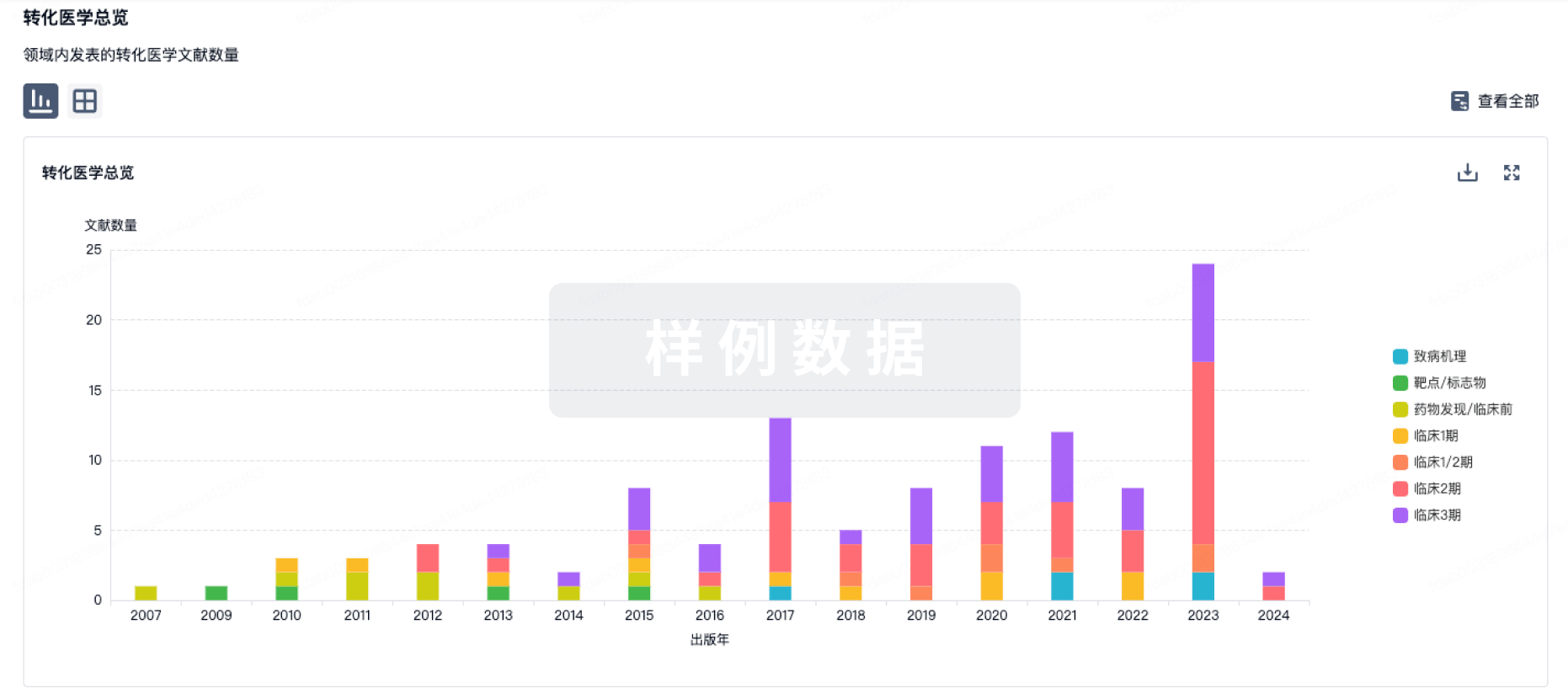
转化医学
使用我们的转化医学数据加速您的研究。
登录
或
药物交易
使用我们的药物交易数据加速您的研究。
登录
或
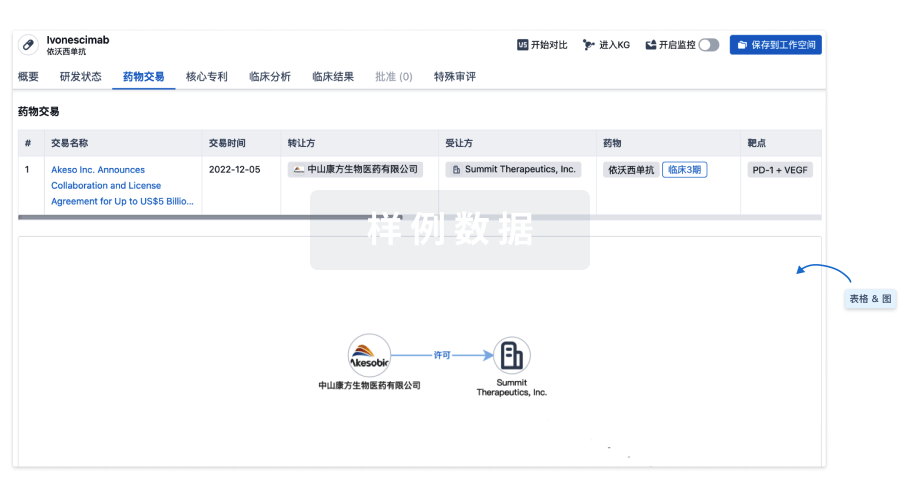
核心专利
使用我们的核心专利数据促进您的研究。
登录
或
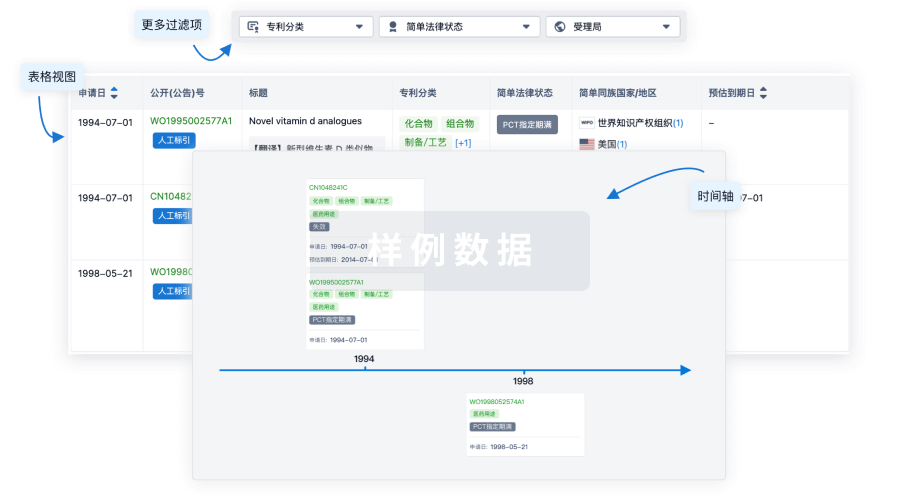
临床分析
紧跟全球注册中心的最新临床试验。
登录
或
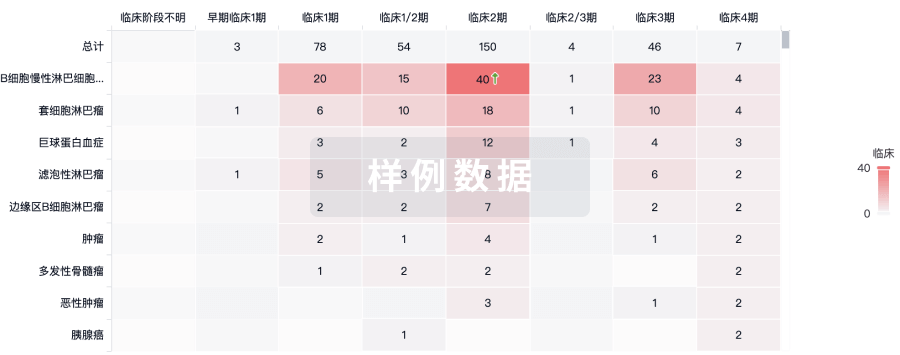
批准
利用最新的监管批准信息加速您的研究。
登录
或
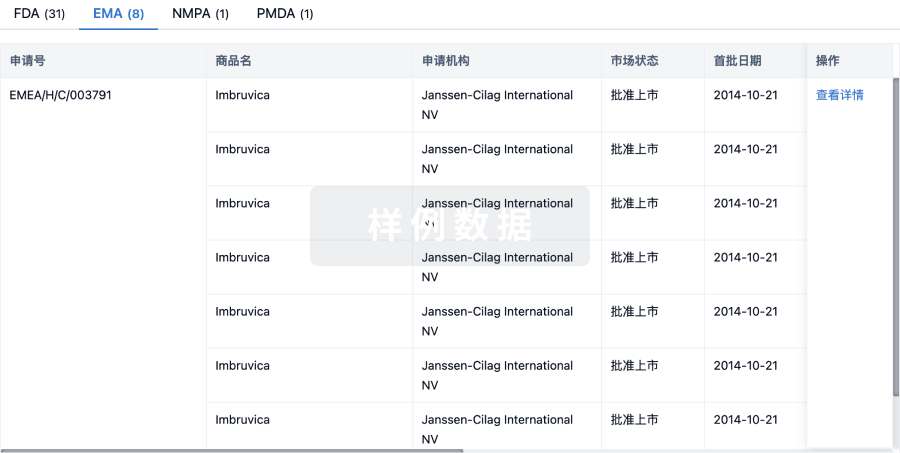
特殊审评
只需点击几下即可了解关键药物信息。
登录
或
芽仔
全新生物医药AI Agent 覆盖科研全链路,让突破性发现快人一步
立即开始免费试用!
智慧芽新药情报库是智慧芽专为生命科学人士构建的基于AI的创新药情报平台,助您全方位提升您的研发与决策效率。
立即开始数据试用!
智慧芽新药库数据也通过智慧芽数据服务平台,以API或者数据包形式对外开放,助您更加充分利用智慧芽新药情报信息。
生物序列数据库
生物药研发创新
免费使用
化学结构数据库
小分子化药研发创新
免费使用