预约演示
更新于:2026-07-26
Oxiracetam
奥拉西坦
更新于:2026-07-26
概要
基本信息
原研机构- |
权益机构- |
最高研发阶段批准上市 |
首次获批日期 意大利 (1987-01-01) |
最高研发阶段(中国)批准上市 |
特殊审评孤儿药 (美国) |





登录后查看时间轴
结构/序列
分子式C6H10N2O3 |
InChIKeyIHLAQQPQKRMGSS-UHFFFAOYSA-N |
CAS号62613-82-5 |
关联
6
项与 奥拉西坦 相关的临床试验ChiCTR2400087048
Clinical study of tirofiban combined with oxiracetam in the treatment of acute progressive cerebral infarction
ChiCTR2300076112
Effects of Oxiracetam on Postoperative Delirium in Elderly Patients Undergoing Laparoscopic Gastrointestinal Surgery: A Multicenter Randomized Controlled Study

NCT04205565
A Randomized, Double-blind, Positive Drug/Placebo Parallel Controlled, Multicenter, Phase III Clinical Trial of L-oxiracetam Injection to Improve Memory and Cognitive Impairment in Patients With Craniocerebral Injury
100 项与 奥拉西坦 相关的临床结果
登录后查看更多信息
100 项与 奥拉西坦 相关的转化医学
登录后查看更多信息
100 项与 奥拉西坦 相关的专利(医药)
登录后查看更多信息
231
项与 奥拉西坦 相关的文献(医药)2026-01-01European Stroke Journal
Oxiracetam and physical activity in preventing cognitive decline after stroke: A multicenter, randomized controlled trial
Article
作者: Rha, Joung-Ho ; Choi, Jay Chol ; Chang, Dae-Il ; Park, Hyun-Young ; Kim, Chulho ; Oh, Kyungmi ; Park, Jong-Ho ; Yi, Sanghak ; Lee, Jun Hong ; Chung, Jong-Won ; Heo, Jae-Hyeok ; Jung, Keun-Hwa ; Cho, Kyung-Hee ; Park, Tai Hwan ; Park, Man-Seok ; Lee, Juneyoung ; Kim, Dong-Eog ; Bae, Seongryu ; Kim, Hahn Young ; Park, Kwang-Yeol ; Lim, Jae-Sung ; Park, Jong-Moo ; Lee, Yeong Bae ; Lee, Byung-Chul ; Lee, Kyungbok ; Moon, Won-Jin ; Kim, Jae Guk ; Kang, Kyusik ; Oh, Mi Sun ; Park, Hyuntae ; Bae, Hee-Joon ; Cha, Jae-Kwan ; Kim, Eung-Gyu ; Heo, Sung Hyuk ; Lee, Soo Joo ; Kwon, Jee-Hyun ; Jung, Hannah ; Kang, Yeonwook
Abstract:
Introduction:
This multicenter, double-blind, placebo-controlled trial, commissioned by South Korea’s Ministry of Food and Drug Safety, evaluated the effect of oxiracetam for preventing post-stroke cognitive impairment (PSCI) and explored potential interaction with physical activity using neuroimaging.
Patients and methods:
Patients at high risk of PSCI, reporting subjective cognitive decline ⩾3 months after stroke, were randomized 1:1 to receive oxiracetam or placebo for 36 weeks. Physical activity was tracked via wrist-worn actigraphy. Coprimary endpoints were changes in Mini-Mental State Examination (MMSE) and Clinical Dementia Rating–Sum of Boxes (CDR-SB). Secondary outcomes included neuropsychological assessments and resting-state functional magnetic resonance imaging network metrics.
Results:
Of 500 enrolled participants (mean age 68.9 years; median 32 months post-stroke), 457 completed the study. There were no statistically significant differences between groups in changes in MMSE (oxiracetam: +0.13 ± 2.27 vs placebo: +0.27 ± 2.09; p = 0.49) or CDR-SB scores (–0.14 ± 0.70 vs −0.08 ± 0.80; p = 0.38). No evidence of interaction was observed between oxiracetam and physical activity. Exploratory analyses suggested favorable trends in functional segregation and CDR-SB scores among highly active oxiracetam participants.
Discussion and conclusion:
Oxiracetam did not demonstrate benefit in preventing PSCI in high-risk patients. These findings support the recent regulatory decision to suspend its use in South Korea.
2025-10-01PSYCHOPHARMACOLOGY
Oxiracetam ameliorates neurological function after traumatic brain injury through competing endogenous RNA regulatory network
Article
作者: Guo, Han ; Cao, Xuhua ; Zhao, Weidong ; Wang, Liyi ; Wang, Jiahao
RATIONALE:
Oxiracetam (ORC) has been demonstrated to improve neurological function resulting from traumatic brain injury (TBI).
OBJECTIVES:
This study aims to explore the precise molecular mechanism of ORC in the treatment of TBI.
METHODS:
TBI rat model was established and treated with ORC. Modified Garcia score, rotarod test and HE staining were employed to evaluate the neuroprotective effects of ORC. Subsequently, RNA-seq was conducted on the hippocampus of sham, TBI and ORC rats to identify differential expression (DE) lncRNAs and mRNAs. Functional analysis of DE lncRNAs and mRNAs was performed. The real-time quantitative polymerase chain reaction (qRT-PCR) was used to determine the expression of DE lncRNAs and DE mRNAs. Western blot was performed to explore important pathway in ceRNA networks.
RESULTS:
ORC has been demonstrated to effectively improve neurological function in TBI rats. A total of 10 ORC-treated DE lncRNAs and 61 DE mRNAs were obtained. A co-expression network comprising 79 lncRNA-mRNA pairs associated with the treatment of ORC was constructed. Furthermore, an lncRNA-miRNA-mRNA regulated ceRNA network was constructed, comprising 15 mRNAs, 41 miRNAs and 10 lncRNAs. Functional enrichment, qRT-PCR, and Western blot analysis showed that ORC improve neurological function of TBI rats by regulating multiple signaling pathways, including the JAK-STAT/PI3K-Akt pathway, as well as affecting the expression of key genes Prlr, Cdkn1a, and Cldn1.
CONCLUSION:
Our study reveals the mechanism of ORC therapy in TBI rats, which mainly relies on the regulation of the JAK-STAT/PI3K-Akt pathway and the influence on the expression of key genes Prlr, Cdkn1a, and Cldn1.
2024-09-01GYNECOLOGIC ONCOLOGY
Preclinical 3D model screening reveals digoxin as an effective therapy for a rare and aggressive type of endometrial cancer
Article
作者: Ewanowich, Carol ; Vizeacoumar, Franco J ; Maranda, Vincent ; Wong, Nelson K Y ; Dong, He ; Fu, Yangxin ; Lee, Cheng-Han ; Smith, DuPreez ; Vizeacoumar, Frederick S ; Zhang, Guihua ; Köbel, Martin ; Fernandez, Marta Llaurado ; Hopkins, Laura ; Kumar, Pooja Praveen ; Freywald, Andrew ; Kim, Hannah ; Carey, Mark S ; Key, James ; Ganapathysamy, Ashtalakshmi ; Postovit, Lynne M
OBJECTIVE:
Dedifferentiated endometrial carcinoma (DDEC) characterized by SWItch/Sucrose Non-Fermentable (SWI/SNF) complex inactivation is a highly aggressive type of endometrial cancer without effective systemic therapy options. Its uncommon nature and aggressive disease trajectory pose significant challenges for therapeutic progress. To address this obstacle, we focused on developing preclinical models tailored to this tumor type and established patient tumor-derived three-dimensional (3D) spheroid models of DDEC.
METHODS:
High-throughput drug repurposing screens were performed on in vitro 3D spheroid models of DDEC cell lines (SMARCA4-inactivated DDEC-1 and ARID1A/ARID1B co-inactivated DDEC-2). The dose-response relationships of the identified candidate drugs were evaluated in vitro, followed by in vivo evaluation using xenograft models of DDEC-1 and DDEC-2.
RESULTS:
Drug screen in 3D models identified multiple cardiac glycosides including digoxin and digitoxin as candidate drugs in both DDEC-1 and DDEC-2. Subsequent in vitro dose-response analyses confirmed the inhibitory activity of digoxin and digitoxin with both drugs showing lower IC50 in DDEC cells compared to non-DDEC endometrial cancer cells. In in vivo xenograft models, digoxin significantly suppressed the growth of DDEC tumors at clinically relevant serum concentrations.
CONCLUSION:
Using biologically precise preclinical models of DDEC derived from patient tumor samples, our study identified digoxin as an effective drug in suppressing DDEC tumor growth. These findings provide compelling preclinical evidence for the use of digoxin as systemic therapy for SWI/SNF-inactivated DDEC, which may also be applicable to other SWI/SNF-inactivated tumor types.
100 项与 奥拉西坦 相关的药物交易
登录后查看更多信息
研发状态
批准上市
10 条最早获批的记录, 后查看更多信息
登录
| 适应症 | 国家/地区 | 公司 | 日期 |
|---|---|---|---|
| 脑损伤 | 中国 | 1997-02-28 | |
| 痴呆 | 中国 | 1997-02-28 | |
| 记忆障碍 | 中国 | 1997-02-28 |
未上市
10 条进展最快的记录, 后查看更多信息
登录
| 适应症 | 最高研发状态 | 国家/地区 | 公司 | 日期 |
|---|---|---|---|---|
| 围手术期缺血 | 临床1期 | 中国 | 2019-11-04 | |
| 毛发硫营养不良综合征 | 临床1期 | 中国 | 2019-11-04 |
登录后查看更多信息
临床结果
临床结果
适应症
分期
评价
查看全部结果
登录后查看更多信息
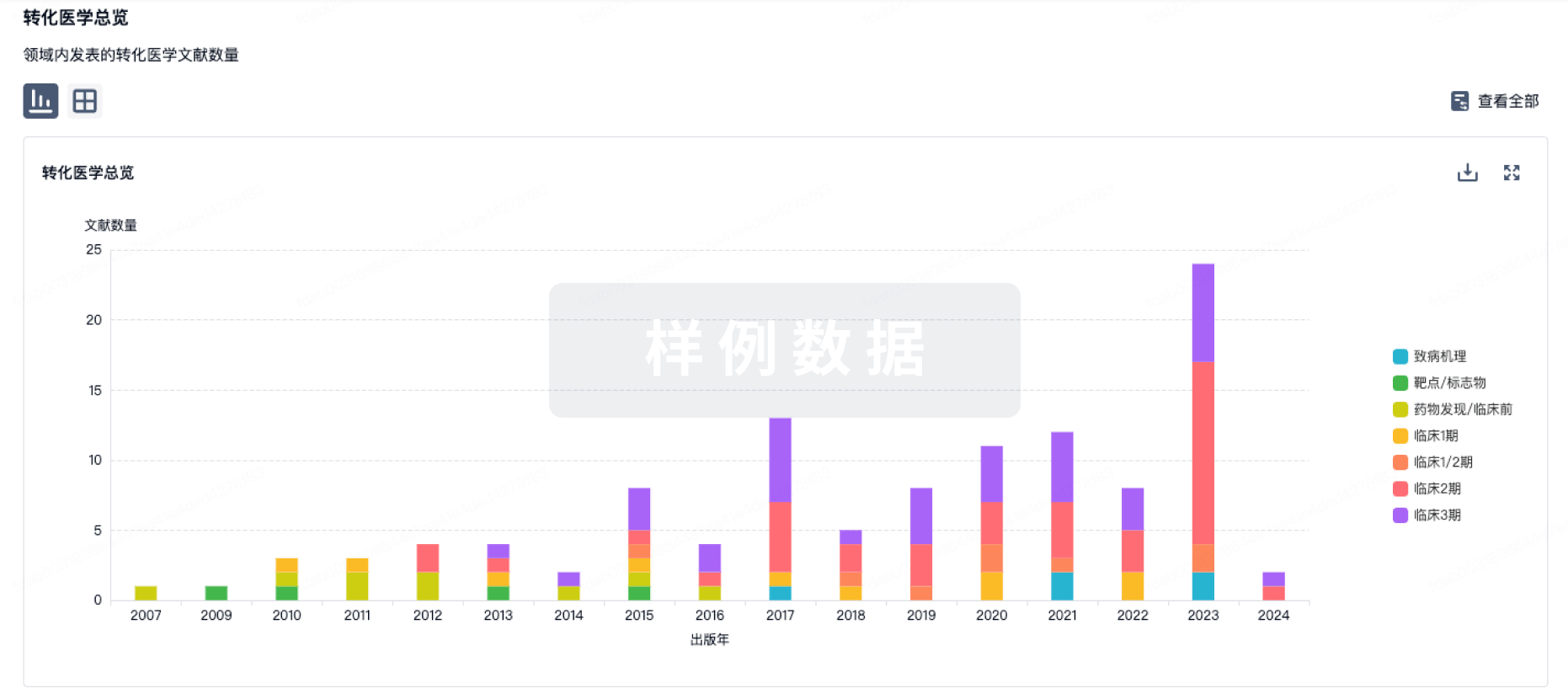
转化医学
使用我们的转化医学数据加速您的研究。
登录
或
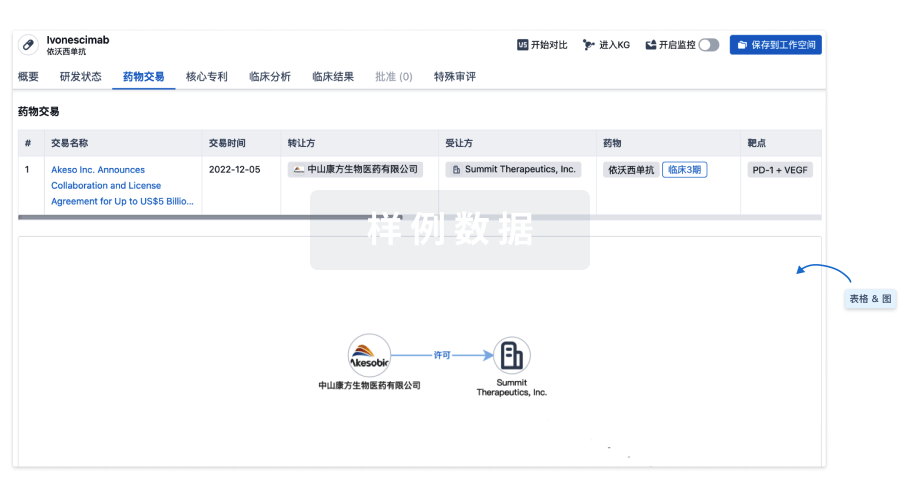
药物交易
使用我们的药物交易数据加速您的研究。
登录
或
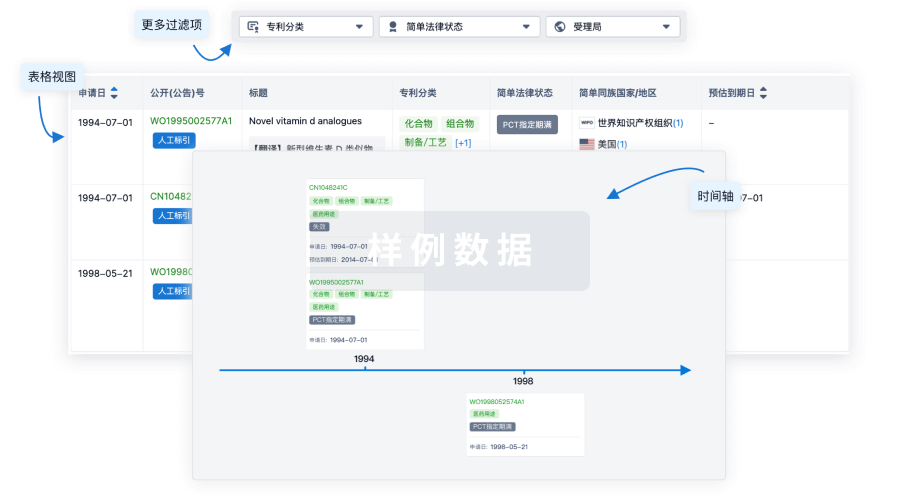
核心专利
使用我们的核心专利数据促进您的研究。
登录
或
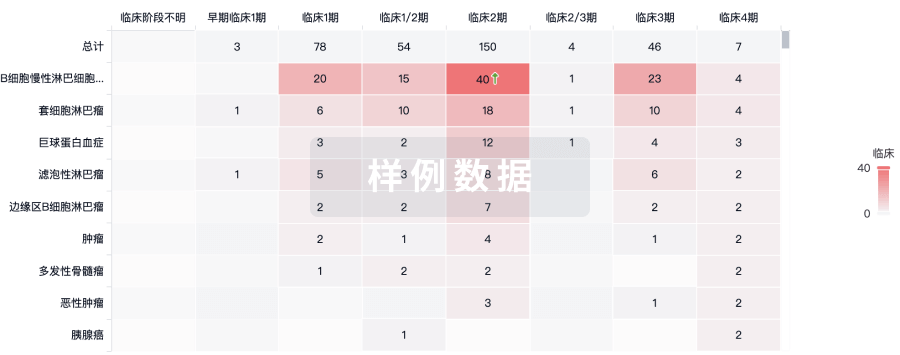
临床分析
紧跟全球注册中心的最新临床试验。
登录
或
批准
利用最新的监管批准信息加速您的研究。
登录
或
特殊审评
只需点击几下即可了解关键药物信息。
登录
或
芽仔
全新生物医药AI Agent 覆盖科研全链路,让突破性发现快人一步
立即开始免费试用!
智慧芽新药情报库是智慧芽专为生命科学人士构建的基于AI的创新药情报平台,助您全方位提升您的研发与决策效率。
立即开始数据试用!
智慧芽新药库数据也通过智慧芽数据服务平台,以API或者数据包形式对外开放,助您更加充分利用智慧芽新药情报信息。
生物序列数据库
生物药研发创新
免费使用
化学结构数据库
小分子化药研发创新
免费使用