预约演示
更新于:2026-08-01
IL-17A Inhibitor (C4XD)
IL-17A抑制剂 (C4XD)
更新于:2026-08-01
概要
基本信息
非在研机构- |
最高研发阶段临床前 |
首次获批日期- |
最高研发阶段(中国)- |
特殊审评- |


关联
100 项与 IL-17A抑制剂 (C4XD) 相关的临床结果
登录后查看更多信息
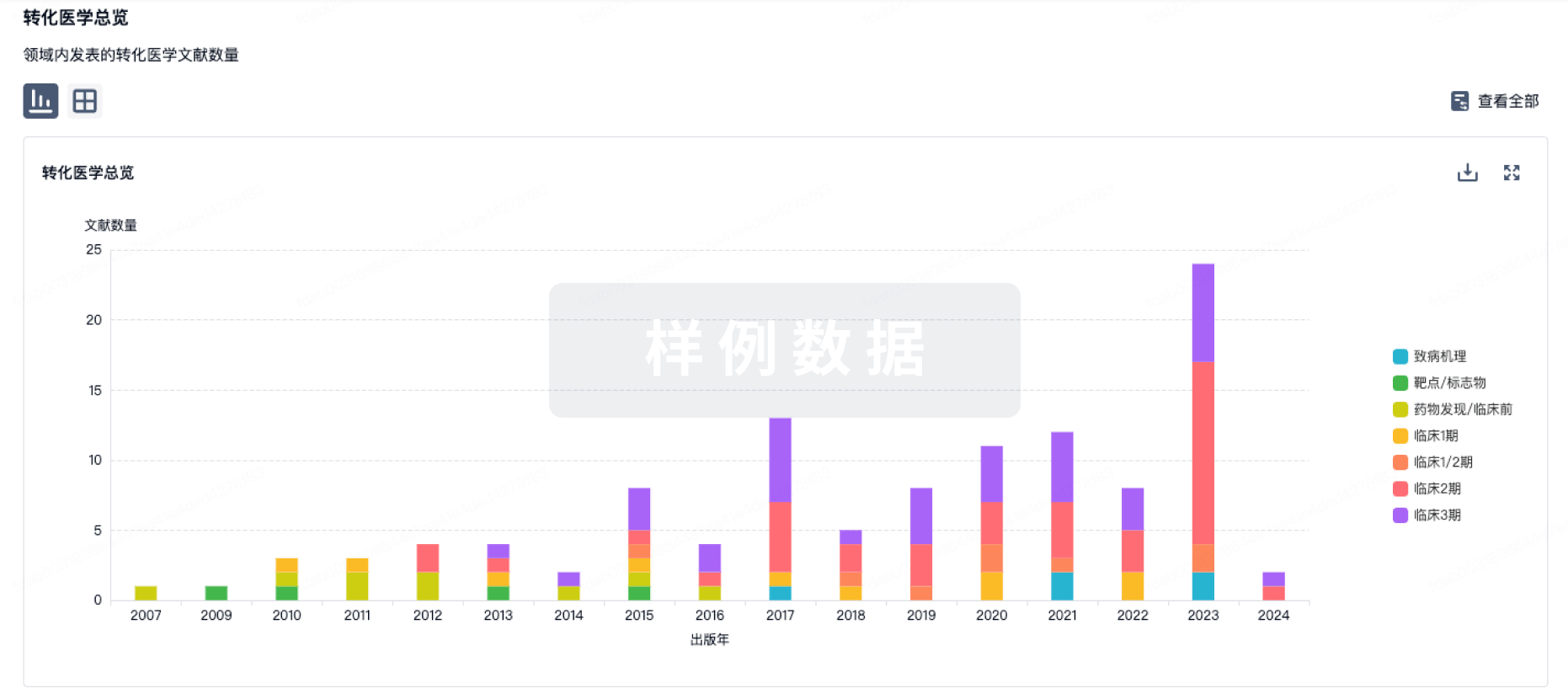
100 项与 IL-17A抑制剂 (C4XD) 相关的转化医学
登录后查看更多信息
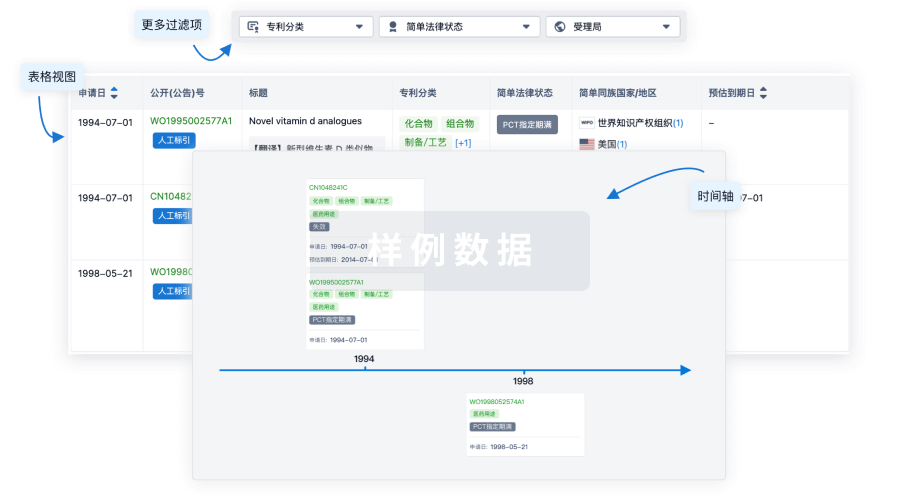
100 项与 IL-17A抑制剂 (C4XD) 相关的专利(医药)
登录后查看更多信息
131
项与 IL-17A抑制剂 (C4XD) 相关的文献(医药)2026-12-31·JOURNAL OF DERMATOLOGICAL TREATMENT
Intralesional secukinumab for localized, recalcitrant hidradenitis suppurativa: a case series of rapid symptom relief
Article
作者: Luo, Dong ; Li, Xiaofang ; Zhang, Ke ; Fang, Fang ; Bu, Wenbo ; Zhang, Qian ; Hou, Binbin ; Zheng, Junyou
PURPOSE:
Hidradenitis suppurativa (HS) is a debilitating, chronic, inflammatory disease. While secukinumab (an IL-17A inhibitor) demonstrates systemic efficacy, specific lesions often remain resistant to systemic therapy, representing a significant unmet clinical need. This case series aimed to evaluate the efficacy and safety of intralesional secukinumab for localized HS lesions.
MATERIALS AND METHODS:
We retrospectively analyzed five patients treated with this modality after failing conventional therapies, including oral tetracyclines and oral/intralesional corticosteroids.
RESULTS:
Post-treatment, all targeted lesions showed marked reduction in inflammation and nodule size. Notably, patient-reported Visual Analogue Scale (VAS) and Dermatology Life Quality Index (DLQI) scores decreased rapidly in the short term. No severe local adverse events or systemic side effects were observed.
CONCLUSIONS:
These preliminary findings suggest that intralesional secukinumab may serve as an effective, well-tolerated adjunctive strategy, particularly for localized, recalcitrant lesions, offering a new perspective in HS management.
2026-06-01·Rheumatology and Therapy
A Narrative Review of Secukinumab in Spondyloarthritis and Psoriatic Arthritis: Treating the Whole Patient
Review
作者: Kivitz, Alan ; Kaeley, Gurjit S ; Gladman, Dafna D ; Grinnell-Merrick, Linda ; Weiss, Pamela F ; Mease, Philip
Spondyloarthritis (SpA), including axial spondyloarthritis (axSpA) and psoriatic arthritis (PsA), comprises a diverse but interrelated family of inflammatory diseases characterized by inflammation of the joints and spine. Signs and symptoms of SpA vary widely, as patients experience a diverse spectrum of musculoskeletal and extra-musculoskeletal disease manifestations. Interleukin (IL)-17 is an inflammatory cytokine common to the pathogenesis of SpA disease development and progression. The IL-17A inhibitor secukinumab has been well established in clinical trials and real-world practice as an effective therapeutic tool to efficiently manage SpA indications axSpA and PsA in adults, as well as juvenile PsA (jPsA) and enthesitis-related arthritis (ERA), which are two subtypes of juvenile idiopathic arthritis. This review highlights the comprehensive response to IL-17 inhibition with secukinumab across SpA indications of PsA, axSpA, and ERA/jPsA and within each indication according to established disease domains. We provide context through expert commentary on the effect of inhibiting IL-17 with secukinumab on the full spectrum of SpA disease manifestations, as well as areas in need of further investigation.
2026-04-21·Cureus Journal of Medical Science
Comparative Effectiveness of Four Biologics for Moderate-to-Severe Plaque Psoriasis: A Network Meta-Analysis
Review
作者: Abdullah, Abdullah ; Polus, Linda
Multiple biologic agents targeting different inflammatory pathways are available for moderate-to-severe plaque psoriasis. While previous network meta-analyses have compared biologics, most were published before the approval of bimekizumab (the newest dual interleukin [IL]-17A/F inhibitor) and lack head-to-head comparisons incorporating this agent alongside other contemporary biologic therapies. We conducted a systematic literature search of PubMed and Clinical Trials to identify phase III randomized controlled trials comparing biologic treatments for moderate-to-severe plaque psoriasis. The primary outcome was achievement of 90% or greater reduction in Psoriasis Area and Severity Index (PASI 90) at week 16. We performed a frequentist random-effects network meta-analysis to estimate odds ratios (OR) with 95% confidence intervals (CI) for all treatment comparisons. From 642 records identified, 11 phase III randomized controlled trials (10 datasets, 6,657 patients) were included, comparing bimekizumab (IL-17A/F inhibitor), secukinumab (IL-17A inhibitor), risankizumab and guselkumab (IL-23p19 inhibitors), adalimumab (tumor necrosis factor-alpha inhibitor), ustekinumab (IL-12/23 inhibitor), and placebo. Compared with placebo, all active treatments showed significant efficacy: bimekizumab (OR 170.04, 95% CI 104.33-277.14), risankizumab (OR 95% CI 59.97-151.74), guselkumab (OR 82.25, 95% CI 51.23-132.03), secukinumab (OR 75.01, 95% CI 45.37-124.02), adalimumab (OR 30.07, 95% CI 19.16-47.18), and ustekinumab (OR 26.68, 95% CI 16.48-43.20). Network heterogeneity was low (I² = 0.0%) for most comparisons. Bimekizumab demonstrated the highest efficacy for achieving PASI 90 at week 16, followed by risankizumab, guselkumab, and secukinumab. All newer biologic agents showed substantial superiority over adalimumab and ustekinumab. These findings can inform treatment selection and guideline development for moderate-to-severe plaque psoriasis.
955
项与 IL-17A抑制剂 (C4XD) 相关的新闻(医药)2026-07-30
·优麦会讯
2026年7月23日,由信达生物联合优麦医生共同发起的“研而有信—23研习社”第七期学术会议顺利召开。全国皮肤科领域专家与药学专家相聚云端,围绕银屑病慢病管理展开深入探讨。
作为中国原研IL-23p19抑制剂,匹康奇拜单抗通过Fc段YTE工程化改造延长药物半衰期,在实现强效疾病控制的同时,将维持期给药间隔延长至每12周一次。其稳定的长期疗效、特殊部位及不同体重人群中的一致获益,以及更加便捷的给药方式,有助于减少患者注射与就诊负担,降低失访和治疗中断风险,并提升长期治疗依从性。与此同时,每12周一次的给药节奏与银屑病慢病管理中定期随访、持续评估和长期维持的管理模式相契合,为临床构建更加规范、高效且可持续的银屑病全程管理路径提供了新的选择。
开场致辞
中国医学科学院皮肤病医院
孙建方教授
银屑病的治疗近年来取得了革命性的进展,不同靶点的生物制剂相继面世,小分子药物也陆续投入临床,治疗格局发生了里程碑式的变化。从最初针对肿瘤坏死因子-α(TNF-α),到如今靶向白细胞介素-17(IL-17)、白细胞介素-23(IL-23)等通路的精准治疗,治疗水平也有了大幅提升。匹康奇拜单抗作为我国原研的IL-23抑制剂,通过Fc段改造延长半衰期,实现了三个月给药一次的便捷方案,在特殊部位和特殊人群中也显示出良好疗效。
北京大学第三医院
张春雷教授
2019年是银屑病白介素单抗的元年,当年多个生物制剂获批。在这五六年里,这一领域发生了翻天覆地的变化。我们不仅积累了大量随机对照试验(RCT)研究证据,还有真实世界研究数据,逐步形成了中国方案和中国经验。进入后生物制剂时代,达标治疗、早期干预、疾病修饰、慢病管理、多学科团队(MDT)等新理念不断落地。银屑病需要像高血压、糖尿病一样进行长期慢病管理,如何规范使用、如何让患者治疗更加便捷,是我们需要思考的问题,而匹康奇拜单抗为患者提供了更加便捷的治疗选择。
匹康奇拜单抗助力银屑病慢病管理优化:
疗效稳定、特殊部位获益、便捷给药
重庆市中医院刁庆春教授从临床管理角度,深入解析了银屑病管理的理念演变以及匹康奇拜单抗的临床应用与慢病管理价值。刁教授指出,银屑病慢病管理如今已不再止于关注疗效,而需要纳入多维度的综合管理目标,包括皮损清除、生活质量改善、共病管理、药物安全性和治疗便捷性等1。在医患双方的共同考量中,有效、安全、便捷和成本可控是四个核心维度。
III期注册研究CLEAR-1证实了匹康奇拜单抗治疗中重度斑块状银屑病的有效性和安全性2。研究结果显示,匹康奇拜单抗治疗16周,超过80%的患者达到银屑病皮损面积和严重程度指数(PASI)90应答,且疗效持续稳定至52周,在此期间严重不良反应发生率低,与安慰剂相比无统计学差异3。在维持期给药方面,匹康奇拜单抗每12周(三个月)给药一次的频率有助于降低患者失访风险、减轻医患双方管理负担3。
特殊部位受累患者同样可受益。刁教授强调,累及头皮、指甲和生殖器等部位的银屑病对患者生活质量影响极大,而CLEAR-1研究亚组分析显示,匹康奇拜单抗治疗16周,超过85%的头皮银屑病患者达到银屑病头皮严重程度指数(PSSI)90应答4;生殖器部位银屑病患者16周静态医师总体评分-会阴部银屑病(sPGA-G)0/1应答率超过90%5;甲银屑病患者52周甲银屑病严重程度指数(NAPSI)评分较基线改善接近70%6。高体质指数(BMI)患者中,匹康奇拜单抗在不同BMI分层中显示出一致的强效皮损清除7。
专家说
南方医科大学皮肤病医院
王晓华教授
匹康奇拜单抗临床使用上为三个月给药频次,特别便捷方便,可大幅减少一年注射次数,尤其适用于居住较远、经常出差或经常出国的患者。IL-17A抑制剂在临床上对体重有一定要求,体重大于90公斤的患者可能需要调整剂量,而IL-23抑制剂匹康奇拜单抗的RCT数据显示,不同体重的患者均可获得一致的治疗效果。
河南省人民医院
张守民教授
匹康奇拜单抗是中国首个原研的、经过YTE工程化改造的IL-23p19抑制剂。对于大体重患者、特殊部位受累患者,以及需要延长给药间隔或工作不便的患者,我都会考虑使用。我在临床中已应用了一些病例,效果良好,三个月给药一次,患者和医生反馈均较为满意,失访率也较低。这一给药周期与指南推荐的3至6个月随访周期高度同步,临床管理十分便利。
Fc段YTE改造彰显转化价值,
“两增一减”优化临床结局
复旦大学药学院程能能教授从药理学角度,深入解析了匹康奇拜单抗Fc段YTE工程化改造的创新价值及其临床转化意义。程教授指出,匹康奇拜单抗是目前已公开的IL-23p19单抗中,在Fc段采用YTE工程化改造的代表性产品,其改造显著增强了抗体在酸性环境(pH6.0)下与新生儿Fc受体(FcRn)的亲和力,使抗体减少进入溶酶体降解途径,并通过FcRn介导实现循环利用8。药代动力学研究显示,匹康奇拜单抗半衰期延长至约26天,在同等剂量下血药峰浓度更高,生物利用度显著提升9。
通过改造,匹康奇拜单抗实现了三大独特优势:
一、增疗效。FcRn在皮肤组织中广泛表达,YTE突变有望增强匹康奇拜单抗更多地分布到皮肤外周组织10,更易到达皮损源头——真皮层树突状细胞产生IL-23的部位,直接中和靶抗原,从上游精准阻断炎症通路。
二、减次数。凭借延长的半衰期,匹康奇拜单抗实现维持期每12周(三个月)给药一次,与指南推荐的3-6个月慢病随访周期高度同步,大幅减少注射次数。
三、增安全。YTE改造不改变Fab段对抗原的结合亲和力与阻断活性,同时不增加免疫原性;YTE突变还可降低抗体依赖的细胞介导的细胞毒性(ADCC)效应11。
专家说
吉林大学第二医院
李福秋教授
同样都是IL-23抑制剂,匹康奇拜单抗的疗效表现具有明显优势,原因在于结构上的差异。例如,乌司奴单抗等靶向p40亚基,而匹康奇拜单抗靶向p19亚基,加之Fc段的结构改造带来了更高的亲和力,同时血药浓度与分布容积等药代动力学特性也有所不同,这些都是临床医生此前不甚了解的方面。
在慢病管理方面,当前的治疗目标已不再局限于达到PASI 75,而是希望实现PASI 90甚至PASI 100的应答,并同时对银屑病进行长期管理,使其维持稳定、减少复发。匹康奇拜单抗采用0、4、8周诱导期给药后每12周一次维持的方案,初期给予负荷剂量,后期仍可获得良好治疗应答,每年约4次给药,与指南推荐的3至6个月管理周期相契合,慢病管理依从性较佳,患者长期稳定,有望实现长期疾病控制。
小结
本次“23研习社”学术会议通过药学机制创新赋能慢病管理为切入点,完整呈现了匹康奇拜单抗从机制到实践的创新价值。其Fc段YTE工程化改造不仅为延长给药间隔提供了药理学基础,也使药物的机制优势得以转化为更稳定、更便捷的临床获益。对于需要长期治疗和持续随访的银屑病患者而言,匹康奇拜单抗有望通过减少治疗负担、提升依从性和优化随访节奏,推动银屑病管理由阶段性控制向规范化、长期化和全程化管理进一步迈进。
参考文献:
1.张学军.银屑病慢病管理专家共识[J].中国皮肤性病学杂志,2025,39(7):709-734.
2.YulingShi,etal.Efficacy and safety of picankibart in moderate-to-severe plaque psoriasis: a randomised, double-blind,phase3CLEAR-1trial.Poster62atEADV2024.
3.史玉玲.匹康奇拜单抗III期临床研究数据解读.2025CSD.
4.Efficacy of picankibart in moderate-to-severe plaque psoriasis patients with scalp psoriasis: a post-hoc analysis of a phase3,randomized,double-blind trial.2025EADVP2903.
5.Efficacy of picankibart in genital psoriasis: results from the phase 3 randomized, double-blindCLEAR-1study.2025EADVP2572.
6.Efficacy of a new IL-23p19 inhibitor picankibart in the treatment of nail psoriasis: apost-hocanalysis of phase 3 CLEAR-1study.
7.史玉玲.匹康奇拜单抗治疗不同体重和BMI分层成人中重度斑块状银屑病患者的疗效——CLEAR-1研究亚组分析.2025CSD.
8.Ward ES, OberRJ.Targeting FcRn to generate antibody-based therapeutics. Trends Pharmacol Sci.2018;39(10):892-904.
9.HeJ, DuW, YangH, etal.Safety and pharmacokinetics o f IBI112, an IL-23 monoclonal antibody, in Chinese healthy volunteers: a first-in-humanphase 1 study. Expert Opin Investig Drugs. 2023;32(7):669-675.
10.L. Li et al. IBI112, a selective anti-IL23p19 monoclonal antibody, displays high efficacy in IL-23-induced psoriasiform dermatitis. International Immunopharmacology 89 (2020) 107008.
11.Dall'Acqua WF, Kiener PA,WuH. Properties of human IgG1 sengineered for enhanced binding to the neonatal Fcreceptor(FcRn). J Biol Chem. 2006;281(33):23514-23524.
审批号:ZC202607280004
仅供医疗卫生专业人士学术交流使用
患者需在医生指导下使用药物
免责声明:
本文章中的信息仅供向医疗卫生专业人士传递专业信息,不可直接作为决策依据,发布方不对任何主体因使用本文内容而导致的任何损失承担责任。
排版 | 星星
更多精彩,尽在新版优麦医生APP
2026-07-30
NEJMoa2602567司库奇尤单抗治疗风湿性多肌痛(REPLENISH 试验)1. 研究背景
• 研究问题: 对于近期复发的风湿性多肌痛(PMR)患者,在24周糖皮质激素(GC)减量方案基础上,加用司库奇尤单抗(secukinumab)是否能比单用GC减量方案获得更高的52周持续缓解率,并减少GC的累积用量?
• 研究依据:
• PMR是一种常见的炎症性风湿病,标准治疗为糖皮质激素,但长期使用会导致显著的毒性。高复发率和对GC长期依赖的问题在真实世界管理中仍未解决。
• 司库奇尤单抗是一种靶向白细胞介素‑17A(IL‑17A)的单克隆抗体,在2期研究(TitAIN研究)中已显示出对PMR的治疗潜力,但缺乏确证性的3期临床试验证据。
• 研究目的: 评估司库奇尤单抗(300mg和150mg两种剂量)联合24周泼尼松减量方案,与安慰剂联合24周泼尼松减量方案相比,在近期复发的PMR患者中的疗效和安全性。主要目的是证明较高剂量的司库奇尤单抗(300mg)在疗效上优于安慰剂。
注:虽然有两个剂量组,但主要检验300mg的剂量。在多个剂量、多个次要指标的多重性调整,详见下文。2. 研究方法2.1 研究设计
分层随机、平行分组、双盲、安慰剂对照、多中心的3期临床试验(REPLENISH研究)。
注:随机分组是根据地区(日本或非日本)进行分层,以确保层内平衡。在非日本人群中,患者根据基线糖皮质激素剂量(每天 10 毫克或每天 15 毫克)进一步分层。特殊,日本地区不需按剂量进一步分层。2.2 研究对象
• 纳入标准: 年龄≥50岁,符合美国风湿病学会(ACR)/欧洲抗风湿病联盟(EULAR)关于PMR的分类标准。12周内泼尼松减量期间复发+既往高剂量激素暴露史+当前活动期。
注:根据研究目的,如何精准地框定目标人群?
研究假设司库奇尤单抗诱导持续缓解,同时减少糖皮质激素使用。所有入排标准设定旨在定位最可能从IL‑17A抑制中获益的“减量复发”人群。试想下列两种情况出现在试验人群中,对结果的影响:1,对激素不敏感始终无法缓解的人群;2,小剂量即可长期缓解的人群。
• 分组: 按1:1:1的比例随机分为三组:司库奇尤单抗 300mg组、司库奇尤单抗 150mg组和安慰剂组。所有组别均接受为期24周的泼尼松减量方案。
• 干预: 入组即给药+同步激素减量”的设计,不同于导入期设计。入组即给药的设计直接模拟临床场景——当一个PMR患者复发时,医生需要决定是否在开始激素减量的同时加用生物制剂。
2.3 主要结局
第52周的持续缓解率。定义为:第12周实现缓解(PMR体征和症状消失,CRP正常化)并维持至第52周,且未使用补救治疗、未中断研究治疗或使用违禁药物。
注:入组人群基线处于活动状态,临床获益以持续缓解衡量,那么如何定义指标。该研究采用“从第12周持续至第52周”的定义,本质上是将“是否达到缓解”和“是否维持缓解”合并成一个复合终点。
1,为什么不采用time-to-event的类型,如采用至复发时间,对于慢性波动性疾病、发生-逆转-再发生,首次是否能反映“持续控制”? 且入组时未缓解,对于早缓解早复发,迟缓解迟复发,不缓解等多种情况,time-zero的设定也是复杂的。
2,只看第52周单一时间点的缓解,即使前51周反复复发,只要第52周时状态良好,仍算成功。第52周时状态不佳(如正在复发)算失败。仅看一个“点”,无法区分长期稳定与偶然状态良好。2.4 样本量估计
试验计划纳入约360例患者(每组约120例),在双侧α=0.05下,该样本量对于主要终点具有足够的检验效能。
注:
1.虽然有两个剂量组,但未对不同的记录提出不同的假设。
2.同时提供,该样本量验证不同次要指标验证的功效。
3.主要指标连同次要指标采用顺序检验策略(Sequential Testing Approach),以控制family-wise I类错误率在双侧5%。
2.5 统计分析
• 主要分析集: 全分析集(FAS),遵循治疗意向(ITT)原则。
• 主要分析方法: 使用Logistic回归模型,调整基线泼尼松剂量、地区和性别。对于主要终点,采用估计目标(Estimand)框架。
表:各个指标对应的估计目标框架(部分要素)
终点
估计目标关键属性及变化
持续缓解
伴发事件处理策略不变(复合策略,归为无应答者)。 对提前终止研究治疗或使用违禁药物的患者,不论原因,直接归为“无应答者(Non‑responder)”。 逃避治疗和补救治疗已在终点定义中作为“失败”处理,故无需额外处理。
完全持续缓解
定义更严格(需额外满足ESR和CRP的持续正常化)。伴发事件处理策略不变(复合策略,归为无应答者)。
调整后年累积GC剂量
策略更新:根据卫生主管机构(HA)建议,处理策略从“复合策略”调整为治疗策略(Treatment Policy)。即无论患者是否经历了伴发事件(如停药、使用补救),均收集其后续所有GC剂量数据一并分析。分析方法也从ANOVA更新为Van Elteren检验,以应对极端值。
FACIT‑Fatigue / HAQ‑DI评分变化
策略更新:对于伴发事件(如补救治疗、停药、使用违禁药物),采用复合策略,并赋予该问卷的最差观测值(Worst Observed Value)。但对于“逃避治疗(Escape Treatment)”这一特定事件,则采用治疗策略(Treatment Policy),即忽略该事件,继续收集并纳入分析该事件之后的评分数据。
首次使用逃避/补救治疗的时间
直接采用时间至事件(Time‑to‑event) 的分析框架,其本身就已将“发生事件”作为终点。
• 缺失数据处理:
缺失情况/原因
处理方式
偏倚控制方向前后访视均缓解
插补为“缓解”保守
,符合生理轨迹第52周数据缺失
归为“非缓解者”保守策略,降低了假阳性风险因揭盲治疗分配退出
归为“非缓解者”符合临床逻辑,“治疗分配”揭盲通常暗示疗效不佳或严重不良反应。将其归为“失败”,符合临床逻辑。仅因实验室揭盲退出不归为非缓解者合理
,避免过度惩罚(前一版sap视为非缓解)
注:缺失数据的处理,需要分情况处理,假设随机缺失的多重插补不一定是最优的唯一解。符合临床逻辑与IIT原则的处理,兼具灵活性与合理性。
同样,在评估缺失数据对结果影响的tipping-point分析中,仅用于评估持续缓解的真正缺失数据。因伴发事件(如使用Escape/Rescue)导致缺失的,不适用。
• 多重性控制: 采用分层检验策略来控制I类错误(双侧α=5%)。首先检验司库奇尤单抗300mg组的持续缓解率,若显著,再检验其完全持续缓解率,以此类推,通过预设的检验层级进行。
• 敏感性分析: 使用多重插补等方法评估结果的稳健性。
• 安全性分析: 基于安全性集,描述不良事件、严重不良事件等。3. 结果
• 主要终点:
• 第52周持续缓解率: 司库奇尤单抗300mg组和150mg组的缓解率均显著高于安慰剂组。
• GC累积用量: 两个司库奇尤单抗组的年平均累积糖皮质激素剂量均显著低于安慰剂组。
• 次要终点: 在完全持续缓解率、首次使用逃避治疗或补救治疗的时间等方面,司库奇尤单抗组(尤其是300mg组)显示出优于安慰剂组的趋势或显著差异。
• 安全性: 司库奇尤单抗的安全性特征与既往研究一致,不良事件的发生率在治疗组和安慰剂组之间总体相似。4. 讨论4.1 优势
1. 这是首个证实IL‑17A抑制剂在PMR中疗效的3期随机对照试验,证据级别高。
2. 证明了司库奇尤单抗不仅提高了缓解率,还显著减少了GC的累积用量,这对于降低长期GC相关的毒性至关重要。
3. 采用严格的估计目标(Estimand)框架分析,很好地处理了临床试验中常见的伴发事件,使结果更贴近临床实际。4.2 局限性
1. 研究人群是近期复发的PMR患者,结果对于新发或难治性PMR患者的普适性尚需进一步证实。
2. 尽管遵循严格的统计分层,但多个次要终点的检验顺序和假设需注意解读。
3. 研究时长为52周,更长期的疗效和安全性数据有待后续研究。5. 图表
• Figure S4. Tipping point analysis of sustained remission with SEC-300 (A) and SEC-150(B) versus placebo at Week 52 (FAS)
6. 特别之处6.1 方法学层面
1. 应用Estimand框架:研究在主要和次要结局分析中均采用了ICH E9(R1)的estimand框架,明确规定了目标治疗效应、处理伴发事件(如停药、使用补救治疗)的策略(如复合策略、治疗策略),提高了结果解释的清晰度和科学性。这在风湿免疫类研究的报告中是方法论上的亮点。
2. 复杂的分层检验策略:采用图形化方法(Bretz et al., 2009)设计了一套严格的顺序检验策略,从300mg组的持续缓解开始,层层推进,有效控制了多重比较带来的假阳性错误。
3. 特殊的药物管理:定义了“Escape Treatment”(在继续使用盲态研究药物的情况下增加GC剂量)和“Rescue Treatment”(停止研究药物,改用替代疗法),并在estimand中通过“复合策略”将这些事件视为治疗失败,设计严谨。7. 新知识点说明书范围外开展临床研究的合理性
1. 生物学依据:司库奇尤单抗,能够特异性中和IL-17A,从而抑制该通路驱动的炎症反应,理论上可以控制PMR的疾病活动。
2.临床证据:一项针对巨细胞动脉炎(GCA) 的2期临床试验,事后分析发现基线有PMR症状的GCA患者经司库奇尤单抗治疗后,PMR症状的复发率远低于安慰剂组。
3.剂量与安全性依据:
•PMR作为一种炎性疾病,与强直性脊柱炎(AS)、银屑病关节炎(PsA)等有相似的靶组织特征。150mg和300mg剂量在这类疾病中均显示有效。
• 司库奇尤单抗已在超 25,000例 患者(涵盖PsO、PsA、AS等适应症)中积累了大量的安全性数据,整体安全性良好、耐受性佳。
4.临床需求:PMR患者即使接受标准糖皮质激素治疗,复发依然常见。长期、高累积剂量的GC使用会带来显著的毒性反应。
2026-07-29
·科学战银
前言:
2026年6月29日,Arcutis生物制药公司宣布,美国食品药品监督管理局(FDA)已批准其补充新药申请(sNDA),将0.3% 罗氟司特乳膏(ZORYVE)的适应症扩展至2岁及以上儿童,用于治疗斑块状银屑病,包括皱褶部位。
这是首个获准用于治疗2岁及以上儿童斑块状银屑病的每日一次非激素外用疗法。
低龄患儿是长期被忽视的治疗需求
斑块状银屑病是一种慢性免疫介导的炎症性皮肤病,可于幼年时期发病,并持续数十年。
患有斑块状银屑病的幼儿面临着独特的挑战,包括皮肤敏感部位(如面部和皮肤褶皱处)的病变。虽然外用类固醇常用于治疗儿童斑块状银屑病,但不建议用于敏感部位或长期连续使用。
在临床研究中,0.3% 的罗氟司特乳膏在改善成人和青少年斑块状银屑病的体征和症状方面表现出持续的安全性和有效性,并且在 2 岁及以上的儿童中也安全且耐受性良好,提供了一种靶向性外用疗法,可用于身体任何部位,且使用时间不限。
来源于Arcutis官网
2至5岁患儿临床证据
这项扩大适应症的依据是一项为期 4 周的最大常用全身暴露量 (MUSE) 研究的数据,该研究评估了 0.3% 罗氟司特乳膏在 2~5 岁斑块状银屑病患儿中的疗效。
长期安全性数据来自一项长达 24 周的开放标签扩展研究。安全性和有效性与之前在成人和青少年中进行的研究结果基本一致。
安全性数据
斑块状银屑病适应症中,罗氟司特乳膏0.3%报告的常见不良反应(发生率≥1%)包括:腹泻(3.1%)、头痛(2.4%)、失眠(1.4%)、恶心(1.2%)、给药部位疼痛(1.0%)、上呼吸道感染(1.0%)和尿路感染(1.0%)。整体安全性特征良好,无特殊安全性信号。
产品背景
0.3% 罗氟司特乳膏是一种选择性 PDE4 抑制剂,抑制 PDE4 可减少促炎介质的产生,有助于减轻皮肤局部炎症反应。
罗氟司特乳膏是美国市场特应性皮炎、脂溢性皮炎、斑块状银屑病领域处方量领先的外用处方药。此次是罗氟司特乳膏在四年内获得的第七项FDA批准,该产品曾获Allure"2025年度突破奖"及美国国家银屑病基金会(NPF)认可印章。
罗氟司特乳膏目前在美国已广泛可及。值得一提的是,今年2月,罗氟司特乳膏相关规格的上市申请已获NMPA 受理(申报适应症含 6 岁及以上斑块状银屑病、特应性皮炎),预计今明两年相关品种有望获批。该产品由中美华东于2023年8月与Arcutis签署合作协议引进,是国内皮肤科领域较为热门的外用新药之一。
美国国家银屑病基金会(NPF)主席 Leah Howard 对此表示:"多年来,患有斑块状银屑病的幼儿的父母和照护者一直面临着治疗选择非常有限的困境,尽管这种皮肤病会对孩子及其整个家庭产生深远的影响。FDA批准了一种每日一次、不含类固醇的局部用药,适用于2岁及以上的儿童,这为长期以来被忽视的群体提供了一种重要的全新治疗选择,也代表着儿童银屑病治疗领域的一项重大进步。"
前沿临床资讯
如今银屑病领域创新药研发飞速发展,包括IL-17A抑制剂,IL-23 抑制剂、TYK2 抑制剂、JAK 抑制剂等多个靶点,生物制剂与口服靶向药均有大量临床研究持续推进。
如需了解或参与相关临床用药,可在本公众号内发关键词:【银皮】。
符合条件,参与临床的试验参与者,用药及相关检查由申办方承担,全国就近三甲医院看诊、专家团队随访,并提供适当的补贴。
感谢阅读,希望内容能对你有所帮助!
参考文献
[1] Arcutis Biotherapeutics. FDA Approves Arcutis' ZORYVE® (roflumilast) Cream 0.3% for the Treatment of Plaque Psoriasis in Children as Young as Age 2. GlobeNewswire, June 29, 2026.
[2] 国家药品监督管理局药品审评中心. 罗氟司特乳膏上市申请受理信息.
本文内容仅供参考,不构成医疗建议或药物推广宣传;药品疗效存在个体差异,请勿自行用药,如有不适请就医咨询。药品数据源于官方公开信息,仅供客观分享,部分图片及素材来自网络,侵删。
END
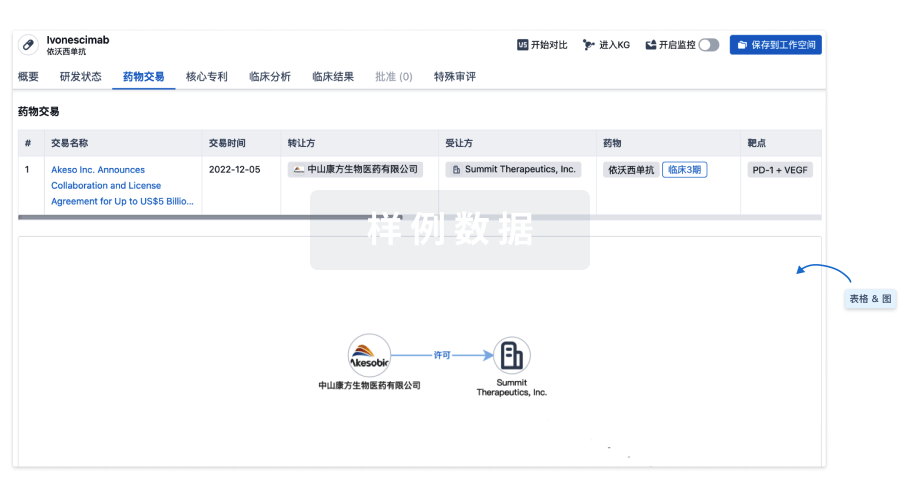
100 项与 IL-17A抑制剂 (C4XD) 相关的药物交易
登录后查看更多信息
研发状态
10 条进展最快的记录, 后查看更多信息
登录
| 适应症 | 最高研发状态 | 国家/地区 | 公司 | 日期 |
|---|---|---|---|---|
| 炎症 | 临床前 | 瑞士 | 2024-04-12 | |
| 炎症 | 临床前 | 英国 | 2024-04-12 |
登录后查看更多信息
临床结果
临床结果
适应症
分期
评价
查看全部结果
| 研究 | 分期 | 人群特征 | 评价人数 | 分组 | 结果 | 评价 | 发布日期 |
|---|
No Data | |||||||
登录后查看更多信息
转化医学
使用我们的转化医学数据加速您的研究。
登录
或
药物交易
使用我们的药物交易数据加速您的研究。
登录
或
核心专利
使用我们的核心专利数据促进您的研究。
登录
或
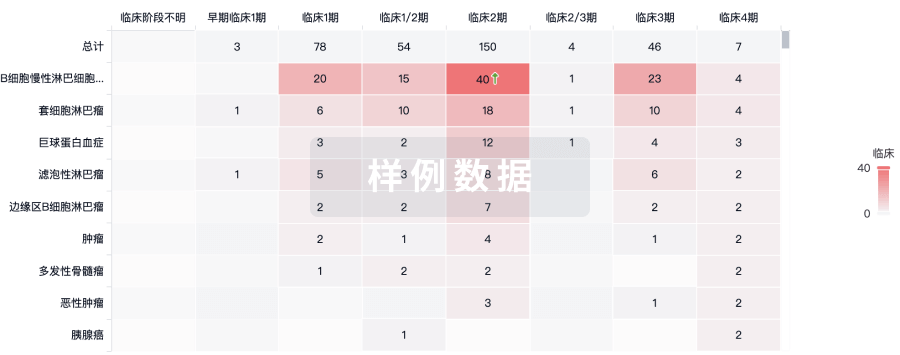
临床分析
紧跟全球注册中心的最新临床试验。
登录
或
批准
利用最新的监管批准信息加速您的研究。
登录
或
特殊审评
只需点击几下即可了解关键药物信息。
登录
或
芽仔
全新生物医药AI Agent 覆盖科研全链路,让突破性发现快人一步
立即开始免费试用!
智慧芽新药情报库是智慧芽专为生命科学人士构建的基于AI的创新药情报平台,助您全方位提升您的研发与决策效率。
立即开始数据试用!
智慧芽新药库数据也通过智慧芽数据服务平台,以API或者数据包形式对外开放,助您更加充分利用智慧芽新药情报信息。
生物序列数据库
生物药研发创新
免费使用
化学结构数据库
小分子化药研发创新
免费使用