预约演示
更新于:2026-08-01
Lycorine
更新于:2026-08-01
概要
基本信息
结构/序列
分子式C16H17NO4 |
InChIKeyXGVJWXAYKUHDOO-DANNLKNASA-N |
CAS号476-28-8 |
关联
100 项与 Lycorine 相关的临床结果
登录后查看更多信息
100 项与 Lycorine 相关的转化医学
登录后查看更多信息
100 项与 Lycorine 相关的专利(医药)
登录后查看更多信息
1,114
项与 Lycorine 相关的文献(医药)2026-12-01·Molecular & general genetics : MGG
Exploratory identification of lycorine as a potential inhibitor of the ACP2/YME1L1 prognostic axis in esophageal squamous cell carcinoma: a multi-omics and computational hypothesis
Article
作者: Wang, Yalin ; Zhang, Junpeng ; Chen, Fang ; Xu, Ying ; Cheng, Jian
Esophageal squamous cell carcinoma (ESCC) continues to pose significant therapeutic challenges due to its aggressive behavior and suboptimal outcomes. The mitochondrial unfolded protein response (MUPR) pathway has emerged as a potential contributor to tumor progression, yet its role in ESCC prognosis and therapy remains insufficiently characterized. This study therefore seeks to systematically identify MUPR-associated prognostic genes in ESCC and to evaluate their potential as targets for therapeutic intervention. This study analyzed public databases to correlate MUPR pathway genes with ESCC prognosis, identifying YME1L1 and ACP2. These genes were used to construct a prognostic risk model, and single-cell RNA sequencing (scRNA-seq) was employed to determine their cellular expression patterns. Furthermore, the expression levels of the identified genes were experimentally validated in human ESCC cell lines using Reverse Transcription-quantitative PCR (RT-qPCR). Subsequently, the potential of these genes as drug targets was assessed. Following computational screening, lycorine emerged as a promising candidate. Rather than relying solely on molecular docking, this study performed molecular dynamics (MD) simulations to assess the stability of the binding interactions over time. The prognostic model was able to stratify patients into high- and low-risk groups that showed significantly different survival outcomes. At the cellular level, YME1L1 and ACP2 exhibited pronounced activity in B cells and neutrophils. RT-qPCR analysis demonstrated a significant downregulation of YME1L1 and ACP2 in ESCC cell lines compared to normal esophageal epithelial cells (P < 0.05), demonstrating high concordance between our bioinformatics predictions and experimental evidence. The drug screening identified lycorine as a promising candidate, with a predicted binding energy of − 9.0 kcal/mol to ACP2. MD simulations demonstrated the stability of these interactions: both the ACP2-lycorine and YME1L1-lycorine complexes remained stable throughout the simulation period, maintaining their structural integrity and key hydrogen bonds. This study identified ACP2 and YME1L1 as a novel prognostic signature in ESCC, supported by preliminary transcriptional validation, and proposed the natural compound lycorine as a computational candidate for inhibiting this axis. Our work established a conceptual link between prognostic biomarkers and a candidate therapeutic, providing a computationally derived rationale for future experimental and translational studies in ESCC. Further investigations are warranted to validate lycorine’s efficacy in vivo and to explore its potential synergy with existing therapies, with the ultimate goal of improving clinical outcomes.
2026-09-01·BIOORGANIC CHEMISTRY
Structure-activity relationship of lycorine scaffolds reveals translation inhibition as a determinant of broad-spectrum antiviral activity
Article
作者: Lamichhane, Basanta ; Berthoux, Lionel ; Evidente, Antonio ; Paswan, Ricky Raj ; Hashemian, S Mahsa ; Regis, Marcia ; Goncalves Dos Santos, Karen Cristine ; Boudreau, Katryna ; Pernet, Erwan ; Belem Martins, Luan Letieri ; Desgagne-Penix, Isabel ; Ngoc, Ha Pham ; Merindol, Natacha
Viral infections caused by Lentiviruses, Betacoronaviruses, and Orthoflaviviruses result in substantial global morbidity and mortality, underscoring the need for additional antiviral agents. The Amaryllidaceae alkaloid lycorine exhibits potent broad-spectrum antiviral activity but is limited by cytotoxicity. Although prior structure-activity relationship (SAR) studies have explored lycorine modifications against individual viruses, no comparative evaluation across distinct viral families has been reported. Here, we evaluated 12 lycorine derivatives against three representative RNA viruses, HIV-1, HCoV-OC43, and DENV-2, alongside mechanistic and safety profiling. Lycorine, evaluated as both free base and hydrochloride salt, did not inhibit HIV-1 at non-cytotoxic concentrations, whereas anhydrolycorine, not previously described as an antiviral agent, selectively inhibited HIV-1 (EC₅₀ = 11 μM, selectivity index (SI) > 10). Lycorene (EC₅₀ = 0.3 μM), lycorine-2-one (EC₅₀ = 1.4 μM), and 1-monoacetyllycorine (EC₅₀ = 1.4 μM) inhibited HCoV-OC43 with lower cytotoxicity than lycorine (EC₅₀ = 1 μM, SI = 78). Against DENV-2, lycorine and lycorene retained submicromolar potency. A cell-free translation assay revealed that lycorine and lycorene potently inhibited both general eukaryotic and DENV-2 viral RNA translation at concentrations consistent with their antiviral EC₅₀ values, whereas RNA-dependent RNA polymerase (RdRp) inhibition of IFN-type I production did not correlate with cellular antiviral potency. Metabolic profiling indicated that the derivatives decreased the glycolysis-to-oxidative phosphorylation ratio in primary macrophages, consistent with a host-directed metabolic mechanism. SAR analysis identified C1/C2 hydroxyl modifications, C-ring flexibility, and protonation state as key determinants of both potency and selectivity across viral targets. These findings provide a SAR framework across three viral families for optimizing lycorine-based broad-spectrum antivirals.
2026-07-01·BIOCHEMICAL PHARMACOLOGY
Lycorine protects against inflammatory hemorrhagic skin injury via suppression of neutrophil-driven NADPH oxidase activation
Article
作者: Zhong, Yuwen ; Li, Huixing ; Shen, Lisong ; Zhang, Yaoshuai ; Song, Yunduan ; Qian, Feng ; Li, Wen ; Yang, Junyao
Lycorine (LYC) , an alkaloid derived from Amaryllidaceae plants, exhibits broad biological activities, including anti-inflammatory, antiviral, and antitumor effects. However, its role in inflammatory hemorrhagic skin diseases and whether LYC modulate Nicotinamide Adenine Dinucleotide Phosphate(NADPH)oxidase activation remain unclear. In this study, we demonstrate that LYC dose-dependently alleviates lipopolysaccharide (LPS) and tumor necrosis factor-α (TNF-α) co-induced hemorrhagic inflammation in a murine Local Shwartzman Reaction (LSR) model. LYC treatment markedly reduced cutaneous hemorrhage, neutrophil accumulation, and inflammatory cytokine production. Neutrophil depletion with an anti-Ly6G antibody similarly mitigated skin injury, confirming neutrophils as the key effector cells driving tissue damage. We discovered that LYC inhibited neutrophil migration, reactive oxygen species(ROS)generation, and the formation of neutrophil extracellular traps (NETs). When neutrophils were stimulated by complement component C5a or TNF-α, LYC effectively suppressed AKT and p38 MAPK phosphorylation. Moreover, LYC directly bound to p47phox, a cytosolic subunit critical for NADPH oxidase activation, thereby reducing its phosphorylation and membrane translocation and inhibiting ROS production. LYC alleviates inflammatory hemorrhagic skin injury by targeting p47phox to suppress neutrophil ROS generation and NETs formation, suggesting its potential as a therapeutic candidate for infection-associated hemorrhagic disorders.
2
项与 Lycorine 相关的新闻(医药)2026-04-27
面对新冠病毒持续变异带来的挑战,开发广谱、安全、机制新颖的抗病毒药物仍是全球抗疫的重要方向。近日,中国医学科学院医学生物学研究所、药物研究所与医学实验动物研究所等研究团队携手合作,在《MedComm》期刊上发表了一项研究成果:团队从植物天然产物Lycorine出发,设计合成了一系列衍生物,并从中筛选出候选化合物 “化合物7”。该化合物能通过靶向宿主细胞内的锌指抗病毒蛋白(ZAP),有效阻断新冠病毒复制所必需的 “-1程序性核糖体移码(-1PRF)” 过程,对新冠病毒及多种变异株均表现出抑制活性。
化合物7:高效低毒的广谱抗病毒衍生物
化合物7在体外实验中,对SARS-CoV-2原始毒株及其Alpha、Beta、Delta、Omicron等多种变异株均表现出显著的抑制作用,且其选择性指数(SI)显著高于先导化合物Lycorine,意味着化合物7具有良好的抗病毒潜力。此外,在新冠病毒感染的仓鼠模型中,化合物7不仅显著降低了肺部病毒载量,还有效减轻了肺组织病理损伤,进一步验证了其体内抗病毒效果。
破解“移码”机制,阻断病毒复制
新冠病毒通过一种称为“-1程序性核糖体移码” 的机制,使核糖体在翻译过程中发生移码,从而产生关键的RNA依赖的RNA聚合酶等蛋白。若这一过程受阻,病毒将无法有效复制。研究团队利用双荧光素酶报告系统等实验证实,化合物7能显著抑制新冠病毒的-1核糖体移码效率,且呈剂量依赖性。此外,化合物7对中东呼吸综合征冠状病毒(MERS-CoV)和SARS-CoV-1的移码过程也有抑制作用,提示其具有广谱抗冠状病毒的潜力。
靶向ZAP蛋白,阻断病毒复制
研究团队发现化合物7能够与 ZAP蛋白 发生直接相互作用。ZAP是一种干扰素诱导产生的宿主抗病毒蛋白,其短亚型 ZAP-S 此前已被报道可通过结合新冠病毒的移码刺激元件来抑制-1核糖体移码。研究团队证实化合物7直接与ZAP-S结合,显著增强了ZAP-S的热稳定性。进一步通过分子对接和氨基酸定点突变,确定了ZAP-S上的 E111、E115和F549 三个氨基酸残基是化合物7结合的关键位点。功能实验表明,当敲低细胞中ZAP-S的表达后,化合物7的抗病毒效果几乎消失;而过表达野生型ZAP-S则能增强其疗效,但过表达缺陷突变体则无此效果。这充分证明,化合物7的抗病毒作用依赖于ZAP-S。
意义与展望
化合物7通过增强宿主因子ZAP-S的稳定性来抑制病毒-1核糖体移码,这一创新策略为抗病毒药物研发开辟了新的路径。由于化合物7靶向的是病毒复制过程中高度保守的环节,因此该化合物有望对未来可能出现的新冠病毒变异株乃至其他冠状病毒保持持续的活性。尽管化合物7在展现出了显著的抗病毒潜力,但仍需进一步的实验来评估其药代动力学特性和长期毒性等,其临床应用仍需进一步深入研究。
2026-04-10
本期内容聚焦于2026年4月1日至4月8日的中医基础研究研究动态,精心筛选并汇总了多项具有代表性的前沿研究进展。为了方便读者更好地把握研究方向,我们将这些文献进行分类整理,力求呈现一个系统、全面的研究概览。 本文汇总了中医基础研究领域的最新高影响力研究,涵盖药物开发、治疗策略、诊断技术及基础机制。
发表在《Pharmacological Research》上的文章详尽综述了Medicarpin这一传统中医异黄酮化合物的临床前研究进展,揭示其在抗癌、骨保护和神经保护等多种疾病中的潜在药理活性,为未来临床转化提供了科学依据。
《International Journal of Biological Sciences》报道了一项创新研究,构建了药食同源数据库并利用网络药理学方法,发现饮食中高果糖通过EREG-EGFR信号轴促进结肠炎相关结直肠癌的发展,而昆布中的活性成分二克醇通过调控CNBP发挥抗炎抗肿瘤作用,提示基于食物的干预策略在慢性疾病防治中的重要价值。
《Phytomedicine》发表的研究揭示芍药苷能通过抑制下丘脑室旁核的过度炎症激活,调节EGFR/PI3K/AKT信号通路,有效缓解睡眠剥夺引发的焦虑样行为,展示了其作为睡眠相关精神障碍治疗新候选药物的潜力。
《Chin Med》介绍了基于人工智能的TCMNet平台,该系统结合大型语言模型和加权蛋白质互作网络,成功优化中药方剂设计并识别出帕金森病的关键活性成分,推动了传统中医药现代化与精准药物开发。
《Phytomedicine》另一篇综述系统总结了传统中医药通过多条信号通路诱导肝细胞癌铁死亡的研究进展,强调了铁死亡作为肝癌治疗新靶点的潜力,为中医药抗肝癌策略的发展提供了理论支持。
整体研究为中医基础研究的个性化治疗和精准管理提供了重要理论基础和临床指导。
药物类:
1.Pharmacol Res(IF:10.5):Medicarpin的临床前证据及其临床转化前景;
2.Int J Biol Sci(IF:10.0):通过膳食靶向CNBP调控EREG-EGFR级联反应恢复结肠炎相关结直肠癌的稳态;
3.Phytomedicine(IF:8.3):芍药苷通过抑制下丘脑室旁核炎症缓解雄性小鼠睡眠剥夺引发的类焦虑行为;
4.Phytother Res(IF:6.3):中药黄酮改善代谢性肝病的作用机制与研究进展;
5.Chin Med(IF:5.7):TCMNet:一种基于人工智能的中药优化策略;
6.Chin Med(IF:5.7):四川花椒(Zanthoxylum bungeanum Maxim.)通过抑制病毒入侵及损伤自溶酶体积累抑制人冠状病毒OC43感染;
7.J Ethnopharmacol(IF:5.4):石蒜碱通过增强MDA5依赖性I型干扰素反应减轻IBV诱导的致病性;
8.J Ethnopharmacol(IF:5.4):基于化学计量学与药理学的何首乌炮制减毒效应综合评价;
9.Front Pharmacol(IF:4.8):中药靶向HDACs在类风湿关节炎中的机制与治疗潜力;
10.Front Pharmacol(IF:4.8):天然产物及中药复方在ADHD中的分子机制与治疗潜力:临床前证据综述;
11.Comput Biol Chem(IF:3.1):网络药理学与生物信息学揭示柴胡在多发性硬化中的多靶点神经保护机制:CASP8、HSP90AA1、CDK4及MDM2;
12.J Mol Graph Model(IF:3.0):基于3D-CNN对接及机器学习共识的中药单体WRN解旋酶抑制剂发现;
13.J Clin Lab Anal(IF:2.9):大规模中药筛选揭示2型糖尿病管理的潜在PPARγ调节剂;
治疗类
1.Phytomedicine(IF:8.3):传统中药在肝癌铁死亡中的作用:聚焦信号通路;
2.J Ethnopharmacol(IF:5.4):中药治疗抗精神病药物相关高泌乳素血症:民族药理基础、机制解析与网络药理学视角的综述;
3.J Ethnopharmacol(IF:5.4):MRTF-A在巨噬细胞极化中的调控作用及补肾温阳化瘀汤治疗子宫内膜异位症的机制研究;
4.Front Pharmacol(IF:4.8):长期使用中药与精神分裂症代谢综合征发生率的关系:一项回顾性队列研究;
5.Front Pharmacol(IF:4.8):天然药物调控MAPK:肝纤维化治疗的靶点与策略;
6.Front Pharmacol(IF:4.8):中药贴膏联合手法治疗腰椎间盘突出症的临床疗效:前瞻性、随机、双盲、安慰剂对照试验;
7.J Mater Sci Mater Med(IF:4.5):仿生骨支架功能化中药成分及胶原结合IGF-1用于骨再生;
8.Front Aging(IF:4.3):靶向固有免疫调控骨代谢:骨质疏松治疗的新策略;
9.J Inflamm Res(IF:4.1):火龙罐联合无创通气对合并低氧血症COPD患者肺功能及炎症反应的协同效应:单中心回顾性研究;
10.Front Med (Lausanne)(IF:3.0):中医药综合管理缺血性脑卒中的新探索;
11.Front Med (Lausanne)(IF:3.0):中药多靶点保护感音神经性听力损失:聚焦氧化应激、凋亡与炎症;
12.Front Med (Lausanne)(IF:3.0):全球中医药治疗非酒精性脂肪性肝病研究的知识图谱分析(2000-2024);
13.Front Med (Lausanne)(IF:3.0):腹腔镜术后恢复常用耳穴模式的数据挖掘系统评价;
14.Front Med (Lausanne)(IF:3.0):益脾化痰中药治疗慢性阻塞性肺疾病气道黏液高分泌的Meta分析;
15.Infect Drug Resist(IF:2.9):中医药整合策略治疗儿童难治性支原体肺炎:临床挑战、机制及循证见解;
手术类:
近期在该领域未有新的文章,敬请期待
诊断类:
近期在该领域未有新的文章,敬请期待
其他类:
近期在该领域未有新的文章,敬请期待
药物类:
1. Medicarpin的临床前证据及临床转化前景
期刊名称:Pharmacol Res
影响因子:10.5
JCR分区:Q1
作者:Lingjie Kong(一作),Zhenhui Lu(通讯)
单位:上海中医药大学龙华医院呼吸病研究所
DOI:https://doi.org/10.1016/j.phrs.2026.108183
摘要:Medicarpin(MED)是一种来源于传统中医的异黄酮化合物。大量初步实验研究表明,MED在治疗癌症、骨质疏松、骨关节炎、阿尔茨海默病、关节炎等疾病中具有显著药理作用,但其临床应用尚未报道。本文综述了MED的药剂学、药效学、药理学、药代动力学、临床研究及毒理学的初步实验研究。系统评估了MED的化学合成与生物合成、生物活性、作用机制、生物利用度及临床研究,以明确其安全性、有效性及药物潜力,促进MED的理解及临床转化应用。
总结:Medicarpin是一种传统中医来源的异黄酮,其在多种疾病模型中展现出良好的药理活性,如抗癌、骨保护和神经保护等。尽管已有丰富的临床前研究,尚未开展临床试验。本文系统整理了其药理作用及机制,强调了其安全性和药物开发潜力,为未来临床应用奠定基础,具有重要的转化医学价值。
2. 饮食靶向CNBP以抑制EREG-EGFR通路并恢复结肠炎相关结直肠癌的稳态
期刊名称:Int J Biol Sci
影响因子:10.0
JCR分区:Q1
作者:Tao Zhang(一作),Yang Sun(通讯)
单位:国家药物生物技术重点实验室暨南京鼓楼医院,南京大学生命科学学院、化学与生物医学创新中心,中国江苏省南京市仙林大道163号,邮编210023
DOI:https://doi.org/10.7150/ijbs.128354
摘要:新兴证据表明高果糖饮食与不良健康结果相关,但其在结肠炎相关结直肠癌(CAC)中的作用尚未充分探讨。本文通过AOM/DSS诱导的CAC模型,证明高果糖摄入加剧肠道炎症并显著促进肿瘤发生,机制涉及EREG-EGFR信号轴的激活。研究构建了包含112种药食同源中药及其成分的Food∩TCM数据库,利用网络药理学平台筛选出昆布及其活性成分褐藻糖胶和二克醇作为潜在饮食干预剂。发现二克醇靶向RNA/DNA结合蛋白CNBP,传统上CNBP被认为是促炎基因表达的正调控因子,但本研究显示其在炎症条件下增强核定位并抑制Ereg转录。果糖促进炎症成纤维细胞中EREG的O-GlcNAc修饰稳定及分泌,助推肿瘤进展。综上,研究揭示了饮食果糖在CAC中的促瘤效应并强调CNBP在限制Ereg表达中的关键作用,支持将基于食物的策略纳入慢性病预防,并推动昆布衍生化合物作为安全的长期饮食剂用于CAC管理。
总结:该研究通过构建药食同源数据库及网络药理学方法,揭示高果糖饮食通过EREG-EGFR信号轴促进结肠炎相关结直肠癌的发展,发现二克醇通过调控CNBP核定位抑制促炎基因,从而发挥抗炎肿瘤作用。果糖促进EREG的修饰和分泌,加剧肿瘤进展。研究强调食物干预在慢性疾病防治中的重要性,昆布及其成分或可作为安全、有效的长期膳食干预剂,提供新的结直肠癌预防和治疗策略。
3. 芍药苷通过抑制下丘脑室旁核炎症缓解睡眠剥夺雄性小鼠焦虑样行为
期刊名称:Phytomedicine
影响因子:8.3
JCR分区:Q1
作者:Hengxin Gong(一作),Kun Zhang(通讯)
单位:第四军医大学药学院药理学系,西安,710032;第四军医大学唐都医院药学部精准药学与药物开发中心,西安,710038,中国
DOI:https://doi.org/10.1016/j.phymed.2026.158111
摘要:[背景] 失眠是全球重要的健康问题,严重影响身心健康。芍药苷(PF)为传统中药白芍中的活性成分,近年来在精神疾病治疗中受到关注。
[目的] 本研究旨在评估PF对睡眠剥夺(SD)小鼠焦虑样行为、体重变化及炎症因子的影响,确定最佳治疗剂量,并探究其作用机制。
[方法] 将雄性C57BL/6小鼠分为6组:对照组、SD+生理盐水组、SD+15/30/60 mg/kg PF组及SD+0.5 mg/kg地西泮组。PF通过腹腔注射给予。采用c-Fos免疫荧光及化学遗传学定位PF作用脑区,结合网络药理学、分子对接与分子动力学模拟预测及验证PF靶点,最终用Western blot验证。
[结果] PF有效减轻SD小鼠焦虑样行为,机制涉及抑制下丘脑室旁核(PVN)过度激活,纠正表皮生长因子受体(EGFR)/磷脂酰肌醇3激酶(PI3K)/蛋白激酶B(AKT)信号通路异常磷酸化及减轻神经炎症反应。
[结论] PF通过多靶点调控PVN活动、EGFR/PI3K/AKT信号通路及炎症,缓解睡眠剥夺诱导的焦虑,具有潜在的治疗价值。
总结:本研究发现芍药苷能显著缓解睡眠剥夺雄性小鼠的焦虑样行为,主要通过抑制下丘脑室旁核的过度激活、调节EGFR/PI3K/AKT信号通路异常以及降低炎症反应,实现多靶点治疗效果。该研究不仅明确了PF的最佳剂量,还结合多种技术手段揭示其作用机制,为睡眠相关精神障碍的治疗提供了新思路。
4. 传统中药黄酮改善代谢性肝病的作用机制及研究进展
期刊名称:Phytotherapy Research
影响因子:6.3
JCR分区:Q1
作者:Xuehui Tao(一作),Kangyu Wang(通讯)
单位:长春中医药大学药学院
DOI:https://doi.org/10.1002/ptr.70298
摘要:代谢性肝病严重影响机体健康,通常表现为非酒精性脂肪肝病(MAFLD)。MAFLD是一种以肝细胞内脂肪过度沉积为特征的代谢应激紊乱,已成为全球最常见的慢性疾病,有效治疗成为当代医学的紧迫问题。MAFLD的发病机制涉及糖脂代谢紊乱、氧化应激、内质网应激、肠肝轴及肠道菌群等。中药复方具有广泛的药理活性,大量临床及中药研究证实,中药黄酮能多层面影响MAFLD的发展,展现出抗MAFLD药物的巨大潜力。本文综述了中药黄酮改善MAFLD的研究进展及作用机制,重点整理了18种中药总黄酮提取物和28种黄酮单体对MAFLD的预防治疗作用及机制,提出了结构改造方向,促进MAFLD药物的研发,提供理论基础。
总结:本文系统回顾了中药黄酮在改善代谢性肝病(MAFLD)中的研究进展,指出MAFLD是一种复杂的代谢性疾病,涉及多种病理机制。中药黄酮通过调节糖脂代谢、减轻氧化应激和调节肠道菌群等多重途径发挥作用,显示出显著的治疗潜力。文章还总结了多种中药总黄酮和单体黄酮的作用效果及机制,提出通过结构优化推动相关药物的开发,为MAFLD的治疗提供了重要的理论支持和方向。
5. TCMNet:一种基于人工智能的中药优化策略
期刊名称:Chin Med
影响因子:5.7
JCR分区:Q1
作者:Shuoyan Tan(一作),Xiaohui Fan(通讯)
单位:浙江大学药学院药物信息研究所,中国中药现代化国家重点实验室,杭州,310058
DOI:https://doi.org/10.1186/s13020-026-01360-w
摘要:
【背景】人工智能(AI),尤其是大型语言模型(LLMs),为系统建模传统中医(TCM)的复杂性提供了强大工具。为克服主观方剂设计和无权重靶点优先排序的局限,我们开发了TCMNet,一种集成LLM辅助疾病知识挖掘、蛋白质-蛋白质相互作用(PPI)网络及深度学习结合预测的AI策略,支持中药方剂评价和活性成分鉴定。
【方法】TCMNet结合AI引导的文献分析和加权PPI网络评价。以帕金森病(PD)为案例,采用TCM特定LLM“TCMChat”从中英文献中语义加权提取疾病相关蛋白靶点,结合药材成分比例、化合物丰度和化合物-蛋白相互作用概率,生成加权的药材相关蛋白权重,并整合至PPI网络。系统评估了四个经典中药方剂、临床优化的平澄颗粒(PCG)、其与西药左旋多巴的联合用药及单一药材银杏叶。通过靶点覆盖、Jaccard相似度和加权邻近度等网络指标评估治疗相关性,统计学用Z分数衡量显著性。利用深度学习方法Boltz-2预测药材化合物与优先PD蛋白的结合概率,验证关键活性成分。
【结果】加权邻近度指标显著优于无权重指标,体现节点权重整合的优势。四个方剂中天麻钩藤饮在靶点覆盖和网络邻近度表现最佳,符合文献报道。对平澄颗粒的计算验证显示TCMNet准确捕捉方剂优化的治疗保留性。中西医结合用药显示显著增强的网络邻近度,支持联合治疗合理性。案例研究发现银杏叶中的黄酮类和异黄酮类为主要抗PD活性成分,Boltz-2预测显示黄酮类化合物对关键PD蛋白结合概率和亲和力显著高于非黄酮类,验证了TCMNet结果。
【结论】通过结合LLM指导的靶点识别与节点加权评估,TCMNet提出了一种新的AI驱动中药优化策略,可用于方剂评价与优化及活性成分鉴定,推动中药现代化研究。
总结:本文提出了TCMNet,一种结合大型语言模型辅助的疾病知识挖掘、加权蛋白互作网络和深度学习结合预测的AI策略,用于中药方剂的系统评价和活性成分识别。以帕金森病为例,TCMNet能有效整合文献数据和分子信息,优化方剂设计并验证了中西医结合的优势。银杏叶中的黄酮类成分被识别为主要活性物质,深度学习结果支持了模型预测。该方法为传统中医现代化和精准药物开发提供了创新工具。
6. 花椒(Zanthoxylum bungeanum Maxim.)抑制人类冠状病毒OC43感染的机制研究:通过阻断病毒进入及干扰自噬溶酶体积累实现抗病毒作用
期刊名称:Chin Med
影响因子:5.7
JCR分区:Q1
作者:Hyeonjeong Park(一作),Sunoh Kwon(通讯)
单位:Korean Medicine Convergence Research Division, Korea Institute of Oriental Medicine, Daejeon, 34054, Republic of Korea
DOI:https://doi.org/10.1186/s13020-026-01388-y
摘要:[背景] 花椒(Zanthoxylum bungeanum Maxim.)干燥果皮是传统中医的重要草药,主要用于治疗胃肠疾病及促进血液循环。现代研究发现其具有抗炎和抗肿瘤活性。本研究探讨其30%乙醇提取物对人类冠状病毒OC43(HCoV-OC43)的抗病毒效果及作用机制。[方法] 通过病毒诱导的细胞病变效应抑制试验、qRT-PCR、免疫印迹和免疫荧光检测病毒RNA和蛋白表达。采用时间依赖添加、病毒吸附、侵入和灭活实验分析作用阶段。利用多种染色评估自噬流及溶酶体功能。通过UPLC-Q-TOF-MS鉴定活性成分。[结果] 提取物IC50为284.1±44.0 µg/mL,有效降低病毒RNA和蛋白表达,主要阻断病毒早期进入阶段,并通过诱导自噬溶酶体积累阻断病毒诱导的自噬流,活性成分包括羟基-α-山椒辣素和对羟基肉桂酸。[结论] 结果表明花椒提取物具有作为新型抗冠状病毒药物的潜力。
总结:本研究首次揭示了花椒(Zanthoxylum bungeanum Maxim.)30%乙醇提取物对人类冠状病毒OC43的显著抑制作用,主要通过阻断病毒的早期进入步骤以及干扰病毒诱导的自噬溶酶体积累,进而抑制病毒复制。两种主要活性成分羟基-α-山椒辣素和对羟基肉桂酸被鉴定为抗病毒关键物质,提示花椒提取物可作为开发抗冠状病毒新药的潜在来源。
7. Lycorine缓解传染性支气管炎病毒(IBV)引发的病理损伤,通过增强MDA5依赖的I型干扰素反应
期刊名称:J Ethnopharmacol
影响因子:5.4
JCR分区:Q1
作者:Mengjiao Huang(一作),Mengjiao Huang(通讯)
单位:河南理工大学医工学院
DOI:https://doi.org/10.1016/j.jep.2026.121614
摘要:石蒜(Lycoris radiata)球茎在中医中常用以清热解毒、祛痰,治疗咽喉炎症、脓肿和溃疡。其主要活性生物碱Lycorine对禽呼吸道冠状病毒——传染性支气管炎病毒(IBV)的抗病毒作用尚未明确。本研究通过体外鸡胚成纤维细胞(DF-1细胞)和特定病原无菌鸡模型评估Lycorine盐酸盐的抗IBV活性及免疫调节机制。结果显示Lycorine盐酸盐体外EC50为0.1055μM,选择指数高达534,安全性优良;体内口服用药明显减轻临床症状,降低病毒排放,防止气管及肾脏病理损伤。机制研究表明其通过激活MDA5介导的I型干扰素信号通路,增强机体抗病毒免疫监视,分子对接提示Lycorine可能直接作用病毒nsp2蛋白,表现出限制病毒复制与免疫增强的双重机制。
总结:本研究首次证明Lycorine盐酸盐对IBV具有显著抗病毒效果,且通过激活MDA5依赖的I型干扰素路径增强宿主免疫,兼具直接抑制病毒与免疫调节双重作用,为石蒜传统用药治疗传染病提供了现代药理学证据,显示其作为禽传染性支气管炎病毒治疗新药的潜力。
8. 多次加工对何首乌肝毒性减轻的综合化学计量学和药理学评价
期刊名称:J Ethnopharmacol
影响因子:5.4
JCR分区:Q1
作者:Meng-Yuan Zhang(一作),Fei Li(通讯)
单位:国家天然药物工程技术研究中心,中国药科大学,南京,211198;新疆医科大学第二临床医学院,克拉玛依 834000
DOI:https://doi.org/10.1016/j.jep.2026.121622
摘要:何首乌为传统中药,生品具泻下和肝毒性,加工后如“九蒸九晒”能减轻毒性并增强补血滋阴效能。本研究采用高效液相色谱建立不同加工次数(0、3、6、9次)的化学指纹图谱,结合斑马鱼肝损伤、肠蠕动、贫血和免疫抑制模型,系统比较生品与加工品的毒性及功效差异。结果显示生品明显肝毒且泻下作用强,加工品肝毒性减轻,补血及免疫增强效果显著。谱效关系分析确认蒽醌类成分(大黄素、芦荟大黄素及其苷类)与肝毒和泻下相关,而2,3,5,4'-四羟基二苯乙烯苷与生血作用相关。网络药理学和分子对接揭示了雌激素受体1等多靶点参与肝损伤机制。加工通过降低有害成分含量,调节靶点网络从毒性向滋补转变,为传统“生首乌泻下,加工首乌补益”理论提供科学依据。
总结:该研究系统揭示了何首乌加工减少肝毒性、增强补血免疫效应的化学和生物学机制。通过高效液相色谱和斑马鱼模型,明确了不同加工周期对化学成分和毒理活性的影响,鉴定了关键活性物质及其作用靶点。加工减少有毒蒽醌类成分,转变作用网络,有效验证了传统中药加工的科学价值。该方法学结合谱效关系和网络药理学,为中药安全性和功效优化提供了新思路。
9. 传统中医药靶向HDACs:机制及其在类风湿关节炎中的治疗潜力
期刊名称:Front Pharmacol
影响因子:4.8
JCR分区:Q1
作者:Caiwen Sun(一作),Shaowa Lv(通讯)
单位:黑龙江中医药大学北药基础与应用研究重点实验室
DOI:https://doi.org/10.3389/fphar.2026.1765295
摘要:类风湿关节炎(RA)是一种复杂的自身免疫疾病,病理机制涉及表观遗传异常,其中组蛋白去乙酰化酶(HDACs)通过调节组蛋白乙酰化、免疫功能和骨代谢发挥亚型特异性致病或保护作用。虽然HDAC调节剂(抑制剂/激活剂)在RA治疗中显示潜力,但现有单靶点药物受限于亚型选择性差、副作用和多通路病理调控不足。此外,自然产物中常见的泛试验干扰化合物需严格验证以避免假阳性。本综述聚焦传统中药代谢物作为HDAC调节剂,系统总结其在RA治疗中的最新进展,涵盖抑制剂、激活剂及双重调节剂及其亚型机制和结构基础。中药调节剂通过多靶点协同作用抑制滑膜炎症、成纤维样滑膜细胞增殖、免疫失衡和骨破坏。但临床转化受限于缺乏充分临床数据、中药标准化不一致及药代动力学研究不足。该综述架起传统植物药与现代表观遗传药物开发的桥梁,未来研究应重点推进临床验证、标准制剂及机制细化以促进临床应用。
总结:该综述文章介绍了类风湿关节炎中组蛋白去乙酰化酶(HDACs)的关键作用及其作为治疗靶点的潜力,特别强调了传统中药来源的HDAC调节剂在多病理环节协同治疗RA的优势。当前单靶点HDAC药物存在选择性和安全性不足的问题,而中药代谢物因其多靶点特性和复合作用显示出更优的治疗前景。尽管如此,中药调节剂的临床应用仍面临标准化、临床数据和药代动力学等挑战。文章呼吁加强临床验证和机制研究,以推动中药HDAC调节剂在RA治疗中的转化发展。
10. ADHD中天然产物和传统中药处方的分子机制及治疗潜力:前临床证据综述
期刊名称:Front Pharmacol
影响因子:4.8
JCR分区:Q1
作者:Han Deng(一作),Ning Weng(通讯)
单位:山东大学山东省精神卫生中心中医科
DOI:https://doi.org/10.3389/fphar.2026.1766222
摘要:注意缺陷多动障碍(ADHD)是一种常见的神经发育疾病,表现为注意力不集中、多动和冲动。尽管现有药物治疗对许多患者有效,但临床应用常受疗效不足、副作用及长期耐受性和患者接受度等问题限制。因此,越来越多研究关注传统中药方剂及天然产物的治疗潜力,这些天然物被认为具有多靶点机制和整体调节作用。本文综述了近年前临床研究,重点介绍特定中药方剂和天然产物通过调节儿茶酚胺神经传递、促进神经发育与突触可塑性、减轻神经炎症及调控肠脑轴等多层次生物机制改善ADHD样行为的作用。同时指出目前研究存在依赖单一动物模型、缺乏药代动力学和转化研究等不足,最后讨论未来研究方向,为基于天然产物的ADHD干预开发提供新思路。
总结:本文综述了传统中药及天然产物在ADHD治疗中的多重分子机制,涵盖神经递质调节、神经发育促进、炎症缓解及肠脑轴调控,显示其潜在临床价值。当前研究多依赖单一动物模型,且缺少药代动力学数据,未来需加强多模型验证和临床转化研究,以推动天然产物在ADHD管理中的应用。
11. 芹菜根在多发性硬化中的多靶点神经保护机制研究:基于CASP8、HSP90AA1、CDK4和MDM2的网络药理学与生物信息学分析
期刊名称:Computational Biology and Chemistry
影响因子:3.1
JCR分区:Q1
作者:Md Jahed Rana(一作),Vetriselvan Subramaniyan(通讯)
单位:Department of Pharmacology, Jeffrey Cheah Sunway Medical School, Faculty of Medical and Life Sciences, Sunway University, Bandar Sunway, Selangor Darul Ehsan 47500, Malaysia; Global Research Cell, Dr. D. Y. Patil Dental College and Hospital, Sant Tukaram Nagar, Pimpri, Pune, India
DOI:https://doi.org/10.1016/j.compbiolchem.2026.109040
摘要:
【背景】多发性硬化(MS)是一种慢性自身免疫性中枢神经系统疾病,伴有脱髓鞘和神经炎症。目前治疗虽能降低复发风险,但对阻止疾病进展效果有限。传统中医药具有多靶点作用,芹菜根(Radix Bupleuri, RB)可用于调节免疫和炎症系统。
【方法】采用系统药理学筛选RB的生物活性成分,结合转录组和疾病数据库获得MS相关基因集,识别RB与MS的共同靶点并进行功能富集及网络药理学分析。通过GEO数据集验证关键靶点表达,分子对接评估RB成分与核心MS相关蛋白的相互作用。
【结果】确定12种RB活性成分,112个共同靶点。GO分析显示富集于磷酸化、激酶活性、细胞凋亡调控及免疫信号通路。网络分析筛选出CASP8、HSP90AA1、CDK4、CASP3、STAT3、AKT1和MDM2七个关键基因。对接显示cubebin、槲皮素、山柰酚、豆甾醇和异鼠李素与STAT3、AKT1、CASP3、CDK4及HSP90AA1结合优良。
【结论】CASP8、HSP90AA1、CDK4、CASP3、AKT1、STAT3及MDM2为RB治疗MS的核心靶点,多个RB化合物与这些蛋白相互作用,揭示潜在机制及治疗作用,为RB治疗MS的实验研究提供分子依据。
总结:该研究通过系统药理学和生物信息学方法揭示了传统中药芹菜根对多发性硬化的多靶点神经保护机制,发现其活性成分能作用于多个关键蛋白,包括CASP8、HSP90AA1、CDK4等,调节免疫和细胞凋亡相关路径,从而可能缓解疾病进展。研究为芹菜根的临床应用和后续实验提供了分子基础和新思路。
12. 通过3D-CNN分子对接和机器学习共识筛选中药单体发现WRN解旋酶抑制剂
期刊名称:J Mol Graph Model
影响因子:3.0
JCR分区:Q1
作者:Shu-Chi Cho(一作),Chung-Ta Lee(通讯)
单位:Department of Pathology, National Cheng Kung University Hospital, College of Medicine, National Cheng Kung University, No.1, University Road, Tainan City, 701, Taiwan, ROC
DOI:https://doi.org/10.1016/j.jmgm.2026.109376
摘要:
Werner综合征(WRN)解旋酶是具有微卫星不稳定性(MSI)癌症中的合成致死靶点,WRN抑制剂因此成为潜在的抗癌药物。本文采用结合深度学习分子对接和机器学习分类的计算机辅助药物设计流程,从2940种中药单体中筛选WRN抑制剂。首先依据Lipinski规则过滤化合物,利用GNINA深度学习框架的3D卷积神经网络识别与WRN D1/D2界面高亲和力候选分子,随后通过随机森林、XGBoost和支持向量机三种机器学习方法进行验证。最终选出okanin、北美防己酸(NDGA)和去甲基大豆苷元三种优选分子。长时间分子动力学模拟及MM/PBSA自由能计算显示,尽管去甲基大豆苷元初筛排名靠前,但其理论亲和力显著下降,显示筛选过程有效剔除假阳性;而NDGA表现出最佳的热力学稳定性,主要由范德华力和丰富的氢键驱动。结果表明,基于AI的虚拟筛选能助力现代化中药药物发现,NDGA为WRN靶向癌症治疗潜在先导化合物。
总结:
本研究利用深度学习3D-CNN分子对接结合多种机器学习模型,成功从中药单体库中筛选出针对WRN解旋酶的潜在抑制剂。通过分子动力学模拟验证,北美防己酸(NDGA)表现出优异的结合稳定性,显示其作为WRN抑制剂的潜力。该工作展示了AI辅助现代中药新药发现的有效策略,为WRN相关癌症治疗提供了新的先导化合物。
13. 大规模评估传统中药揭示潜在PPARγ调节剂用于2型糖尿病管理
期刊名称:J Clin Lab Anal
影响因子:2.9
JCR分区:Q2
作者:Mingyuan Dou(一作),Ning Wu(通讯)
单位:Department of Biological Sciences, School of Arts and Sciences, Southeastern Oklahoma State University, Durant, Oklahoma, USA
DOI:https://doi.org/10.1002/jcla.70215
摘要:[背景] 过氧化物酶体增殖物激活受体-γ(PPARγ)是调节葡萄糖和脂质稳态的重要核受体,是2型糖尿病(T2DM)的主要治疗靶点。尽管传统中药(TCM)具有治疗潜力,但其对PPARγ调节作用的大规模系统评估不足。[方法] 本研究建立了以pGL4.17-PPARγ启动子-荧光素酶报告系统为基础的高通量筛选平台,在293T细胞中评估了639个中药样品(345个单方,SF;294个复方,MF)。通过RT-qPCR、西方印迹和ELISA验证主要候选药物对PPARγ mRNA表达和蛋白含量的影响。[结果] 筛选发现139种中药能增强PPARγ活性,其中47个单方和2个复方有效率超过60%。25种为新发现的T2D候选药物,24种与文献报道一致。黄芪(S241)和葛根(S258)显著上调PPARγ转录和蛋白水平。相反,55种样品如马兜铃(S169)和巴黎多花(S3)表现出强烈抑制作用,降低有效率52%至99%。[结论] 本研究确定了45种新的中药候选用于T2D管理。尽管部分中药虽传统用于缓解糖尿病症状却抑制PPARγ,提示需全面评估其短期临床益处与长期代谢管理及潜在副作用的平衡。
总结:该研究通过高通量筛选系统评估了639种传统中药对PPARγ的调节作用,发现139种能激活PPARγ,其中包括黄芪和葛根等显著上调PPARγ表达的新候选药物,同时也发现55种中药抑制PPARγ活性。研究揭示了45种新型中药有潜力用于2型糖尿病治疗,强调需要权衡中药即时疗效与长期代谢影响,促进2型糖尿病的综合管理。
治疗类
1. 传统中医药在肝癌铁死亡中的作用:聚焦信号通路
期刊名称:Phytomedicine
影响因子:8.3
JCR分区:Q1
作者:Xing Yang(一作),Mingyi Shao(通讯)
单位:河南中医药大学第一附属医院
DOI:https://doi.org/10.1016/j.phymed.2026.158106
摘要:
【背景】原发性肝癌(PLC)是消化道最常见的恶性肿瘤之一,发病率和死亡率均很高。肝细胞癌(HCC)是PLC的主要类型,其发病机制复杂。传统中医药(TCM)作为辅助治疗手段被广泛应用,在HCC管理中显示出明确疗效。
【目的】本文总结了调控HCC细胞铁死亡的信号通路,并系统回顾了传统中医药活性成分与复方调控这些通路的研究,重点探讨其细胞毒作用。文章还讨论了HCC细胞逃避铁死亡的生存策略,包括肝星状细胞介导的保护机制,并分析了基于铁死亡的治疗在临床上的限制及潜在解决方案。
【方法】通过对PubMed、Embase、Web of Science和Scopus数据库进行全面文献检索,筛选2021年1月至2025年10月期间有关“肝细胞癌”、“铁死亡”、“信号通路”、“传统中医药”等关键词的研究,共纳入39篇文献,其中33篇涉及中医药活性成分,1篇涉及中医药提取物,5篇涉及中药复方。
【结果】中医药活性成分及复方通过调控信号通路促进HCC细胞铁死亡,抑制肿瘤细胞增殖、侵袭和转移,促进凋亡,提高化疗敏感性,改善葡萄糖代谢,降低药物耐受性。
【结论】传统中医药可通过多条信号通路、多靶点和多机制诱导HCC细胞铁死亡,展现出治疗优势,为新型铁死亡诱导剂的开发提供理论指导。
总结:
该综述系统整合了近年来传统中医药在调控肝细胞癌铁死亡中的研究进展,明确了多种信号通路在其中的关键作用,且首次全面评述了中医药活性成分及复方如何通过这些通路发挥抗肝癌效应。文章创新点在于揭示了铁死亡作为肝癌治疗新靶点的潜力,特别强调了肝星状细胞在铁死亡逃逸中的保护作用及当前临床应用中存在的挑战和对策。此研究为基于铁死亡机制的中医药抗肝癌治疗策略开发提供了重要参考,有助于推动中医药现代化及新药研发。
2. 抗精神病药物诱导高泌乳素血症的中医药治疗:民族药理学基础、机制洞见及网络药理学视角综述
期刊名称:Journal of Ethnopharmacology
影响因子:5.4
JCR分区:Q1
作者:Xiujia Sun(一作),Jianping Chen(通讯)
单位:School of Chinese Medicine, LKS Faculty of Medicine, The University of Hong Kong, Hong Kong, 999077, China
DOI:https://doi.org/10.1016/j.jep.2026.121623
摘要:
【民族药理学意义】传统中医长期采用草药方剂治疗月经紊乱、乳溢和不孕症等症状群,这些症状与高泌乳素血症(HPRL)有重叠。经典方剂如芍药甘草汤,主要用于“肝郁”型闭经,与抗精神病药物诱导的HPRL有民族药理学上的关联,适合通过现代机制研究和网络药理学进行探讨。
【研究目的】本综述系统评估了中医药对抗精神病药物诱导HPRL的干预证据,阐明其多靶点作用机制,结合网络药理学和实验数据,连接传统应用与现代药理验证。
【方法】综合分析了2000年至2024年间PubMed、CNKI、TCMSP及HERB数据库中相关文献,包含网络药理学分析、分子对接、实验验证及临床研究。
【结果】中医通过多维机制改善HPRL:多巴胺调节(DRD2上调及MAO抑制)、表观遗传调控(DNMT抑制及DRD2启动子去甲基化)、肠-脑-垂体轴恢复(微生物群调节及抗炎作用)及关键通路调节(JAK2/STAT5、NF-κB、PI3K/Akt)。网络药理学揭示多个方剂的通路富集趋同,如多巴胺突触、TGF-β信号及神经活性配体-受体相互作用。临床上,芍药甘草汤显著降低泌乳素水平(-32.69 ng/mL,p < 0.00001),且安全性良好。
【结论】中医药为抗精神病药物引起的高泌乳素血症提供了多靶点协同治疗方案,有效处理复杂的神经内分泌失调问题。网络药理学方法有效结合了中医理论与现代机制研究,支持其在精神病护理中的循证整合应用。
总结:该综述系统梳理了中医药在抗精神病药物诱导高泌乳素血症治疗中的多靶点作用机制,创新性地结合了网络药理学与实验验证,揭示了包括多巴胺通路调节、表观遗传调控以及肠-脑-垂体轴恢复等多方面的治疗机制。特别是芍药甘草汤的临床疗效显著,展示了传统方剂在现代精神病治疗中的潜力。此研究不仅深化了中医药治疗的科学基础,也为未来开发安全有效的治疗方案提供了理论依据和实践指导。
3. MRTF-A在巨噬细胞极化中的调控作用及补肾温阳化瘀汤治疗子宫内膜异位症的机制研究
期刊名称:J Ethnopharmacol
影响因子:5.4
JCR分区:Q1
作者:Xin Meng(一作),Jingwei Chen(通讯)
单位:河北中医学院肝肾辨证综合医学河北省重点实验室;河北省生殖疾病中西医结合协同创新中心
DOI:https://doi.org/10.1016/j.jep.2026.121602
摘要:
【民族药理学相关性】传统中医在子宫内膜异位症(EMS)治疗中具有多重优势。补肾温阳化瘀汤(BWHD)临床广泛应用于EMS管理,能够显著缓解患者疼痛症状、调节紊乱的生殖激素水平、改善病灶缺氧状态,从而提升患者生活质量。但BWHD抑制EMS进展的具体机制尚未完全明了。
【研究目的】探究MRTF-A/SRF在EMS过程中巨噬细胞极化的调控作用,并评估BWHD的治疗效果及潜在分子靶点。
【方法】将50只大鼠随机分为假手术组、模型组、高低剂量BWHD组及西药组,诱导EMS后口服给药3周。采用流式细胞术检测腹腔液、原位子宫内膜及异位病灶中的巨噬细胞极化情况;Western blot和RT-PCR检测MRTF-A、SRF、BRG1及M2巨噬细胞标志物的蛋白及mRNA表达;免疫组化和免疫荧光定位相关蛋白。体外用THP-1细胞诱导为M2巨噬细胞,与12Z细胞和HUVECs共培养,进行MRTF-A和BRG1基因敲降或过表达及BWHD血清处理,检测相关分子表达及细胞迁移、增殖、侵袭和血管生成能力。Co-IP验证MRTF-A与SRF相互作用,流式细胞术评价巨噬细胞极化。
【结果】动物实验显示,模型组M2巨噬细胞极化增强,MRTF-A/SRF、BRG1及M2标志物表达升高,细胞迁移、侵袭和血管生成能力增强,BWHD及西药显著逆转上述变化。细胞实验表明MRTF-A过表达促进12Z细胞迁移、增殖及侵袭,促进HUVEC血管生成,敲降MRTF-A及BWHD处理显著抑制这些功能。MRTF-A过表达增加THP-1细胞M2极化、MRTF-A/SRF相互作用、BRG1活化及H3K4me3甲基化水平,敲降及BWHD处理则显著减弱。
【结论】MRTF-A/SRF通过调控BRG1促进组蛋白H3K4me3甲基化,诱导巨噬细胞向M2型极化,增强异位子宫内膜细胞的迁移、侵袭及血管生成能力,促进EMS进展。BWHD通过下调MRTF-A,抑制MRTF-A介导的M2巨噬细胞极化,恢复巨噬细胞免疫稳态,发挥治疗作用。
总结:
本研究揭示了MRTF-A/SRF在子宫内膜异位症巨噬细胞M2极化中的关键调控机制,明确了其通过BRG1介导组蛋白H3K4me3甲基化促进病变细胞迁移、侵袭与血管生成,从而加速EMS进展的分子路径。创新性地证实了传统中药补肾温阳化瘀汤通过下调MRTF-A,抑制M2极化和相关表观遗传修饰,纠正免疫失衡,显著抑制EMS发展。此研究为EMS治疗提供了新的分子靶点和中医药机制学依据,推动了传统药物现代化和精准治疗策略的发展。
4. 长期中医药使用与精神分裂症患者代谢综合征发生率的回顾性队列研究
期刊名称:Front Pharmacol
影响因子:4.8
JCR分区:Q1
作者:Jing-Shuang Zhang(一作),Mei Guo(通讯)
单位:厦门仙岳医院,厦门医学院附属仙岳医院,福建省精神病防治中心,福建省精神疾病临床研究中心,厦门,中国
DOI:https://doi.org/10.3389/fphar.2026.1715482
摘要:本研究旨在评估中长期中医药联合抗精神病药物对精神分裂症患者代谢综合征(MetS)的影响,并探讨该患者群体中MetS的患病率及相关影响因素。通过回顾性队列设计,纳入2022年1月至2024年12月期间住院且遵医行为良好的精神分裂症患者共897例,分为使用中医药组(163例)与非使用组,跟踪MetS发生情况。结果显示,中医药组MetS发生率为17.18%,明显低于非中医药组的29.84%。此外,中医药组“中心性肥胖”和“高血糖”发生率也较低。多因素分析显示,教育水平较高、中医药使用、使用利培酮和阿立哌唑与MetS风险降低相关;而BMI增高、使用喹硫平和氯氮平则为MetS的风险因素。结论指出精神分裂症患者MetS发生率较高,长期中医药治疗可有效降低MetS风险,为慢性精神分裂症患者提供了新的治疗方向。
总结:该研究首次系统评估了中长期中医药联合抗精神病治疗对精神分裂症患者代谢综合征发生的影响,发现中医药使用显著降低MetS的发生率,尤其对中心性肥胖和高血糖有保护作用。同时,研究明确了不同抗精神病药物与MetS风险的关系,提示临床应用中应重视药物选择及体重管理。中医药作为辅助治疗手段,为精神分裂症患者提供了预防代谢综合征的有效策略,具有重要的临床应用价值和创新意义。
5. 天然药物调控MAPK:肝纤维化治疗的靶点与策略
期刊名称:Front Pharmacol
影响因子:4.8
JCR分区:Q1
作者:Qingxin Luan(一作),Song Guo(通讯)
单位:山东中医药大学附属医院
DOI:https://doi.org/10.3389/fphar.2026.1792301
摘要:肝纤维化(LF)是多种慢性肝病进展至肝硬化及肝细胞癌的关键病理阶段,已成为全球严重的公共卫生挑战,威胁患者健康。鉴于此,亟需开发新型高效治疗药物和干预策略。中药复方及天然药物因其多靶点、多通路的独特优势,在肝纤维化治疗领域日益受到关注。近年来,越来越多研究聚焦天然药物和中药复方在肝纤维化治疗中的价值。本文系统探讨了天然药物和中药复方在肝纤维化临床应用潜力及核心治疗机制,涵盖黄酮类、萜类、苷类等天然化合物,以及天黄方、益气荣肝方等中药复方。多种关键活性成分如槲皮素、姜黄素、黄芪甙IV等对肝纤维化干预具有益处,主要通过调控肝星状细胞活化、炎症反应及氧化应激等致病驱动因素。治疗机制包括抑制肝星状细胞活化增殖、调节炎症通路、减轻氧化应激损伤、降低过度细胞外基质沉积及恢复肝组织微环境稳态。现有体外细胞及动物模型研究支持天然药物及中药复方作为肝纤维化辅助和替代治疗的潜力,但临床转化价值受限,需开展更严谨、多中心、大规模临床试验证实其疗效及长期安全性,从而为临床应用提供有力循证医学依据。
总结:该综述创新性地系统整合了天然药物及中药复方在肝纤维化治疗中的多靶点机制,强调了MAPK信号通路的调控作用及多种活性成分的协同效应,为肝纤维化的多机制干预提供了理论基础和潜在新策略。文章突出了天然药物在肝纤维化治疗中作为安全、有效的辅助治疗选择的临床潜力,同时指出当前研究主要集中于基础实验,缺乏高质量临床数据,未来需重点推进临床转化研究。
6. 中药凝胶膏联合手法治疗腰椎间盘突出症的临床疗效:一项前瞻性、随机、双盲、安慰剂对照试验
期刊名称:Front Pharmacol
影响因子:4.8
JCR分区:Q1
作者:Tianhao Wan(一作),Qing Zhang(通讯)
单位:中国北京中国中医科学院望京医院脊柱二科
DOI:https://doi.org/10.3389/fphar.2026.1708694
摘要:[背景] 海桐皮方源自传统中医经典《医宗金鉴》,对腰痛、骨折和骨关节炎有疗效。海桐皮凝胶膏(HTPGP)为其现代剂型,但临床疗效和安全性证据有限。本研究旨在评估HTPGP联合手法治疗缓解腰椎间盘突出(LDH)慢性疼痛的临床疗效和安全性。
[方法] 40-60岁LDH成人随机分为两组,接受清代三动手法联合HTPGP或安慰剂贴膏(PLAGP)2周治疗,随访4周。主要终点为视觉模拟评分(VAS)疼痛强度,次要终点包括Oswestry功能障碍指数(ODI)和表面肌电图(sEMG)。采用广义估计方程、重复测量方差分析及Mann-Whitney U检验分析数据。
[结果] 2024年10月至2025年6月,共100名符合者随机分组。HTPGP组自第7天起VAS改善显著优于PLAGP组(Z=2.644-4.332),ODI评分持续较低(主效应F=33.43,时间效应F=227.21,交互作用F=17.19),sEMG无显著组间差异,无严重不良事件发生。
[结论] 对LDH患者,HTPGP联合手法治疗较安慰剂组能更有效缓解疼痛并改善功能,且安全性良好。需更大规模随机试验进一步验证。
[试验注册] 国际传统医学临床试验注册中心(http://itmctr.ccebtcm.org.cn/;编号 ITMCTR2024000077)。
总结:本研究首次系统评估了海桐皮凝胶膏结合传统清代三动手法治疗腰椎间盘突出引起慢性疼痛的疗效与安全性,结果显示该联合治疗在减轻疼痛和改善功能方面优于安慰剂,且无严重不良反应,体现了中医经典方剂现代剂型与手法治疗结合的新思路,为LDH非手术治疗提供了有力的临床证据,创新点在于采用双盲、随机、安慰剂对照设计保证结果的科学性和可信度。
7. 仿生骨支架功能化传统中药成分及胶原结合IGF-1用于骨再生研究
期刊名称:J Mater Sci Mater Med
影响因子:4.5
JCR分区:Q2
作者:Xiaobo Gao(一作),Xiaobo Gao(通讯)
单位:赤峰市医院 口腔科
DOI:https://doi.org/10.1007/s10856-026-07041-2
摘要:许多传统中药活性成分被应用于骨组织工程,但其作用机制尚不明确,限制了临床应用。本研究通过相结合相转化和颗粒浸出法制备了一种新型仿生骨支架,该支架功能化了两种中药成分纳米鹿骨粉(nBM)和雷公藤碱(Nef),以及胶原结合型胰岛素样生长因子-1(CBD-IGF-1)。该仿生CIGF1&Nef@PLGA/nBM支架在结构和骨基质成分上模拟了松质骨,富含胶原蛋白。支架中的Nef和结合于胶原基质的CBD-IGF-1能够缓慢释放,保持长效且安全的生物活性。体外实验显示该复合材料显著促进MC3T3-E1细胞的粘附、增殖和成骨分化。Nef与IGF-1通过IGF-1受体通路协同促进成骨分化,保证了支架的骨生成活性。体内颅骨缺损修复实验进一步证实该支架促进新皮质骨形成及骨组织成熟,加速骨缺损修复。研究表明此仿生支架为骨缺损治疗提供了有前景的移植材料。
总结:本研究创新性地将传统中药成分纳米鹿骨粉和雷公藤碱与胶原结合IGF-1相结合,制备出结构与成分高度仿生的骨支架,实现了对骨组织工程的长效促进。通过缓释机制和双重活性因子的协同作用,有效促进了细胞的成骨行为及骨缺损的体内修复,突破了传统中药成分机制不明的限制,展示了传统中药成分与现代生物材料融合在骨再生领域的巨大应用潜力。
8. 靶向先天免疫调控骨代谢:骨质疏松治疗的新策略
期刊名称:Front Aging
影响因子:4.3
JCR分区:Q1
作者:Wenjie Kou(一作),Xiaogang Zhang(通讯)
单位:甘肃中医药大学附属医院
DOI:https://doi.org/10.3389/fragi.2026.1750450
摘要:骨质疏松症是一种系统性代谢性骨疾病,其特征为骨量减少和骨微结构受损,核心病理机制是骨形成与骨吸收失衡。传统针对成骨细胞和破骨细胞功能的治疗效果有限且存在安全性问题。最新的骨免疫学研究显示,先天免疫系统通过细胞间相互作用、细胞因子网络及代谢重编程调控骨稳态。本文综述了先天免疫细胞(巨噬细胞、中性粒细胞、自然杀伤细胞、树突状细胞)、补体系统及新兴通路(受训免疫、线粒体共生破坏)在骨质疏松中的作用,汇总了免疫代谢调节剂、补体拮抗剂、细胞因子靶向药物及中药成分等治疗策略,并讨论了靶点特异性和临床转化的挑战及未来方向,为骨质疏松治疗提供理论基础。
总结:该综述系统地揭示了先天免疫系统在骨代谢调控中的关键作用,突破了传统骨质疏松治疗仅聚焦骨细胞的局限,强调了免疫细胞及其代谢状态对骨稳态的影响。创新点在于整合了免疫代谢调控、补体系统以及新兴的受训免疫和线粒体共生破坏机制,提出了多靶点联合干预的新思路,特别是结合现代药物和中医成分的治疗潜力,为骨质疏松症开辟了新的治疗策略和研究方向。
9. 火龙罐艾灸结合无创通气对COPD合并低氧血症患者肺功能及炎症反应的协同作用:单中心回顾性研究
期刊名称:J Inflamm Res
影响因子:4.1
JCR分区:Q2
作者:Weijie Ye(一作),Dieyi Mo(通讯)
单位:广州市番禺区妇幼保健院(何贤纪念附属医院)麻醉科
DOI:https://doi.org/10.2147/JIR.S549734
摘要:目的:慢性阻塞性肺疾病(COPD)合并低氧血症患者病死率高,火龙罐艾灸作为一种中医传统疗法,可能对无创通气(NIV)起辅助作用。方法:本单中心回顾性研究纳入100例住院COPD低氧血症患者(PaO2<60 mmHg),分为单纯NIV组(对照,n=50)和NIV联合火龙罐艾灸组(治疗,n=50)。评价指标包括FEV1、PaO2、炎症指标(PCT、CRP)、呼吸困难评分(mMRC)、急性加重频率、中医舌脉评分、30天再入院率、吸氧依赖率及糖皮质激素用量。主要终点为12周FEV1及PaO2变化。结果:治疗组12周FEV1提升17.4%显著优于对照组8.7%(P<0.01),PaO2提升6.4 mmHg对照组下降1.2 mmHg(P<0.001)。PCT和CRP下降更明显(P<0.05),mMRC评分下降1.3分对照组0.4分,年急性加重次数减少1.8次对照组0.6次(P<0.001)。中医舌脉评分显示从痰湿证向肺气虚转变(P<0.05)。30天再入院率(8% vs 12%)、吸氧依赖率(22% vs 30%)及糖皮质激素用量(850 mg vs 1200 mg)均低于对照组(P<0.05),且无严重不良事件。结论:火龙罐艾灸联合无创通气能显著改善COPD低氧血症患者肺功能、氧合水平、炎症状态及临床症状,同时改善中医证候,安全性良好。
总结:本研究创新性地将火龙罐艾灸这一传统中医治疗方法与无创通气相结合,针对COPD合并低氧血症患者,展示了显著的协同改善效果。研究不仅证实了其对肺功能和氧合的促进作用,还揭示了对炎症指标和呼吸困难症状的积极影响,同时体现中医辨证论治的优势,减少了再入院率和糖皮质激素用量,提示该联合方案具有良好的临床应用前景和安全性,丰富了COPD综合治疗策略。
10. 缺血性卒中的综合管理与传统中医的新探索
期刊名称:Front Med (Lausanne)
影响因子:3.0
JCR分区:Q1
作者:Qianshi Zhang(一作),Dongyan Wang(通讯)
单位:黑龙江中医药大学第二附属医院针灸推拿科三病区
DOI:https://doi.org/10.3389/fmed.2026.1765941
摘要:缺血性卒中在不同地区、年龄、性别和种族间表现出显著差异,其危险因素涵盖遗传、环境和社会经济等多个方面。其发病机制复杂,涉及能量代谢紊乱、血脑屏障破坏及炎症反应等多重途径。诊断技术的进步,包括影像学、标志物识别及人工智能应用,显著提升了临床水平。治疗策略主要以再灌注和抗血小板治疗为主,而传统中医通过多靶点、多模式手段展现潜力。康复和预防强调多学科合作、个体化治疗及早期危险因素干预。传统中医基于中医卒中理论,通过抗炎、抗氧化及代谢调节等途径发挥作用,且与西医结合时显示良好临床效果。然而,疗效证据的严谨性、辨证标准化及安全性等仍是挑战。未来方向集中于多组学技术、人工智能、精准医学及国际合作,以推动融合中医的缺血性卒中综合管理发展。
总结:本文系统性介绍了缺血性卒中的病理机制、诊断及主流治疗方法,强调了传统中医在该领域的多靶点作用和潜在优势,特别是在抗炎、抗氧化及代谢调控方面的贡献。创新点在于提出将多组学和人工智能技术与中医结合,推动个性化精准治疗及跨国协作,从而提升缺血性卒中的整体管理效果,为未来中西医结合治疗卒中提供了新的理论与实践方向。
11. 中药多靶点保护感音神经性听力损失:聚焦氧化应激、细胞凋亡和炎症
期刊名称:Front Med (Lausanne)
影响因子:3.0
JCR分区:Q1
作者:Yu Tian(一作),Hui Leng(通讯)
单位:辽宁中医药大学附属医院耳鼻咽喉头颈外科,辽宁沈阳
DOI:https://doi.org/10.3389/fmed.2026.1785210
摘要:[目的] 本文基于感音神经性听力损失(SNHL)的分子机制,探讨传统中医药(TCM)在SNHL治疗中的作用,促进耳聋相关研究发展,为中医药制定治疗方案和用药提供新思路,并推动新药临床应用的更好发展。[方法] 回顾了感音神经性听力损失及其传统中医药治疗的相关文献,梳理SNHL的发病机制及中医药在治疗中的研究成果,分析总结现有研究结论。[结果] SNHL主要因耳蜗毛细胞、螺旋神经元及听觉中枢受损引起,包括药物性、噪声性和年龄相关性耳聋。其分子机制涉及细胞凋亡、氧化应激损伤、免疫炎症和代谢紊乱。由于毛细胞和螺旋神经元不可再生,目前尚无有效治疗方案。近年来,中医药通过调节上述分子机制治疗听力障碍成为研究热点,大量研究证实中医药在听力治疗中的显著疗效。[结论] 中医药可通过调控SNHL的核心分子机制如细胞凋亡和氧化应激发挥治疗作用,展现出重要应用潜力。本文讨论为中医药治疗SNHL的方剂制定和用药提供新方向,对推动耳聋研究及新临床药物研发具有积极意义。
总结:该研究系统梳理了感音神经性听力损失的主要分子机制,包括细胞凋亡、氧化应激、免疫炎症及代谢异常,强调了毛细胞和神经元不可再生性导致的治疗难题。创新点在于总结了传统中医药通过多靶点调控上述机制在听力保护和恢复中的潜在作用,成为当前研究热点。文章为中医药治疗SNHL提供了科学依据和新思路,推动了相关新药研发,具有重要的临床转化价值。
12. 非酒精性脂肪肝病传统中医药研究的知识图谱分析(2000-2024)
期刊名称:Front Med (Lausanne)
影响因子:3.0
JCR分区:Q1
作者:Zhongwen Feng(一作),Xiaoyu Chen(通讯)
单位:广西壮族自治区人民医院及广西医学院药学系
DOI:https://doi.org/10.3389/fmed.2026.1744929
摘要:
[目的] 非酒精性脂肪肝病(NAFLD)是全球重要的健康负担,其患病率持续上升。尽管传统中医药(TCM)在NAFLD干预中展现出日益增长的潜力,但尚无该领域的系统性计量学评价。基于权威文献数据库的最新数据,本研究开展全面的计量学分析,描绘该领域的知识结构、研究前沿及合作网络。
[方法] 检索2000年至2024年间Web of Science核心合集(WoSCC)共计855篇相关文献,并补充检索PubMed数据库以筛选临床试验。利用R软件、VOSviewer和CiteSpace进行计量分析。
[结果] 研究显示,TCM对NAFLD的研究呈上升趋势。中国居于产出首位,其次为美国和韩国。上海中医药大学为主要合作单位。Ji G为产出最高的作者,Younossi ZM为被引最多的学者。《民族药理学杂志》发表文章数量最多,《肝脏病学》被引频率最高。研究主题涵盖肠道菌群、网络药理学、炎症、胰岛素抵抗及脂质代谢。热点聚焦于TCM复方如黄连素和苓桂术甘汤的作用机制及网络药理学等现代研究方法的应用。
[结论] 本计量学研究首次系统描绘了传统中医药在NAFLD领域的研究现状及发展趋势,为后续研究提供重要参考。
总结:该文首次以计量学方法系统梳理了2000年至2024年间传统中医药治疗非酒精性脂肪肝病的全球研究态势,揭示中国为该领域研究的主导力量,并明确了主要合作机构与核心作者。研究重点集中于肠道微生物、炎症及代谢相关机制,且现代方法如网络药理学的引入显著推动了研究深度。创新之处在于结合多数据库数据,通过可视化软件全面描绘知识结构和研究热点,助力未来精准定位研究方向和加强国际合作。
13. 腹腔镜手术后胃肠功能障碍常见耳穴穴位组合的系统数据挖掘分析
期刊名称:Front Med (Lausanne)
影响因子:3.0
JCR分区:Q1
作者:Guozhi Liu(一作),Huibing Chen(通讯)
单位:广州中医药大学附属中山中医医院护理部
DOI:https://doi.org/10.3389/fmed.2026.1708106
摘要:[背景] 胃肠功能障碍是腹腔镜手术后常见并发症,延长患者恢复时间并增加医疗成本。西医治疗存在局限性,传统中医尤其是耳穴疗法在该领域显示潜力,但先前研究缺乏穴位选择的标准化,且未充分利用数据挖掘揭示穴位组合规律。本研究通过系统文献回顾与数据挖掘方法,探讨腹腔镜手术后胃肠功能障碍的耳穴常用穴位模式。
[方法] 收集至2025年4月30日的中英文数据库相关文献,筛选符合纳入标准的研究并依据中国国家耳穴命名标准统一穴位名称。利用EndNote X9和Excel 2021整理数据,采用频次分析、关联规则、聚类和网络分析揭示穴位选择和组合特征。
[结果] 共纳入118篇文献,涉及28种耳穴,使用频次632次。高频穴包括胃、大肠、小肠。关联规则分析发现48条显著穴位组合规则。聚类分析将28个穴位分为5组,网络分析识别出12条强关联。
[结论] 本研究系统总结了腹腔镜手术后胃肠功能障碍耳穴使用模式,确认胃-大肠-三焦为基础组合,交感-神门为协同模块,脾穴为关键调节穴,强调耳穴疗法的潜力及其临床参考价值。未来需扩大多中心样本并结合现代诊断技术,提升结果的可靠性和应用性。
总结:本研究创新性地结合系统综述与多种数据挖掘技术,首次构建了腹腔镜手术后胃肠功能障碍耳穴组合的标准化模式,明确了核心穴位及其协同关系,为耳穴疗法的临床应用提供了科学依据和指导框架。该方法克服了过往研究中穴位选择无序、缺乏规律性的不足,推动传统中医耳穴疗法向精准化、标准化方向发展,同时为相关领域后续研究提供了数据支持和方法示范。
14. 脾脾益气化痰中药治疗慢性阻塞性肺疾病气道粘液分泌过多的Meta分析
期刊名称:Front Med (Lausanne)
影响因子:3.0
JCR分区:Q1
作者:Mengyao Chen(一作),Yu Wei(通讯)
单位:江苏省中医院,南京中医药大学附属医院,南京,江苏,中国
DOI:https://doi.org/10.3389/fmed.2026.1776303
摘要:[目的] 从循证医学角度系统评价基于脾脾益气化痰(SSPR)理论的中药治疗慢性阻塞性肺疾病(COPD)气道粘液分泌过多的临床疗效和安全性,为中医诊治COPD相关粘液分泌异常提供科学依据。
[方法] 按照PRISMA指南系统检索2010年1月1日至2025年9月1日期间CNKI、万方、维普、CBM、PubMed、Embase及Cochrane Library关于SSPR中药治疗COPD气道粘液过多的临床研究。两名研究者独立筛选文献、提取数据并进行质量评价,采用RevMan 5.4进行Meta分析,Stata 18应用Egger检验评估发表偏倚。
[结果] 纳入16项研究,共1468例COPD患者。急性加重期,SSPR联合西医显著提高治疗有效率(P<0.0001)、肺活量(FVC,P=0.02)、绝对用力呼气量(FEV1,P<0.00001),显著降低MUC5AC(P=0.001)、中医证候评分(P<0.00001)及IL-8水平(P<0.00001),但FEV1/FVC改善无显著差异(P=0.22)。稳定期,复方中药联合西医显著提升治疗有效率(P<0.0001)、FVC(P<0.00001)、绝对FEV1(P<0.00001)及FEV1/FVC比值(P=0.001),同时显著降低中医证候评分(P=0.0004)及IL-8(P<0.00001),但MUC5AC无显著差异(P=0.23)。3项研究报告无不良事件,2项显示两组不良事件率无统计学差异。
[结论] SSPR中药治疗联合常规西医较单纯西医治疗在急性加重及稳定期COPD气道粘液分泌过多的管理中显示更佳疗效且安全性相当。鉴于纳入研究方法学质量普遍较低,仍需更大样本、高质量随机对照试验进一步验证。
总结:本研究系统整合了近期16项临床研究数据,首次从循证医学视角系统评价了基于脾脾益气化痰理论的中药治疗COPD气道粘液过多的临床疗效与安全性。结果显示,SSPR中药联合西医不仅能显著改善肺功能指标和临床症状,还能有效降低炎症标志物,且安全性良好,体现了中西医结合治疗COPD气道粘液过多的优势。创新之处在于明确了中药复方对MUC5AC及IL-8等关键病理指标的调节作用,为中医治疗COPD提供了科学依据和理论支持。不过,所涉研究普遍存在方法学局限,未来需开展设计更严谨的RCT以巩固证据基础。
15. 儿童难治性支原体肺炎的整合传统中医治疗策略:临床挑战、机制及循证见解
期刊名称:Infect Drug Resist
影响因子:2.9
JCR分区:Q2
作者:Meiqi Li(一作),Meiqi Li(通讯)
单位:辽宁中医药大学第一临床学院
DOI:https://doi.org/10.2147/IDR.S587094
摘要:儿童难治性支原体肺炎(RMPP)治疗面临巨大挑战,主要因大环内酯类耐药菌株增多及免疫反应失调。传统中医(TCM)通过调和气阴不足及清除热毒、化痰等病理因素,提供了一种补充治疗方案。关键中药如黄芩和板蓝根不仅对肺炎支原体具有直接抗菌作用,还能调节免疫,减少肿瘤坏死因子-α(TNF-α)、白细胞介素-1(IL-1)、白细胞介素-6(IL-6)等促炎细胞因子,促进痰液消除,改善气道阻塞和肺功能。麻杏石甘汤、连花清瘟等方剂与抗生素联合使用,可加速退热,降低炎症指标,改善影像学表现。中西医结合治疗策略显示出缩短症状持续时间、减少炎症标志物及潜在减少激素使用的优点。尽管临床证据令人鼓舞,但仍需进一步标准化治疗方案,阐明作用机制,明确其在儿科综合治疗中的地位。整体来看,传统中医作为辅助治疗,有助于提升疗效并降低长期使用抗生素或激素带来的风险。
总结:该文系统评述了传统中医在儿童难治性支原体肺炎中的辅助治疗价值,强调中药通过多靶点调节免疫和抗菌作用,改善临床结局。创新点在于结合现代免疫学解析中医理论,展示了中西医结合治疗的优势,尤其是在应对抗药性和免疫失调方面的潜力。文章呼吁未来研究聚焦机制阐明及治疗方案标准化,为临床推广提供坚实依据。
手术类:
近期在该领域未有新的文章,敬请期待
诊断类:
近期在该领域未有新的文章,敬请期待
其他类:
近期在该领域未有新的文章,敬请期待
免责声明
本文旨在为医疗卫生专业人士传递更多医学资讯前沿,不能以任何方式取代专业的医疗指导,也不应被视为诊疗建议,本平台不推荐任何未获批的药品/适应证使用。部分内容由AI辅助生成,请注意甄别。
本内容系编译、摘录自公开出版或发表的学术研究论文。我们的目的是推动前沿临床知识的传播与普及,助力临床医疗质量发展。原始论文的全部著作权归原作者及/或出版方所有,本内容仅为学术报道与信息分享。如文章作者或版权持有者不希望被报道,请联系本媒体编辑(留言/添加微信 Jackzhao361),我们将立即处理并删除相关内容。感谢您的理解与支持!
临床研究
100 项与 Lycorine 相关的药物交易
登录后查看更多信息
研发状态
10 条进展最快的记录, 后查看更多信息
登录
| 适应症 | 最高研发状态 | 国家/地区 | 公司 | 日期 |
|---|---|---|---|---|
| 缺血性卒中 | 临床前 | 中国 | 2025-03-09 |
登录后查看更多信息
临床结果
临床结果
适应症
分期
评价
查看全部结果
| 研究 | 分期 | 人群特征 | 评价人数 | 分组 | 结果 | 评价 | 发布日期 |
|---|
No Data | |||||||
登录后查看更多信息
转化医学
使用我们的转化医学数据加速您的研究。
登录
或
药物交易
使用我们的药物交易数据加速您的研究。
登录
或
核心专利
使用我们的核心专利数据促进您的研究。
登录
或
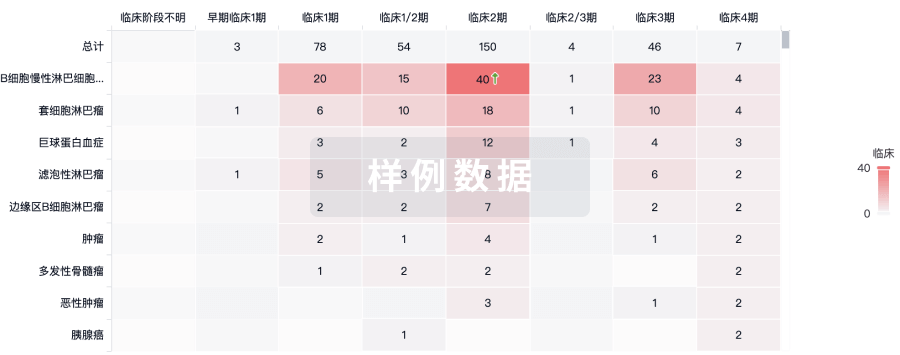
临床分析
紧跟全球注册中心的最新临床试验。
登录
或
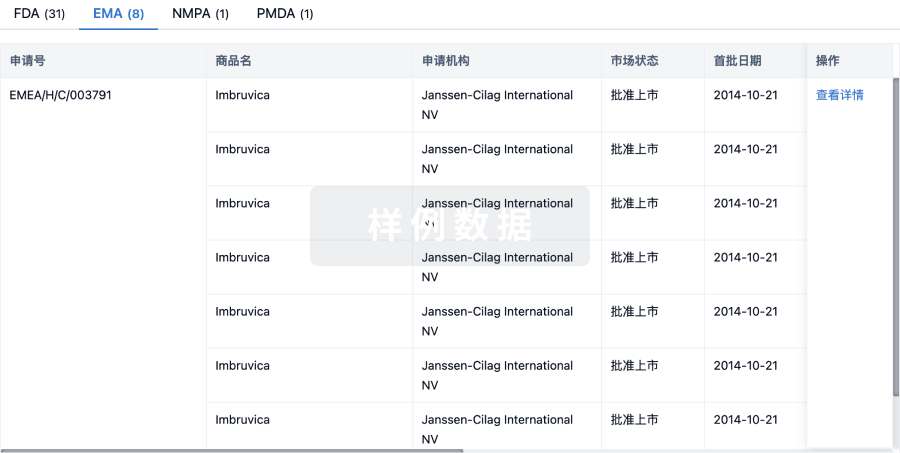
批准
利用最新的监管批准信息加速您的研究。
登录
或
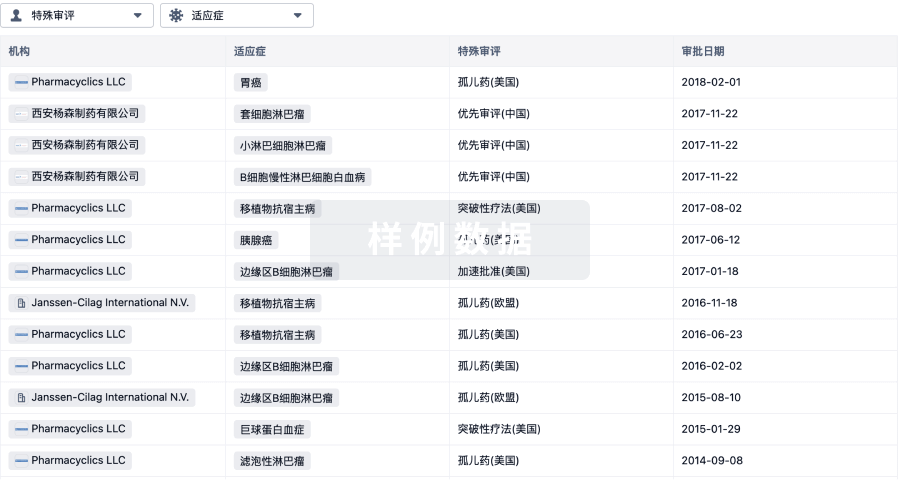
特殊审评
只需点击几下即可了解关键药物信息。
登录
或
芽仔
全新生物医药AI Agent 覆盖科研全链路,让突破性发现快人一步
立即开始免费试用!
智慧芽新药情报库是智慧芽专为生命科学人士构建的基于AI的创新药情报平台,助您全方位提升您的研发与决策效率。
立即开始数据试用!
智慧芽新药库数据也通过智慧芽数据服务平台,以API或者数据包形式对外开放,助您更加充分利用智慧芽新药情报信息。
生物序列数据库
生物药研发创新
免费使用
化学结构数据库
小分子化药研发创新
免费使用