预约演示
更新于:2026-07-11
ZY12(Zunyi Medical University)
更新于:2026-07-11
概要
基本信息

结构/序列
分子式C23H23N5O3 |
InChIKeySFKSGCKUKLFSPB-UHFFFAOYSA-N |
CAS号3020729-11-4 |
关联
100 项与 ZY12(Zunyi Medical University) 相关的临床结果
登录后查看更多信息
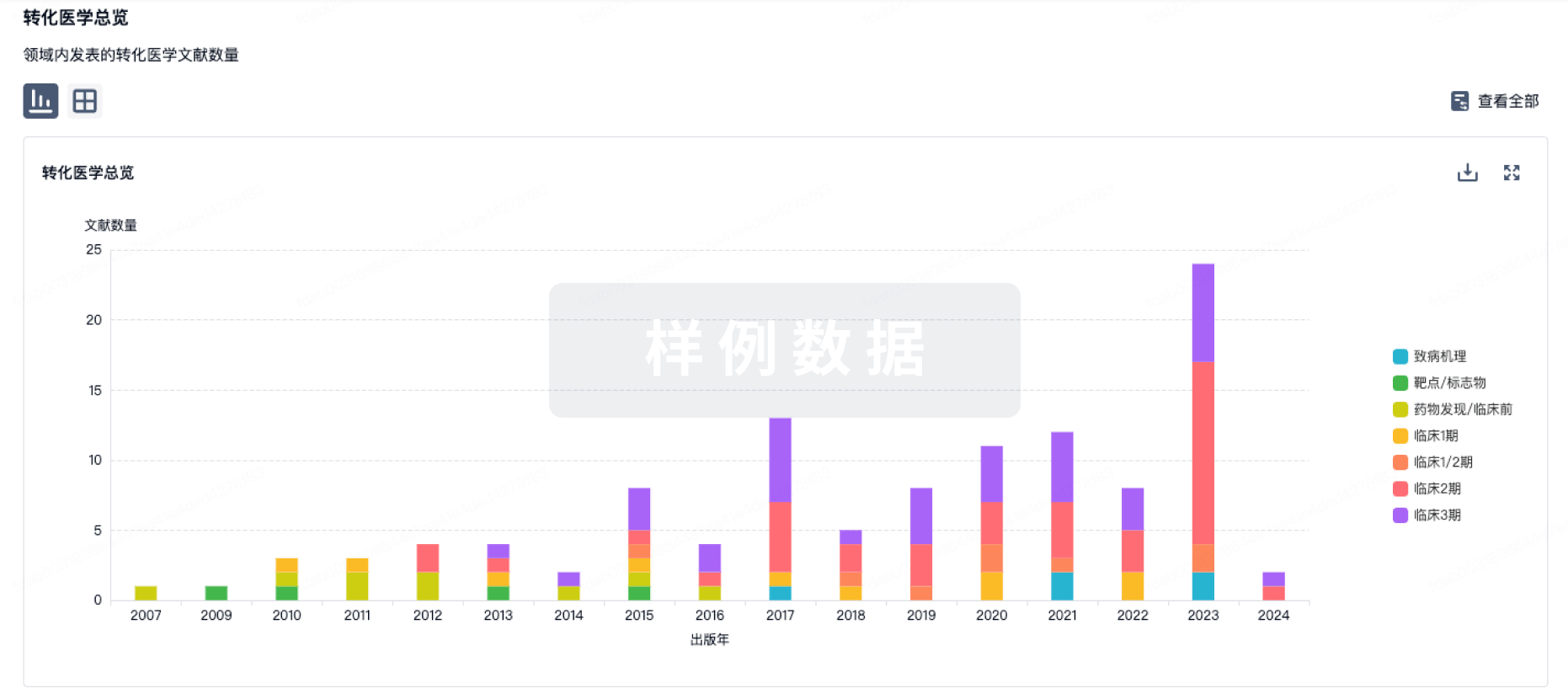
100 项与 ZY12(Zunyi Medical University) 相关的转化医学
登录后查看更多信息
100 项与 ZY12(Zunyi Medical University) 相关的专利(医药)
登录后查看更多信息
3
项与 ZY12(Zunyi Medical University) 相关的文献(医药)2026-07-01·EUROPEAN JOURNAL OF PHARMACOLOGY
1,2,4-trimethoxybenzene exerts multi-target effects against ulcerative colitis by inhibiting the NLRP3 inflammasome and remodeling the gut microbiota-metabolism axis
Article
作者: Zhang, Xiao ; Wan, Jian-Hua ; Yang, Tao ; Yin, Hui ; Feng, Min ; Peng, Chang ; Yang, Ting ; Liang, Yong-Hong ; Zhang, Hai-Yan ; Yang, Ming
Ulcerative colitis (UC) is a chronic inflammatory bowel disease (IBD) with limited treatment options. The natural compound 1,2,4-Trimethoxybenzene (ZY12) is a known NLRP3 inflammasome inhibitor, but its potential in UC remains unclear. This study evaluated the efficacy of ZY12 using a dextran sulfate sodium (DSS)-induced mouse model and integrated molecular, histological, 16S ribosomal RNA (16S rRNA) sequencing, short-chain fatty acids (SCFAs) and metabolomics analyses. Results showed that ZY12 significantly alleviated DSS-induced UC in mice, as evidenced by reduced weight loss, less colon shortening, and lower DAI scores. Mechanistically, ZY12 effectively inhibited NLRP3 inflammasome activation and downregulated the expression of pro-inflammatory cytokines, specifically interleukin-1β (IL-1β), interleukin-6 (IL-6), and tumor necrosis factor-α (TNF-α), and also reduced the level of calprotectin (S100A8/A9), a clinical marker of intestinal inflammation. Furthermore, ZY12 ameliorated colonic oxidative stress by enhancing the activities of the antioxidant enzymes superoxide dismutase (SOD) and glutathione peroxidase (GSH-Px), while reducing the levels of the oxidative damage markers malondialdehyde (MDA) and myeloperoxidase (MPO). Concurrently, ZY12 upregulated the key intestinal barrier-related proteins, namely Claudin-1, Occludin, zonula occludens-1 (ZO-1), and mucin 2 (MUC2). Comprehensive analyses revealed that ZY12 reshapes the gut microbiota composition by enriching beneficial bacterial taxa, increases levels of SCFAs (i.e., acetic acid, propionic acid, and butyric acid), and restores dysregulated host-microbiota co-metabolism, particularly through targeted modulation of the primary bile acid biosynthesis pathway. In conclusion, ZY12 alleviates UC via a synergistic regulatory network involving "immune modulation-microbiota reshaping-metabolic restoration". These findings highlight ZY12's potential as a promising multi-target therapeutic candidate for UC.
2025-09-01·BIOORGANIC CHEMISTRY
Machine learning-aided design, synthesis and biological evaluation of novel 4-(imidazo[1,2-a]pyridine-3‑carbonyl) phenyl urea derivatives as potent FLT3 inhibitors
Article
作者: Huang, Qiang ; Cao, Xiaoran ; Zhao, Changkuo ; Jin, Xin ; Wang, Chenxi ; Ma, Xiaojuan ; Wu, Lvjia ; Wang, Xianheng ; Lou, Yongxin ; Zhu, Lei ; Zhao, Yihuan ; Li, Jiangdong ; Xing, Qianlu
FLT3 protein kinase is a promising target for the treatment of acute myeloid leukemia (AML), and the development of this kinase inhibitor is highly desirable to overcome FLT3-positive AML. Herein, the bioactive predictions and screening were conducted based on our previous machine learning model in this work. Using ZY06 as a candidate, the design, synthesis and biological evaluation of a series of 4-(imidazo[1,2-a]pyridine-3‑carbonyl) phenyl urea derivatives as novel FLT3 inhibitors were systematically investigated. These compounds exhibited excellent inhibitory potency towards FLT3-ITD kinase, and moderate to potent antiproliferative activities against MV4-11 cells. The compound ZY12 displayed good selectivity to other kinases and excellent bioactivity in vitro, and concentration-dependently induced cycle arrest of MV4-11 cells. Moreover, ZY12 could significantly block the phosphorylation of FLT3 and its downstream signal pathways, such as AKT and ERK, and exhibit good safety in vivo, which serve as a lead molecule for developing novel FLT3 inhibitors against AML.
2017-05-01·International immunopharmacology2区 · 医学
An inhibitor peptide of toll-like receptor 2 shows therapeutic potential for allergic conjunctivitis
2区 · 医学
Article
作者: Xiuwen Yan ; Ruiqiang Zheng ; Weihui Liu ; Zilei Duan ; Xiaoqin He ; Cheng Xu ; Zhiye Zhang ; Chunling Zhou ; Qiumin Lu ; Yan Chen
Allergic conjunctivitis (AC) is an inflammatory disease of the conjunctiva, which is characterized by antigen challenge and toll-like receptor 2 (TLR2) activation. Here, a designed small peptide ZY12 was found to contain therapeutic potential in staphylococcal enterotoxin B (SEB)-induced AC model. ZY12 treatment showed the remission of clinical signs, plasma total IgE levels, number of mast cells and the proportion of degranulated mast cell in AC mice. Levels of Th2 cytokines (IL-4, IL-5, IL-13) in the lymph nodes or spleen were significantly decreased while those of Th1 cytokine (IFN-γ) were increased in ZY12 treated group, suggesting a protective role of ZY12 in AC by mediating the balance of Th1/Th2 cytokines. Importantly, ZY12 significantly inhibited TLR2 expression in conjunctival tissue. Combined its therapeutic effects with TLR2 inhibitory function, ZY12 might be an ideal candidate for the development of new therapeutic agent for allergic disease.
100 项与 ZY12(Zunyi Medical University) 相关的药物交易
登录后查看更多信息
研发状态
10 条进展最快的记录, 后查看更多信息
登录
| 适应症 | 最高研发状态 | 国家/地区 | 公司 | 日期 |
|---|---|---|---|---|
| 急性髓性白血病 | 临床前 | 中国 | 2025-09-01 |
登录后查看更多信息
临床结果
临床结果
适应症
分期
评价
查看全部结果
| 研究 | 分期 | 人群特征 | 评价人数 | 分组 | 结果 | 评价 | 发布日期 |
|---|
No Data | |||||||
登录后查看更多信息
转化医学
使用我们的转化医学数据加速您的研究。
登录
或
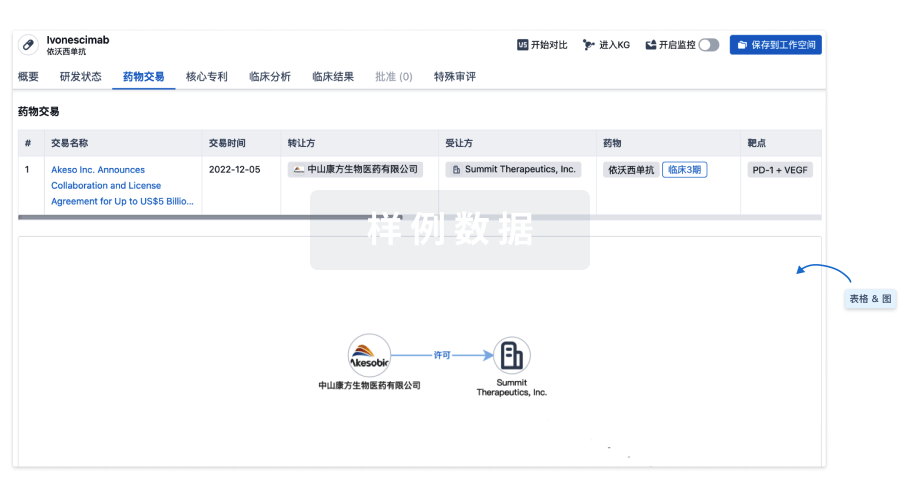
药物交易
使用我们的药物交易数据加速您的研究。
登录
或
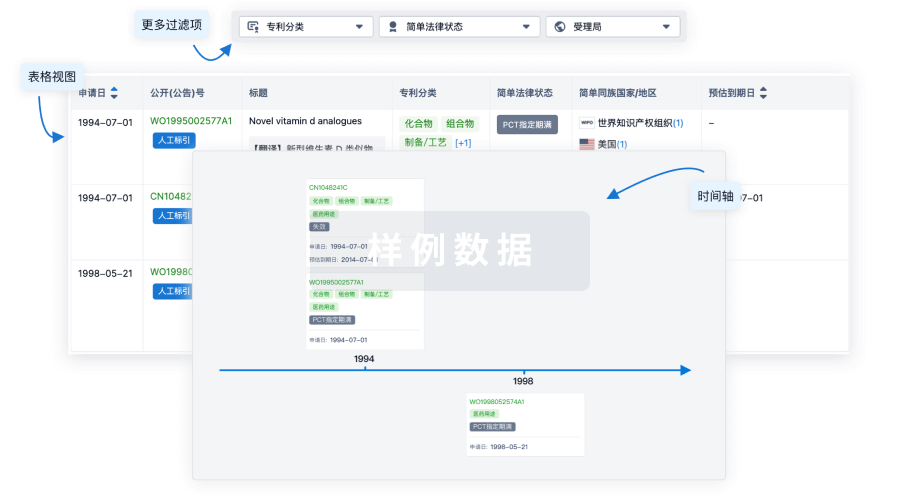
核心专利
使用我们的核心专利数据促进您的研究。
登录
或
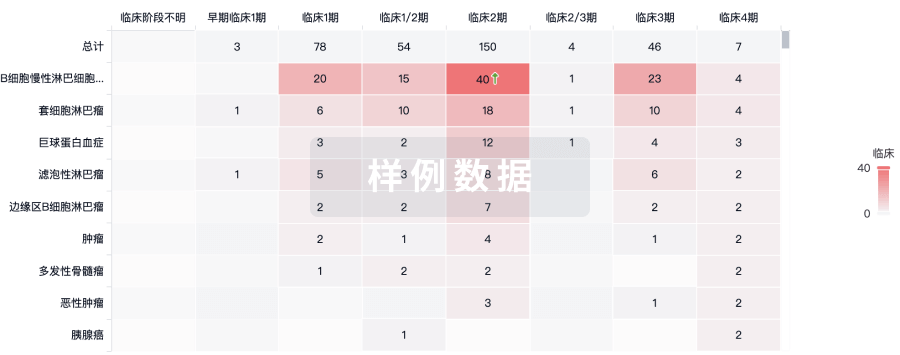
临床分析
紧跟全球注册中心的最新临床试验。
登录
或
批准
利用最新的监管批准信息加速您的研究。
登录
或
特殊审评
只需点击几下即可了解关键药物信息。
登录
或
芽仔
全新生物医药AI Agent 覆盖科研全链路,让突破性发现快人一步
立即开始免费试用!
智慧芽新药情报库是智慧芽专为生命科学人士构建的基于AI的创新药情报平台,助您全方位提升您的研发与决策效率。
立即开始数据试用!
智慧芽新药库数据也通过智慧芽数据服务平台,以API或者数据包形式对外开放,助您更加充分利用智慧芽新药情报信息。
生物序列数据库
生物药研发创新
免费使用
化学结构数据库
小分子化药研发创新
免费使用