预约演示
更新于:2026-07-25
PDE4 inhibitors(Hainan University)
更新于:2026-07-25
概要
基本信息

关联
100 项与 PDE4 inhibitors(Hainan University) 相关的临床结果
登录后查看更多信息
100 项与 PDE4 inhibitors(Hainan University) 相关的转化医学
登录后查看更多信息
100 项与 PDE4 inhibitors(Hainan University) 相关的专利(医药)
登录后查看更多信息
214
项与 PDE4 inhibitors(Hainan University) 相关的文献(医药)2026-06-01ACTA PHARMACOLOGICA SINICA
PDE4 inhibitor rolipram dynamically regulates the balance between D1-MSNs and D2-MSNs in the DMS to modulate abnormal “Go” behavior associated with alcohol addiction
Article
作者: Zhang, Han-Ting ; Zhao, Wei ; Zong, Fang-Jiao ; Zhao, Shuang ; Chen, Xiao-Fei ; Wang, Zi-Qi
Addiction is a chronic relapsing disorder characterized by compulsive seeking and consumption of drugs, with this abnormal "Go" behavior resulting in significant negative consequences. Research has shown that the dorsal medial striatum (DMS) is associated with the pathophysiological mechanisms of addiction; however, drugs targeting the DMS to achieve therapeutic effects for addiction remain unavailable. Intracellular cAMP signaling, regulated by G protein-coupled receptors (GPCRs), critically modulates the excitability, plasticity and neurotransmission of GABAergic medium spiny neurons (MSNs). In this study we investigated how inhibition of PDE4 modulated cAMP levels with a specific focus on how these changes influenced the dopamine D1 receptor MSNs (D1-MSNs) and D2 receptor MSNs (D2-MSNs) in the DMS, thereby influencing abnormal "Go" behavior. We established alcohol-induced conditioned place preference (CPP) model and two-bottle choice drinking model in mice. PDE4 inhibitor rolipram (0.5 μg) were bilaterally microinjected into the DMS of mice 2 h prior to the combination of alcohol. The activation of D1-MSNs and D2-MSNs in the DMS was assayed using c-Fos immunofluorescence staining. We showed that rolipram microinjection significantly increased cAMP levels in MSNs of the DMS and restored the activation balance between D1-MSNs and D2-MSNs. This rebalancing of MSN activity attenuated abnormal "Go" behaviors including high-drinking behavior. We further identified the ERK signaling downstream of cAMP in D2-MSNs of the DMS, together with the PDE4 subtype PDE4B, as key mediators of the inhibitory effects of PDE4 inhibitors on high-drinking behavior. These results highlight a new strategy emphasizing the pivotal role of PDE4 as a key regulator of cAMP signaling in MSNs, maintaining the dynamic balance between D1-MSNs and D2-MSNs, and further identify D2-MSNs specific PDE4B/cAMP/ERK modulation as a promising target for addiction treatment.
2026-05-28Polish Archives of Internal Medicine-Polskie Archiwum Medycyny Wewnetrznej
Biologic and targeted synthetic treatment of SAPHO syndrome: systematic literature review.
Review
作者: Wroński, Jakub ; Kudraszewska, Emilia ; Adamska, Agnieszka ; Foryś, Agnieszka ; Urba, Jagoda
INTRODUCTION:
SAPHO syndrome is a rare autoimmune / autoinflammatory disorder with no approved therapies or standardized management guidelines. Biologic and targeted synthetic disease-modifying antirheumatic drugs (b/tsDMARDs) are increasingly used off‑label.
OBJECTIVES:
This review aimed to systematically evaluate the evidence for the efficacy of b/tsDMARDs in SAPHO.
PATIENTS AND METHODS:
A PRISMA‑guided search of PubMed database was conducted through March 31, 2025. Studies of any design reporting outcomes of b/tsDMARDs in patients with SAPHO fulfilling the modified Kahn criteria were included. Exclusion criteria were non‑English language, inaccessible full text, and insufficient treatment details. Data on patient characteristics, drug class, follow‑up duration, and treatment response were extracted. As all the included studies were case reports or case series, the risk of bias was not assessed. Treatment responses were summarized using descriptive statistics.
RESULTS:
Of 1610 screened records, 106 studies comprising 385 instances of b/tsDMARD use met the inclusion criteria; no randomized controlled trials were identified. Tumor necrosis factor inhibitors (TNFis) were used in 203 patients, with complete skeletal and skin responses in 81% and 72%, respectively. The use of Janus kinase inhibitors (JAKis) in 77 patients was associated with complete response rates of 89% (skeletal) and 94% (skin). Other b/tsDMARD classes-including interleukin 17 (IL‑17), IL‑23, IL‑1, and IL‑6 inhibitors, as well as phosphodiesterase‑4 inhibitors-demonstrated variable and generally lower efficacy.
CONCLUSIONS:
Evidence for b/tsDMARD efficacy in SAPHO remains limited to low‑quality, uncontrolled studies with substantial heterogeneity and probable publication bias. TNFis and JAKis are among the most consistently effective therapies reported in the available literature, but high‑quality research, including randomized trials or prospective registries, is urgently needed to inform evidence‑based management.
2026-04-01Cancer research communications
Metastasis-Associated Wound Repair Promotes Reciprocal Lung Epithelium Activation and Breast Cancer Metastatic Outgrowth
Article
作者: Christenson, Jessica L. ; Richer, Jennifer K. ; O’Neill, Kathleen I. ; Spoelstra, Nicole S. ; Orlicky, David J. ; Van Bokhoven, Adrie ; Williams, Michelle M. ; Kuo, Li-Wei ; Diamond, Jennifer R. ; Logan, Linda L. ; Wagner, Jennifer A. ; Baker, Nolan T. ; Goodspeed, Andrew ; Staley, Alyse W. ; Crump, Lyndsey S.
Abstract:
When tumor cells colonize distant organs during metastasis, they interact extensively with surrounding cells. These interactions often change the behavior of surrounding cell populations which collectively induce a protumor microenvironment that permits tumor cell outgrowth into overt, clinically detectable metastatic disease. The lung is one of the most common sites of breast cancer metastasis. A chronic wound repair–related phenotype developed within the lung microenvironment during metastatic outgrowth in immunocompetent preclinical mouse models of breast cancer. This phenotype was characterized by an increased number and activation of lung type II alveolar epithelial (AT2) cells surrounding growing metastases. Metastatic outgrowth significantly changed AT2 gene expression, resulting in a modified secretome. AT2-derived secreted factors also promoted triple-negative breast cancer growth. AT2-secreted factors are regulated by the cyclic adenosine monophosphate response element-binding protein (CREB). Targeting CREB signaling with the phosphodiesterase 4 (PDE4) inhibitor roflumilast reduced AT2 breast cancer reciprocal interactions in vitro and metastatic outgrowth in vivo. Finally, AT2 cells adjacent to metastases in lungs from patients with metastatic breast cancer expressed higher PDE4B compared with AT2 cells in normal lungs.
Significance::
Alveolar epithelial cells are the most common cell type in the lung. Our studies demonstrate the potential for targeting metastasis-associated wound repair and lung epithelial cell activation during metastatic outgrowth with FDA-approved PDE4 inhibitors. This strategy may be an effective way to treat and manage progression of established metastatic breast cancer within the lung.
5
项与 PDE4 inhibitors(Hainan University) 相关的新闻(医药)2026-02-02

100 项与 PDE4 inhibitors(Hainan University) 相关的药物交易
登录后查看更多信息
研发状态
10 条进展最快的记录, 后查看更多信息
登录
| 适应症 | 最高研发状态 | 国家/地区 | 公司 | 日期 |
|---|---|---|---|---|
| 银屑病 | 临床前 | 中国 | 2025-03-11 |
登录后查看更多信息
临床结果
临床结果
适应症
分期
评价
查看全部结果
登录后查看更多信息
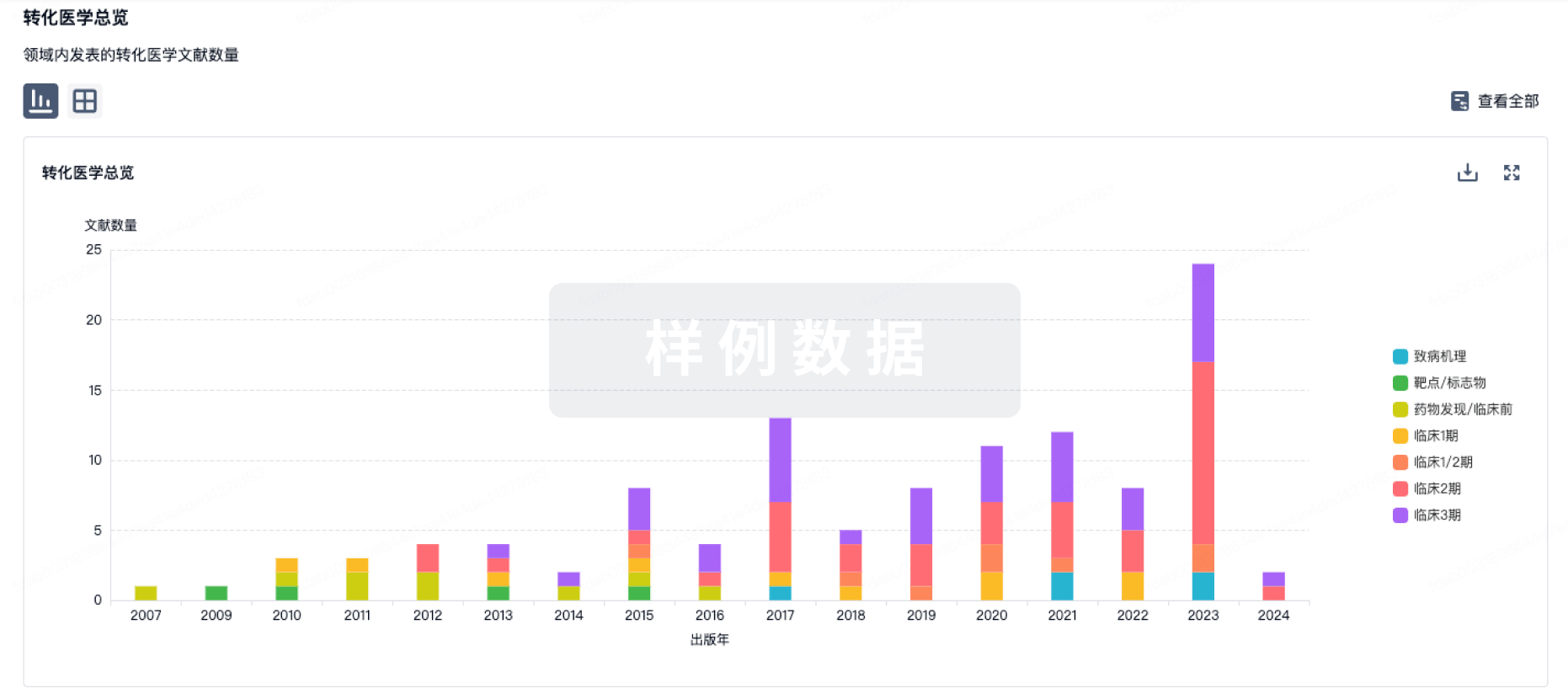
转化医学
使用我们的转化医学数据加速您的研究。
登录
或
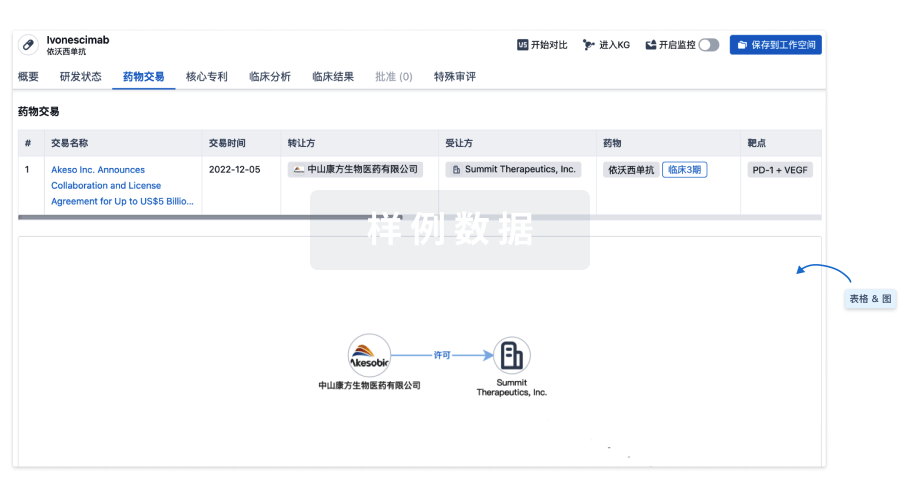
药物交易
使用我们的药物交易数据加速您的研究。
登录
或
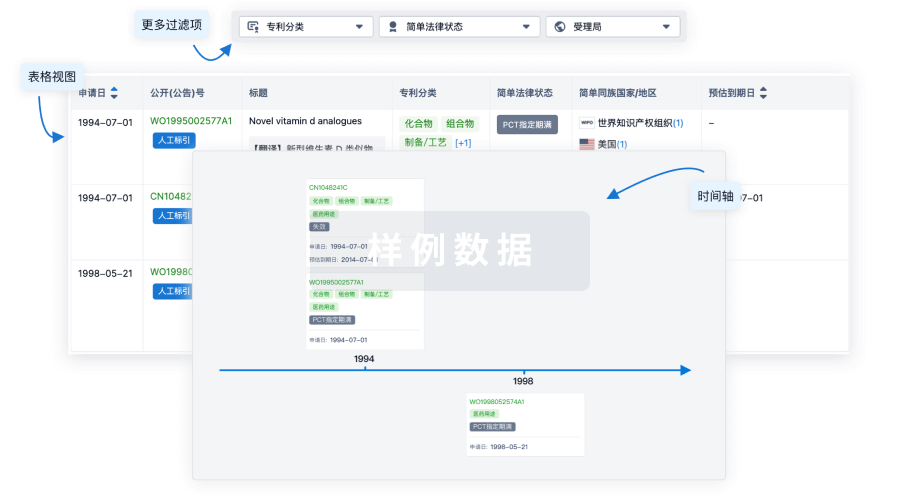
核心专利
使用我们的核心专利数据促进您的研究。
登录
或
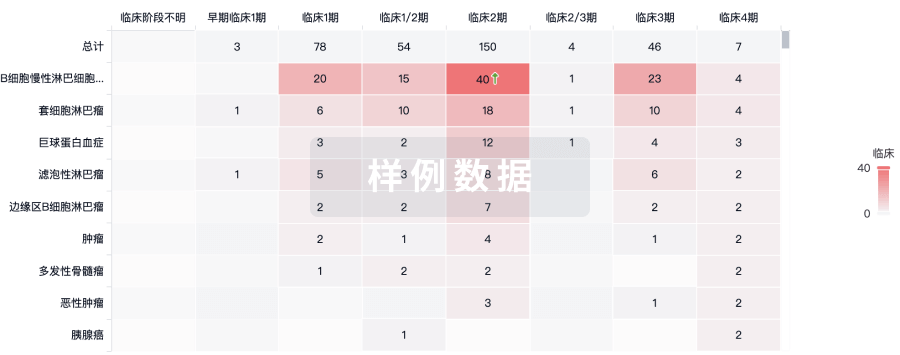
临床分析
紧跟全球注册中心的最新临床试验。
登录
或
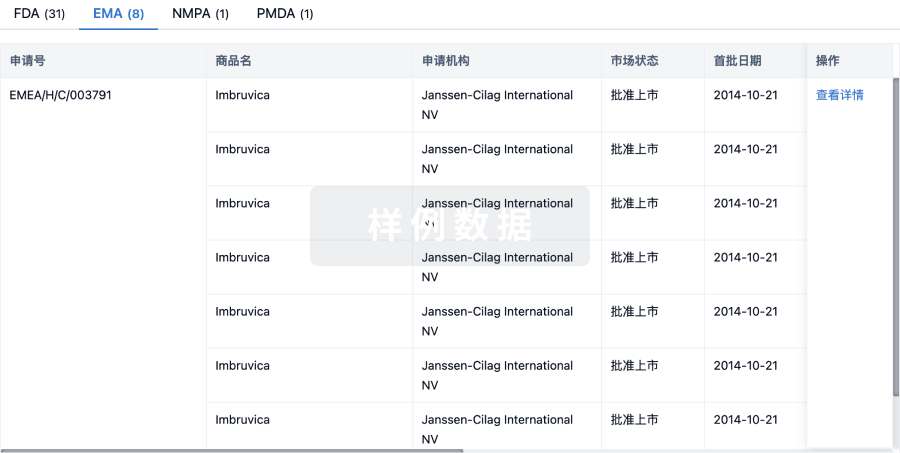
批准
利用最新的监管批准信息加速您的研究。
登录
或
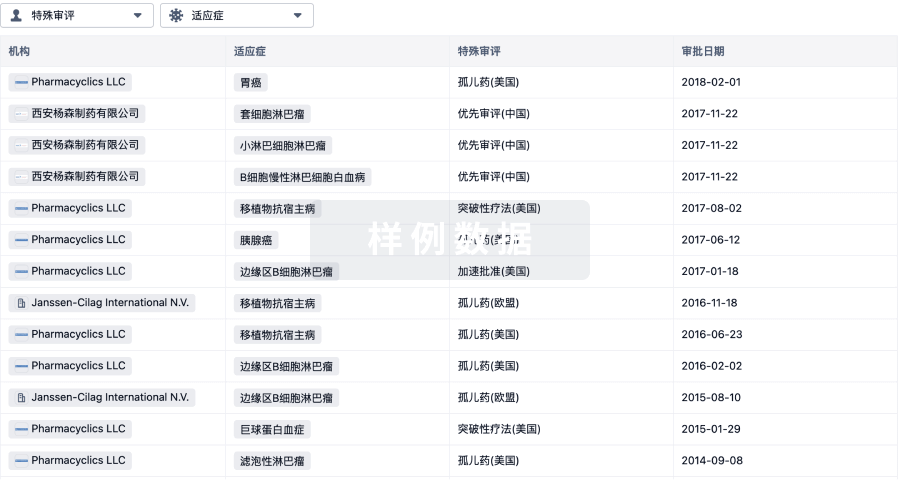
特殊审评
只需点击几下即可了解关键药物信息。
登录
或
芽仔
全新生物医药AI Agent 覆盖科研全链路,让突破性发现快人一步
立即开始免费试用!
智慧芽新药情报库是智慧芽专为生命科学人士构建的基于AI的创新药情报平台,助您全方位提升您的研发与决策效率。
立即开始数据试用!
智慧芽新药库数据也通过智慧芽数据服务平台,以API或者数据包形式对外开放,助您更加充分利用智慧芽新药情报信息。
生物序列数据库
生物药研发创新
免费使用
化学结构数据库
小分子化药研发创新
免费使用